the total amount or dosages of a given supplement or supplements that you might need to take could be zero there are such individuals but that many people can in fact derrive tremendous benefit from supplements in a way that can be more cost- effective than trying to obtain the same non-prescription nutrients from food no amount of supplementation or non-prescription compounds or prescription compounds for that matter can never compensate for poor nutrition at least not for very long so this is a key Point even though many supplements are not simply food supplements because they are not designed
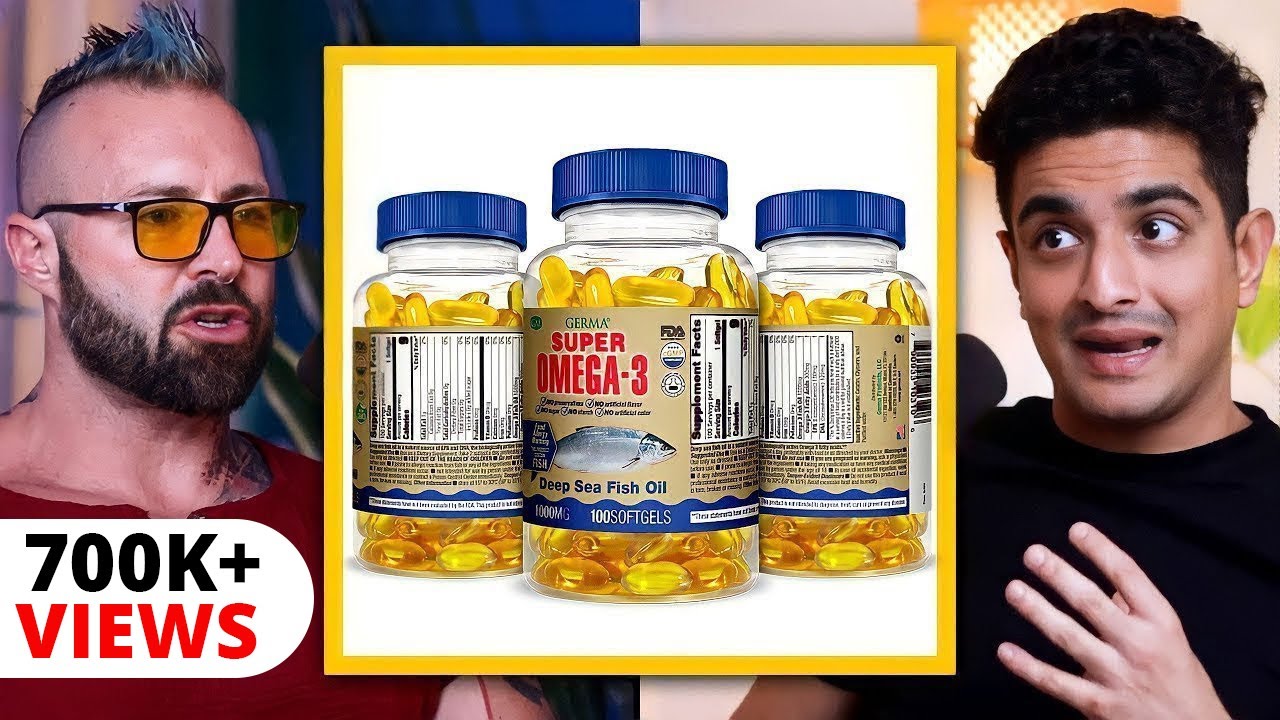
to compensate for anything that you could otherwise get from food that is not to say that you can live on supplements but they are the major ones that are definitely worth knowing and those include supplementing with omega-3 fatty acids now omega-3 fatty acids are found of course in Foods things like fatty fish and krill of all things certain forms of algae Etc but most people do not get enough of so-called EPA form of Omega-3s and for that reason I and many other people choose to supplement with a minimum of 1 G per day and in
some cases as high as 2 G per day of Omega-3s in supplement form so typically when we get to 1 to 2 gam of EPA by supplementing their nutrition their diet that is with fish oil capsules or liquid fish oil I find that it's most cost-efficient to get that 1 to two gram of epas from liquid fish oil despite what you might see on the internet and I'll take a tablespoon or two of that per day and if I'm traveling and even if I'm not I will often use fish oil capsules and there are a
variety of different sources of those as well getting sufficient amounts of Omega-3 has been shown to be important for mood so as a way to offset depression but also so for enhancing overall mood that probably relates to the omega-3's effect on neurotransmission not just for neuromodulators like serotonin and dopamine but for all neurotransmission and neurotransmission of course is essential for neuromuscular performance and the Omega-3s have been implicated in reducing the inflammation response cardiovascular health Etc I realize that there is some debate about Omega-3s but when I look at the bulk of literature about the Omega-3s
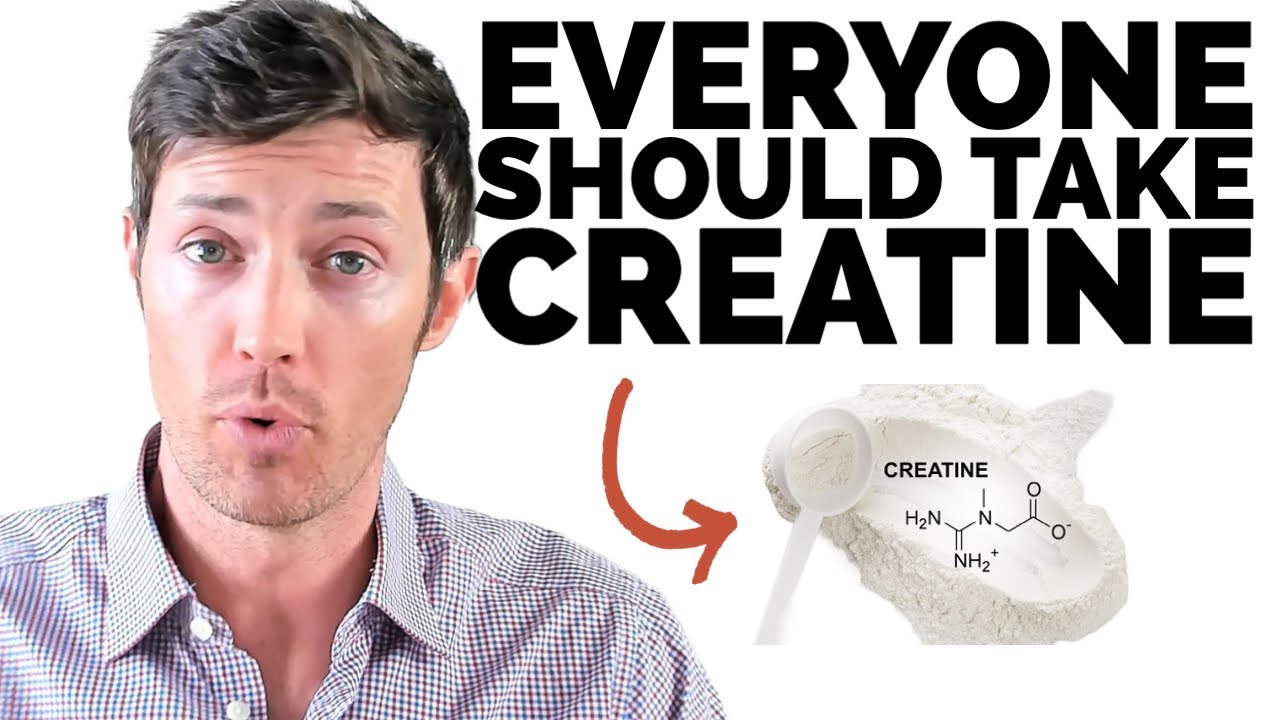
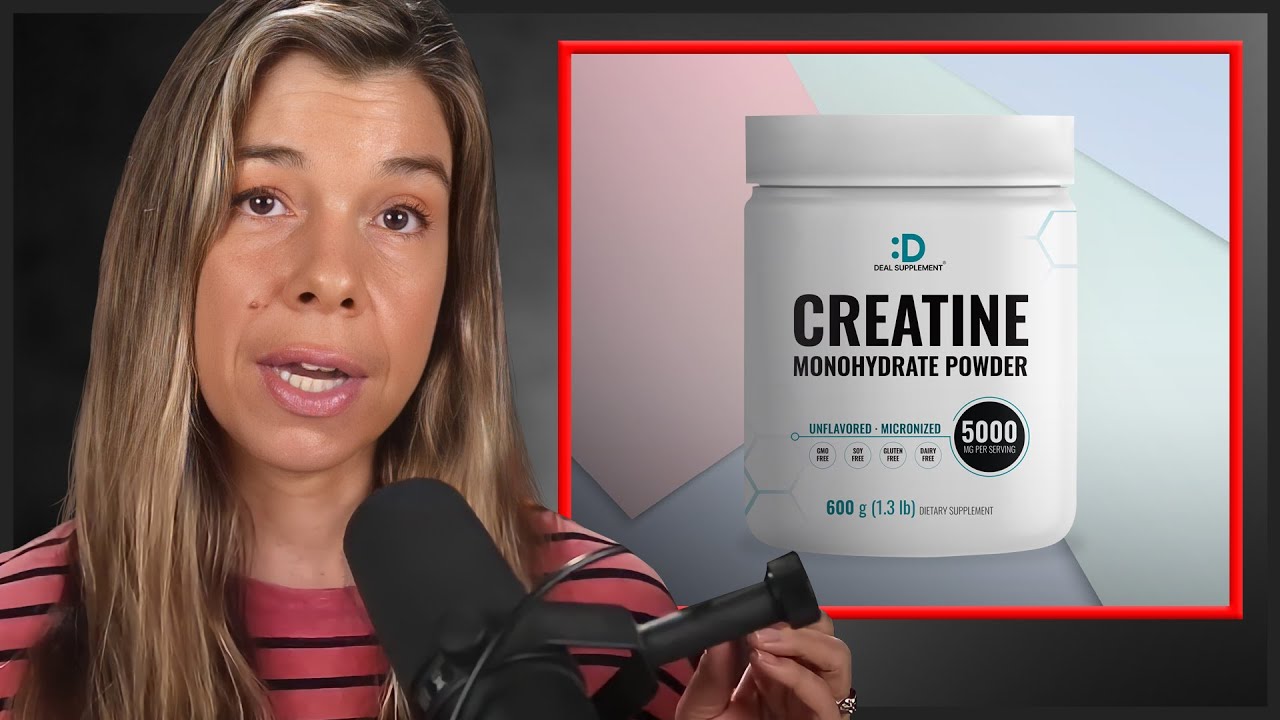
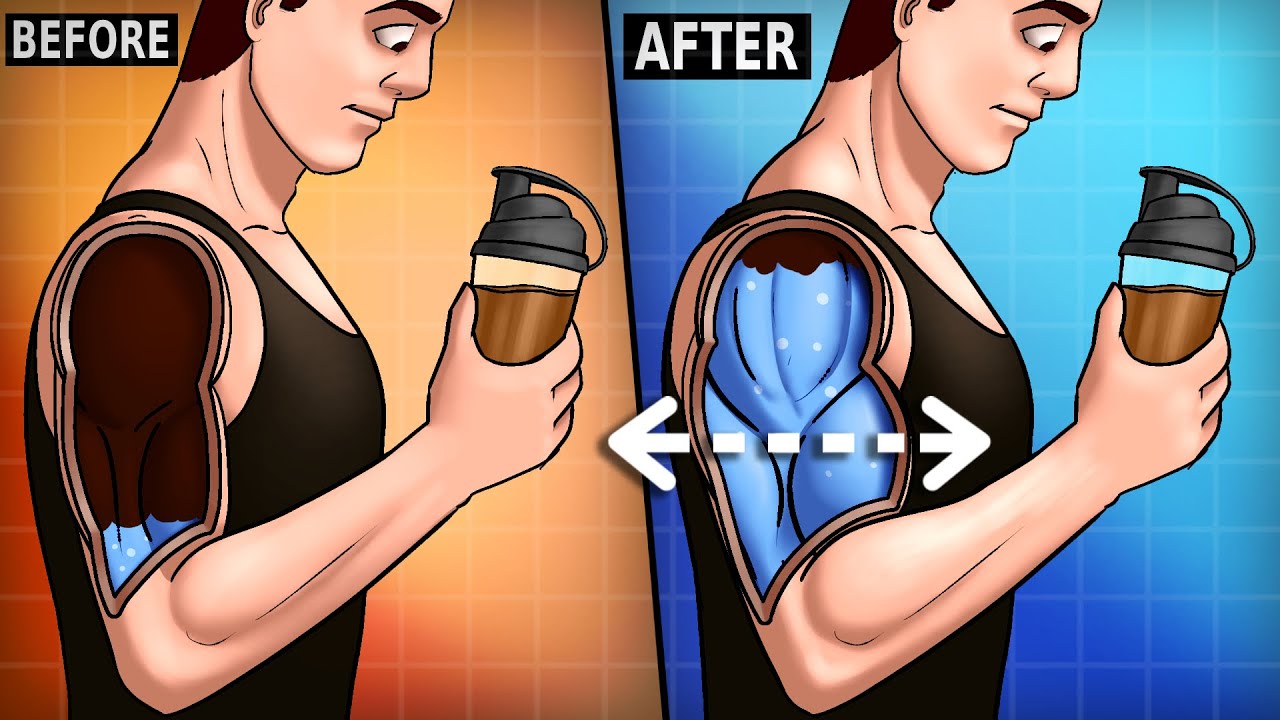
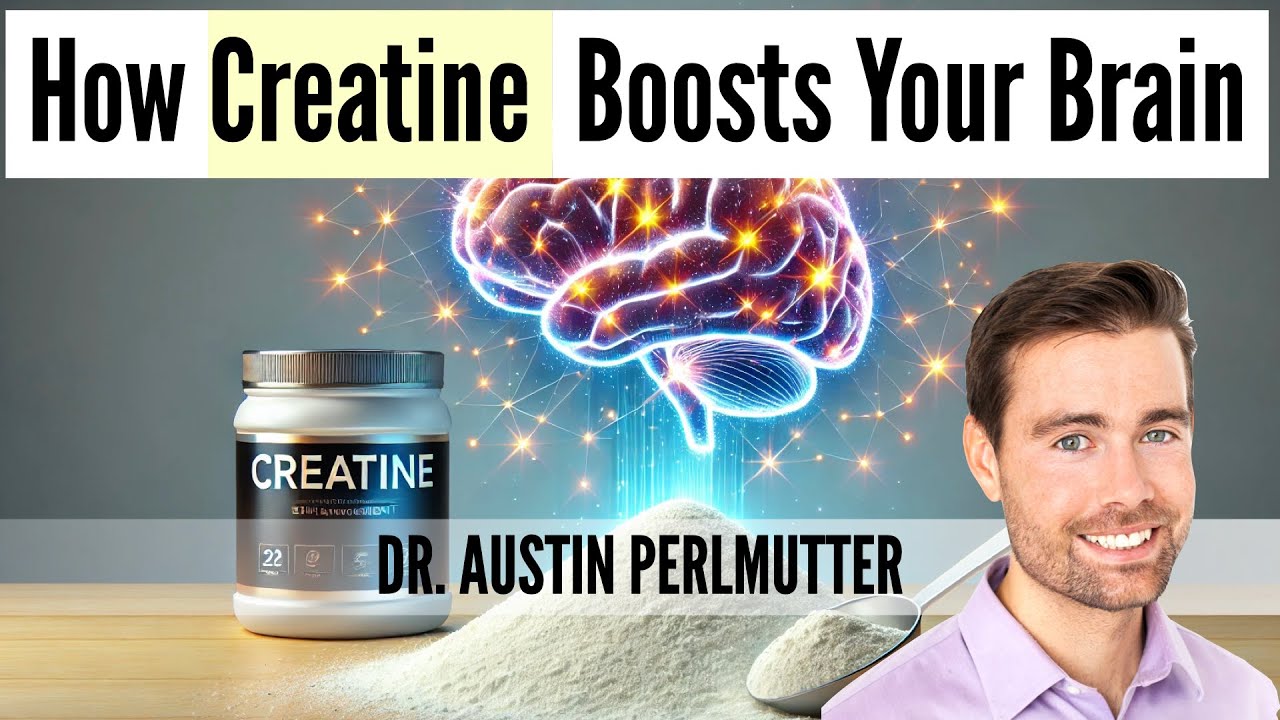
it's very clear to me that getting 1 to2 G of EPA form of Omega-3 per day is the right thing for for me to do and many others find that as well the second tool to enhance your Fitness under this category of nutrition and supplementation is creatine now again creatine is not just found in supplement form it's also found of course in Foods in particular red meat however the amount of red meat that one would have to eat in order to get the amount of creatine that one would start to see a real performance-enhancing effect
is just far too high you'd be ingesting far too much of other things in red meat that you wouldn't want that much of for that reason I and many other people will take creatine daily we now know there's no need to so-call load creatine in the old days as it were so old days by the way meaning mid 90s and 2000s we were all told that we had to load creatine we had to take high does creatine for four or five days and then you could back off to a maintenance dose now it's very clear
you can just take a daily dose of creatine and that it really doesn't matter when you take that creatine you could take it post-workout as many people do you could take it pre-workout it really doesn't seem to matter I happen to take it post-workout just as a matter of habit but what you'll usually hear is that taking 5 G of creatine monohydrate per day is ideal for everybody and that advice is simply not well informed by the scientific literature if you are a larger person so for instance I weigh 100 kg so that's about 220
lb well it turns out if you look at the literature on Creatine and athletic performance and if you look at the literature on Creatine and cognitive performance because as some of you already know creatine is a fuel where the phosphocreatine system is a fuel system for the brain as well and if you look at the studies on Creatine they almost always gauge the amount of creatine to give an individual based on their body weight so you don't have to get really specific about this but if you weigh say 185 lb to 250 lb you can
get away with and probably should be taking 10 G or so of creatine per day which is what I do whereas if you weigh less than that 5 G or maybe even 3 G is sufficient but the point here is if you're going to take creatine you don't just want to quote unquote take creatine you know one scoop per day you really want to adjust the amount of creatine that you're ingesting according to your body weight the next supplementation based tool for enhancing your Fitness is a riola Rosa Rola Rosa is a supplement that's gaining
increasing attention because it is what's called a cortisol modulator it does not necessarily suppress cortisol it does not increase cortisol it's a cortisol modulator there's a growing body of research that has explored rodol Rosa supplementation and one's subjective perception of fatigue or output during high-intensity training of various kinds both resistance training as well as running and endurance type training and it's a supplement that I take before high intensity workouts I don't take it before a run because frankly my runs either very long and slow or they're very brief like a high intensity interval training session
and I find those to be pretty easy to recover from even though they are very intense I might take a rodea Rosa supplement before doing a 30-minute hill run that's very intense but typically I only take it about 10 to 15 minutes before any sort of high-intensity resistance training session the reason I mentioned rodel Rosa in this episode is that I realized that once you get into the category of supplements that can enhance Fitness rodal Rosa doeses seem to have some good research to support it in the context of lots of different forms of high-intensity
exercise but my experience has been that when I take Roda Rosa I definitely notice that I can exert myself harder without feeling like I'm bringing myself to the brink of fatigue either during the exertion or afterwards in other words I feel like I can do more work without feeling so exhausted and I feel as if I'm recovering from my workouts more quickly in particular across the day after my workouts in fact if I had to cite one specific subjective effect fact that I've experienced from taking Roda Rosa before very high-intensity workouts is that prior to
taking it I would of often find that 3 or 4 hours after the workout having eaten a good meal taken a shower Etc and I was tired I have a real dip in energy but now I notice I have a lot of energy throughout the day even after these very high-intensity sessions in the early part of the day the typical dosage of Rodell Rosa that you'll find in most supplements is 100 to 200 Mig and of course anytime you're going to take a new supplement you would be wise to figure out the lowest effective dose
from that supplement that's just logic right why spend more money taking more of something that you don't need more of if you could get away with taking less of it and it's just just as effective maybe even more effective so I typically will take 100 to 200 Mig of R yellow Rosa about 10 to 20 minutes before a workout however I've taken as little as 100 milligram on a consistent basis and frankly I don't really experience much difference whether I take 100 milligrams or I take 200 milligrams before a workout so you can also do
something like 500 Mig of curcumin three times a day that's going to be enough to keep you in a decent spot there are some other things that you could look up maybe some potential benefit for ginger and bellia and some things like that for inflammation but unless we're in like very specific circum ances where we have like an injury and we're probably not going to those you know areas a fantastic evidence-based supplement is glutamine glutamine 20 gam a day we typically honestly split it up into two dosage 10 grams morning 10 G night it's a
conditional amino acid which means you can make it your body can make enough of it at times and other times you may want to support it generally those conditional times are things like burn victims high stress situations or injury things like that so there isn't also like a ton of downside to glutamine because it can go through transamination which means your body can take it and like we don't need anything here for our Muscle Recovery let's make it into something else and use it for whatever else is needing so it's kind of another one of
these like low risk products it's also why you see it in a lot of recovery products if you're ever wondering like what the heck is that in there I don't need amino acids and you're thinking it's like for protein synthesis it's really not it's because of this beneficial to this proliferation process in terms of protein this is the big one you want to make sure you are absolutely at 1 gam per pound in body weight because we need those amino acids to come in and start helping with recovery 1 g of protein per pound a
body weight or more or 1 G or more yeah there's going to be very little downside to having more remember protein and carbohydrates both stimulate insulin and remember insulin is anabolic and so we're trying to drive this process of recovery that's why you want both so you wouldn't want to skimp on carbohydrates in this phase nor would you want to skimp on protein because you need the activation the drive into the tissue as well as the structure going back to one of our earlier conversations I gave an analogy about making a campfire and using fat
and carbohydrates as the wood and the log and the protein wor the metal structure so you need that Supply if you've cleared out in the previous St damaged proteins and you need to make new ones to recover that process you have to have the raw Supply and material so you wouldn't want to avoid either one of those things