what you're looking at is a print from the 1800s depicting a famous story from the Hebrew Bible in 1st Samuel chapter 5 the Philistines the arch enemies of the Israelites captur the Ark of the Covenant the sacred chest believed to hold the Ten Commandments and an object intimately linked to the divine presence of God they brought it back to the city of ashod and stored it in the temple of their God deeon setting it up right next to a statue the next day however the Philistines find the Statue of deeon lying face down on the
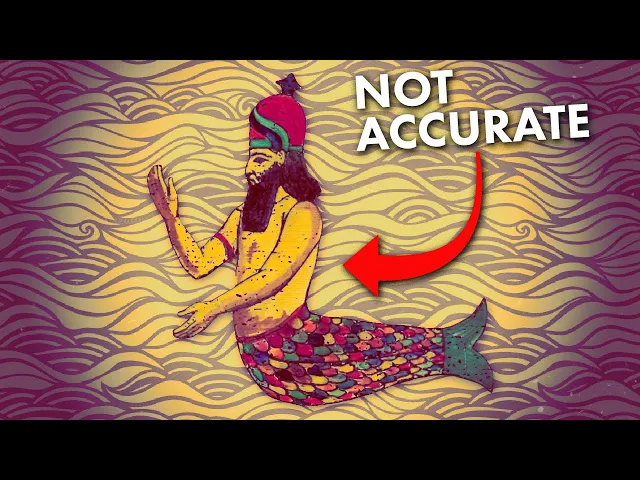
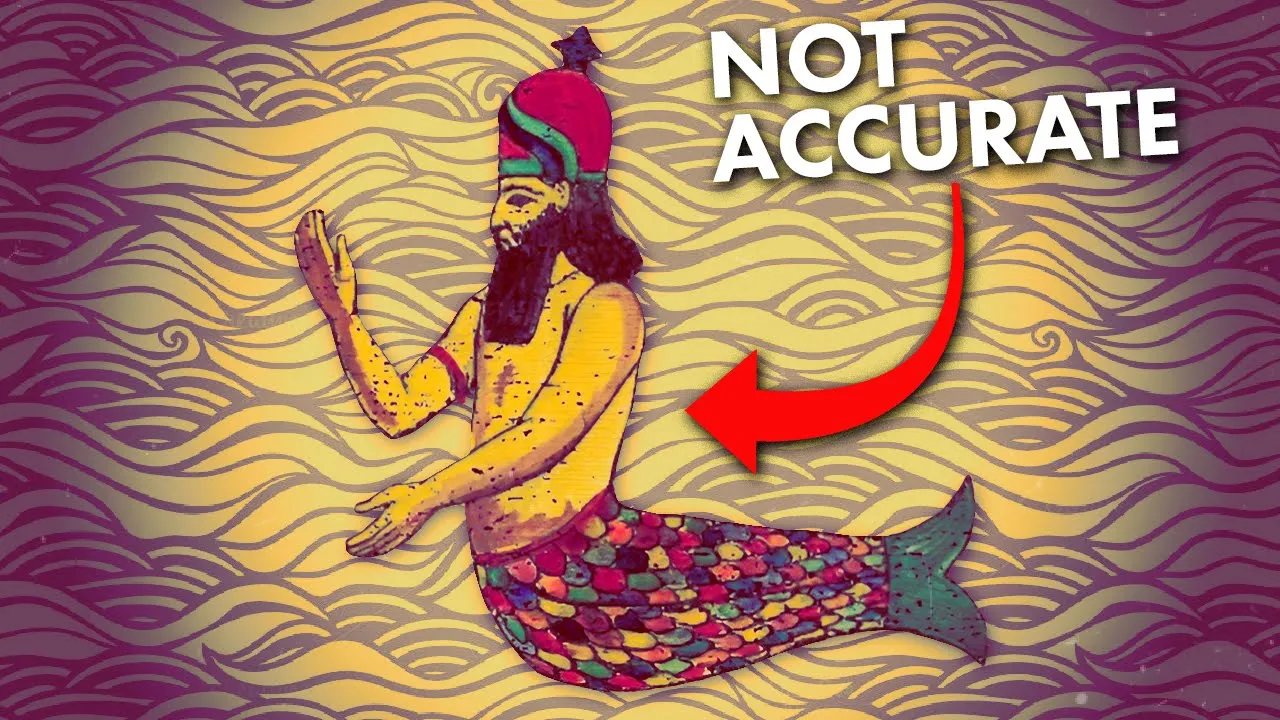
ground thinking nothing of it they set it back up but the next day it happens again deeon on the ground in front of the Ark and this time his head and hands have been cut off the story is meant to underscore the power of the Israelite God through his manifestation in the ark he's able to topple and humiliate a foreign God but who is this God deeon the Hebrew Bible describes him something like the national god of the Philistines and if you try looking him up online you'll find a lot of fish imagery like he
was some kind of ancient merman or fish God this became accepted wisdom back in the 18 1800s and early 1900s making its way into biblical guide books and Illustrated dictionaries but both of these interpretations are wrong deeon was neither a national god of the Philistines nor a fish God but to understand who deeon truly was we first need to dive into the archaeology of the Philistines the Philistines were an ancient people who settled the southeast coastal plain of the Mediterranean sometime around the 12th century B.C they likely descended from one of the so-called sea peoples
these were various tribes originating from different areas around the Mediterranean World eventually resettling in the Eastern Mediterranean during the late Bronze Age the Philistines in particular were known for their Advanced knowledge and metal working their well equipped Army and unlike their Israelite neighbors a taste for pork we can see a striking example of their possible Origins by comparing Philistine pottery with Pottery found in and around Greece this here is a pot from the Philistine city of erron and this one right here is from the Greek island of cimos very similar decoration and design suggesting that
the Philistines originally migrated from the aian world to the coast of the Eastern Mediterranean taking with them pottery making noow from their Homeland the Philistines enter into the biblical narrative once they begin to expand their influence and Authority into Israelite territory and they show up again and again in several biblical stories as Israel's Fierce military and ideological enemy like in the famous showdown between the Future King David and the Giant Goliath so who did the Philistines worship Philistine religion involved a mix of gods some that they brought with them from their old aian Homeland and
new deities that they encountered in the Eastern Mediterranean for example check out this inscription a royal dedication dating to the 7th century B.C found at the Philistine city of erron it mentions a goddess spelled with the letters ptg YH no one really knows how this name was pronounced or who it refers to the inscription is a dedication from some sort of Prince of erron who built a temple in her honor it reads the house built for ptg YH his lady may she bless him and protect him we don't know who this goddess was it may
refer to pedre a a ugaritic goddess and daughter of the Canaanite storm God ball some theorize it refers to the Greek mother goddess Gaia M ptg YH either spells out poag Gaia meaning lady or mistress Gaia or pathog Gaia meaning Gaia from pth referring to the sanctuary of Deli both of these interpretations tie her to ancient Greek religion but in the end we simply don't know ptg YH remains a mysterious Philistine goddess to this day archaeologists have also discovered several goddess figurines at several Philistine cities Eon as St and ashalon all dating to the Iron
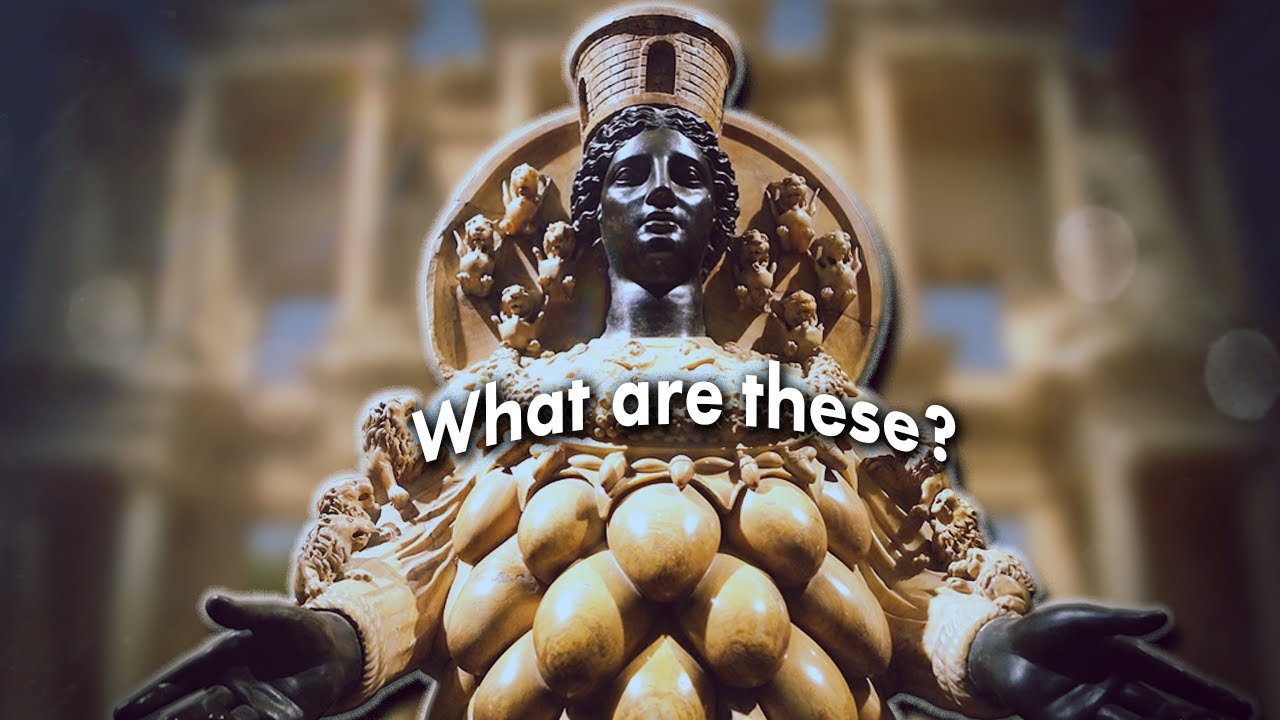
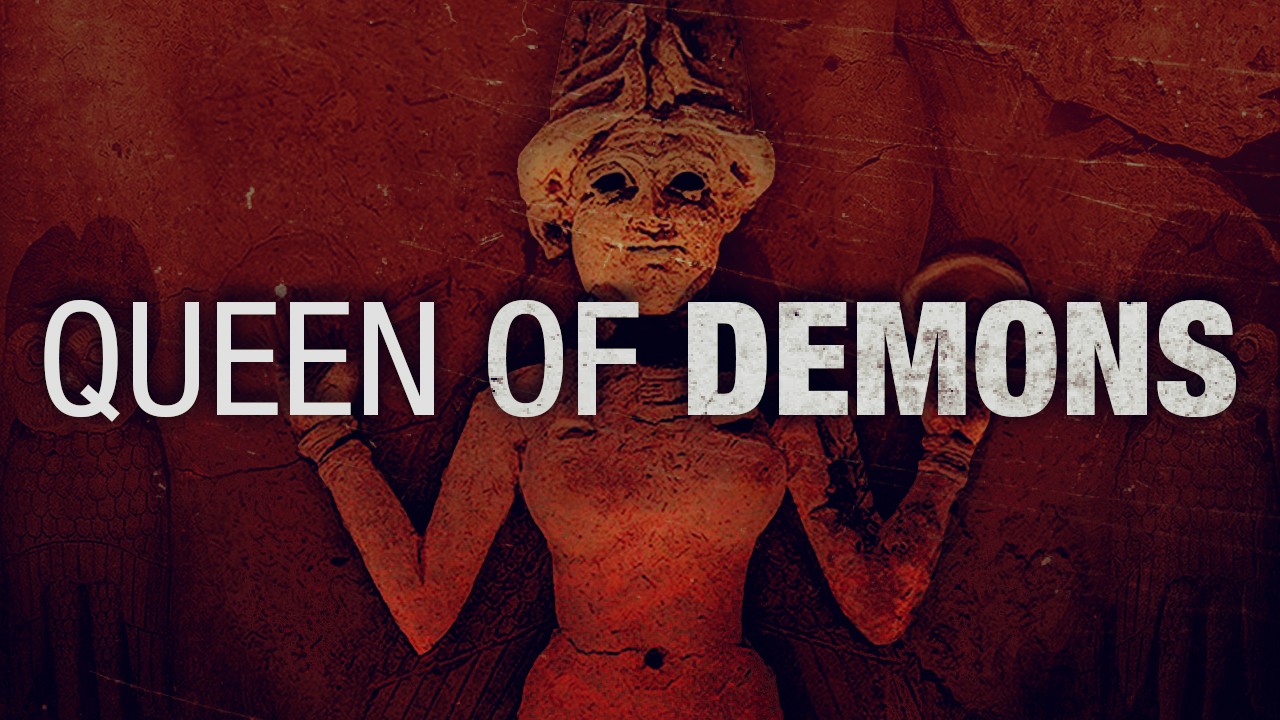
Age one period these are female figurines usually depicted either as standing with their arms raised or seated creating a little platform just like the Philistine and Myan Pottery I showed you before these figurines strongly resemble ones found around the aian sea with examples from Mainland Greece cre and Cyprus this adds even more evidence of the aian roots of the Philistines while it's hard to say which goddess these figurines represent they likely had something to do with Philistine household religion later archaeological finds show that the Philistines also used more naturalistic figurines in their religious practices these
are often linked to the Canaanite goddess estarte these figurines show up a bit later in Philistine history during the Iron Age 2 period and have been found in cities like ashod ashalon and ekron aarte was linked with fertility so these figurines likely had a fertility related purpose other figurines found at Iron Age 2 Philistine sites include the so-called Judean pillar figurines which are sometimes linked to the goddess Ashera similar figurines have also been found at Israelite sites which indicates that Canaanite and Israelite domestic religion influenced at least some Philistine religion this is not all that
surprising while the Philistines likely did come from the aian world archaeologists now believe that they were a multicultural group who blended with local Canaanite culture so in terms of religion the Philistines were becoming more like their neighbors and their goddess worship shows this kind of cultural blending but despite this wealth of archaeological evidence we really don't have a good grasp of the exact identity of the gods and goddesses that they worshiped the most we can say is that the Philistine Pantheon included both and Canaanite Gods including possibly ashra and estarte and definitely this mysterious ptg
YH as well as one male God relating to the weather possibly ball several inscriptions from Philistine sites mention ball as does the Hebrew Bible but you might notice that one figure is lacking from this summary deeon we don't have any archaeological evidence for the Philistine worship of deeon the Bible stands alone in claiming this which seriously calls into the question the notion that he was a major deity in the Philistine Pantheon let alone their National God although we don't have any archaeological evidence that the Philistines worship deeon he does show up in the pantheons of
their neighbors to the Northeast the peoples of ancient Syria along the Euphrates River Valley deeon was woried in this middle Euphrates region as far back as the third millennium BCE stretching all the way to the 2 Century bcee according to various sources Deon was a powerful high God in this region though it's difficult to call him the god of any particular thing or domain like how we stereotypically say that Thor is the God of Thunder or Helios is the god of the sun Deon was was the god of a lot of things some sources call
him the Lord Creator which would make him some sort of Chief Creator God on par with the Canaanite god l or the Israelite God Yahweh other sources call him Lord of the valley as in ruler of the Euphrates River Valley and its people he was also called the father of the Gods and with his Divine consort the goddess shalash he was believed to be the father of the main Gods of the middle Euphrates region and sources from the city of ugarit say he was the father of the storm God Bal this has led to some
confusion over the years because ugaritic generally say that ball was the son of L though it's likely the people of ugara equated Deon with L an inscription dedicating a sacrifice to Deon was found inside of a late Bronze Age temple on the Acropolis of the city although Scholars initially identified this Temple as a temple of deeon many scholars now think it was a temple of L and the people of ugarit associated L and deeon due to their identical status as Chief High Gods his major cult centers were in the cities of Tera and tutl both
located in Eastern Syria Tera was home to one of deon's most important temples and was sometimes known as a city beloved of deeon and the temple wasn't just a place of worship it was also an administrative Center where the local government collected taxes and held political ceremonies local Kings would even make pilgrimages to the temple there a letter from the governor of Tera orders a king of a nearby City to visit the temple to bow down before deeon the other great cultic city of deeon tutl was more of a prophecy Hub if you were a
local ruler and wanted some sort of insight into whether you should form an alliance or go to battle head to the Deon Priests of tutul for some Supernatural advice so the combined literary and archaeological evidence shows that deeon was indeed a popular deity in the ancient near East but his worship was heavily centralized in the middle Euphrates region not the land of Canaan so that brings us back to the question did the Philistines really worship Deon while we don't have any archaeological evidence of Deon worship at Philistine sites that doesn't necessarily mean that it's completely
out of the realm of possibility as the archaeologist Jeffrey Emanuel says in his research arguments from archaeological silence must be made carefully because it's hard to prove a negative based only on material evidence as in it's difficult to prove that the Philistines did not worship Deon the absence of material evidence doesn't necessarily mean something didn't exist some Scholars have floated the idea that the Philistines might have been introduced to Deon during their migration to the region or through cultural exchange with the Northeast where deeon was already worshiped remember back in the late Bronze Age deeon
was known to the people of ugarit on the Syrian Coast which was a major trading Hub and it's feasible that Philistine Traders could have come across a Deon cult there but even if we can imagine such a process of cultural transmission that doesn't make it the most likely explanation for why the Bible Associates deeon with the Philistines to quote Dr Emanuel again these theories May ultimately be an attempt to force the biblical textual evidence to match the archaeological evidence when they often are at odds the books that link deeon with the Philistines were actually written
long after the purported events they describe for example 1 Samuel is often dated to around 600 bcee or later while the events it talks about would have happened centuries earlier back in the 11th and 10th centuries BC with this kind kind of time Gap we're talking hundreds of years it's unlikely that the writers had an accurate understanding of philistine culture from the late Bronze Age and early Iron Age plus the Philistines are often portrayed as Israel's Arch enemies throughout the Hebrew Bible and these portrayals don't always reflect who the Philistines actually were it's more likely
that the Israelite writers portrayed the Philistines in ways that don't fully match their actual beliefs or practices the strongest archaeological evidence we have for Philistine religion points more toward one or more goddesses okay so whether or not the Philistines worship Deon what's with the whole fish merman thing as I said in the intro many commentators over the years came to believe that deeon was some kind of fish God this idea comes from a popular interpretation of his name linking it to the Hebrew word dog meaning fish but this has no basis in reality there's no
data suggesting that deeon was anything other than a regular human-shaped God no fish tail no scales and in fact we can trace where this fish God story began postbiblical Christian and Jewish commentators the ancient Christian Theologian Jerome is the first to make this Con connection between the fish atmology and the God's name writing long after deeon worship had likely ended however for him it's a derogatory play on words Jerome argued that deeon really means sorrowful fish based on wordplay on Hebrew so he's not exactly making a good faith eological argument the idea was later popularized
by medieval Jewish commentators such as the French Rabbi schomo Yaki better known as Rashi in his commentary on the Bible he makes the connection between the Hebrew word dog and Deon the later Rabbi David Kimi took this fish idea a step further based on the mentions of hands and arms in the Samuel story he suggested that Deon was made up of both human and fish parts and thus was a kind of merman this idea was further boosted by the 19th century commentator Henry Lee and it became common among 19th century commentators and biblical interpreters to
represent Deon as a kind of merman like being but again there's no evidence for any of this we actually don't know what his name means some have argued it relates to another Semitic root word dogon meaning grain this interpretation is supported by the Roman era writer Pho of biblos who identifies deeon with grain though there's not a ton of evidence he was an agrarian God one ancient text does refer to him as lord of the seeds but this only occurs once in all of our evidence of deeon so it's a little bit of a stretch
to call him a grain God The Scholar Luis Fu who's probably the leading Authority on deeon thinks we should not take Pho of biblos at his word and that the name deeon probably derives from an unknown premi language spoken in prehistoric times but one thing's for sure his name has nothing to do with fish the idea that deeon was a merman or fish God is a later invent so deeon stands as a reminder of how historical and archaeological data don't always tell the same story while the Bible paints him as a chief deity of the
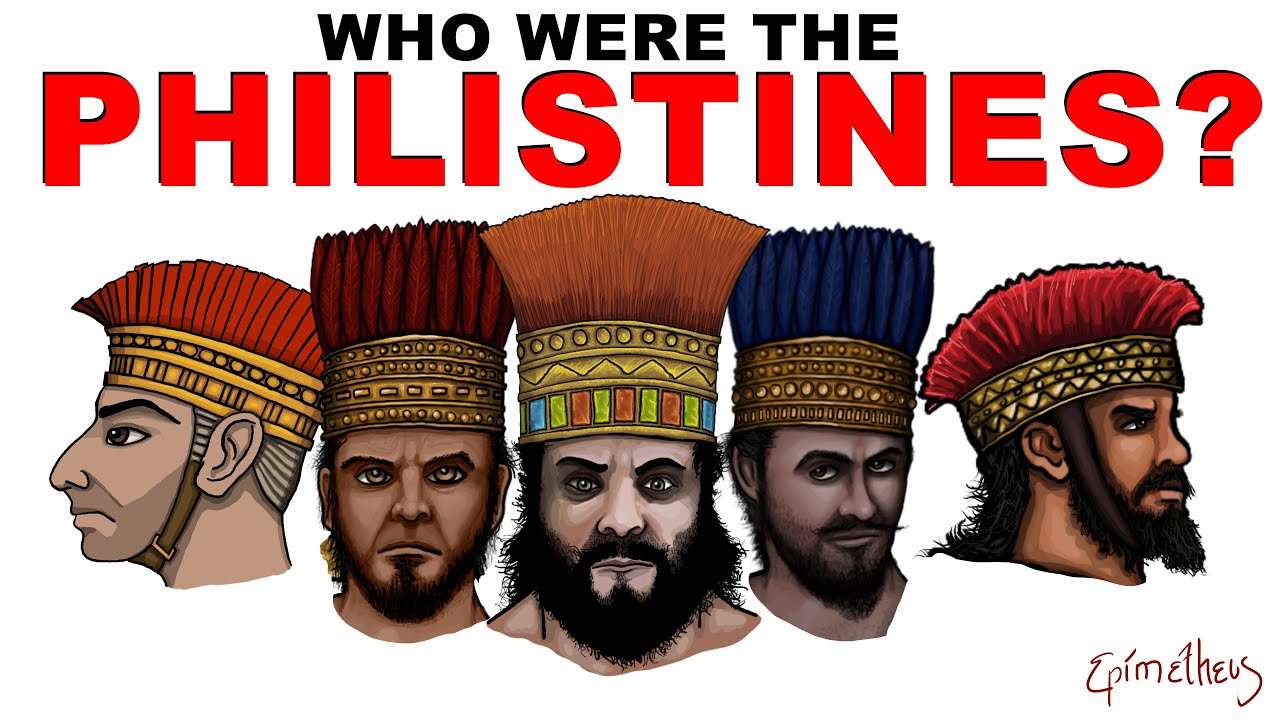
Philistines archaeology and other historical sources indicate that deeon was primarily revered in the Euphrates Valley and that Philistine religion primarily focused on goddesses the fish God label is also Far From Reality centuries of shoddy eological theories morphed a Creator God from the Euphrates Valley into a mythical merman a lot of what we know about Philistine culture comes from archaeology perhaps even what they looked like the footage you saw earlier of these guys in Nifty feathered helmets might be an artistic representation of the Philistines this is my own footage that I shot at the mortuary Temple
of Ramsey III Ramsey battled against a confederation of sea peoples and he commemorated his victory on the walls of his temple one of the tribes he defeated was called the pelet which scholars believe is the Egyptian name for the Philistines I went to this Temple back in 20120 and in my opinion this is the coolest footage I took just because I'm a Bible nerd and it's so cool to see in person the potential War uniform of a Philistine Soldier but I also shot several gigabytes worth of footage that I've been wanting to share for years
so I'm publishing a bonus video about the temple over on nebula nebula is an independent streaming platform owned by us the creators it's an AdFree platform directly supported by nebula subscribers which means we're free to produce content without the constraints of advertising allowing us to make more creative and diverse original content I'm launching my own series on nebula called sacred spaces think of it like an archaeological travel show as a historian of ancient Mediterranean religion I have visited a lot of ancient sites around the region that intersect with the study of Religion really famous sites
like GOC liepe the Dome of the Rock the Pyramids of Giza and also less famous but still very cool sites like the ancient city of anavar in Southeastern turkey where I literally climbed a freaking ladder to get on top of an ancient castle each episode of sacred spaces will focus on a site that I've personally visited over the years and will mostly feature my own footage the first episode about Ramsey I third is already up and you can expect monthly episodes on nebula going forward nebula is home to a ton of exclusive content and we're
talking bigger higher budget Productions that we could not do alone on YouTube one of my favorite creators Tom Nicholas just published his first featurelength documentary called Boomers it's about how the baby boomer generation runs the world and somehow ensured that wealth is disproportionately Flowing to the elderly this is a great example of how nebula elevates independent content creators transforming video essayists into featurelength documentary producers and nebula is Creator owned when you sign up for nebula you're directly supporting us the nebula creators if you sign up using my link