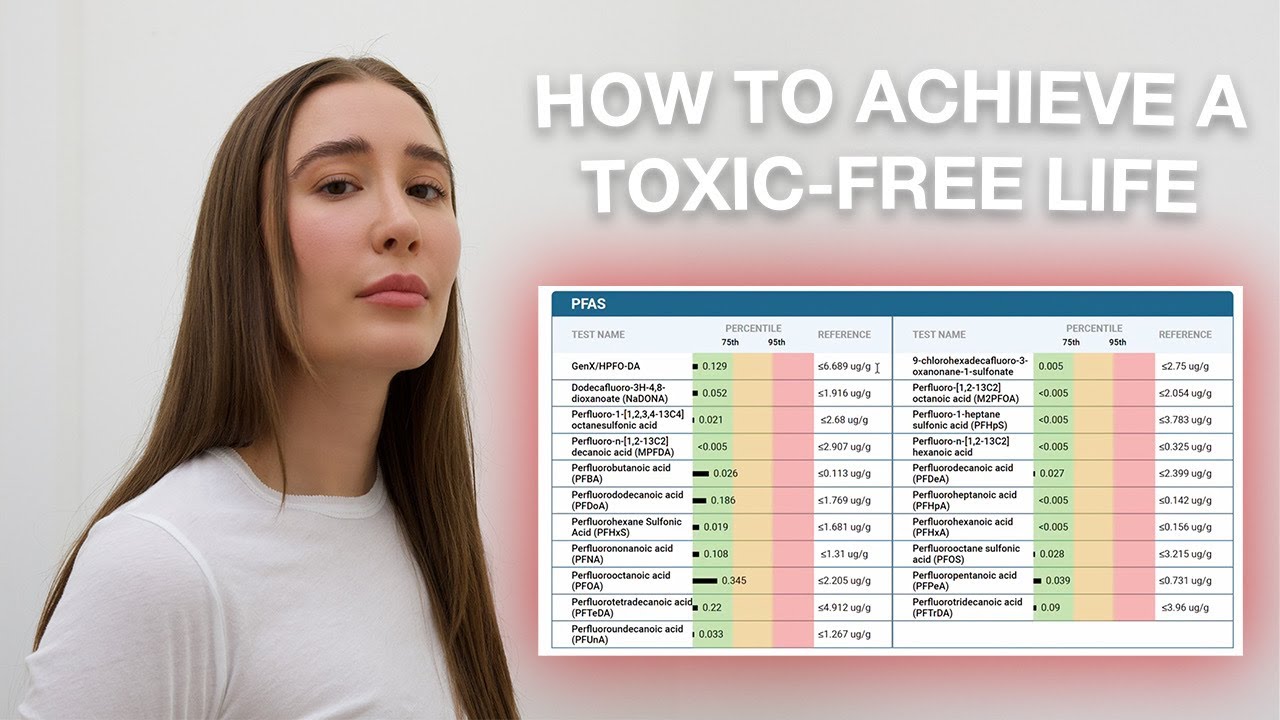
don't have enough glutathione you're done glutathione is known as the master antioxidant most people make enough glutathione glutathione known as the master antioxidant is a vital molecule naturally produced by the body essential for detoxification immune support and protecting cells from oxidative stress Dr Ivon Burkhart a leading toxicologist highlights simple Lifestyle Changes a potent drink and everyday foods that can boost the body's natural glutathione production empowering individuals to strengthen their health and resilience against chronic disease like cancer glutathione it's very simple it's three amino acids we all have it in our bodies the highest levels are
found in the liver and kidney which are the detoxification organs that we have and the third would be our reproductive organs interestingly enough that's how important this molecule is in protecting us it protects not only just life but also being able to reproduce modern lifestyles are resulting in depletion of glutathione our glutathione is being robbed we have built in detoxify a however with that said those detox pathways are definitely getting burdened in a lot of people over taxed to the point where there is excess that the body cannot deal with in those cases increased risk
of diseases like cancer reproductive issues like infertility PCOS endometriosis with all of these extra exposures that our body can't handle we need to increase our capacity to detoxify so what does that mean we have built in detoxification like glut glutathione glutathione is known as the master antioxidant our livers and kidneys make glutathione glutathione molecules detoxify heavy metals they detoxify free radicals chemicals that we're exposed to increasing our ability to make more glutathione through diet and lifestyle most people think hear glutathione and they think ah I should supplement most people make enough glutathione it's just that
our lifestyle robs our cells of the glutathione that we have but you can increase the amount that you make through your diet Lifestyles this video is divided into five parts to help you achieve a healthier longer Life we'll explore what to avoid to naturally boost your body's glutathion production the first thing is toxic avoidance non-stick cookware the heavily fragranced products eating Ultra processed foods not exercising so being stagnant not moving enough all of that reduces your glutathione not sleeping well alcohol absolutely depletes glutathione so avoiding the cigarettes minimizing alcohol consumption our bodies can also recycle
glutathione so I don't want people to think that oh I just got to get more I got to get more well you already have some and you have ways to recycle glutathione too so as long as you're not adding more toxins to your body then that recycling system is functioning optimally that's what we want we don't always need to add more and I think that's the Trap that a lot of people fall into is let me just grab that glutathione supplement and I'm good to go well you're not addressing the root cause the root cause
is your lifestyle and your diet in the previous video Dr Ivon highlighted five products that hinder our body's ability to produce glutathione if you haven't seen it yet it's worth a watch after this one avoiding these toxins is crucial but the next step is just as important adapting your lifestyle to support and enhance the production of glutathion the master antioxidant number one you can exercise exercise increases glutathione it's very simple just exercise move your body exercise is a huge driver of glutathione so what initially when you exercise there's actually a small period of ox ative
stress that happens but this is an Adaptive response this is to stimulate glutathione so there's a little bit of oxidation that happens but it's a good thing and I don't think we necessarily need to turn that off by pumping in a bunch of glutathione I think what we need to do is just allow the body to do what it needs to do which is make more glutathione and that can be after weight training as well as aerobic exercise aerobic and strength training so aerobic and weightbearing exercise have been shown to increase glutathione production in people
basically if you sweat and do sweating then you're increasing your capacity to detoxify environmental chemicals there was a series of studies conducted by one group that showed increased amount of excretion through the sweat of heavy metals persistent organic pollutants like pcbs as well as Organo phosphate pesticides plasticizer chemicals BPA phalates so a lot of these chemicals that we've been speaking about today can be excreted through sweat so even just get mov moving get sweating as much as you can I think that's the key takeaway here Stress Management is key that's one that's going to affect
your overall health but it also has effects rooted with glutathione as well adequate sleep next Dr Ivon burkart shares the importance of drinking water but she also shared one drink that can further enhance your ability to produce glutathione drink a lot of water drinking plenty of water supports glutathione production by aiding the liver's detoxification processes flushing out toxins and reducing the workload on this critical antioxidant proper hydration ensures cells function optimally facilitating the biochemical reactions needed for glutathione synthesis by reducing oxidative stress and promoting efficient waste elimination staying hydrated helps conserve and enhance the body's
natural glutathione levels making it a simple yet powerful step toward Better Health next she discusses about matcha green tea as a healthy alternative drink you want to look for matcha that's been tested because you're consuming the entire Leaf it's important to look for the cleanest matcha you can get but there are so many benefits to matcha like the fact that it helps you increase glutathione is I'm sold but we also want to avoid not adding Dairy to a matcha I know that a lot of people like to drink matcha lattes but there's actually studies showing
that the casine protein can decrease the absorption of some of the beneficial compounds in matcha so if you can drink it the traditional way in Japan is just water no sugar nothing just matcha and water in this final segment Dr Ivon burkart a renowned toxicologist unveils the key foods that can naturally boost your body's ability to produce glutathione glutathione is made out of three amino acids glutamate cysteine and glycine cysteine contains sulfur if you have enough sulfur in your body you can make gluathione sulfur rich foods because glutathione contains cysteine which contains sulfur and sulfur
is the part of the glutathione molecule that's doing the work that's protecting us so the more sulfur you can give your body the more building blocks it has to make glutathione so what foods are rich in Sulfur meat eggs dairy products sulfur Rich vegetables like cruciferous vegetables broccoli cauliflower broccoli Sprouts have a high amount of sulphoraphane this is a very rich source of sulfur broccoli Sprouts you can actually increase the amount of sorane in your broccoli if you add some mustard seed on top that will in increase the amount of sorane but also what I
learned is that broccoli that's been previously frozen will not have the same level of sephor orane because of the enzyme that's required to to create it actually gets denatured when you freeze the broccoli so fresh broccoli cauliflower cabbage the really sulfury vegetables leafy greens that you hear about garlic onions there's even some studies showing that if you consume wheight protein it can help to increase glutathione by supplying the amino acids needed to produce it matcha green tea is also a really good source of glutathione building blocks lots of different ways to increase glutathione through the
diet eating an unprocessed diet as much as you possibly can Whole Foods single ingredient Foods while whole fresh foods are the best source for boosting glutathione production you might wonder what about glutathione supplements here's some expert Insight from Dr Ivon Burkhart liposomal glutathione that is glutathione in whole form but it's encapsulated in a liposome or a type of fat so that it can increase the absorption because our bodies cannot absorb whole glutathione our cells need special Transporters to actually bring glutathione into the cell where it can be active it's ineffective it's inefficient so supplementing with
whole glutathione outside of liposomal form doesn't work other ways can be n acetylcysteine which is a precursor to glutathione but given that some people have a genetic predisposition to having lower enzymatic activity to make glutathione reduced capacity to make glutathione then providing the NAC precursor won't really help either so that's why it's individualized because if you don't have the genetic predisposition to having reduced glutathione capacity then the NAC would work maybe but if you it's it's kind of a tossup that's why it's so highly individualized because the genetic polymorphism can be up to 25% of
the population