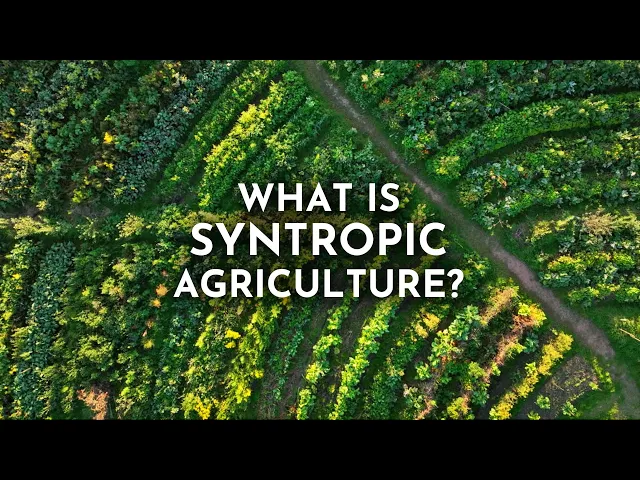
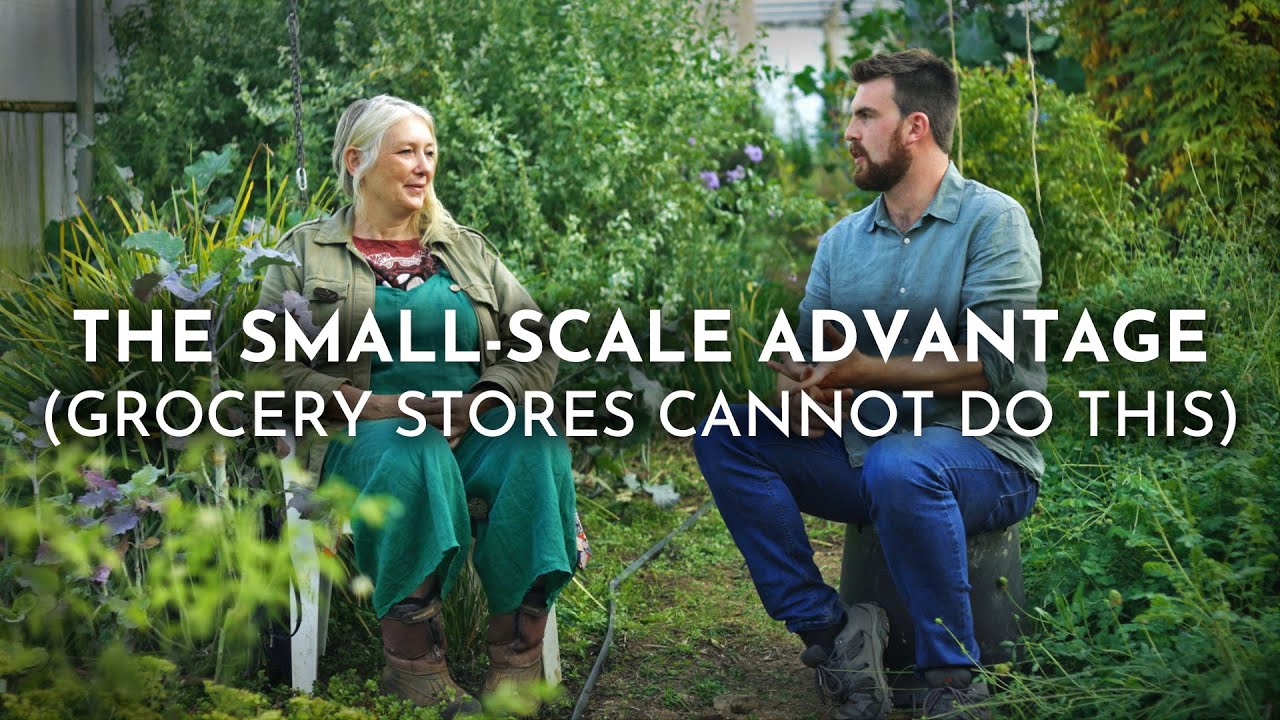
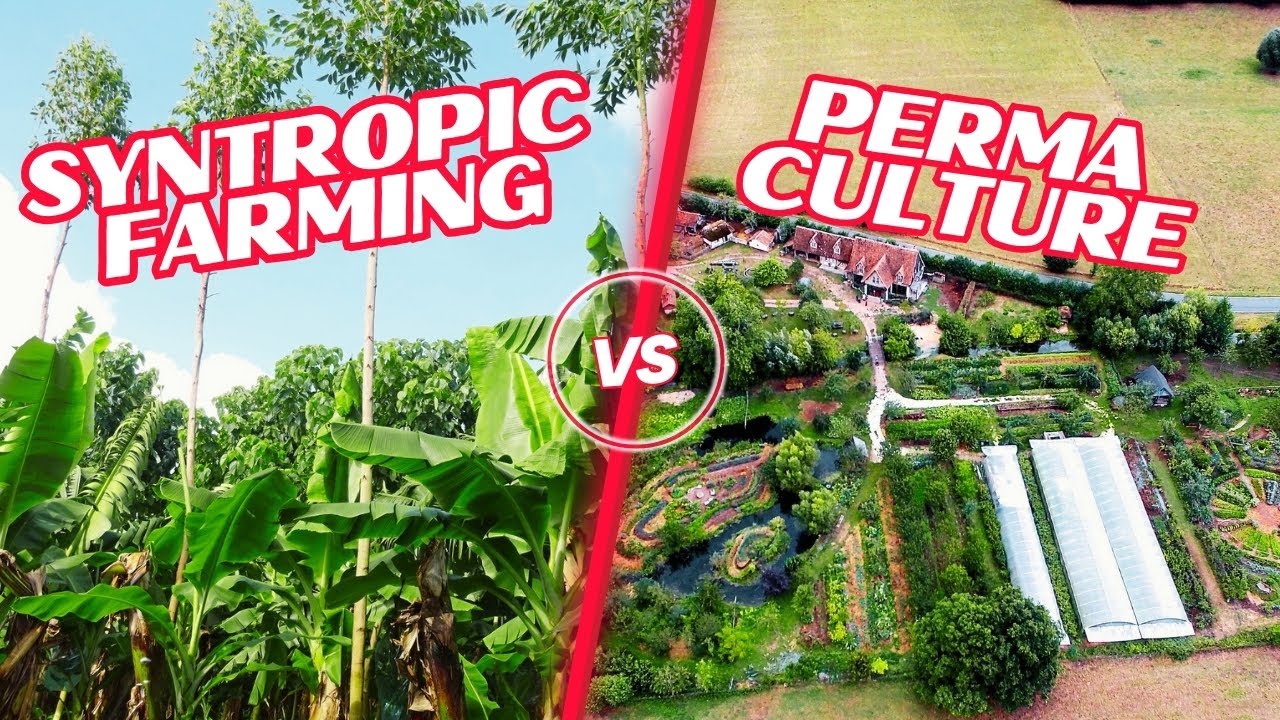
what in Earth is in Tropic Agriculture and how as a new Farm can you use it and still drive and income in the first grin season this is a fascinating extract that I had from a conversation with Joshua Sparks who is a natural farming Pioneer and is doing a lot of Copic agriculture that goes into what is Copic agriculture why he's doing it on Birch farm and also how it then links in to profitability for a farm which is really important if you're setting up a new prodct so enjoy Copic is a it's a form
of agricultural farming that was developed by a chap called Ernest gosh um who is a Swiss chap who who moved to South America he he bought this old um kind of like chocolate Plantation as you do as as you do which was totally dead totally destroyed because it was Heavy chemicals and fertilizers I think the name of the farm when he bought it was land of no water or something or something like that and then through like observing nature and wild and and everything he developed an agroforestry form of syntropic Agriculture which is you know
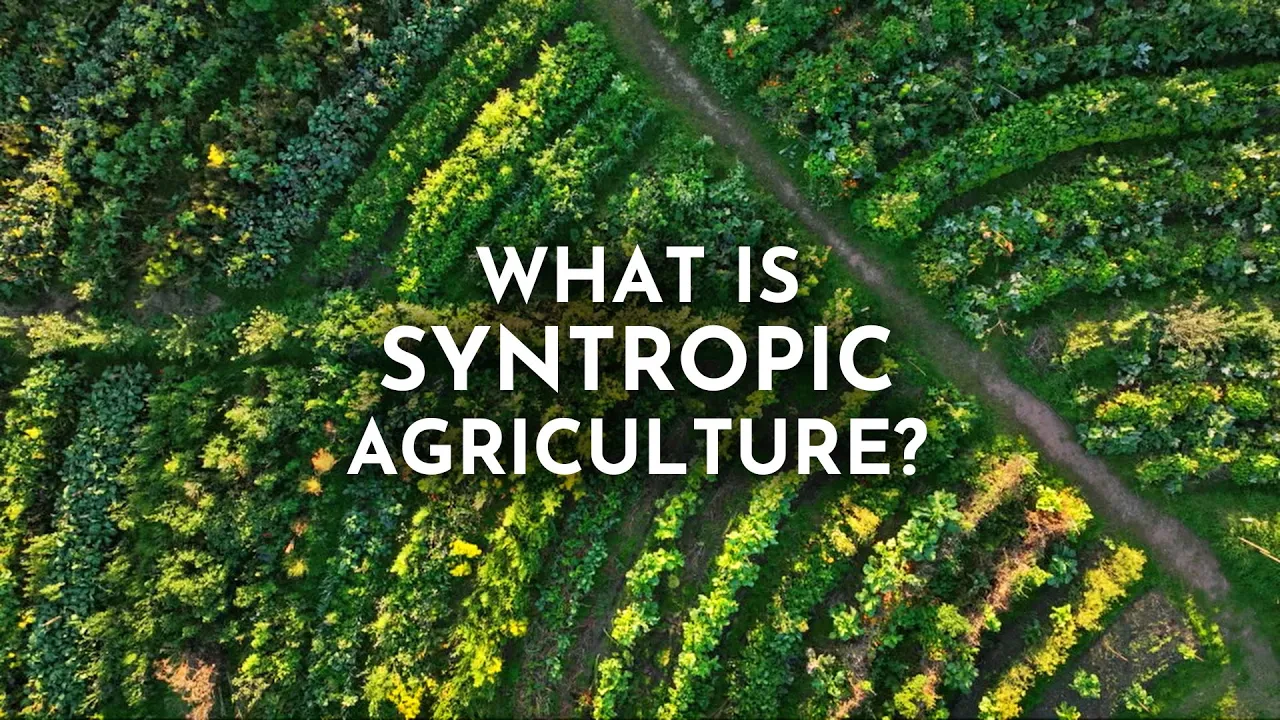
to put it in a nutshell is a competition system you know so we're planting trees of very close density um it's also a heavily pruned system so I think what a lot of people think is oh you put the trees in you leave it it becomes overgrown and unmanaged and it's too big it's not that Copic most of Copic is also the pruning of it in the spring so we prune you know 40 to 60% of a tree out every spring is that like early spring or so it's kind of like end of spring like
mid spring so we call it like may you know so with with the April May with the the new vegetative with the new vegetative growth coming in and so we'll we'll we'll take massive chunks of the trees out prune it up the side we'll prune it up high so it it lets enough light in um this idea of like oh shading out doesn't really exist actually what it is is more protection as the grow we can dictate the shade you know so we could have a Copic system our brasas next to it and we could
be like right we need a bit of shade to help these brasas because even though we're wet in the spring we're also really hot in the summer now and so we want that bit of shade so we can direct how much shade we create or we can take all the sides out and put it full sun again so we we prune it up high and we decide what our shade quantity is all the biomass that we prune gets dropped on the ground and so syntropic is also a way that we can take really bad destroyed
land and turn it back into a fertile farming system because the trees and the biomass that we're producing from that is also building our fertility so we don't have to bring compost in or anything we're making the compost in situ and we're using high density trees to prune out drop material but also to start to build those important like bacterial fungal connections that generate fertility um and it's a very diverse system you know Elder Willow popular Oak Cherry Apple Plum you know we put loads of different plants in um and what about annuals yes of
the first year you know it's kind of called like the center phase and that's our protection phase and so for the first year where everything's quite small we use more annuals so for the first year Definitely Maybe the second year you can add things like kale chard uh potatoes and broad beans as a classic combination cu the potatoes cultivate um and I've noticed especially on the farm potatoes build huge Beetle diversity I think the cover yeah the cover and the dankness and the cultivation of the potato just invokes Beetle WRA almost on the slug and
so you could potatoes build beetles in that first stage so beetles and broad beans we also prune them as well so the broad beans like we do with taking out the tops and this is what I find hilarious like we get these scientific papers on syntropic and pruning and then we realize our grandads and our granddad's grandads we're almost doing this back in the day when we used to like you know top our beans and everything but we know by topping the beans the plant thinks it's being grazed it will send out different kind of
like acids and messages into the ground being like Oh something's eating me let's bulk up a little bit more um and it's the same with the trees by pruning the trees the pre the trees think it's under stress that stress will make it put even more growth on and when we read books like you know the trees will talk and and everything we know those messages get carried through highy and I've seen it firsthand so when I prune the Willow and it's sending those messages out I know the apple and the plum and the Elder
next to it are getting the same messages and they even put even more growth on as well and so it's so societal isn't it yeah so it's it's it's really you know it's it's complicated which I think in this world of efficiency everything must be efficient and easy it kind of gets pushed away um the thing with efficiency though is like it might be efficient in the short term but the the the long term at least to all of these issues that with farming it started off efficient but we're now looking at the repercussions of
that efficient system yeah you know it's it's definit you know what we're doing is putting something in long term and the and the and I think this word of complication and and complicated in business you know it's taking a bad rap it's not complicated in the sense of managing it it's just comp complicated in the way of comprehending complex and it is complex but it's not complicate yeah exactly and so you know it's it's we've we've seen massive success from it you've seen it the trees are three times bigger that are grown isentropic compared to
non Tropic be honest I I I feel like seeing that is is like like the excitement that I have with this what I can do with my land also how other people can like the growth in that small space of time if that doesn't give people hope and excitement I don't I don't know what would well exactly and like we can say so we can take some so say like we want to grow Food Forest so I love food forest and I do think they are a solution for the future we just have to make
them in an agricultural business sense so if I plant my Tropic and I put so Copic is also about cuttings sewing things from seed which sounds ridiculous you know so trees from seed oh I'll be you know in the ground by the time it it doesn't I know firsthand if you sew a tree from seed it will catch up to the Whip and the big tree within for a few years and be stronger for it and so what we do is a lot it's the same with vegetables to be honest like direct sewing totally underrated
everyone's like so keen on the module and but like like my D like tomatoes that just spring up from the ground in a poly tunnel I just leave a few back I had like this insane cherry tomato tree there was the one yeah thing that I let that they they always catch up so what so what we do is so Copic is is you know natural farming in itself I find you know I first went into this like oh you know a set it's not it's more of like a philosophy in yourself like you kind
of have to you kind of have to it's it's your passion and your idea of what you want from natural farming that makes it work and so for us when we plant this in Tropic we don't want to buy in osico pots plastic so so 90% of it we do buy cuttings fruit trees we can't graft uh we don't have the facility so we do buy Bare roots in for fruit trees but nuts fruit bushes everything we do by cuting because it just minimizes that input and it they end up being stronger plants and we're
very windy here so to be honest cuttings work better for us um and so what we do is we do a lot of that and then we also add things called tree nests and so every meter within a Copic row will sew like 40 or 30 different tree species in a little Nest by seed and we'll let that grow as a little microforest and we'll edit that to the things that have done well so that seed Nest could contain Oak Birch uh popler Elder Cornus Mass you know whatever and we'll edit those trees as they
get denser and denser eventually ending up with just the oak tree um and we do that with fruit as well we'll sew we'll sew apple seeds knowing that we'll only get 30% good ones out of that tasting but we're happy to take those rests out and keep those 30% but we get we get a lot better and stronger trees so Copic is also about like minimizing your inputs your plastic you know trying to help the environment as much as possible as well um and when we grow Food Forest for example if we do it as
a syntropic idea so if we think right I want my food for us to look like this 20 years time and so you put those trees in that you want to be there in 20 years then the spaces in between we can add the copies we can add the Willows and the populars we could add raspberries for fruiting for the first two years we start to get money in the first couple years and then we could turn that into another fruit that we can Harvest knowing that one day they'll all disappear because a forest will
begin to develop but we can we can use C Tropic to create a profit every single year by putting in different crop so first year potato and beans brilliant second year raspberries brilliant third year you know we may start to get things like Elder flowers and berries you know year 10 we're starting to get our first nuts and so we we can add it and eventually those Willows and popular will even be cut down shaded out and gone uh and we'll end up with the forest that we had our kind of like vision for 20
years prior um but it just frees you up a lot more and from a business point of view it it allows you to have that agroforestry and habitat and natural farming while also using it to generate some kind of income in the first few difficult years basically that it takes for the trees to get up click here to watch the full video podcast with Joshua Sparks you go through so many interesting things and it's also available on Apple podcasts and Spotify