We get our candidates on a phone block. They're making prospecting calls in our job shadow. That gets them in the seat knowing, hey, we make outbound prospecting calls every single day and it's not going away.
I'm very big on you got to be in the trenches with your team. Your team has to have confidence in you. It's hard to lead a team.
I want the team to know that I'm not going to ask him to do something that I wouldn't do myself. [Music] You're listening to the revenue vault where relentless sales leaders build unstoppable revenue engines. Hey, I'm Mark and CEO of Benley Consulting.
We're here to skip the theory and deliver real systems that separate growth machines from the rest. This show aims to help CRO's, VPs, and GTM professionals who exceed quotas and engineer performance at scale. We ditch the platitudes for pipeline velocity and resultsdriven strategies.
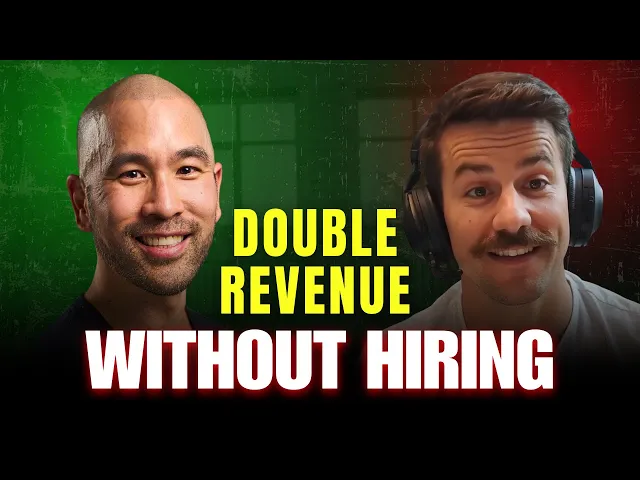
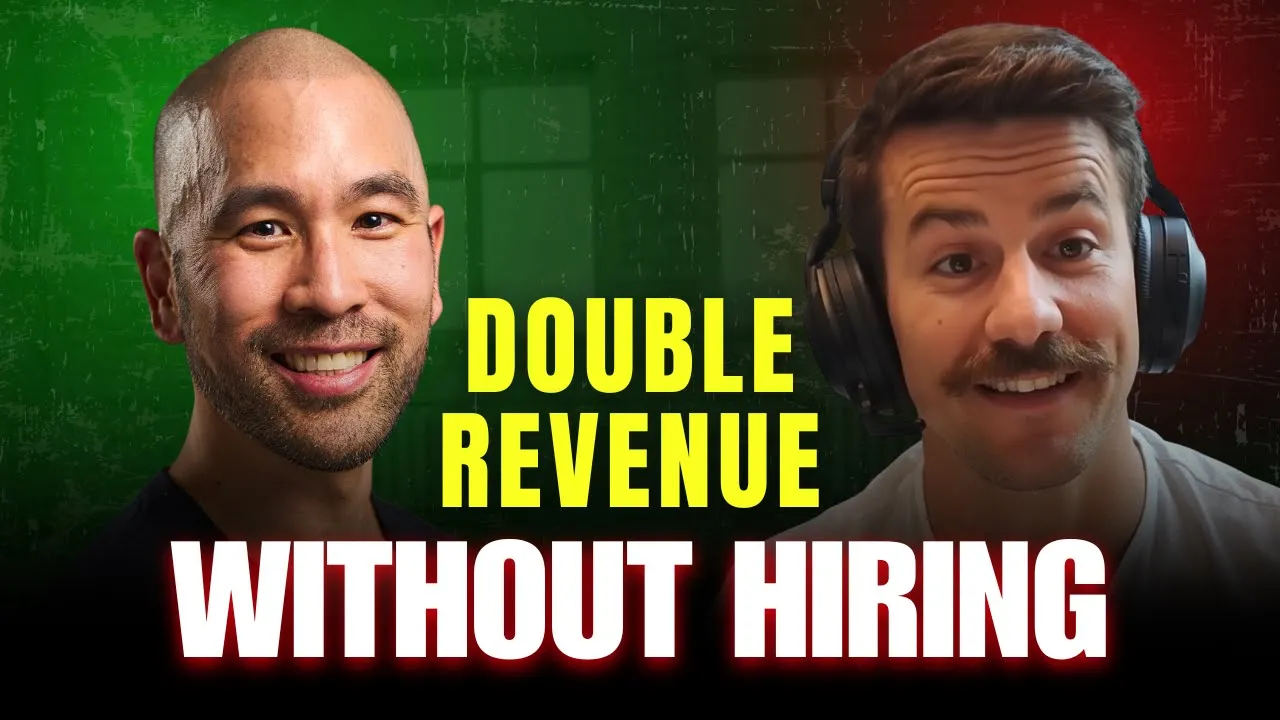
Joining me today is Brandon Jones, VP of sales at PEC Northwest, who scaled his 40 person sales or while maintain their high performance culture. Brandon built a two- manager structure for new hires and recently implemented specialized enabled and compressed ramp time. Today we also dissect Bran's controversial higher slow approach that puts candidates on live prospering calls during job shadows.
His diagnostic framework for identifying person versus process versus structure issues and his strategy for doubling revenue without adding headcount by improving conversion rates. Let's go ahead and dive right in. So Brand, what's something your peers often underestimate about us building a scalable sales or >> that that's a great question and I would say that that that building a scalable sales or is actually what we're most challenged with today and I think and and I would say that the the main reason is we've got what we consider a high performance sales team but we've also got what we consider a high performance culture and I think for us trying to scale those two things at the same time has been has been really tough you We want to uh we want to take exactly what we have today and we want to magnify it.
And we talk about this a lot where when our business was 10 15 people, it was an amazing place to work. We were we were all synced up. We didn't have to have meetings.
We could tap each other on the shoulder. Our performance was high. Our culture was high.
As we've grown that substantially over the last 10 12 years, at least when while I've been here, it's gotten better, right? It's magnified. And that creates a pretty unique challenge to try and magnify the amazing things that we that we have today while growing our team to reach these these goals has been tough.
And so um for us, you know, it comes down to, you know, hire slow and really do our diligence um throughout the hiring process. You know, I I tell every candidate that I meet with that this is a it's very specifically this is a two-way street, right? I have to feel I in our business have to feel really comfortable about someone coming on board and having success right away.
And we need to be able to see that that's going to come to fruition. But we also need them to see it for themselves. And if we don't have both of those things, we're not going where we need to go and it doesn't make sense to to move forward.
And so I don't know if other people underestimate that or not, but we hire slow. And I get the feedback all the time that we're not moving quick enough. And uh maybe I need to change that, but we're really focused on magnifying what we have.
We want to grow it, but we want to maintain this culture that we've got at the same time. >> So, here's what I think is really cool, Brandon, because, you know, I've worked closely with you and your team in the past, and it's really cool to see the evolution over time, right? And I got to see you get promoted to your role and taking the team to a whole new level.
So, I got to experience that culture firsthand and how invested you are and other leaders are in like that culture and the team. It's you don't treat people like it's it's a one-way street. You for sure treat it's a two-way street, which it's amazing to see.
and you're in a unique situation where it's like and you're spot on when you have a great or it's high performing like when you're like let's call it the Kobe Bryant and you try to get better performance that's hard that's actually like to get like incrementally better is actually so much harder versus if it's the worst team and you just make it a little better and you're like a hero if you will right and you mentioned you know hire slow you didn't say the common thing which is just hire slow fire fast which that's it's totally fine in terms of hiring slow have you seen is any part of the hiring process or things you've seen been been really effective for you to vet out more ideal clients for your team. >> Yeah, something that we've something that we've done and and I can't take credit for this actually a couple of our sales managers have implemented this, but we get our we get our uh our candidates on a phone block. They are on a phone block connected in through Oram and they're making prospecting calls in our job shadow and that's that's on purpose.
That gets them uh that gets them in the seat knowing, hey, we make we make outbound prospecting calls every single day and it's not going away. Yes, we hired a BDR team and we brought them on. That is going to add fuel to the fire.
It's not going to supplant the fact that our team has to originate. We have to go out and find the business we're going to find and we're going to work on. Uh we got to originate every day.
And so, yeah, credit to credit to one of our sales managers for saying, "Hey, I want to get I want to get people on the phone in the job shadow. I want to see how they do. " So that's that's been really cool.
And then yeah, just going through the going through the motions of saying this is what it really looks like. And then we always ask candidates, hey, what tell me about the gaps that you're going to have now that you've seen this job. Like what are they?
Let's work through that. Let's figure out if that's an issue or not because again, it's not good for anybody if someone comes on board and and it's not the right fit. And realistically, it's worse for the team member who came on board than it is for the organization that brought them on.
Right. We're going to be okay. You're right.
>> We can't do that over and over again. We're not going to get where we want to go. But man, it's tough when when we collectively made a mistake to bring someone on board, >> you know?
I love like that's very collaborative approach, right? Which I think is great. I think a lot of companies do the opposite.
Okay, we're here. We're going to give you the job so that you treat it as such. But when you're like evening out, I think it's powerful.
And um and I love the piece of bringing them in for the phone blocks, right? Which is absolutely vital. Now, are they coming in for the whole day or just a phone block session?
Typically, >> it's generally a two or three hour session total. And about a about a half an hour, maybe 45 minutes of that is is getting on the phone. >> Cool.
Yeah. I love that. I love that.
One thing that we did for years, right, is we and this might not help you is we actually have do a full day. >> Oh yeah. >> And the reason the reason was this, right?
So we typically would do it on a day that we would have a team meeting, right? So you just call us a team meeting on a Monday. So team can come and see the culture of the team and the vibe, right?
Just feel it out. They I put them on a spot to have them introduce themselves, kind of see how they act on the spot, right? Then they go into the bullpen, if you will.
They go through the phone block. They're dialing. They're listening in so you can kind of see them live and how they're they're handling that level of pressure and what the job is really like.
And then they're actually on appointments after like literally in the field, right, with reps. >> So that way they could see a full day what that looks like. So I always made sure whoever they went with had a stacked day.
So they could see like what does that day look like from 7:00 a. m. to 5:00 p.
m. And then I I'll actually huddle with the rep at the end of the day. So then this way I can say, "Hey, what what do you think?
How were they? What questions they ask? " And you learn.
so much from that field day, you know, as part of now there's certain things we had to do to make sure it worked out okay like we had HR on the back end help set it up so you know they filled an I9 out they got paid for the day etc like almost like a temp employee but they they got to see firsthand exactly what it was so we got set the right expectation and we filled out a lot of candidates because of that because they were like self- select they're like this is too hard I can't handle this >> what I thought it was yeah >> yeah they thought this easily coached and we had a high performance team I'm like if you can't run with us, you can't stay with us, right? So, that's something that might be useful, right? So, >> no, I love that.
Thank you. I'm going to chew on that. Absolutely.
>> Yeah. Plant that seed, try it out. Highly recommend it.
So, um, in terms of, you know, beliefs, right? What's maybe one belief you hold about leading a sales or that you think most probably disagree with? >> I love this.
I don't know if most people disagree with this or not, but I'm I'm very big on you got to be in the trenches with your team. I know that you're big on this too, but you know, from I think a sales leader, you have to be able to your team has to have confidence in you. And if if that's not there, if you don't have the confidence and you don't have the confidence, it's hard to lead a team.
That that's what I found. And I I I want to be in the trenches. I want to be close to the business so that I so that I I have that insight and I want the team to know that I'm not going to ask them to do something that I wouldn't do myself.
Right? We've our here at PEC as we've grown, we've said, "Hey, what we need to do is we need to divide and conquer. " That doesn't mean that I wouldn't want to make 250 phone calls a day.
I do and I would. But we got to divide and conquer to reach our goals. And so, how do we set up systems to where people are playing to their strengths and we're enabling our sales team to do as much as possible?
Yeah. You got to get in the trenches with them. You know, we >> I love I love that so much from the front.
Yeah. Because I think a lot of people like they say the words, right? But they don't know what that looks like.
So like, so I'm take I want you take off your VP hat for a second and go back to when you're with the frontline sales leader, right? Your managers direct sales team. What does your typical week look like when you're leading from the front when you're in the trenches?
>> Yeah. Yeah. So most of our sales process happens virtually, right?
The majority of our meetings are virtual. We do go on site um and we do travel to to facilities. At some point we have to do that.
But most of our opportunity most of our sales process is virtual. And so for me as a frontline sales manager when I first took over the team I went from an individual contributor on that team with them to then managing them. I said hey I will join every single call.
Every single opportunity you have. I will join it. You let me know where you want me to be when you want me to be.
You want you let me know what role you want me to play. If that's you want me to lead the call soup to nuts. I will do it.
But at some point, I'm going to pass that ball back to you and I'm going to want you to run that call. But hey, if it's if it's this is a new opportunity, I don't know how to get navigate it or this customer is interested in financing. I've never talked through that.
Can you handle that? Can you come on and be the finance expert? Or I'm having a hard time running an effective, we call them EAM, which would be our our deep dive or our discovery call.
Uh hey, can you can you model this for me? I want to like can you lead this call or you have more experience in this industry, would you lead this call? Right?
Uh I I told my team, hey, I I I will join every single call. I am here to to run this process with you. We're going to get better together.
And at some point after modeling it, after training it, I'm going to give it back to you and I am going to expect that you're able to do it. But I'm not going to do that until I've given you the tools and I've modeled it for you. And that that was awesome.
I think that built a lot of a lot of trust and rapport with with our team. And and we did get a lot better just from that process. I got a lot better, right?
And I went from having 8 to 10 meetings myself to having 20 plus meetings every single week. And so the number of repetitions I was getting went up dramatically. And so all of a sudden my skills elevated that that's what I did early on.
>> Well, what love is like and hopefully people the listeners that are watching this is like >> you you're talking about being on 20 plus sales calls, right? Which is not that's not an easy feat to do, right? To like to be I mean you're literally in the trenches.
You're on the calls with them. You're able to see like where the gaps are. Are you able to listen to the market?
Like you're able to help coach and guide them. And that's really really powerful. And I think a lot of leaders, they forget how important that is and they become like armchair quarterbacks where they kind of sit behind their laptops and they don't join calls.
They don't listen in. They don't see the gaps and they wonder why the team's underperforming. >> Like when you see it firsthand, you're like, "Oh, I see I see why Marcus is struggling.
" Like he's running a terrible discovery call. Like he just gets on and starts pitching them. That's why it's it's going nowhere.
You could see it live. I think it's that's really really powerful. Now going back to building your scalable org, right?
So typically what I see like you guys are high performing organization, you're trying to scale to the next level. You're hiring people. You're growing the org.
And I usually see like there's like drop offs in the in the scaling part is either like they can't like it's like they struggle getting the right people up front or maybe they get the right they get people in but then ramp time is slow, you know, to to get performing. It takes forever or they just don't make it. They basically like their 12 month survival rate is kind of low.
they just don't make it all the way through or beyond. So, where do you kind of see potentially as when you look at your whole org where you're like, "Okay, this is where we're kind of struggling right now. We're trying to work to figure out and solve.
" >> Yeah, great question. It's definitely training and ramp up uh without a doubt. You know, I think we've done a pretty good job.
We've done a good job identifying excellent people and bringing them on board. We've we have struggled. I mean, since I'd say since the dawn of time at PC, we've struggled to give people the tools and the training and the development and the and the mentorship that they need to ramp really quickly and make sure that they're pointed in the right direction to build early momentum.
That that's consistently a challenge. And and what we've done recently, you know, we've we've recently overhauled our sales or as you know. Uh one of the one of the main things we focused on is is putting someone into a role who is who is a sales trainer, right?
He's a sales development manager and and his job is to give mentorship, give coaching and bring people through that first year because >> it's the toughest part and it's where we fail our team most often is getting them at what they need to be successful because we get these I mean even before I was a frontline sales manager we brought on all these excellent people. I mean I can't I mean all of our top performers today they all came on when we had essentially no management, no leadership. I shouldn't say that.
We had leadership. We had some management. We just did not have enough of it.
And so we brought excellent team members on. I mean, high performing team members that are crushing it today. And they struggled.
And I remember thinking, "This is not going to work. These guys are excellent, but we can't get them the success that they need. Like, we need to shake it up.
" And that was the first time we shook up our our sales or that was the first time as a business we were like, "This is not going to work for scale. We got to change it. " And that's when we dropped in uh frontline sales managers like myself, like my colleague Clark to go and say, "Okay, let's these guys are excellent.
We got to give them what they need. They need to have success or none of this is going to work. " And um and so trying to structure that in a scalable way today is still a challenge.
And we now have a person focused on that who supports those team members who are also supported by a frontline sales manager at the same time. So today we've doubled down. We said you get two sales managers and one of them is really going to help you through training and development.
The other one's going to point you in the right direction, hold you accountable, do performance management and be there to mentor you as well. >> I love that. Right.
This speaks to the culture at your company, right? In which they're investing into real resources, right? To be able to have a structure for success because you know now you can't hide, you can't just have unicorn reps.
You need to have like systems. So you put in frontline sales leaders to have better management accountability. you bring in an enablement trainer, right, to help with some of the onboarding, right?
And really the the ongoing and what I'll say is because the next phase in journey, most people have not realized this is like the enablement person is great, but what has to be put in place is there has to be a really clear onboarding training plan. Like literally z day 0, day 90, what's that look like exactly from developers, but every single day, what does that look like? What are the milestones to get to that next level?
And then even beyond that, what's that look like from a, you know, a weekly perspective from what the frontline sales manager does? But then on top of that, what a lot of people will miss is then you also need a back-end program to take those people in and develop them to the next level, which is how we do future leaders. When Brandon gets promoted, when Clark gets promoted, do we have a way to develop that talent to take over as a frontline sales?
Because remember you I think you instinctually had some great instinct to kind of stay in the trenches. Some don't have that. like they just they become like a super rep and they don't necessarily train the team, right?
So, it's cool that you're already observing some of these uh future things you got to work on, right? As you're kind of working through the onboarding, this is a challenge I think many teams run into, right? What are some other things you guys are doing right now to try to improve and uh I always call speed to first deal, if you will, or speed to result to to increase that ramp or increase the speed to result for the new hires.
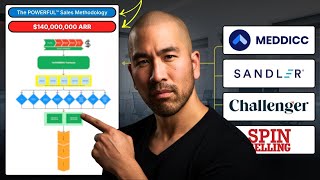
>> Yeah. You know, we've gotten really intentional about our sales process and our sales playbook. You know, we've really over the last couple of months, we've formuli formulated uh a real full 180 page sales process playbook that that is meant to be able to provide to someone and say, "Hey, here's here's everything condensed down.
We're going to work through this. Uh and when we do, we're going to get you to where you need to go faster. " So, that's certainly been one thing.
You know I think it's not super scalable but everybody talks about pipeline like hey you got to build pipeline and of course that's like of course you have to build pipeline can't do anything the pipeline has to be the right stuff or else it's all for not you know and so early success happens from identifying who to meet with and why you know as a business our opportunity is enormous I mean it's somewhat endless right we we have this culture of no territories you know we want to give people this unlimited opportunity to go out and create the success that they want to create. The drawback is that >> you can spin your wheels on just the wrong stuff. And if you do, it puts you behind.
We also at the same time we have a longer sales cycle. And so if your initial targets, you know, the filtering you did and who you selected to to meet with and then ran through the sales process, if they weren't the right businesses, if we couldn't see from the start how we were going to get them to close one, we we spun our wheels for a really long time. And so a lot of it and and again, you know, I preface this by saying it's not that scalable, but really taking the extra time to go, hey, are you calling on the right people?
Is your are the calls to action of how we're going to get them into the pipeline? Will those work? And because once we do, if we draw the right businesses into the into our pipeline based on our specific targets, we have a pretty good probability of running them all the way through the process and and having a really strong opportunity to potentially turn those into close one.
And man, that momentum, you get a little bit of momentum with a new person and you're like, "All right, let's go. " That's uh, you know, it's crucial. >> I I love that.
So, in in that same vein, right, when someone's maybe not performing at your level, how do you determine if it's is it like a person issue? Is it a process issue? Is it like a structure issue?
How do you determine that? >> Yeah, I would say I would default to structure issue most likely. Um, and that's, you know, that's probably because structure and >> process and has been have been our growing pains lately.
And so that's where my head's been at most recently. I would say typically what we're doing at it, we have a pretty small sales board. So myself, uh, Clark, our sales director, and then the sales managers, we're just we're in tune with how our team is performing and we're, you know, we're generally evaluating it's all a one by one scenario, right?
there are if we have some underperformance typically we can start to pinpoint where it's like why right and and I would say a lot of times it is it's the quality of what went into the pipeline at the very beginning you know but sometimes it might be activity right or uh or it might be structure right we might not be there supporting that team member when they need it uh and we accidentally let them drop the ball when we could have been there when they dropped it to help them pick it back up so it's a myriad of different reasons And I'd say as a, you know, small mediumsiz business, we've got the luxury to be able to evaluate that holistically and go, "Okay, what what does this person need? They're amazing, but they don't have the results that that we think they should have. What do we got to do?
" And then we start to really dig in and go, "Okay, did we give them this? Do we do this? How do they do, you know, what are we doing here?
How's this working? Do we have enough accountability? " Whatever the case may be.
>> Well, I think what's cool is um as you're working through that process is it's not a one-sizefits-all world. I think a unfortunately a lot of leaders say, "Oh, you're not performing. " Well, you need to make more calls, you send more emails.
So, you're focused on diagnosing, really seeking to understand like what's the true root cause. Is it accountability? Do we trade it properly?
Is it a target? You're looking to solve, hey, what's the root cause? So, then we can focus on solving it, which I absolutely love.
So, let's just say for example, the CEO taps you on his shoulder says, "Brandon, I want you to double revenue the next 12 months, okay? But don't hire any more people. You just hired you just hired five new BDRs.
That's it. No more. You don't have to hire anymore.
What would you have to change in order to double revenue? >> Oh man. Well, wouldn't the answer be that I would have already changed that?
>> True. Sometimes the question gets you to think differently. >> No, of course.
Of course. Um, you know, this might be this might sound a little candid. it.
This is what I believe though our right now if we if we just improved our conversion ratio from proposal delivered and and I guess we could take the whole the whole sales process but if even if we just took from proposal delivered to close one if we can increase that conversion ratio we have no additional deals we've worked we have no additional conversations maybe we do maybe we don't but we're not doing more work than we've already done but we're generating more results and so the easiest way to go from where we're at day to double is to improve that conversion ratio. If that was as easy as just waving the magic wand and changing the conversion ratio, we would do it. Uh but that comes back to the work that we've done lately in really documenting and processing out what's our sales process, how does it work, what do we do, and where, you know, we've we've made a lot of changes recently that that we think will hopefully reap the benefits of of seeing a conversion ratio increase.
Uh, and that'll get us a long ways. From there, it'd be going back into earlier in the pipeline and really going, "Hey, are we did we target the right people when we did our outreach once we got them into the pipeline? Did we qualify and disqualify them the very best we could?
" If we can do those two things and then we can increase our conversion ratio, we could double our number uh without changing anything. We're >> Well, see, what what I love about that is it's it's actually a very simple answer, right? Depending how you want to look at it, right?
It's obviously not easy, right? But it's actually simple you know it's like if we can and it's interesting a lot of times people try to drive more pipeline but it's like that actually increases your cost to acquire a customer if you increase that conversion discover the proposal to close I mean you lower your cost to acquire a customer actually and you actually generate more profitability more more revenue as a result so which I love that now for you you know you've been in the role now for uh almost a year as a new sales VP newish sales VP was maybe one decision that you made early on then now you're like ooh let's create some nice unexpected upside for you. >> H this that's a tough one Marcus you know I would say what I'm working on that I think would will create some of that upside is really trying to understand where my strengths are and where my weaknesses are and where the team that I work with where their strengths are.
And I think so far we've done a pretty good job of aligning strengths with the activities that we're doing. you know, we've we are luckily we're lucky that we have such great sales leadership. We need to make sure that we're not duplicating efforts and that we are leveraging our strengths to to to grow our to grow into the future.
I think we've done some of that so far and it's helped. I think we need to continue down that path and luckily we have such we have we have an incredible team of people and so um we're capable. Uh we just got to keep making traction.
Yeah. Well, I like that a lot because um this focuses on that level of self-awareness that some people don't focus on, right? And learning to understand your own like you know where you are and your skills and your strengths, your weaknesses helps you become a better leader across the board, right?
Like it's just like it's one of those things where it's like it may seem fluffy, but it's so true. Like we may not realize as leaders we're doing certain things actually hold our team back and that's very very powerful. What's maybe one very tactical move you borrowed or stole from another company leader that you still use to this day?
>> Well, Marcus, we got some pretty good training from you. Um, and there's a lot of really strong tactics in the training that we learned from you and we definitely use quite a bit of it today. You know, I what I would point to is some of our some of our outbound call scripts.
you know, they are modeled >> they are modeled in the framework that that you outline in sixf figureure sales and through the sales accelerator process that we went through with you and we certainly certainly stole a lot of love that >> good little shout from me I love that appreciate you man so now for you what advice would you give a new VP that's taking over a team that maybe has inconsistent results you know there you know you you took over a team you grew up within the rank which is amazing but maybe it's a new VP taking over a different team that's not their team. What what advice would you give them? >> Yeah, all I know is what is what I have from my experience.
And so I I would say get get in the trenches, you know, connect with those people and really try to figure out what they're where they're, you know, where they're running into their challenges and and do it with them, right? know the value propositions, understand what where you're meeting your customers, and really start putting that puzzle piece together to go, hey, if I we bring the right targets in, how will they get from where they are today to the ultimate result we want, which is to sell them our solution and create an amazing impact. I you're not going to do that from the desktop, right?
You know, I think there's data and analyzing the numbers is going to lead to some really amazing conclusions and I know and and I'm certain that there's value there. I that's not I have not had that experience yet. Um I'm sure I will into the future, but my experience today is get it get out there with your team uh and and lead from the front and then build the credibility with them.
Show them that you're capable and competent and then show them how you how you would want them to run the process and then make sure they're doing it. >> You know, I love that so much, right? I know I know you you haven't personally have done that, but your instincts are so spot on, right?
Cuz you do the same. So, what's really I think fascinating is a lot of time when someone takes over a high performing team, they're already on, they don't actually don't do that. They're like, "I think I already know.
" You know, they kind of just make some assumptions and they kind of arm your quarterback, but you're like, "I'm going to get in the trenches, you know, which is it gives you really, really rich insight. " And if it was an underperformed, it's the same thing, you know, where you're getting into the weeds. You're really uncovering and seeing what the challenges are.
So, you know, like what are the real gaps? Do we have maybe is a product market fit issue? Do we have a messaging issue?
Do we have the wrong people? Do we people in the right roles? Like, you're able to really see everything.
It's like um in Steven CBY's uh seven habits highly effective people that one of the key habits is seek to understand. That's really what extend to you seek to understand first and then you can determine when you have all the facts what's going to be my focus and priority over the next 3 to 6 months to help have the greatest impact. So, uh incredible interview.
You shared a lot of great nuggets here. If people want to learn more about PEC, learn about you, they want to come work for you because you're a tremendous leader, uh where can they find you, learn more about you and the company? Yeah, pet peecnw.
com is our website. We've got a lot of awesome stuff there. Shout out to our marketing team who's done an outstanding job with our website.
Uh, and then LinkedIn, of course, I'm pretty active on LinkedIn. Not as active as you are, Marcus, but I'm on there. And yeah, you know, on that note, one of the things that will hold us back and has held us back is we need high performing team members to help us grow.
We're going to develop the team that we have. We're going to pour resources into into the people who are on our team. we're going to help them grow and have greater and greater success.
But to meet our our business growth goals, we need to bring people onto our team that want to do that with us as well. So, if you're a salesperson out there and you're looking to potentially find a new opportunity, I'd love to chat with you. >> Beautiful.
That's a wrap on this episode of the Revenue Vault. Now, if you got value, here's your next step. Go to venleycons consulting.
com/team to get a free performance scan of your sales or we'll help you with the diagnosing so you can figure out exactly your deals are stolen and how to actually fix it. Now, this episode gave even one insight worth sharing. Send to a sales leader you respect.
Hey, I'm Marcus Shen. Thanks for joining us in the vault.