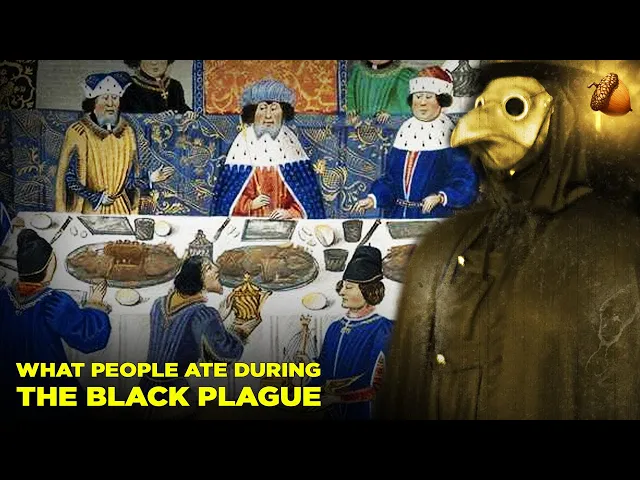
famine 100 years of war and a plague that almost killed off the entire continent the dark ages could not have been any darker for europe than the 14th century have you ever wondered how they managed to keep food on their plates despite everything today at nutty history let's find out what people ate to combat the deadly plague called the black death 14th century europe was perhaps as medieval as it can be the feudal system had the whole continent in its grasp and while lords and nobles enjoyed luxurious lives and delicious dishes the peasants who grew
the food lived miserably wages were low the lands were concentrated in the hands of the aristocracy and nobody was going to change this system the masses were subject to rich were rich or were poor and that was the way of medieval european life thanks to this social hierarchy common people were paying for the food that they grew themselves but the advent of the black death was a game changer not only for the mortality rates of the population but also for the system wherever the plague's cold dead hands touched the population fell drastically and with it
the supply of food went down as well many villages became ghost towns as most of their residents died or abandoned them all the fertile land that was claimed by humanity once again returned to the wild before the black death europe followed an intensive arable agriculture farming technique essentially it means that small pieces of land were farmed intensively to produce crops but as europe rapidly lost half of its population to the plague the equation changed now there was an abundance of land and not enough labor serfs also figured out that the demand for the workforce was
more than the supply and they knew with half the population dead this wasn't going to change soon peasants were in the commanding position to set terms with the needy lords who were having no better luck at surviving the plague the black plague did not discriminate at all as the conflict between peasants and lords grew agriculture further went down in production while a good chunk of the nobility gave into peasants demands and compromised profits to pay higher wages others remodel their lands for different purposes but some found a new method of food production without paying for
too many men there was a lot of unattended cattle and lots of land growing unattended grass and weeds some nobility found it a perfect match and instead of hiring lots of farmers they invested in a few herders to take care of the cattle this is how meat won the food battle against the grains by the end of the 14th century there were 60 percent more sheep in england than there had been at the start of the century whole grain harvest merely recovered their pre-black death numbers at the end of the century but obviously that didn't
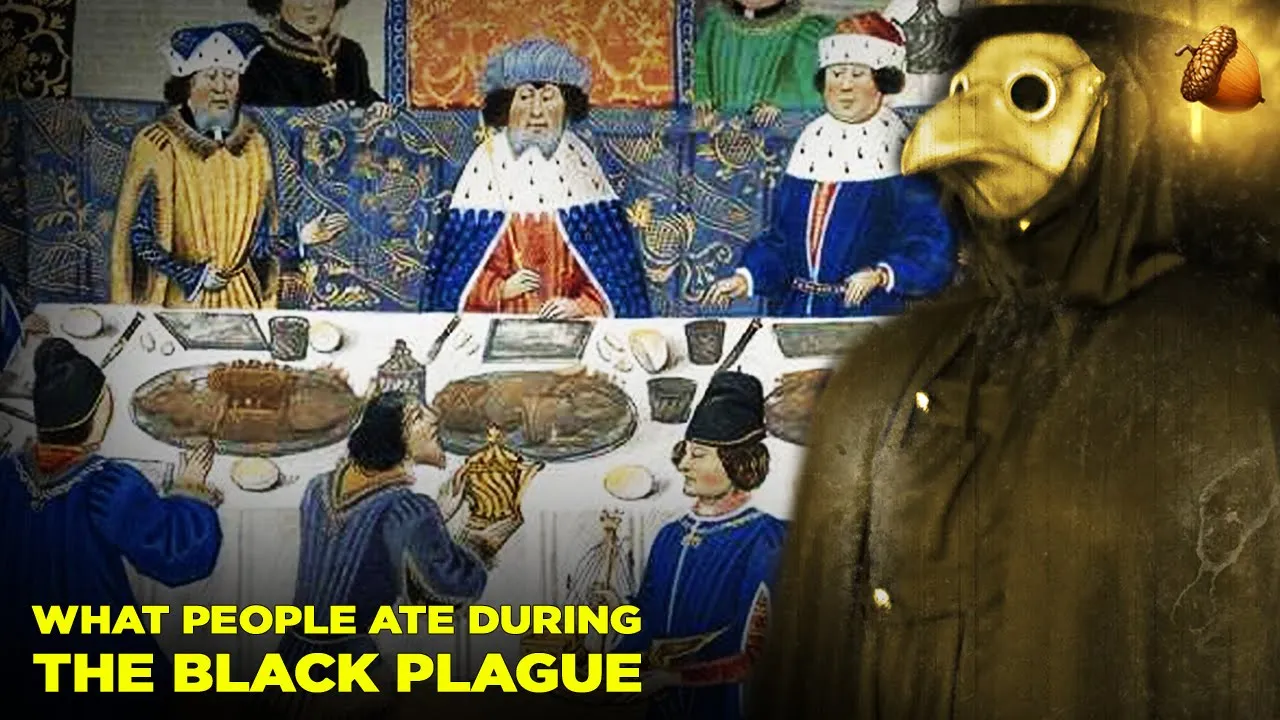
happen overnight during the plague's peak many lords and nobles and knights experienced craving and starvation for the first time in their lives and though most of the common population continue to dive hunger at an alarming pace some lucky peasants got to feast on the food they could only dream of before surprisingly the diet of an average peasant in the 14th century was healthier than our diets today they ate a lot of grains their diet consisted of rye bread and pottage which could be defined as an ancestor to modern day porridge they also ate a wide
variety of seasonal fruits and vegetables but were not able to preserve very much food preservation by pickling drying smoking or salting was quite popular and fresh meat was only available in the winter calling it fresh was a bit of a lie as animals were slaughtered months ago pigs were perhaps the main source of the meat cows were kept for their milk which was also processed as butter and cheese sheep were kept for wool but they were also often used as a source of meat fish and occasional games such as hedgehogs rabbits pheasants and heron were
also served in manors and castles but the black plague much like the swine flu on a larger scale totally changed the menu as the black plague affected grain production the demand for fresh meat rose high the shift in eating out of necessity caused people to eat more on the regular and this initiated a surge in agricultural production on the continent the nobility well they were happy to eat more fresh meat and the peasants well they were forced to raise more cattle to keep up with demand grain which was the champion of food before the black
death was now forced to redefine itself the lack of both supply and demand caused a change of status for the white bread considered a posh delicacy until the arrival of black death white bread found its way onto the plates of peasants while the price of wheat tanked rye and barley would soon be used for a greater commodity ale dispelled from kitchens ryan barley found their new homes in breweries as they were used more and more to manufacture better quality ale among other things that lost their place on a common dining table were fresh fruits and
cooked vegetables as the plague raged rumors began to spread in the same fashion as they had in the pandemic of the 21st century it was widely believed in the middle of the 14th century that fruits carried the disease some authorities even forbid the sale of the fruits still people cooked fruits to make desserts as they thought cooking would kill germs in the raw fruits even fresh milk was discouraged during the 14th century the milk would turn sour due to lack of technology to keep milk refrigerated peasants well they enjoyed sour milk buttermilk or whey peasants
were eating more meat drinking better ales and enjoying foods that had once been reserved for elites the rich on the other hand were getting addicted to almond milk almond milk was quite popular among culinary books of the era and the rich used it for medicinal purposes too doctors believed it was easier to digest than whole almonds and they could still provide essential nutrients to the ill but as almond milk was quite costly peasants would have to settle for a regular latte the continent lost 20 million lives within five years as the plague spread across all
of europe from the ports of sicily physicians were puzzled to combat the growing mortality rate as no one exactly knew what caused it how it was transmitted and how to save the lives of its victims bewildered the medical professionals used every herb food and substance they could one of the major symptoms of the black death was the big ugly boiling blisters which led physicians to believe that the body was heating too much internally they believed the cooling substance needed to be used to reduce the temperature of the ill because of its mentholated cooling effect mint
sauce along with applesauce was used to help bolster patients he also made potions out of vinegar to refresh the body from the inside in truth vinegar was given to mask the smell of rotting flesh and upcoming death religion was at its peak during this time and people started consuming mustard seeds just because they were mentioned in the new testament and when people's faith began to weaken they turned to magic potions containing unicorn horn were in high demand as the quacks who posed as physicians would advertise them as instant remedies these potions were sold at exorbitant
prices to lords kings and other nobilities in their desperate attempt to cheat death the only magic that followed the sale was how fast the sellers vanished after the purchase of the potion real physicians were struggling to provide solutions or cures as well some physicians tried to mix arsenic and edibles hoping that one poison would kill the other duh for those who are not chemists this is a very bad concept and do not try this at home some asked patients to apply them on the swollen lymph other toxic elements that were prescribed as medicine were metallic
salts crushed minerals and urine all of them only caused quicker deaths how lucky are we to have a good medical system in present times so are we currently working toward a grain focused diet with greenhouse gases of cattle increasing what will our diets look like in five to ten years time will only tell what other periods of food history would you like to see on our channel tell us in the comments oh and thanks for watching nutty history