today we put ourselves in the shoes of cynthia caro imagine you've become ceo of one of the world's largest mining companies anglo-american 25 billion dollars in sales 162 000 employees two-thirds of them in south africa and four months into your job you hear the news one of the miners in rustenburg has lost his life yet another fatality you have to decide are you going to shut down the mine or continue business as usual [Music] hey friends welcome back to the channel if you're new here my name is vibhor i am an executive hr and leadership
coach based in toronto canada and in this video i will walk you through the thought process of an agile mindset i'll give you a glimpse inside an agile ceo's mind and the steps that a ceo with an agile mindset will take while making a decision in an uncertain and complex environment there are time stamps available in case you want to skip to your particular section let's get started so before we solve this case study step by step let's first find out how an agile mind actually works or more appropriately how an agile mind actually thinks
for human beings in general the ability to make a decision depends upon the foundation of belief systems belief systems being the set of values that we use to validate our decisions for example the decisions made with an agile mindset are based on a clear understanding that one future cannot be predicted two it's natural for things situations and circumstances to show unexpected change and third we simply cannot anticipate all relevant variables of a situation ahead of time these beliefs guide our actions and because of these beliefs the people with an agile mindset try to one plan
and strategize as they go no upfront planning is required two the experiment to learn and then adjust the thinking planning and action based on that learning third they make decisions quickly but still wait till the last responsible moment without waiting for all the information knowing that there are always ways to recover from mistakes fourth they make things visible and transparent and fifth they create processes structures rules and systems that are highly adaptable and emergent in nature that said for simplicity let's divide the thought process of an agile mind into three steps step one is sensing
sensing what is happening in the current moment a typical human being well all humans have five main senses hearing vision smell taste and touch an agile mind makes use of all the five senses to sense the situation at hand in the example case study presented to the students in the clip we just saw they hear the problem as told by professor sidal neely so if i am sitting among the students in this class the first thing that i will do is sense or in this case hear or listen actively to the problem i'll ask myself
these questions what am i hearing what is standing out in what i'm hearing and what is missing or unknown in what i'm hearing step number two is think based on the sensing or listing we just did we then try to analyze the situation and the tool we use to do this analysis is well thinking i personally use a pen and a paper to think because it makes the whole process of thinking a little easy for me as ageless we are simple beings everything we need to navigate the uncertainty is right here okay so we think
and ask ourselves another set of powerful questions first what is this situation revealing about the organization and about me as a leader what is the no-brainer in this situation and what controls my next steps now as we continue to sense and think through the situation with the help of the questions like these we begin to formulate certain hypotheses we then test these hypotheses with the help of experiments and these experiments will suggest a response the necessary actions that we will take as part of the final decision the questions we ask ourselves at this point are
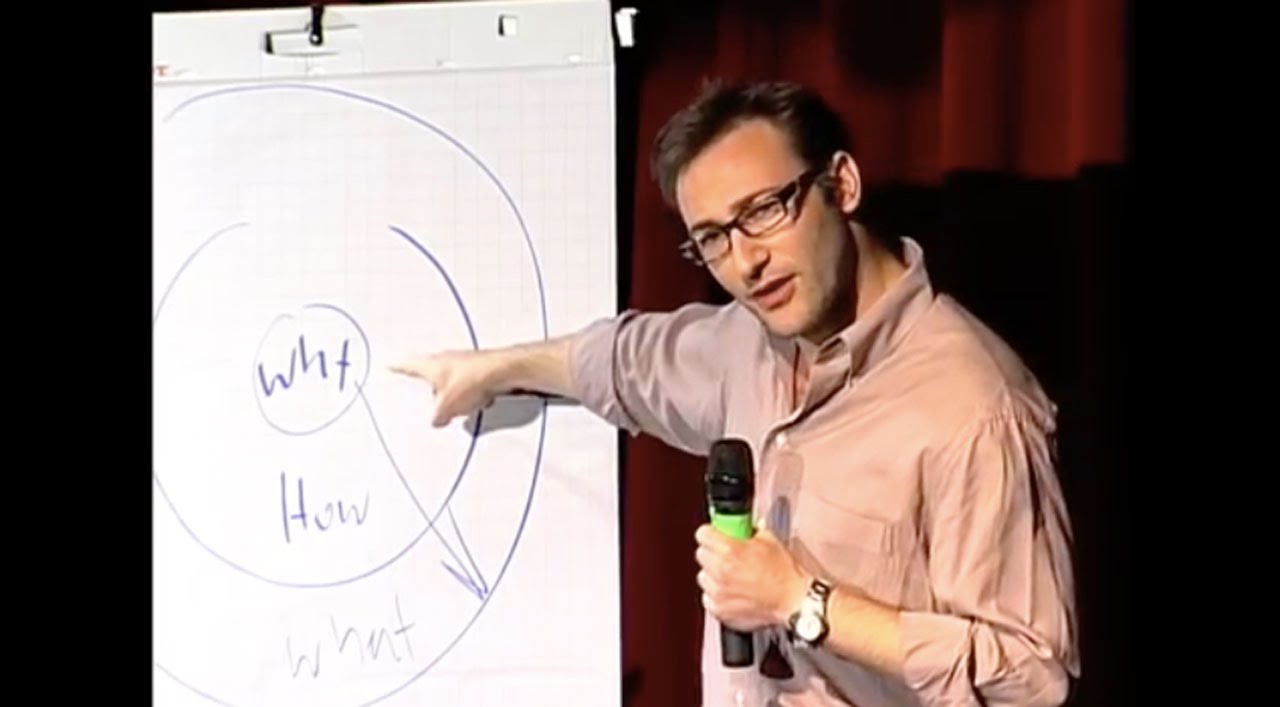
what future do we want to create what actions do we take what outcomes do we want as a result of our actions what experiments can we try to explore the unknown and what is our expectation from those experiments let's go back to our case study david if you can open for us today you're cynthia carroll the news comes to you do you shut down the mine in rustenburg yes or no what are you going to do so i think she needs to initiate very detailed investigations into what happened in these circumstances and then what has
happened throughout the past are you going to shut down or not shut down so i'm going to do a detailed investigation and then when i do have a plan what are you learning what you're learning in this investigation practices that are not being followed correctly or out of line or could be safer where there's like people are dying it's not safe okay so let's use our three-step thought process to make a decision first is sense and in this step we make sure that we have heard the problem correctly by asking ourselves these questions first what
am i hearing i'm hearing that i am a ceo 25 billion dollar in revenue 160 000 employees and a minor who has lost his life next what is standing out now if i remove my judgmental mind and think objectively without any emotions or selfish motives attached then what stands out is that a minor has lost his life while working in the mine next what is unknown in this case we do not have any further information so everything else is unknown except that i am a ceo and that i have a decision to make step number
two is think and in this tip i analyze what i have just sensed and i do that by asking myself these questions first what is this situation revealing about our organization and about me as a leader it is revealing that there are safety issues and as a company ceo i am accountable next what is the no brainer should i shut down the mine absolutely unless we are ready to risk the lives of other miners this is an absolute no-brainer we should shut down the mine immediately but only temporarily next question what controls my next steps
stakeholder analysis is so so important when we think about change so important to do we think about who do we need to worry about and what do they care about what are their interests and so you start there but that's not enough you have to then say where do i need to invest the most time who is in this sum depending upon the stakeholder analysis let's say the most important stakeholders in my case are the shareholders so my next steps will depend upon safeguarding the interests of my shareholders shareholders are looking for profit so i
need to get everything back to normal as soon as possible without causing a panic attack in the stock market okay so the hypothesis i have created in my mind with the limited data available is that it is a safety issue and i need to resolve the issue asap without causing panic among the shareholders remember simplicity is the key even when you are a ceo okay based on the first two steps sensing and thinking the response i will make is to test the hypothesis by putting some experiments in place i will hire professionals to investigate the
safety issue i will then put a time box on that investigation followed by communicating that time box to the shareholders ensuring that shareholders are updated with the progress on a regular basis i will then take steps to make this situation as transparent as possible by publishing it on the company page or via emails making sure that shareholders have all the information they need to make an informed decision if the issue is resolved at the end of the time box we will open the mine and if the issue is not resolved we update the shareholders and
keep running the time box experiments until we find a solution so there you have it these three steps since thing and respond encapsulates the entire thought process of an agile mind that i use and which you can use as well to navigate uncertain and complex situations i hope you liked this video and if you did then please do not forget to smash that like button and also please do not forget to provide your valuable feedback in the comments i'll see you in the next video