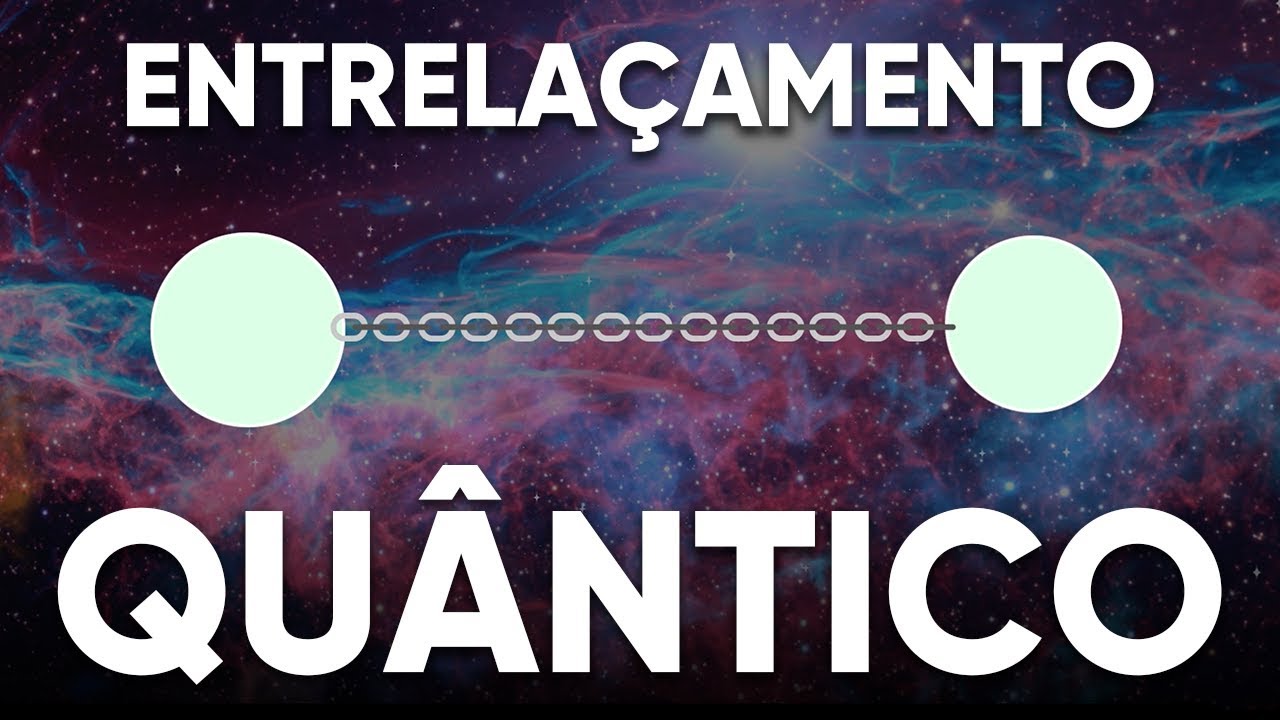
Have you ever heard about "entanglement"? To explain this concept from quantum physics we have to go back in time. In the beginning of the 20th century physics explained many things such as the movement of celestial bodies and that of relatively big objects.
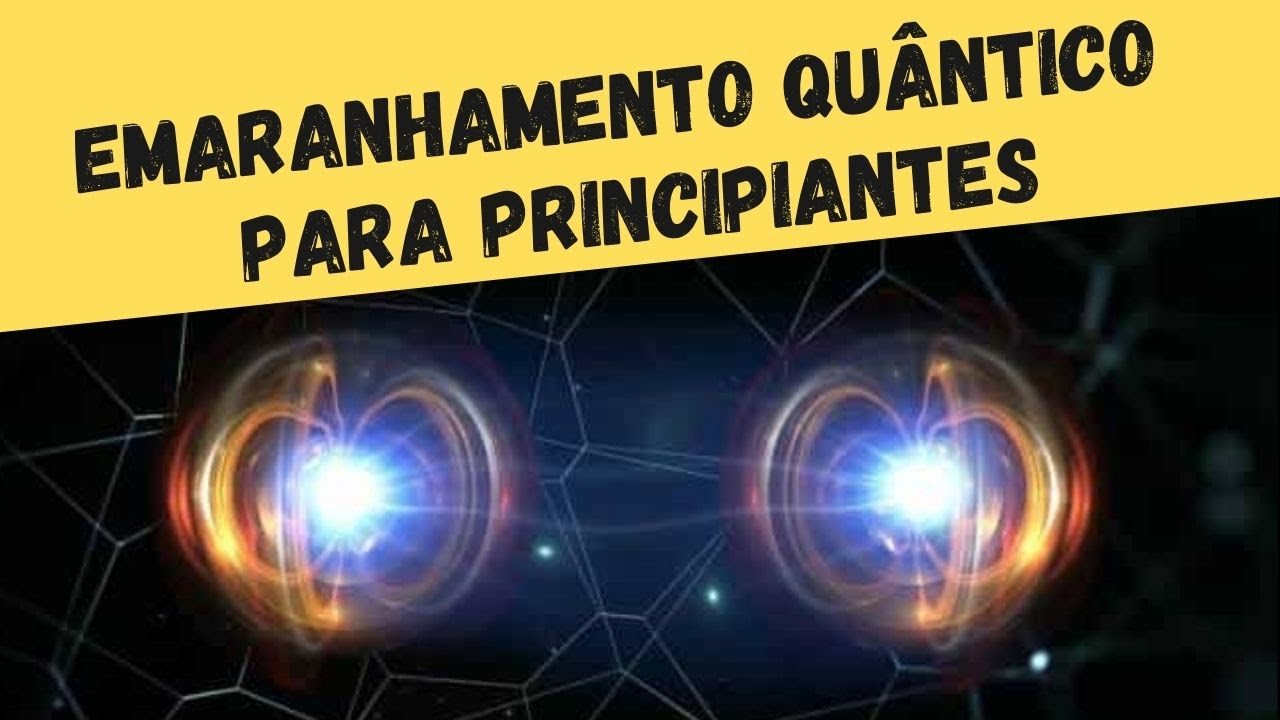
But around that time, physicists started to notice that classical laws of physics could not explain certain phenomena. Phenomena that involve very small particles Atoms, molecules, electrons. In this 'micro' universe, ruled by quantum physics particles behave in unexpected ways One of these strange behaviours from quantum physics is a phenomenon called 'entanglement'.
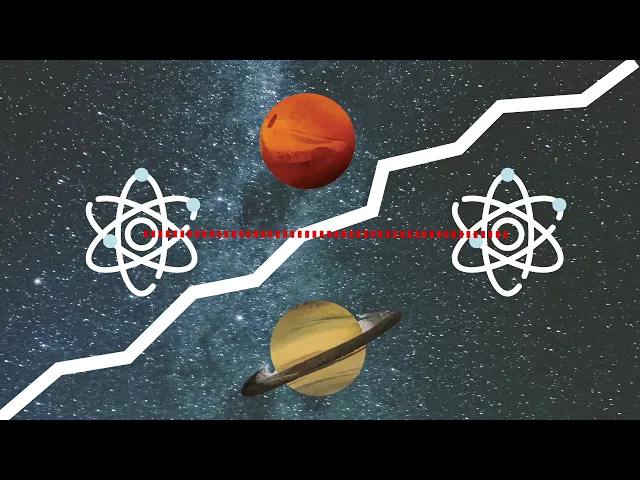
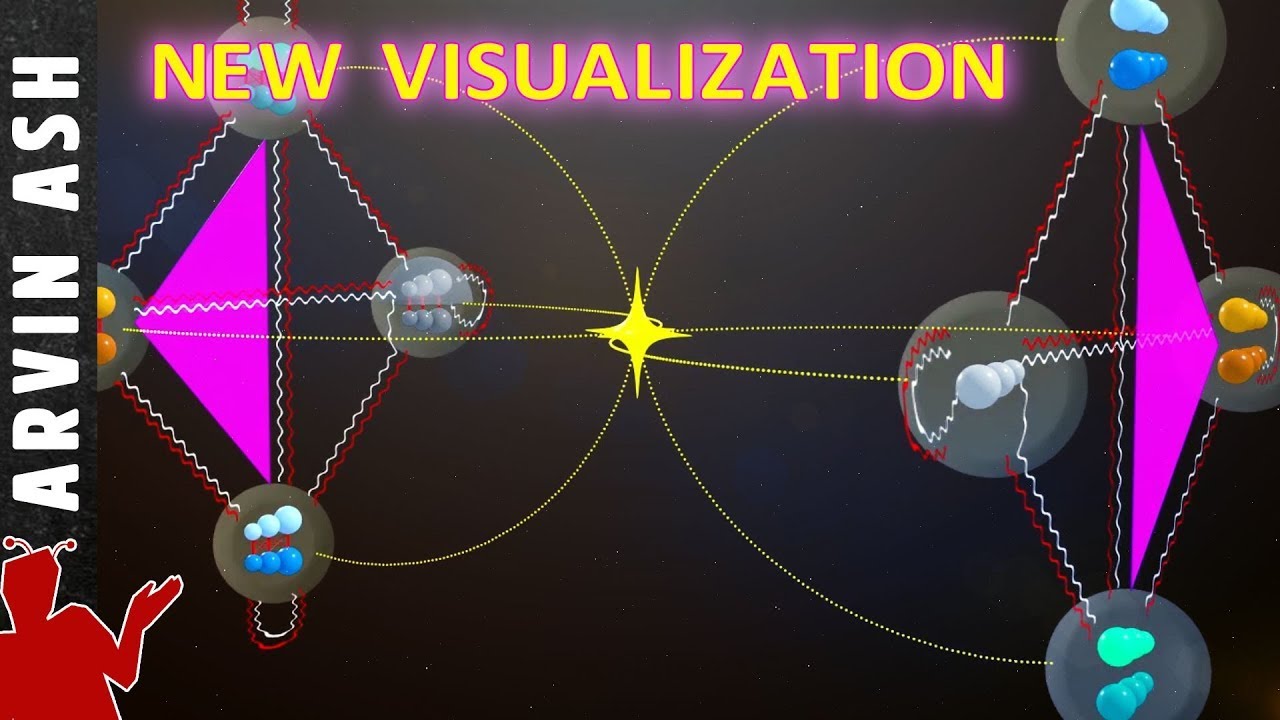
When two particles are entangled, even if each one of them is in a different corner of the universe, some of their properties are correlated. For example: knowing the position of one of them we can infer the position of the other The discovery of entanglement suprised scientists Einstein, who wasn't fond of quantum explanations, called it "spooky action at a distance". We can illustrate entanglement with the following metaphore: Imagine two entangled particles, but think of each one of them as a coin.
Now, imagine you flip one of the coins and in the other side of the world someone flips the other Head or tails? When your coin lands and shows heads you immediately know that the other coin will show tails. Entangled particles form a system.
Individual features of each particle are correlated among them A type of particle that can be entangled with others are photons, the elementary particles of light. You can create entangled photons using an optical parametric oscillator, a relatively simple system that converts a laser wave into two waves of lower frequency that are entangled. But this is just a small part of a larger story.
In the next video of this playlist you will see how researchers have found that this apparently simple system still holds some secrets.