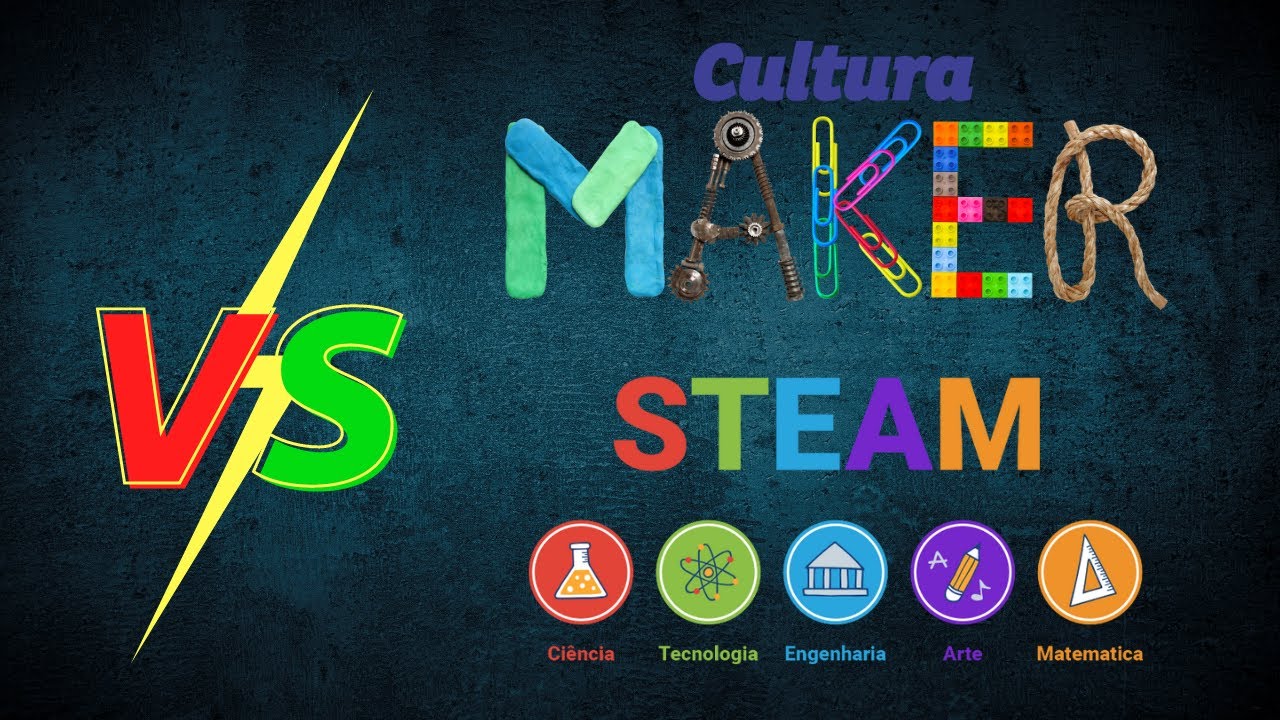
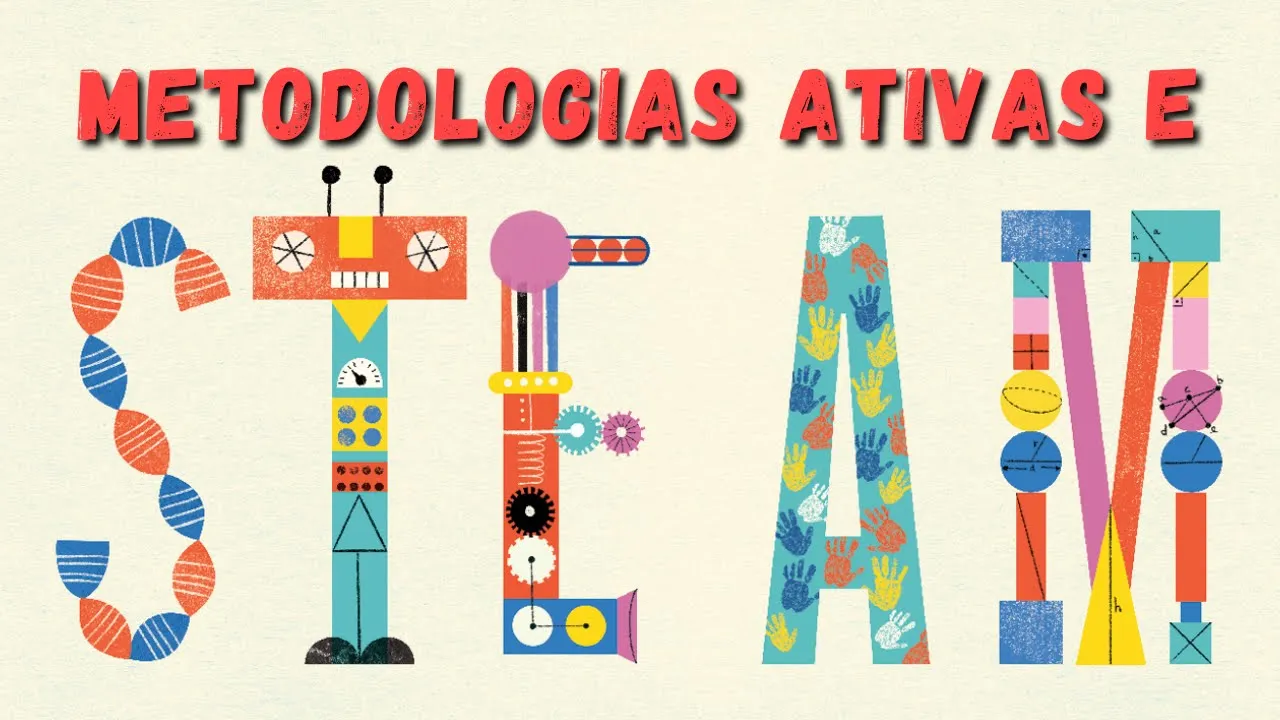
In this video today I will explain to you what the STEAM approach means in education and how it relates to active methodologies. The first thing you need to understand is that when we talk about STEAM, it has nothing to do with those digital gaming platforms. In fact STEAM is an acronym that stands for Science, Technology, Engineering, Arts and Mathematics.
So actually when someone is dealing with STEAM, they are referring to an integration between all these areas of knowledge. So can we say that STEAM is interdisciplinary? In fact, it is more than interdisciplinary, because when we talk about interdisciplinarity, we are assuming that segmented subjects are maintained and that they continue with their own assessments, each one going independently of the other.
The STEAM approach goes beyond all these limits, which is why we say that it is not interdisciplinary, but transdisciplinary. Understand that transdisciplinarity has nothing to do with any sexist issue, in fact we are trying to say that there are no more borders between these disciplines, that they are all evaluated together to the point where we could not even discern exactly whether our project is artistic or engineering, because all these fronts of knowledge end up working together for the same purpose. And why can we consider STEAM as an active learning methodology ?
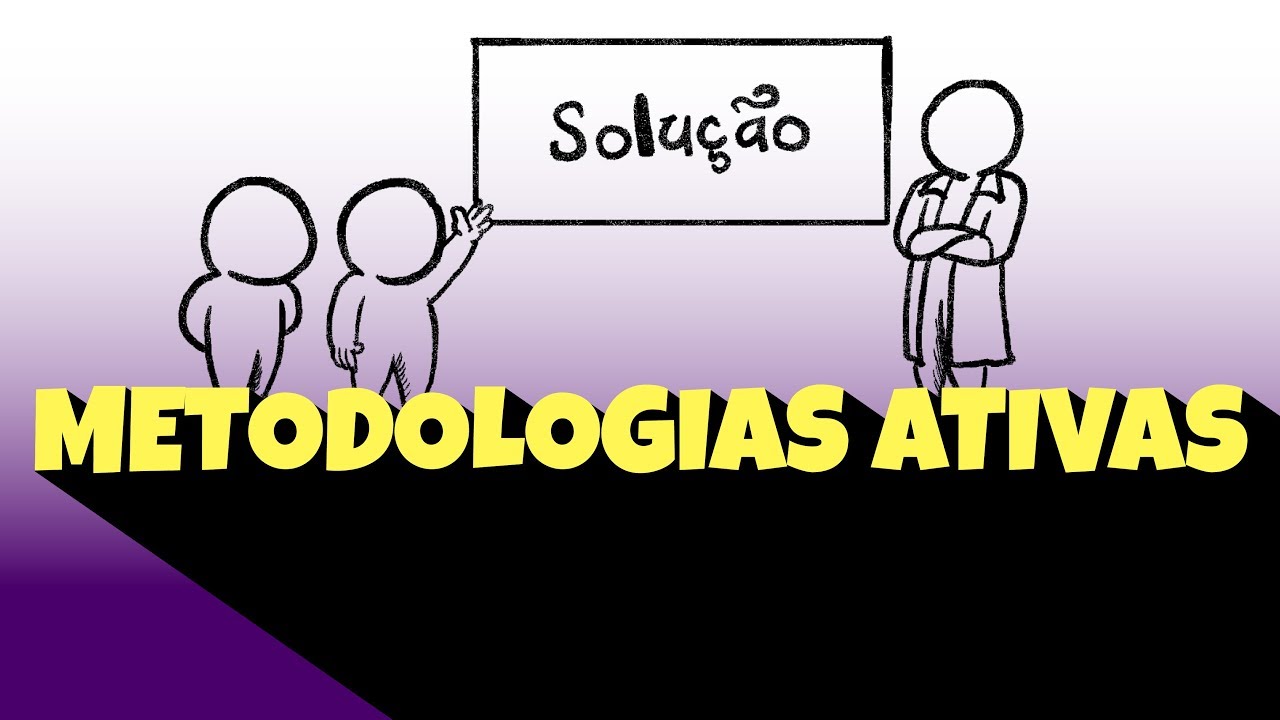
When we talk about active methodologies, we are considering that our students are at the center of the learning process. This means that he will not be passively absorbing the contents with a teacher, for example, on the blackboard, teaching all the things he has to memorize in order to pass the test, for example. This means that, within an active methodology, the student must be at least a co-participant in all processes, from research, discovery, and the choice of a certain topic.
This involves all the processes of debate, analysis and synthesis. But don't you think this thing about active methodologies is just another kind of fad? No and I will explain to you why.
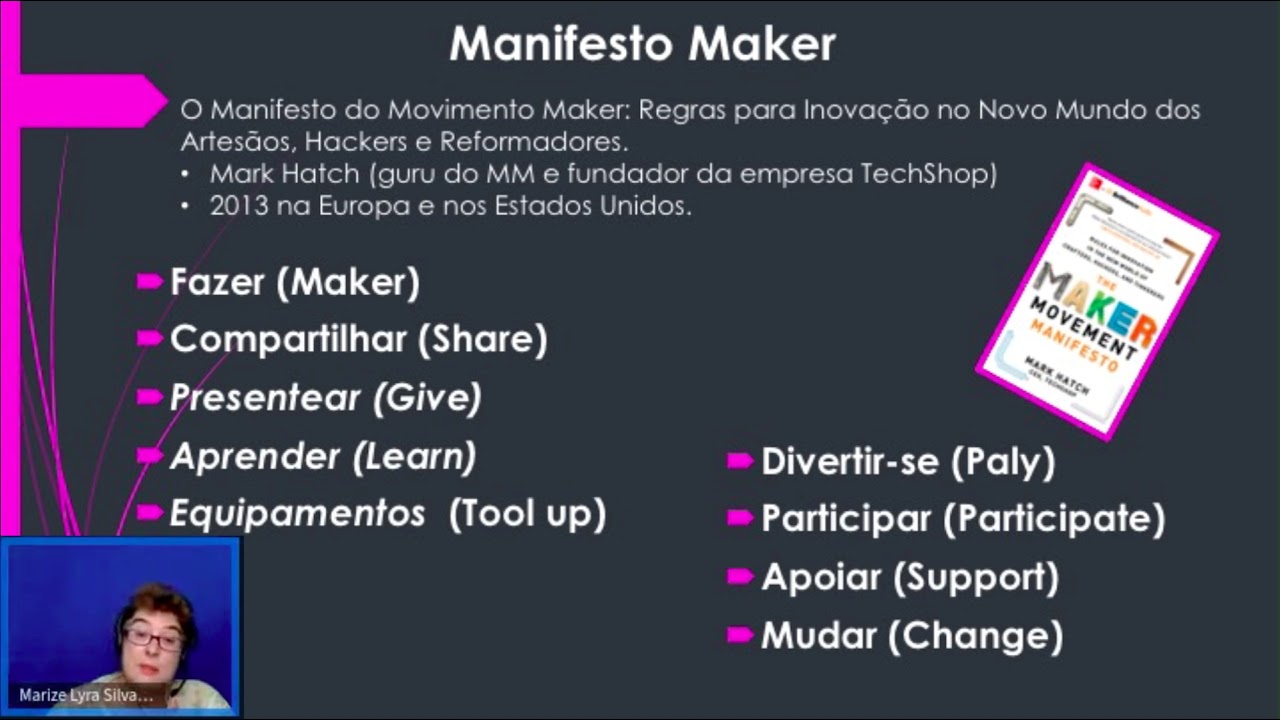
Both STEAM in its entirety between disciplines, as well as active methodologies, which place the student at the center of the learning process, as the protagonist of their own history, both are fully aligned with the BNCC, which is the Common National Curriculum base . But one thing is for sure, both the STEAM approach and the active methodologies are nothing more than that old project-based learning approach, so now everything happens as if we were repackaging these old subjects, so that they become a little more flashy, more attractive to the general public. And what was this project-based learning about?
It is nothing more than a strategy to integrate the various areas that are too segmented within schools and a way to make the student learn in a more meaningful way that goes beyond that old need to study to pass the test or to pass the exam. year. But in that case, how does the agent manage to comply with the curricular contents?
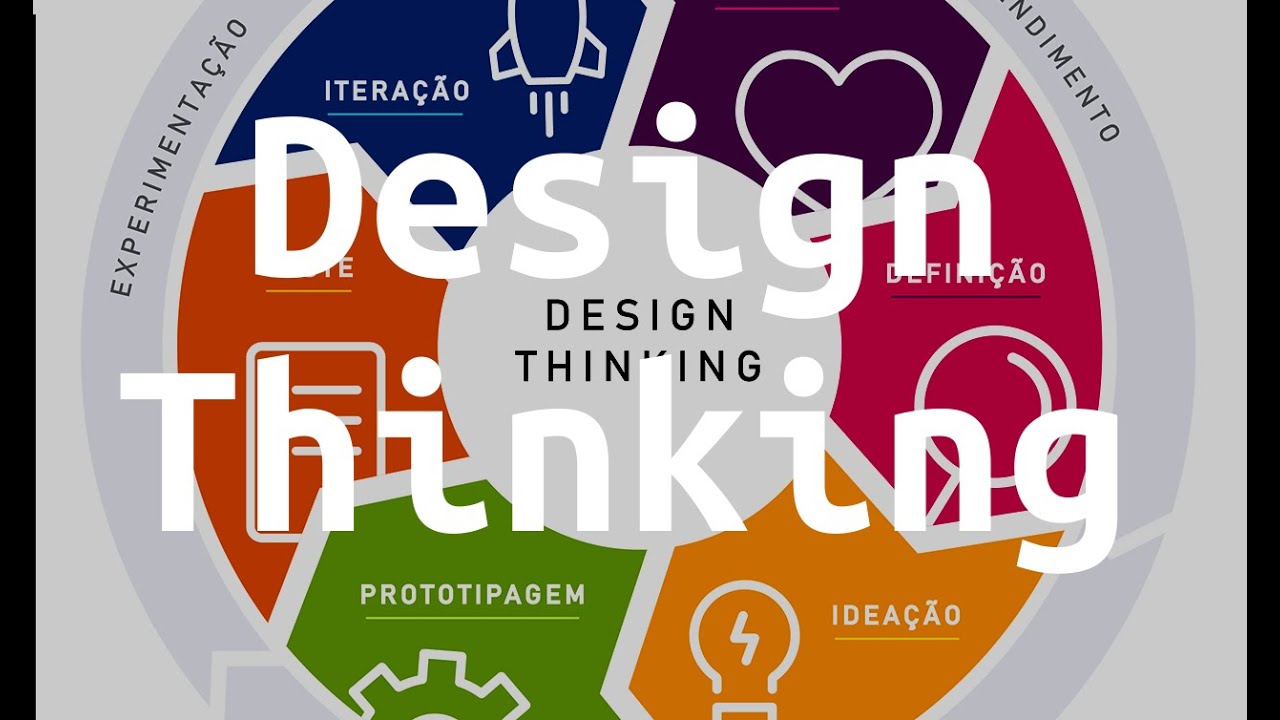
In this case, it is up to the educator to be aware of the learning needs that each of these students have and, in a creative way, I was able to suggest that these students turn to specialists so that they can acquire the knowledge they need to develop to be able to comply with the projects, which involve from a research or even possibilities of solutions to a given problem. And there are some people that I consider to be more pioneers in this integration of the Arts with the Exact Sciences disciplines, and these guys are the designers. And if you want to know more about Design Thining, I recommend you watch this video where I explain the main points of Tim Brown's Design Thinking book .
And if you are interested in applying this STEAM approach within your Educational Organization, please contact us. If you thought this content was important to you in some way and you want us to continue producing content like that, I'm going to ask you to share this video with others you know and subscribe to the channel and activate the bell to receive notifications of upcoming videos. And don't forget to check out this Design Thinking video.
Said!