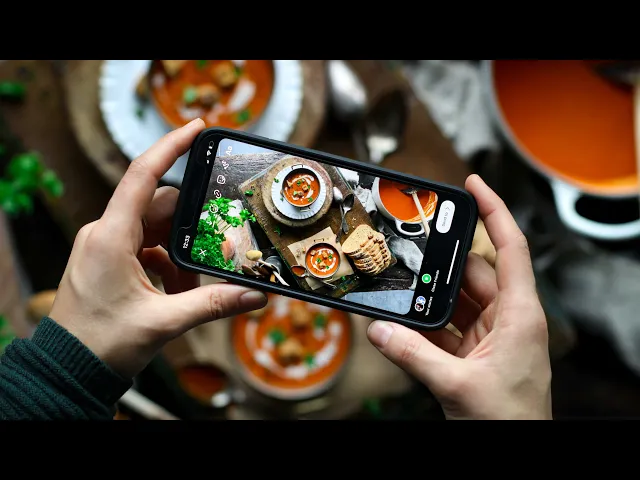
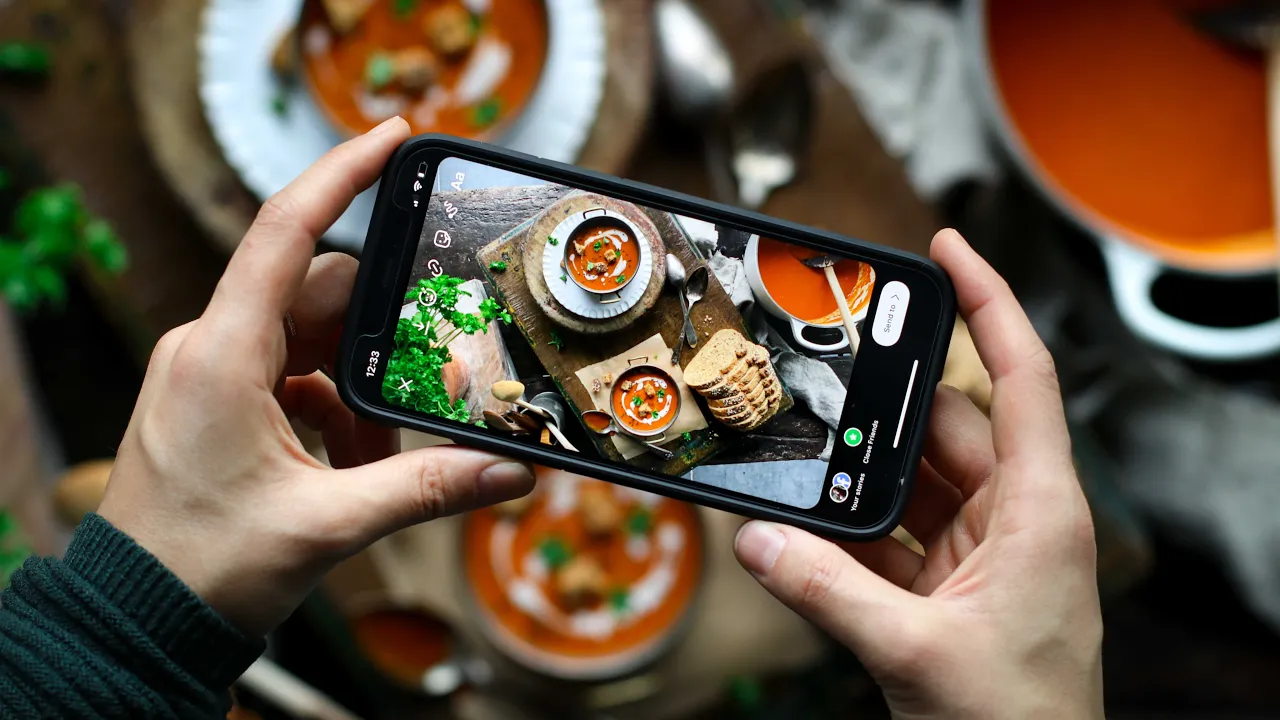
hello my friends welcome back today we're going to be exploring five super easy and effective ways that you can make your food photos look incredibly tasty so i first started taking photos of my food about 10 years ago and they were far from great but i think that's okay because we all start somewhere right and even in the last year our food photos have changed so much i think it's something we're always going to constantly be learning from and evolving and so i kind of wanted to just today share with you some valuable lessons that
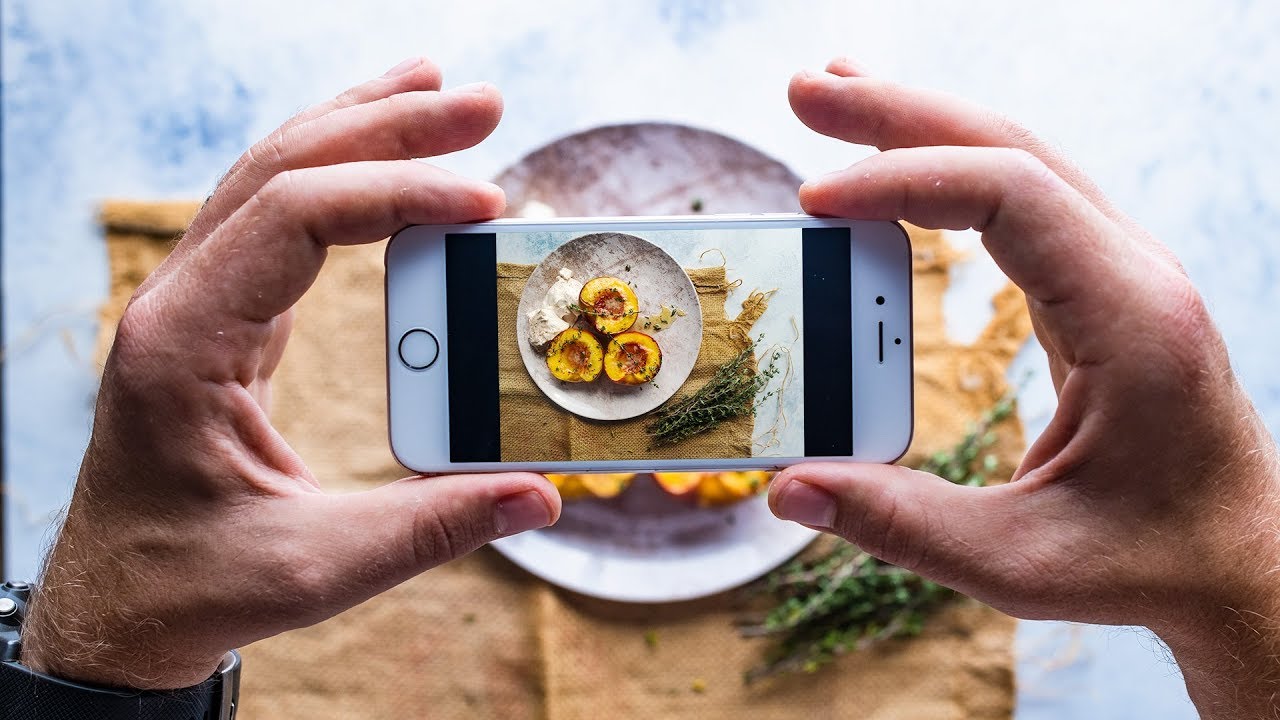
i've learned over the years things that i personally wish i knew when i was just first starting out so today we're going to explore some general food photography principles that don't require any kind of fancy equipment either if you're just whipping out even your smartphone you're ready to get started and i do want to take a brief moment to thank our friends over at audible for partnering with us on today's video but we're gonna chat more about them at the end for now let's dive right in so first things first before even plating any food
i always like to choose my props and my backdrop and just kind of create a scene so for the backdrop a really affordable and classy option is to just lay down a neutral colored fabric it makes just about any surface especially shiny surfaces look incredible and then otherwise just look around your environment and get creative if you've got any old wooden surfaces these especially look beautiful in food photos and if you've got any concrete floors you could also use that as a backdrop or even if you've got like a rusted tray or baking dish the
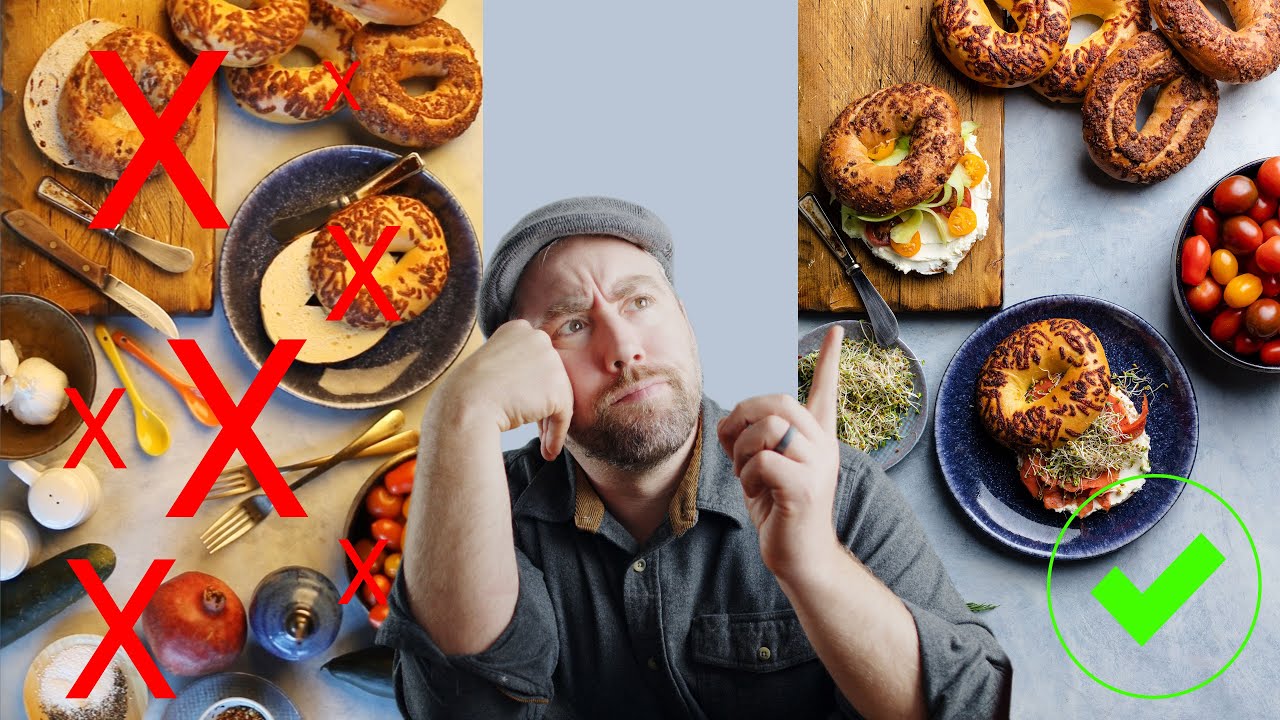
texture of this looks so impressive so just play around with whatever props you've got in your area now when it comes to props we want to choose props that are kind of non-shiny a little bit more on the matte side and this is just because we don't want the reflection to be distracting so generally we want to choose props that work well together but they don't we don't want props to like upstage our food either i think that was one of my rookie mistakes is when i was first starting out i was using a lot
of props that were a little bit loud either in their design or maybe the color clashed a little bit too much and kind of stole attention away from the main dish or the hero as it's sometimes called if you're looking to get some unique pieces you could always get them from artisans or from thrift stores and antique shops which is actually where we've gotten the majority of our props from just because you can get some really characteristic and beautiful pieces that tend to be quite affordable as well which is great if you're just starting out
you notice the two things that have made me so happy on the strip so far have been food right and things to do with getting food ready right that's great this this place is just full of stutters so let's imagine you preparing oh my god so before each shoot we just like to lay everything all out see what works what doesn't feel right and swap in and out props accordingly until we have like a color scheme that looks really nice and works to enhance the main dish or hero without distracting from it eating is a
multi-sensory experience we taste smell touch hear and see our food when it's in front of us but with a photo we're really only ever tapping into the sense of sight the person that's looking at the photo they can't taste smell hear or touch the food so through the art and the beauty of food photography and food styling we want to try to tell a story that taps into as many senses as possible so like if i were to be slicing into some toasted bread you'd actually be able to hear the crunch of it as i
slice right so how might we be able to portray that through a photo sometimes it could be just as simple as slicing some of the bread and then intentionally sprinkling a few of the breadcrumbs onto the table of your scene the flakiness and crumbs kind of indicate crunchiness or if i were to be making you a mug of golden hot chocolate you'd be able to smell the delicious aroma of turmeric and chocolate and vanilla fill the air so how might we be able to get that across to you in a photo maybe just by trying
to capture a little bit of steam a little bit of heat as we pour it or if for example we were serving a chocolate mousse you would of course if you were tasting it you'd feel the creaminess of it on your tongue so we can share that information in a photo by actually digging into the meal or the dish in question so that people can see the texture and consistency of what's inside of it so whenever you're taking a photo of food just ask yourself are there any other senses that i can tap into aside
from just sight the beautiful thing that we can do through food is to tell a story i think for so many of us food brings about so many different feelings and emotions it brings about a sense of comfort and community warmth and pleasure isn't this just such a beautiful moment it is a beautiful love i'm so glad you came i'm so glad to be here telling a story through food is probably one of my favorite parts of food photography just because it's where you get to be the most creative like let's say you were enjoying
a latte in the morning and then there's a newspaper on the table with a little pastry of sorts the whole thing helps to just create a little story in our minds by looking at the photo we almost imagine ourselves enjoying the latte while we're relaxing on the weekend or while we're on a holiday so just try to paint a picture wherever you can where do you want to transport or teleport the person to or maybe you even want to indicate that there's people there you could always grab a handful of forks or spoons and place
it on the table or maybe even just serve the dish in multiple plates to kind of imply through the photo that this is going to be enjoyed in good company and i also think what tells a story so incredibly well is if you can try to get a subject in there or a person this person could be holding out the hero or digging into it serving it up i think the action shot of the person even just being there helps to make the photo feel more immersive it almost implants in the viewers eyes that they
themselves are digging into it or having it served to them so get a hand in there an arm a shoulder it can do so much to help enhance the photo i absolutely love to add layers to my photos this is one of the things that we've definitely started to do more and more in this last year and it makes such a difference and it helps to create depth and that helps to draw the viewer's eyes to where you want it placed so for example we can add a bowl of soup onto a backdrop but maybe
there's also the opportunity to layer some rustic paper underneath it or even a cutting board or a plate we can also add layers within the dish itself so for example through garnishing adding a layer of coconut milk to the top followed by some sesame seeds followed by fresh cilantro this all helps the 2d image start to look more real to life it makes it all look a bit more 3d and that makes it more visually appealing so i'm just actually taking a photo now of what the soup looks like if we just put it on
the table it's beautiful just the simplicity of it is lovely but you're going to see a before and after picture now of what it looks like if you actually layer things on top of each other plus you add a little bit of layering on top of the soup it brings it so much more to life and then we can also add layers in the form of depth or with foreground framing which is when we use an object to create a slight frame around the corner or edge of your photo this also helps to make the
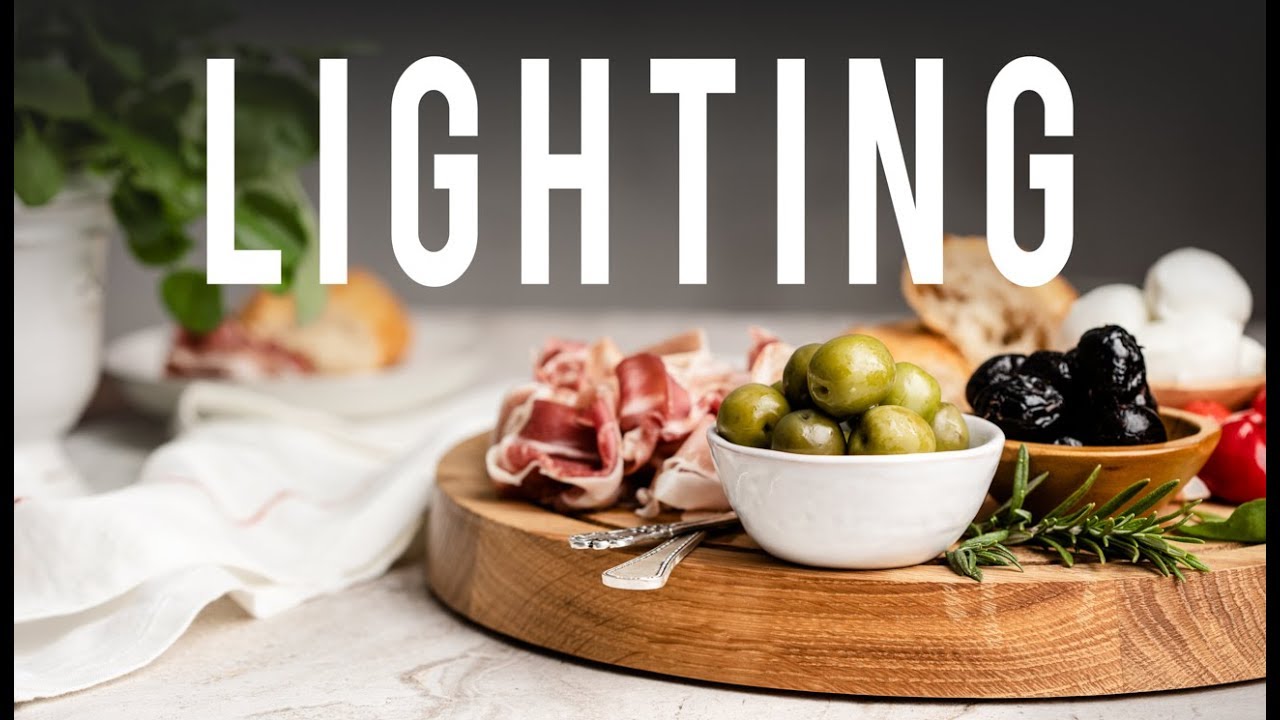
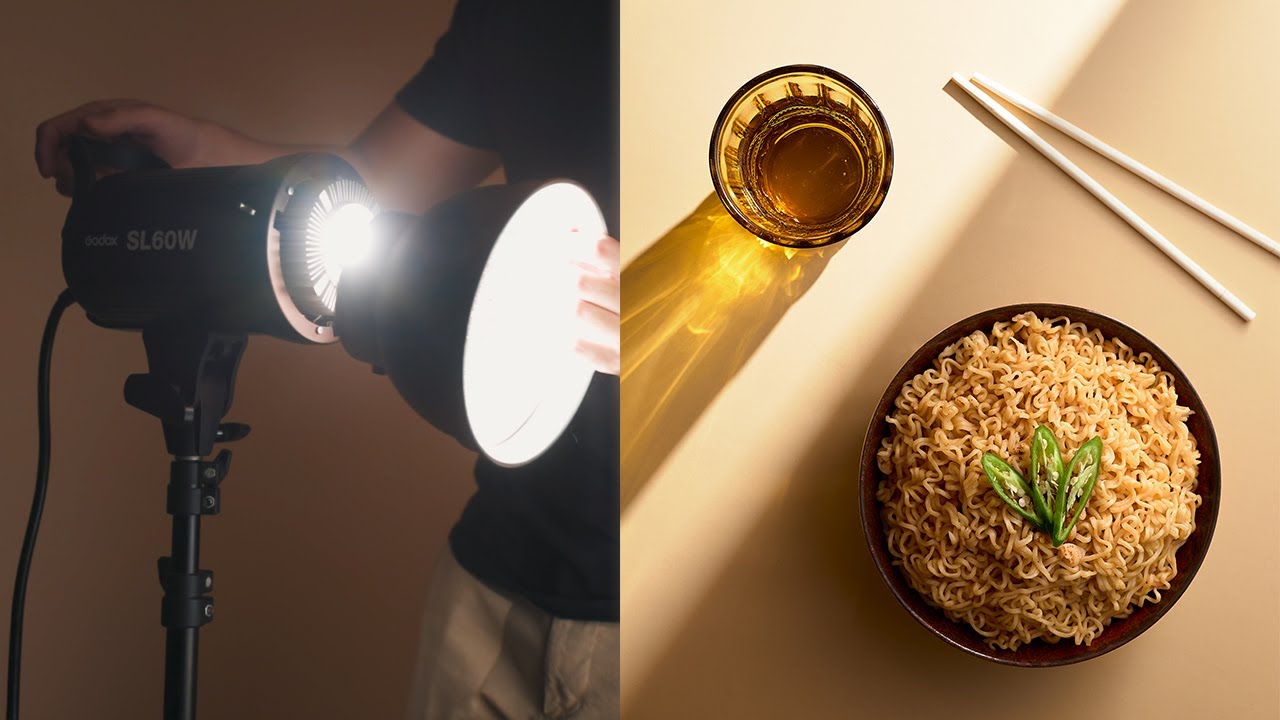
2d image look a little bit more 3d that gives it depth it just makes it look so much more beautiful of course when we talk about photography we have to talk about lighting and it's so important but it really doesn't have to be difficult in short just use natural light it's beautiful and it's free so we personally shoot everything we do in natural light and this means that we shoot by a window during the day and this of course isn't the only way to do it it's just how we prefer to do it and i
try to avoid direct sunlight wherever i can just because it creates so much contrast there's really harsh bright and dark regions and it makes me feel like i have less control over the shot so what i always hunt for is diffused light i'm always positioned up close to a window and if it's a sunny day i just try to pull a white curtain or a white bed sheet you could even use over the window and cloudy days are generally the best for food photography just because the light is naturally diffused through the clouds okay so
we're taking some photos of granola in natural daylight and i can't emphasize this one enough when you're taking photos of food at home be sure that all the lights are turned off because if the lights are turned on and i'll take a photo to show you what i mean the photos come out looking very yellowish and that just doesn't look visually appealing of course you can also play with light in terms of whether it's going to be front lit side lit or backlit shots front lit shots just means that you're standing in between the light
source and the hero that means your hero is going to be completely lit and this results in a more bright and airy photo side lit shots add really nice contrast because there's areas that are light in areas that are dark creates a little bit of depth a little bit of moodiness which is really quite beautiful and then backlit shots are really quite moody so play around with it and just see what works well for the dish in question i think food photography really is an art it's not an exact science and like most art it's
subjective so just play with it see what works well see what you enjoy and again i want to thank our friends over at audible for partnering with us on today's video i have been listening to audiobooks for the last five years or more it is it is my go-to place to learn new things right now robin and i are listening to the culture code by daniel coyle it's a fascinating audiobook that delves into the underlying mechanisms that make or break a good team and i think we all work in a team in some way right
whether it's with group projects or with colleagues and i know that creating a strong team that feels like family is something that we're really trying to achieve here at pickup lines because you know together we create food photos for you guys and recipes and videos and i think that this audiobook is just going to be a huge help in that so if you think you might also be interested in checking it out i highly recommend it you can get it for free or if you prefer another audiobook you can get that one for free plus
you'll get a 30 day free membership by visiting audible.com forward slash pickup lines and while you're there be sure to check out the new audible plus catalog this is where you can go to as a member to get access to thousands of audio books podcasts and guided fitness and meditation programs that you can do from the comfort of your own home and that's just included in your membership and in your 30-day free trial so be sure to check that out too i'll leave the link for you in the description box below but i think that's
it for today i hope that you've learned something new that you enjoyed and if you do take any food photos and you style your photos based on the tips that we share today i would love to see it so be sure to tag us on instagram thanks so much for hanging with me today really appreciate it pick up limes signing off we'll see you in the next video oh no i'm so sorry little plenty i'm so sorry uh the way that we food photograph [Music]