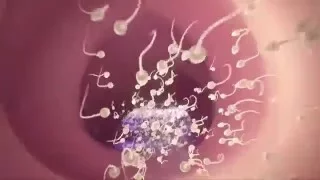
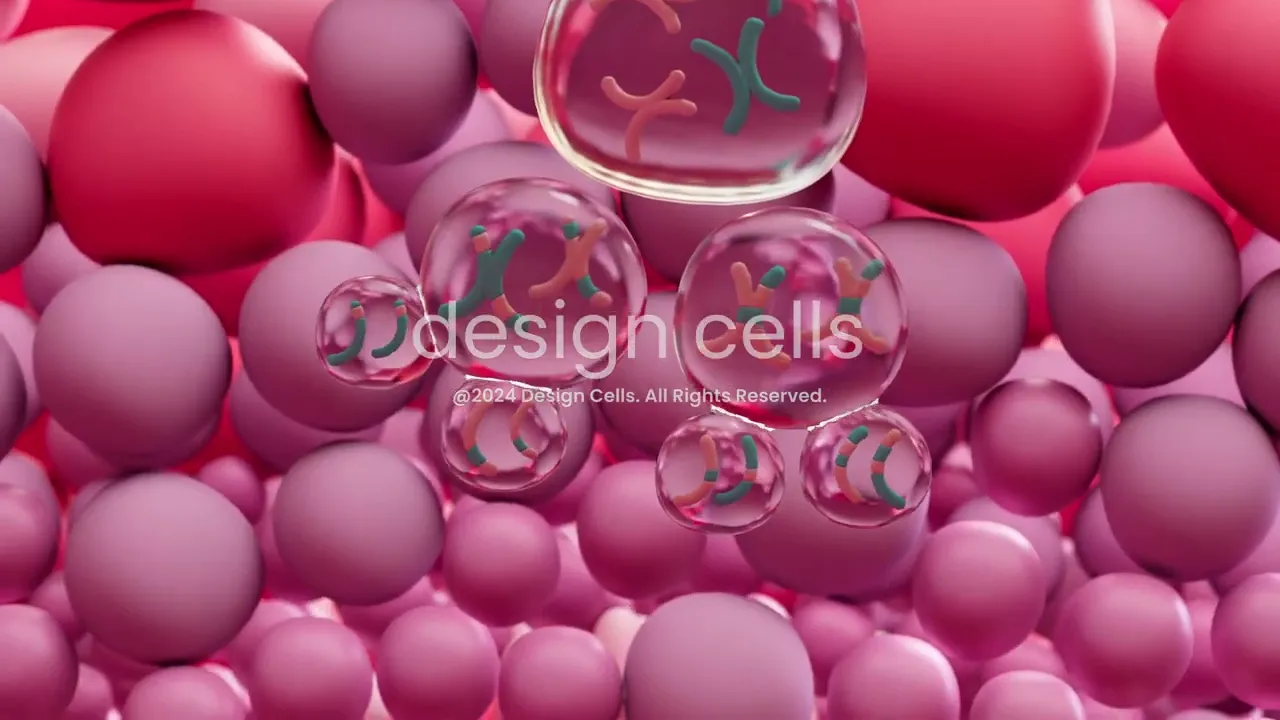
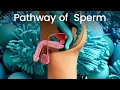
sperm cells are produced in the testes which are composed of tightly coiled seminiferous tubules it's in the walls of these tubules that the sperm cells are made stem cells called spermatogonia divide and differentiate moving from the outer part of the seminiferous tubule to the center as they mature in meiosis cells divide to form spermatids which mature into spermatozoa this process ensures the right amount of DNA for fertilization with a female egg next the spermatozoa move through the seminiferous tubules toward the epidemis over a couple of weeks they mature gaining the ability to swim and fertilize
an egg upon sexual stimulation mature sperm are perpet hel from the epidemis through the vast deference moving towards the ejaculatory ducts and seal vessels at the seminal vessels they are mixed with seminal fluid which provides nutrients and a medium to transport the sperm outside the body during ejaculation prostatic fluid is added to the semen in the urethra the prostate glands contractions prevent urine from mixing with the semen and propels it out the journey is short yet crucial as they may eventually meet and fertilize an egg marking the start of a potential new life