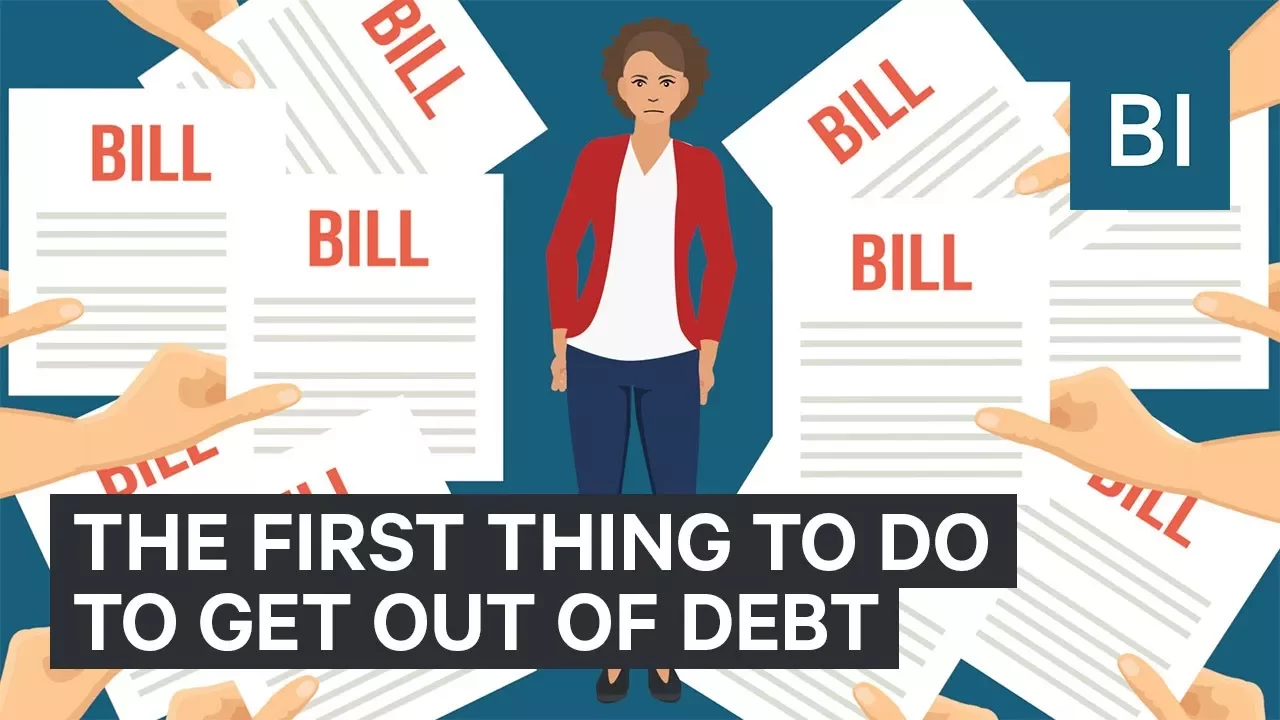
my name is Lauren Lyons Cole I'm a certified financial planner and a senior editor here at Business Insider I've helped a lot of clients get out of debt and it's actually a lot easier than it seems when you're staring at a pile of credit card debt or student loans that you just don't know how to get ahead of the first step to take is really to get organized that's the part that a lot of people are afraid to tackle so take a Saturday morning make yourself a really nice brunch and make a list of all
of the different debts you need to pay off what I mean by that is make a list of exactly how much you owe to each different place so if you have a visa that you owe $2,000 to put that first on the list you also need to know your interest rate the minimum payment and the due date for that debt keep doing that for all the different things you're trying to pay off that way you can prioritize which debts you want to tackle first once you can see a full picture of everything you owe you
can create a plan but before you create a plan it's important to take a step back there's a few things you have to be aware of number one be realistic when you're creating the plan you don't want to set yourself up to fail paying off debt can take a long time two years three years even longer so this isn't something that you're gonna fix overnight and that's okay the other important thing to be aware of though is that this is temporary we're not talking about forever so any sort of lifestyle adjustments you make now to
pay off your debt will eventually end and you absolutely can pay it off I've seen so many people do it to tackle your debt at the bare minimum you have to make all of your minimum payments on time that's very important for your credit score so you can set up automatic payments to make sure that those payments will always go out on time and in full obviously you'll have to pay more than the minimum payment to put a dent in your debt but exactly how much will vary from person to person and it could even
vary from month to month a good rule of thumb is to to pay double your minimum payment to any of your debts that might be hard in some cases so even paying 20 or 50 dollars more can speed up the process of getting out of debt I've had luck with clients who have paid the debt that has the highest interest rate first some people would recommend paying the smallest at first so if that works better for you great the point is to gain momentum so that you begin to see your debt balance decrease it might
take a little bit of trial and error to find out which one works best for you the hardest part about paying down debt is it really does require a lifestyle change again it's just temporary but you'll have to cut back on certain areas of your spending if you're going to free up money in your budget to put towards paying down your debt once you have a plan in place it's important to stick to it but if extra cash pops into your bank account from a tax refund or a really generous gift there's nothing wrong with
putting that towards the debt as well to fast forward the process paying down debt is a temporary goal and one that is very achievable all it takes is getting your plan in place sticking to it and watching it happen [Music] you