for a long time now it's been usual to see Western philosophy in the 17th and 18th centuries as divided between two opposing schools British empiricism and Continental rationalism the chief of the empiricists being lock Barkley and Hume and the chief of the rationalists being deart Spinosa and liit of the many issues that divided them the most important put it its crudest was this the rationalists believe that we human beings can acquire important knowledge of reality by the use of our minds Alone by thinking by pure reason the empiricists denied this they insisted that experience was
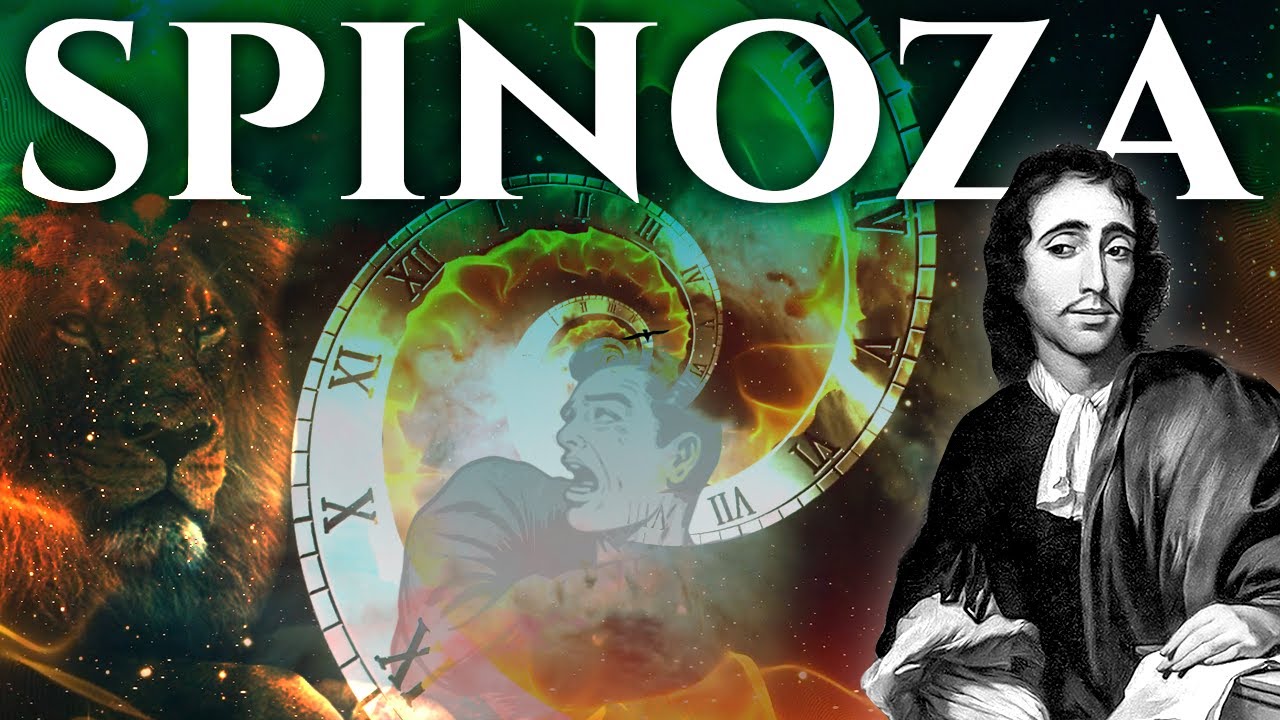
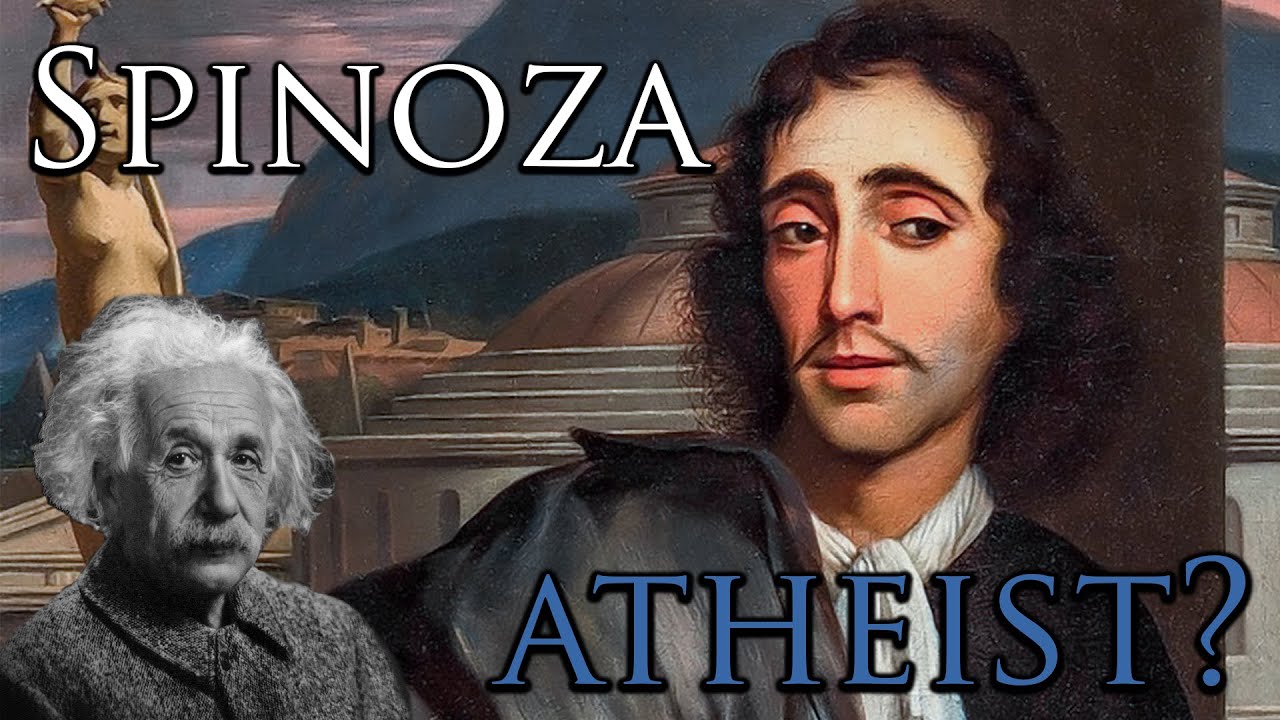
always a necessary ingredient and that all our knowledge of what actually exists must in the end in some way or other be derived from experience again the traditional view has been that these two opposing schools finally came together at the end of the 18th century and were combined in the work of Emanuel Kant in this this program we're going to take a look at Spinosa and liit the two greatest of the rationalist philosophers after deart the first in time was Spinosa born in Amsterdam in 1632 his family were Portuguese Jews who in the aftermath of
the Spanish Inquisition immigrated to Holland in search of religious freedom Spinosa was brought up and educated in an enclosed Jewish Community but he rebelled against religious Orthodoxy and at the age of only 24 he was excommunicated ated by the Jewish authorities fortunately for him he was a loner by temperament as well as circumstances and he chose a solitary mode of life in order to do his work when he was offered a professorship at heidleberg University he turned it down he earned his living grinding lenses for spectacles microscopes and telescopes and it's believed that the daily
inhaling of glass dust from this occupation aggravated the lung ailment that killed him at the early age of 44 his acknowledged Masterpiece a book entitled ethics but in fact dealing with the whole range of philosophy came out after his death but in the same year 1677 a striking feature of this book is that it's modeled directly on UK ID's geometry starting from a small number of axioms and primitive terms it proceeds by deductive logic to prove a long succession of numbered propositions which taken together lay out the total scheme of re ity it's often held
up as the Supreme example of a self-contained metaphysical system whose object is to explain everything in only the year before his death Spinoza had a series of meetings with the other philosopher we're going to consider lits one of comparatively few instances of two of the greatest philosophers actually meeting each other and having face-to-face discussions as a personality Li nits was a complete contrast to Spinosa courtier and Diplomat always traveling honored in many countries he was one of the great polymaths of our culture it was he who coined the notion of kinetic energy he invented calculus
not knowing that Newton had already done so and published it before Newton did in fact it's his notation not newtons that were used to this day and he was among the great philosophers liet was born in leig in 1646 and died in Hanover at the age of 70 in the year 1716 so so brilliant was he as a student that he was offered a professorship at the age of 21 but like Spinosa he turned it down though for the opposite reason he wanted to be a man of the world he spent most of his life
at the court of Hanover in the service of successive Dukes one of whom became King George I of England founder of the present British royal family lits carried out almost every task imaginable for a person in such a position and his philosophy was as one might put it written in his spare time he wrote an enormous amount mostly in the form of quite short papers but published scarcely any of it during his life he also maintained a voluminous International correspondence which is now of philosophical importance among his outstanding works are the monadology the discourse on
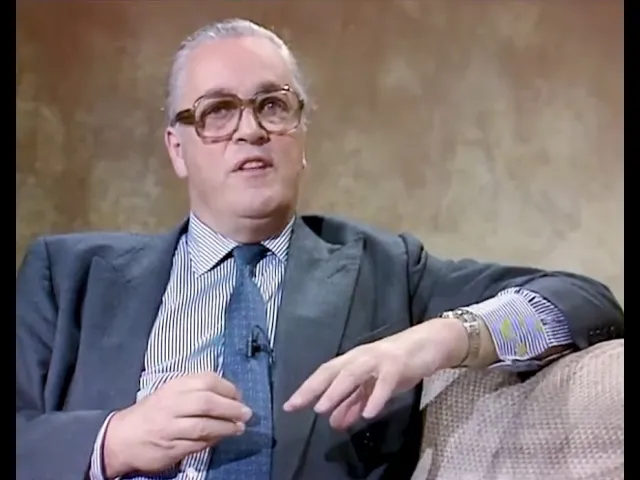
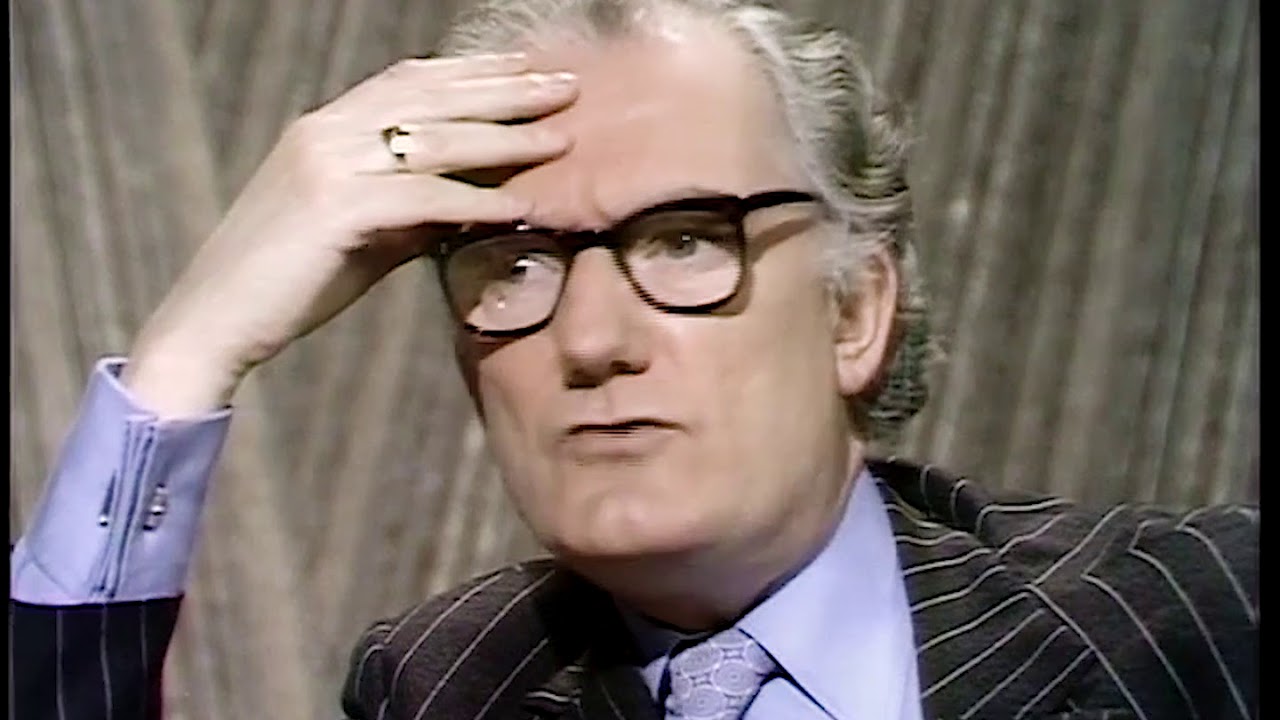
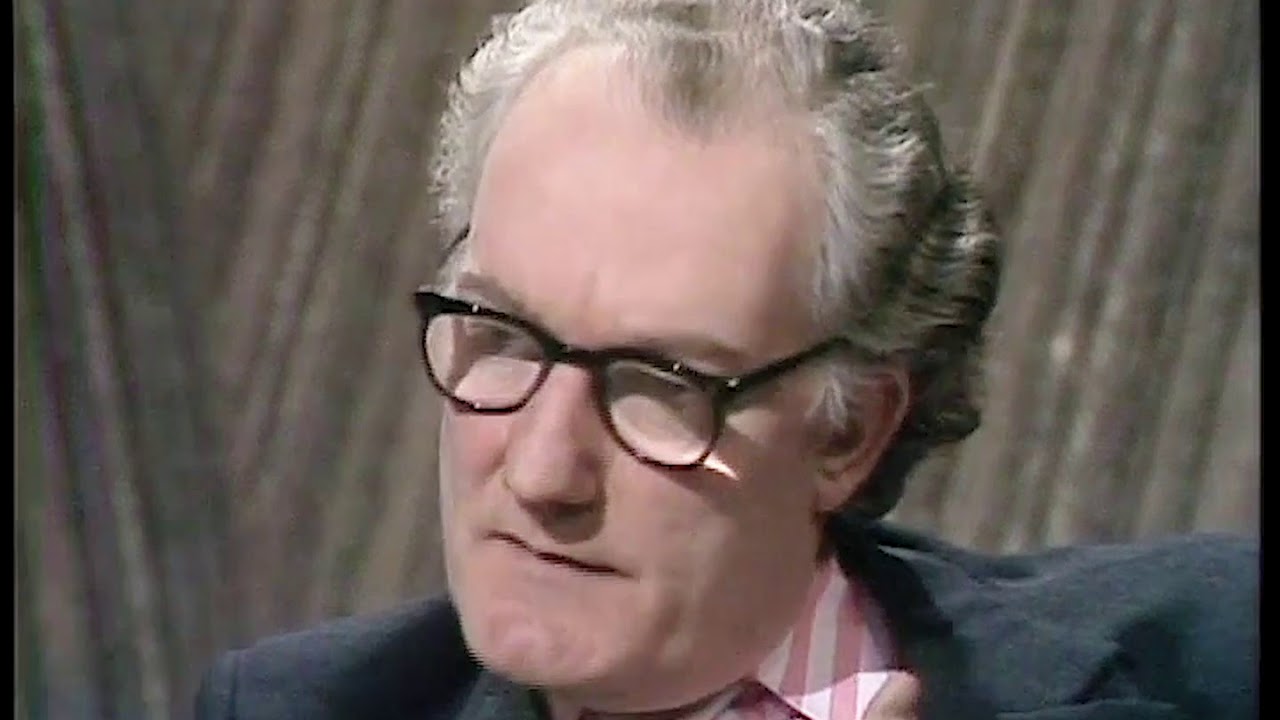
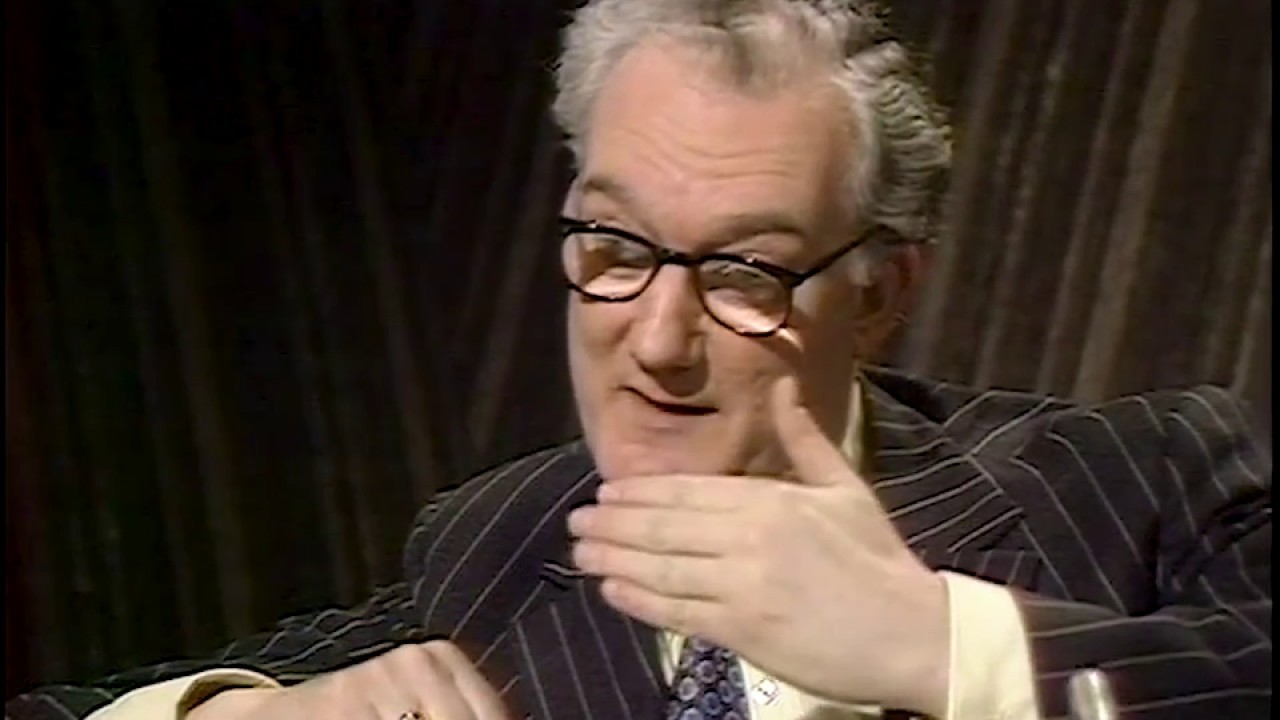
metaphysics and a book called new essays concerning human understanding which is a point-by-point argument with his English near contemporary John Lock to discuss the work of liit and Spinosa I've invited someone who is well known both as a philosopher and as a historian of philosophy Anthony Quinton chairman of the British Library formerly president of Trinity College Oxford Anthony Quinton for clarity sake I think we're going to have to deal with our two philosophers separately but before we start doing that is there anything that can be said usefully about them jointly well I think there is
the one you've mentioned already it's a standard piece of tidy convenient classification they're the three rationalists who face the three British empiricists these two opposed Triads of thinkers uh deart Spinosa lits they do have a community of style and purpose dayart defined the terms laid down the agenda but in a sense the world that dayart produced by the exercise of pure reason or the conception of the world that dayart produced is a fairly straightforward Affair he does preserve the self in a recognizable form the human individual he in the natural straightforward terms of his age
produces God even if it's not a terribly human sort of God and he preserves the material world in a broadly speaking recognizable form even if deprived of some of its more Vivid and colorful and odoriferous attributes but the worlds created by the application of the procedure of rationalism the one you mentioned you start from some self-evident propositions like a person producing a system of geometry and then you carry out processes of absolute straightforward deduction from these self-evident propositions um what that led to in the case of Spinosa and livet is something very far removed in
both of them from the ordinary understanding of the world to some extent decart by comparison with them is in the business of saving the appearances uh Spinosa and livit both say what the world is really like is very different from what it appears to the ordinary person to be that in both cases there is an underlying reality which philosophy can tell us about even if common observation doesn't that's right and a very odd uh world it is in each case I mean just to state in very brief terms what it is there in each of
them it's so utterly opposed in the two cases yet they purport to be following the same procedure and under what we might call broadly cartisian guidance uh speedo's world is a unitary world the there is only one true thing which is the world as a whole which is both extended and in some sense mental system of ideas on the other hand in liet's case the real world consists of an Infinity of things that are purely spiritual and everything material and space itself are phenomena appearance byproducts as it were of the real world which is this
infinite array of spiritual centers right well now let's start taking them one by one and let's begin with Spinosa it is this enormously elaborated single system and it's often difficult to know where to break into a system where one when one wants to start expanding it where do you think is the best place to start well there are a number of places you could begin I think one had better say just a bit more about Spinosa as method because he himself says that this book ethics is demonstrated in the geometrical Manner and as you mentioned
in your remarks at the beginning he does set it out with all the familiar apparatus of geometry things called axioms and postulates and definitions and the end of each bit of argument uh find has the letters QED as as if it were a straight piece of geometrical reasoning funny thing is that on the whole subsequent philosophers have hav't taken Spinoza's reasonings frightfully seriously people don't think of him as a reservoir of interesting arguments whereas they do think that of liveness anyway so perhaps the method although it's the most obvious feature this very explicit and conscious
geome thical method is the real stylistically obvious feature of Spinoza's work it's not what's really important which is I suppose one must say a vision and this vision is of the world as an absolutely unitary itty any division of which is a mutilation of some sort of misunderstanding he saw total reality as being one thing didn't he one substance of which all apparently different objects and indeed people like ourselves are merely facets merely modes merely aspects this is a very difficult idea I think for most people to grasp at a first meeting can you unpack
it a bit for us well I don't probably the best place to begin is again I promise I won't go on doing this uh with deart because decart defined substance and the idea of substance in philosophy is a name for that that what it is that really exists what the real components of the world are deart defined substance as that which requires nothing but itself in order to exist and in terms of his view of things the only true substance therefore was God because everything that existed apart from God and he thought that consisted of
uh human souls and uh material objects including the human body everything apart from God was dependent on God for its existence so its substantiality its title to being substance was a little defective God was the only absolute substance but from that point onward he didn't draw any further attention to it now you could see Spinosa as taking that point of dayarts really seriously and saying no there truly is only one substance only one thing which to use a free translation of his own essential phrase for it is the explanation of itself only one thing whose
Essence explains its existence whose nature it is to exist and his conclusion was that the only thing of which that is true is the totality of what there is absolutely everything and the one vaguely common sensical element in Spinosa is to say absolutely everything the totality the one substance is is in fact nature as well as God another argument that he used for that derived from the the uh from God's infinite nature didn't it that if if God was infinite there isn't anything that isn't God or to put the same argument the other way around
if the world is separate from God then God has boundaries God has limits God is finite and not infinite for God to be infinite he must be coextensive with everything that I think is a probably as plausible a way as you could find of arguing for for Spinoza's position and it has anticipations in earlier philosophy he goes through a good many other U arguments to establish his General point but what it really amounts to is there's only one thing whose explanation lies within itself for everything else its explanation lies somewhere outside it and the odd
thing is that this one thing all right so to one extent on from one point of view it's nature the total it of what there is in space but on the other hand it's God it's something broadly speaking mental and he says God or nature is the true name of the one substance now there there there is there's a big step isn't there at least for us and I'm sure there must have been for him and his contempories too between seeing the whole of reality as being a Unity which is one idea and then seeing
that Unity as being Divine or as being God that seems a quite different step to take in the argument what were his grounds for doing that well I suppose it was essentially its per God's Perfection that nature wasn't treated as some passive byproduct of God's activity but nature was the totality of what there was the self-explanatory thing and so to that extent was a perfect entity the most perfect thing that could be and therefore deserved the name God the only God if you like he was prepared to a countenance was a God that was identified
with a whole array of natural things so summing up Spinoza's Vision which was the very good word you used for it just now um he was saying in effect that if we call the totality of everything there is nature then we can say in our terminology that there is no uh Supernatural or supranatural realm and also that God cannot be outside nature God must be coextensive with the totality of what there is if God is infinite that seems perfectly reasonable no uh this would seem to solve one of the indeed the most notoriously unsolved problem
left by dayart which was the problem of how mind and matter interact with each other dayart decart's work posed that problem but didn't really provide an acceptable solution to it Spinoza is now in a position to say well the problem doesn't really arise because in fact everything is is is a different aspect of the one the one thing which is everything certainly the two things you mentioned which constituted a special problem for dayart which he had a bold and highly unsatisfactory solution for mind and body um these are uh brought together in an ingenious fashion
by Spinosa and it could be seen as it often has been seen by historians of philosophy that we should best understand Spinosa as coping with that problem of dayarts but I think that's rather a limited conception of what Spinosa is up to is he's after bigger game than that a proper total conception of things what he says is in developing this thought that the one substance is infinite he says not only does it contain everything and have nothing lying outside it which is a an idea close to if not identical with the idea of Infinity
but the god or nature the single sub substance the one substance the totality of what there is has an Infinity of attributes now this sounds a little puzzling and it is puzzling because as it turns out only two of these attributes are in any way accessible or intelligible to us the others have to be taken on faith that there it has the rest of them but the two we know are the attributes of thought or Consciousness on the one hand the attribute of extension on the other and what uh Spinosa maintains is that every Wrinkle
in the total fabric of one the one substance these wrinkles he calls modes and there that is the proper understanding of what we think of as self-subsistent things tables chairs our wife's family whatever it might be various identifiable items that have clear definite Contours for Spinosa they just temporary Contours taken on by the fabric of everything that there is like waves in the sea each of these is at once uh conscious and extended and so there the phases or aspects or wrinkles as I called them of reality are at one and the same time have
these two aspects a mental aspect and a physical aspect therefore there isn't a question of two utterly separated things happening to keep where in some cases in time with one another to chime in with one another they are one and the same thing viewed from two directions now we've both uh made much of the fact that Spinosa presents his philosophy as if it were ukian geometry or on the lines of ukan geometry Now with uh A system that is set out deductively in which everything follows from everything else there simply isn't any room for free
will is there what was Spinoza's attitude to the whole Free Will question or the whole Free Will problem well I think that can be put very clearly in a couple of sentences to start with what he does maintain is that what he would probably call the everyday vulgar common sensical notion of Freedom that is to say the idea that the human individual can sometimes act as a spontaneous uncaused cause of things the freedom of pure spontan neity this he says is impossible it's it's simply an illusion that's engendered by our not knowing what the causes
of our actions are but on the other hand this is the other sentence Spinosa says there is such a thing as human servitude or bondage and that consists in being induced to act by some causes rather than others there are some causes we can call them generally speaking the passive emotions things like hatred and anger and so forth generated in Us by the frustrating influence of the world Outsiders the parts of the world I'd better say that are Outsiders and he also believes that we have active emotions which are those generated by an understanding of
our circumstances in the world a knowledge of what's going on and the greater our activities are caused by active emotions and the less by passive emotions the less in bondage we are because we're more ourselves I think he was probably the first person in European thought to introduce this very important idea uh which in a quite different form is made much of a great deal later by Freud and by psychoanalysis that discovering what the hidden sources of your actions and emotions are will be in a sense liberating will make you happier even if it doesn't
literally increase your freedom I think you're right I mean you could see Spinoza's attitude to man's position in the world as a stoic one the idea that the world around us is not particularly interested in us therefore we must diminish its power to make us suffer by controlling the emotions it excites in us that's a stoic idea but you're quite right in saying there's something more in um Spinosa because it's not the idea of by a terrific effort repressing or overcoming these uh sad unfortunate passive emotions it's by the exercise of the Mind gaining understanding
of the world which just makes these emotions Peter out or uh fade away and their place come to be occupied by the active emotions the most elevated of which as he describes it is what he calls the intellectual love of God which is a rather mysterious business it's the emotion that attends a metaphysical understanding a total comprehensive understanding of the world don't you think there's something paradoxical about the fact that he's commonly thought of as a religious or quasi religious thinker in view of the fact that he doesn't believe in free will he doesn't believe
in the uh imort immortality of the Soul because he doesn't believe that anything is permanently separate from anything else he doesn't even believe in the existence of a personal God because he thinks that the Divinity is identical with nature uh is it right you think to think of him as a pantheist well I think it's right to think of him as a pantheist but that to go back to what you said before to say that isn't to deny that he's religious the thing is there's a very considerable correspondence between many of his views and many
of the views of the roughly contemporary British philosopher Thomas Hobbs but Thomas Hobbs was a man of in some ways indestructible cheeriness but who thought the universe was a pretty gloomy setup uh and was in fact despite some references to God I think fairly clearly describable in a literal way as an atheist Spinosa on the other hand his attitudes are religious it's one of awe and respect for the Universe At Large uh it and the thing is in our Christian civilization we make certain lay down certain requirements on the religious attitude which are not universally
applicable in other words it's parochial of us to deny that Spinosa is a genuinely religious person because the attitude which in our cultural background are normally uh adopted towards a personal wroth for interested God are in his case adopted towards the whole scheme of things he's religious if you like in the way perhaps Wordsworth is religious one rather dramatic way he had of putting his identification of God with nature which appeals to me very much is this he once said that uh it's quite right and proper that an individual should love God but it's absurd
that he he should want God to love him it's as if a man were to love nature and expect nature to love him back that's quite right we there's plenty of parallel for this kind of view of man's place in the universe in the more elevated and sophisticated types of Buddhism but I think on reflection one has to admit that these are in their total place in the economy of human life these attitudes are genuinely religious attitudes even if they're directed towards objects which are not the familiar objects of religious attitudes in our culture do
you think that Spinoza was in any important degree influenced in all this by his Jewish background well I would have thought so because it just to make two very simple points or perhaps three to take up your big can and Trinity of God freedom and immortality the Jewish god is personal all right but on the whole immortality is not very emphatically Central to Jewish religion and freedom well perhaps there's freedom but in the general domain of the ethical or the ethical relationship to God the Jewish religion doesn't have a place for petitionary prayer for asking
God to do things for you the Jewish view is one of grateful acceptance of what God offers one's not always seeking favors from God as the Christian is one accepts what God has to give one in with such uh tolerance and submission as one can bring to bear and that is a very spinos point of view well as you said earlier I think the thing for us to do with Spinosa isn't isn't to attempt to recapitulate the arguments but to convey the vision and I think you've done that very well and I think we should
now move to a discussion of our second philosopher liit who also had a great big interlocking metaphysical system except that in his case he never put it forward in one single work but it came out in bits here and there in different papers letters arguments discussions and so on so that one has to as it were put it together for oneself uh where do you think the best place to start with lits is in trying to expand his system well it's probably the case that were one writing a very very serious professional Treatise on liess
one would start in C with certain logical doctrines he has but I think for the comprehension of what he's up to in Fairly short order the place one has to start is the idea of the monad his notion of substance and of course as I mentioned earlier this is utterly opposed to spinosus because the monad is something tiny I mean it's unextended in fact uh there'll be monads of all sort God is a monad yes I think you must give some kind of general definition of what a monad is well a monad is Liv's word
for substance a single unit it has a number of properties there's an argument the beginning of liance is monadology which is in fact not a very sophisticated argument for as clever a man as livits he says whatever is complex is made up of what's simple and the simple components of what's complex are the real constituents of the world and the complex are just a byproduct of the aggregation of these simples but whatever occupies space is extended is complex therefore the ultimate components of the world as non-extended are non-material because not extended in space therefore the
the real world is comp osed of an Infinity of unextended metaphysical points and each of these because non-material and here he just relies crudely on dayart if you like is therefore spiritual Ergo the world consists of an Infinity of pointlike spiritual items mental items or as people sometimes say he himself at times Souls all the way from the most important of them The crucial one God down through the human soul which is the particular monad where we get the idea of substance from in the first place down to the the ultimate constituents of what we
conceive confusedly as matter I think this is such a lot for people to take in at once that I'd like to go over the main points of it again uh livits is saying that everything that's complex must be analyzable into simpler elements if the simpler elements are still complex then they must be further analyzable and therefore it must be the case that sooner or later you come to simple not further analyzable constituents of matter or the world or the universe or whatever it might be now these simple constituents can't be material because the very definition
of matter is that it's something extended and extension is always subd divisible so if they're not further subdivisable they can't be extended and if they're not extended they can't be matter so the ultimate con constituents of reality must he thinks be something immaterial and not occupying space I suspect that it's only our way of putting it up to this point in the discussion that makes it sound as weird as it does because after all one of the uh most uh influential doctrines of 20th century physics is that energy is the ultimate constituent of the universe
and that all matter is ultimately constituted by energy now it seems to me that lietz was trying was groping towards in the vocabulary of his day something very close to that that that he was trying to say that all matter is ultimately made up of centers of activity which are not matter and I think in the 17th century if you were trying to talk about centers of activity which are not matter the only vocabulary available to people was the vocabulary of Minds Souls something of that kind do you think I'm trying to falling over backwards
to save him no not at all I think that lienet is in many striking ways a very modern thinker I mean when you read him it's a bit like reading the early Burton Russell or frager or the young wienstein or something and one of the strikingly modern doctrines which I think he was the first person to formulate clearly and which certainly plays a very powerful role in philosophy to this day is the idea that all meaningful statements must be of one of two kinds that a statement can either be true in the way that a
definition is true that's to say that if you say something like uh uh all Bachelors are unmarried you don't have to look you don't have to carry out a survey of The Bachelors in society to see if that's true or not you know it must be true by virtue of the meaning of the terms so all you have to examine outside the statement itself is the rules governing the use of the terms in the statement but there's another kind of statement like for example there's a monkey in the Next Room to find out that may
be true or may be false it can be either unlike the statement all Bachelors are unmarried and the only way you can find out whether it's true or false is to go and have a look in other words there are uh truths that must be true because of the nature of the terms involved there are other truths which are or are not truths by virtue of the way things are in the world and therefore they that can only be established by experience and liit was I think I'm right in saying the first person thoroughly clearly
to expound that dichotomy is that not so that's perfectly correct you mentioned earlier that lock was a near contemporary there's a sort of adumbration of it in lock but it's a bit Misty in Liv's case it's absolutely clear and Lucid the distinction between what he calls truths of reason on the one hand which it would be a contradiction to deny and truths of fact on the other hand which it's not a contradiction or not evidently at any rate a contradiction to deny the trouble is that under the pressure of his metaphysical commitments the distinction between
the two as it were evaporates at the margin uh sometimes it's put by saying well there are finitely analytic statements or finite truths of Reason which in a finite number of steps can be shown to be such that it would be a contradiction to deny them and but truths of fact turn out to be infinitely analytic in a certain sense never 100% know we can't know we can't yes that they that they're necessarily true or that they it would be a contradiction to deny them in spite of the qualifications that you draw it would be
difficult to think of any philosophical doctrine that had been more influential in the last two or 3 hundred years no because you're quite right because it was in terms of that distinction which he proceeded to muddle in a fruitful and interesting but I would suggest ultimately mistaken way that can't set the main problem of his own theoretical philosophy the critique of pure reason he wanted to say there was a third type of assertion over and above truths of reason and truths of fact as described by liit and for a good deal of the 20th century
in slightly different terminology the distinction between those two things has been absolutely Central to philosophy some teachers of the subject when I was younger used to say whatever else one does to one's pupils if one gets that distinction across to them it's been worthwhile they are studying the subject and that I think you're quite right in saying was put onto an altogether new level of clarity and explicitness by lib Nets sometimes because of our somewhat parochial britishness we tend to attribute this Doctrine to Hume and it is in Hume and he probably did work it
out for himself on the basis of pointers from Lock as you say but uh the fact is that liit said it half a century before Hume and and said it very clearly and said it over and over again yes the thing about hum is it's done in a kind of drawing room relaxed rather imprecise manner the the nature of the distinction isn't very precisely uh worked out whereas in liet's case a great deal of energy is expounded on making it quite clear what The Logical foundations of the distinction are yeah another thing that liit offers
us is a solution again to the decart problem of interaction a solution to the problem of how mind and matter interact and his solution is entirely different from Spinosa solution can you tell us what it is yes I mean in so far as it is a solution it's rather like preventing oneself losing a chest by kicking the table over because in effect he says the matter is not real matter is phenomenal and so there isn't any matter in itself for mind to interact with all everything that really exists is in some deg degree or other
mental in nature at the lower end uh very rudimentary at our end quite sophisticatedly mental and of course perfect in the case of God who is a purely mental being not at all the extended allinclusive physical entity of Spinosa system now if if he thought that there was in fact nothing sufficiently materially real to interact how did he explain apparent causality because the world does in fact seem to consist of things interacting with each other well let me give you the short answer first because it's going to provoke I think a further question I mean
the short answer is here are all these this infinite array of mind-like entities which constitute the universe and he says each of these and this is actually what he says each of these has a perception very often a very obscure confused and limited perception of all the others it has a point of view on the whole world now each each of these uh inner worlds of perception the picture of the world formed in each of these spiritual one should make it clear that these include us we're included uh uh is correlated it's different from but
correlated with uh the perceptions of others like a whole lot of photographs taken of a scene from different points of view they all of a wedding group some of them the show the back of the head some of them from the side some of them from the front but all the same persons can be identified well likewise every individual monad has its own perspective on the world now liet's view is that there is in fact no interaction between monads there's merely a correspondence between their contents each monad has its own inbuilt history which develops one
quality succeeds another in the history of the monad but part of the content of the monad a very principal part of the content of each monad is its awareness of other monads and they are um correlated by what he calls a pre-established Harmony and sometimes he uses this as an argument for the existence of God that there is a pre-established Harmony perhaps he needs God to show that there is such a thing I this seems to be attaching overwhelming importance to God in the scheme of things that God created everything ordained the way everything is
keeps everything going all the time including us and therefore there is no need for a belief in causality I mean the very idea of causality is uh it's a sort of extraneous or Superfluous concept because God is doing it all all the time and there's therefore as it were no way in which things can cause other things by interacting all is being caused by God but in this picture how can free will come in because liit certainly thought that he believed in Free Will in some sense it's quite right he's Arguments for the existence of
God are fairly traditional and conventional they have some slight new attachments or modernities about them but on the whole they're very much like those of deart and anel and others further back in the history of the subject but what he does with the idea of God is very striking I mean he he carries the idea of God's omnipotence a very long way and says God creates all the other monads that constitute the world and equips them with an intrinsic nature which decides or determines everything they subsequently do so everything as it were is prepared by
God livets himself doesn't see this this theory of programming as one might call it of all the contents of the universe which as you rightly say rules out literal causality between one thing and another which is at best some sort of Correspondence or regularity of um happenings in one and another uh liit reconciles this as far as he can with Free Will and indeed quite well because in a way what lack of Free Will is is to be caused to do things by something outside you to be externally compelled to do something against the grain
of your own real nature you might say well in lit's picture of the world every individual's determining Force once we get one on from God so to speak is the nature with which God has equipped that individual so livets in a somewhat debating Society way could say in no system of the universe are individuals Freer than in mine every individual is perfectly self-determining what more could you ask for freedom but let me just make a more sensible comment on that I mean I was throwing myself into the metaphysical idiom there the thing is I it
seems to me that it's very difficult for rationalism to allow for anything we'd recognize as human Freedom just because of its intellectual ambition it's determined to explain everything but if everything has an explanation uh it looks as if that explanation is going to be causal that everything that happens is going to be intelligible as part of some huge unitary design or plan so there's no room for the toss of the coin and there doesn't seem any room for uh any freedom for maneuver for the individuals in a world as conceived by rationalists now uh you
started by comparing SP enlightenments uh with each other now that we've expounded their uh views at some individual length e each I'd like to come back uh to a joint question so to speak how would you assess their relative contributions to the history of philosophy well they contribute to different strands in it Spinosa was much deplored in his own age the thing you questioned his sincerity in his religious professions uh was very much questioned in his own age people talked of the awful atheist Spinosa frequently free thinkers like human Bale did this and it wasn't
until the Romantic Movement in Germany end of the 18th early 19th century with people like herder and Gerta that Spinosa came more or less into his own and um he's always been an object of veneration because of his personal dignity this um unworldly withdrawal all from ambition and self-affirmation and uh cutting a dash and all that that was utterly foreign to spinos he's a person of great sincerity his own activities his own life stories perfectly in accordance with his philosophic doctrines and he's admired therefore but he doesn't appeal enormously to what one might call the
more technical kind of philosopher whereas I would be inclined to say of all the great philosophers of the post Medieval World World there is none who makes a more immediate appeal to the technical philosophers at least of the Anglo-Saxon world in the 20th century because of his unwearying professionalism his abstention from any form of rhetoric it's noticeable that Burton Russell who wrote some 60 books only wrote one book about another philosopher and that was about liit with whom I think he probably must have identified very considerably but one thing that strikes me about both of
them and I'd like to hear your views about this is something that is in a sense unmodern about both of them is that they were both profoundly and sophisticatedly versed in mathematics and indeed lnit was a mathematician of genius and a mathematician mathematical physicist of genius and yet both of them had this overwhelming concern with God and the place of God in the scheme of things now I get the impression that there's a kind of subtext to a lot of this philosophy that what they're actually trying to do is to maintain a conception of the
world which can accommodate the new mathematical physics of Newton but which has God in it do you think that's true yes I think this that's certainly true I'd just like to interpose first of all that despite all that mathematical looking apparatus in Spinosa he wasn't a mathematician really he studied a little mathematics but he's in a completely different world from live nutu as you rightly say is a major creative figure in the history of mathematics in Spinoza's case it's rather like the apparatus of pastoral poetry and a pastoral poet is not really an expert on
the culture of sheep or lamb rearing or anything like that at any rate but ignoring that for the moment I think you're quite right about there is a common topic that obsesses them in some way and which they both resolve in their very different ways which is finding a place for religion in the world as it had come to seem in the light of the great post Galileo and after discoveries about the nature of the physical world day cart's technique was more or less to sell ground to say well the material world is unthinking matter
and that's where the Galilean rules Prevail but as well as the material world there are individual human souls and there's God these are purely spiritual entities both free both detached from though in vious ways associated with the material world in other words it was like splitting Germany into two a demarcation that area is given to physics this area is preserved for religion both Spinosa and liet are for understandably dissatisfied with this kind of solomonic carve up of the cosmic baby and are both anxious to combine religion and science Spinosa does it in effect by adopting
the world picture of 17 Century science and then recommending religious attitudes towards the world so conceived livenet the other way around wants to say um the world is in fact much more as religion represents it a much more spiritual Affair than science realizes and yet we can rest the whole of the scientific conception of phenomena on an essentially religious understanding of the world as the working out of the purposes of an infinitely intelligent being namely God thank you very much Anthony Quinton