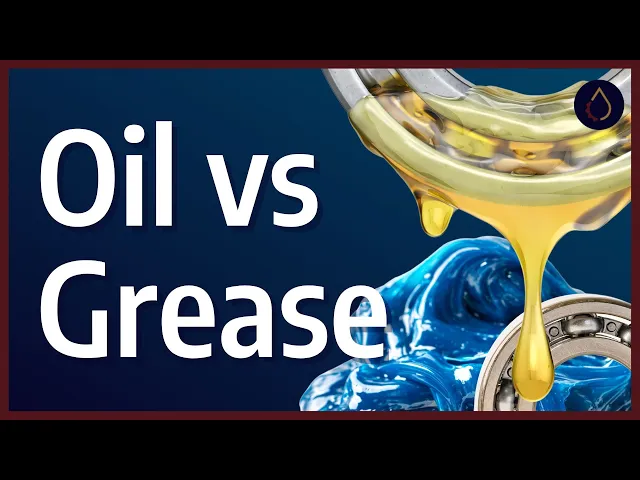
g'day everyone welcome to lubrication explained in this video we're going to talk about the differences between oil and grease and how they're used in different applications right so first off the definition so grease is mainly defined as a solid or semi-solid lubricant formed as a dispersion of a thickening agent in a liquid lubricant so if we were to look at sort of the compositional difference oils or lubricants tend to be about roughly 90 base oil and 10 additive now that changes depending on obviously the kind of lubricants so compressor oils for example are 99 base
oil and they tend to only have a little bit of additive in them thermal oils are almost entirely base oil then you go over to something like the engine oils right they tend to be highly advertised in comparison so you know these numbers are just a general guide but then with greases we've got base oil in a much lower proportion so in the ballpark of about 70 then you've got the additives which make up about 10 of the formulation and what's different about them is that you've got about 20 percent of the volume is taken
up by what is called thickener so if we were to answer the question what's the difference between oil and grease it's the thickener all right end of video no just kidding um the reality is that there are plenty of other differences so let's talk about some of those the first being leakage now this is probably the obvious one right so if i had bearings and i pack them with grease the thing about grease is because it's as going back to our definition it's a solid or semi-solid lubricant it doesn't flow the same way that oil
does so it tends to stay in place so that's that's great for applications where we really don't want leakage this makes greases ideal so you'll often find them heavily used in as an example the paper industry right so within the paper industry any kind of leakage of oil could damage the final product right so you imagine paper needs to be really white when it comes out so any leakage of oil is going to damage that final product and you're going to be losing revenue there are actually special paper machine greases which are made which are
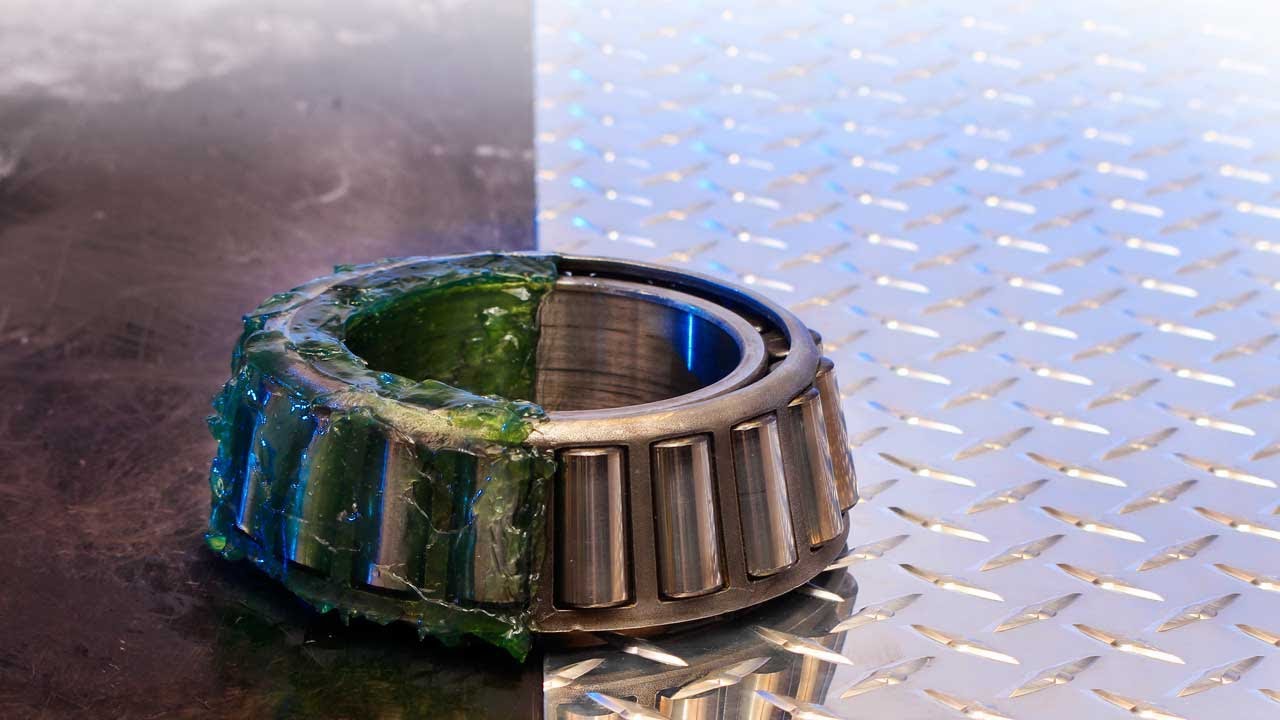
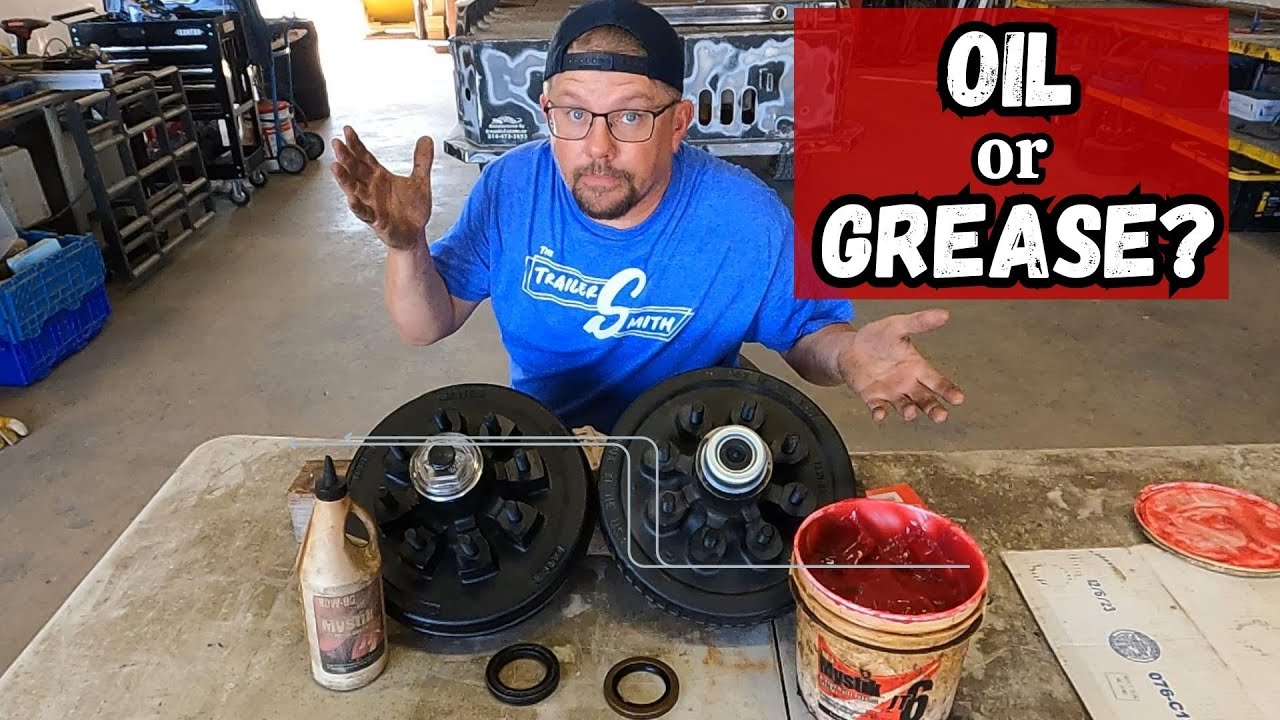
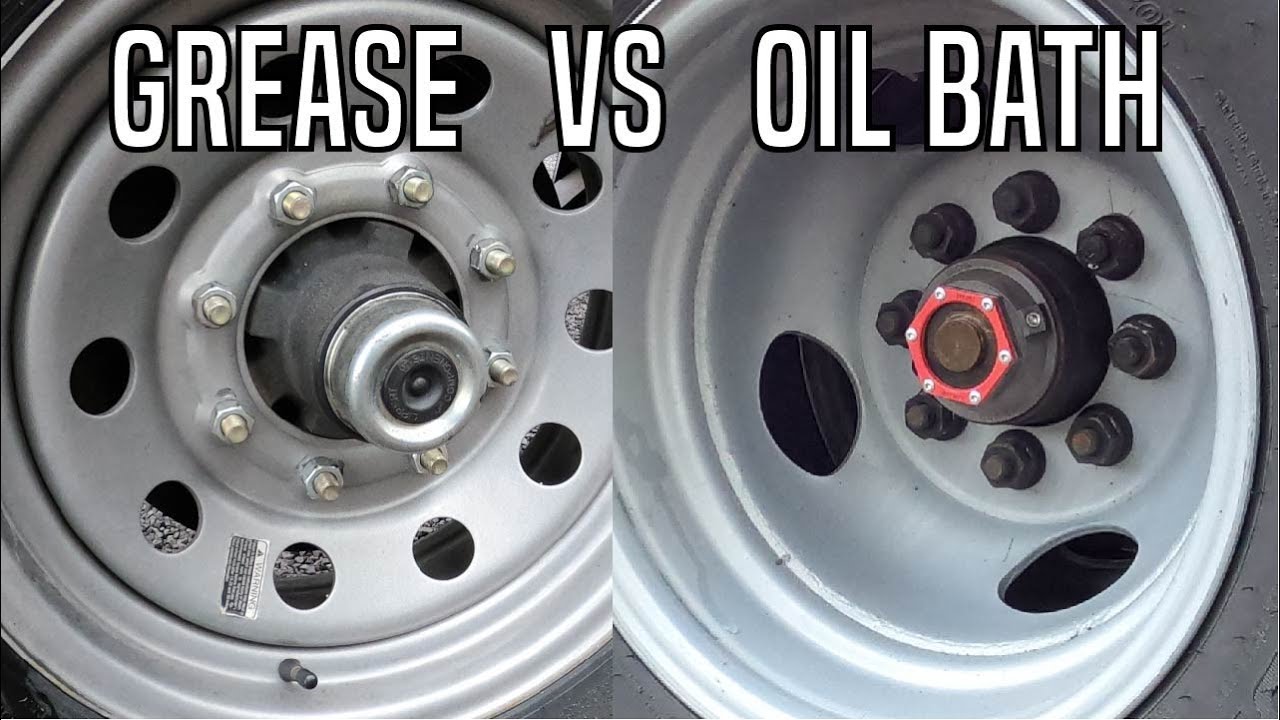
generally dyed white so even if there is somehow some leakage of grease it won't damage the final product too badly so that's probably the first and most obvious difference between a grease and an oil all right then we've also got contamination control now contamination control is very different for both an oil and grease so here there's a picture of wheel hub it's obviously packed with grease one of the advantages of grease is that it can keep contaminants out right whether it's wash down water as an example or maybe it's you know dirt so if you
have a highly con contaminated environment with maybe steam or dust particles grease is often a really good way of keeping that stuff out of the application now the converse is also true that unfortunately once contaminant gets into the application and gets into the grease sometimes the grease actually holds it and retains it in the application so once you have contamination it's really difficult to get it out without an actual grease purge whereas an oil with an oil contamination control works very differently if you have contaminants that are introduced into the system the the idea of
the oil is that it will carry those contaminants in suspension suspension and carry them to the filters where they're removed so from a contamination control perspective oils and greases operate very differently all right now let's talk about the location of an application so if we have a a bearing and let's say it's just splash lubricated right so it sits in an oil bath that's not a problem where we start to run into problems is what happens if the bearing is way up high in comparison with the oil reservoir so when the when the machine shuts
down all the oil tends to drain towards the low points right in this case the reservoir is all the way down the bottom and when we start up it's going to take some amount of time whether it's 10 20 30 seconds for the lubricant to reach the bearing so that's a period of time where virtually the bearing is unprotected we obviously don't have that problem with grease because it stays in place so if you have a an application which might be uh on a start stop interval and the reservoir is very low that could be
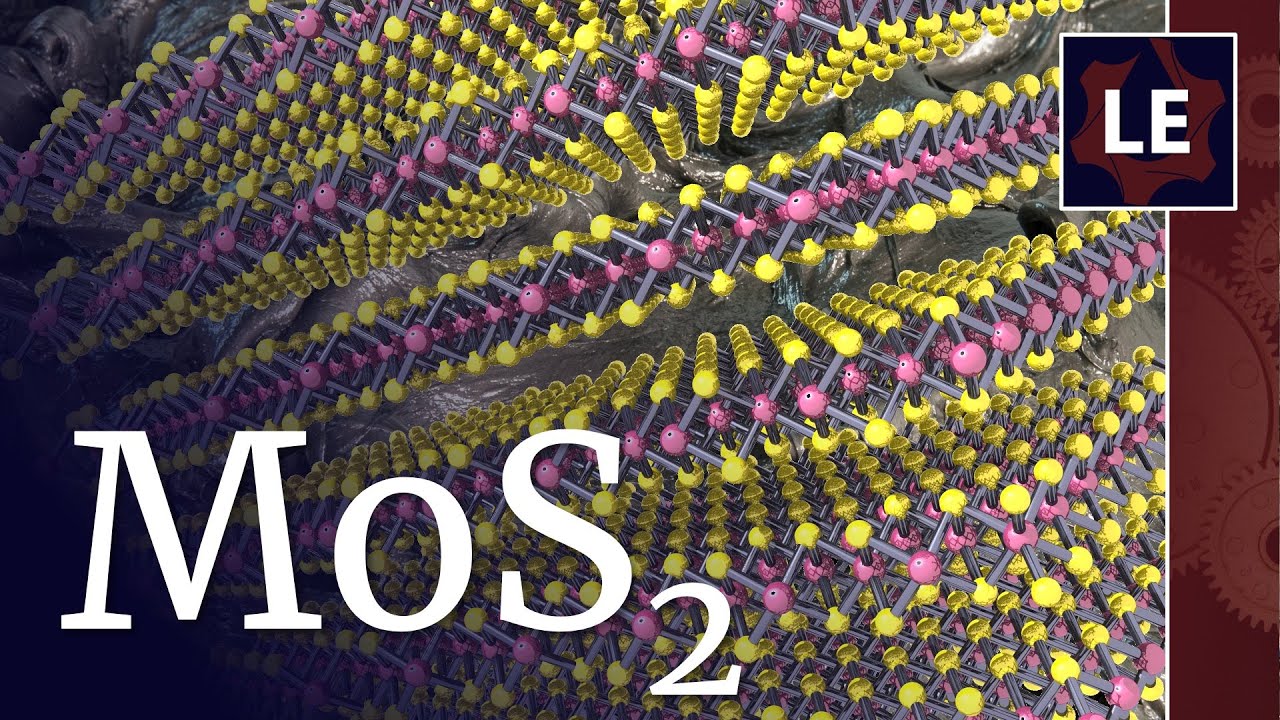
a really good scenario in which you want to grease a bur bearing versus using a lubricant external use um what do i mean by this so as an example with excavators you know greasing the bucket pins on an excavator if you were to use lubricant it would just kind of fall onto the floor it's not very tacky so it doesn't tend to stick when we grease bucket pins often we are able to use um also a a solid additive right so molly is is commonly used which enables if let's say for example um the excavator
uh were to go through a wash right there's washed down water that's sprayed at it and some of the grease is removed there can still be some solid lubricant that's left whether it's molly or or graphite as an example so often in external applications where it's where you're applying it either with a grease gun or it could even be wiped on you really need to use a grease rather than an oil finally we've got the fact that oil flows this might seem like a really obvious and basic thing to say but what does that mean
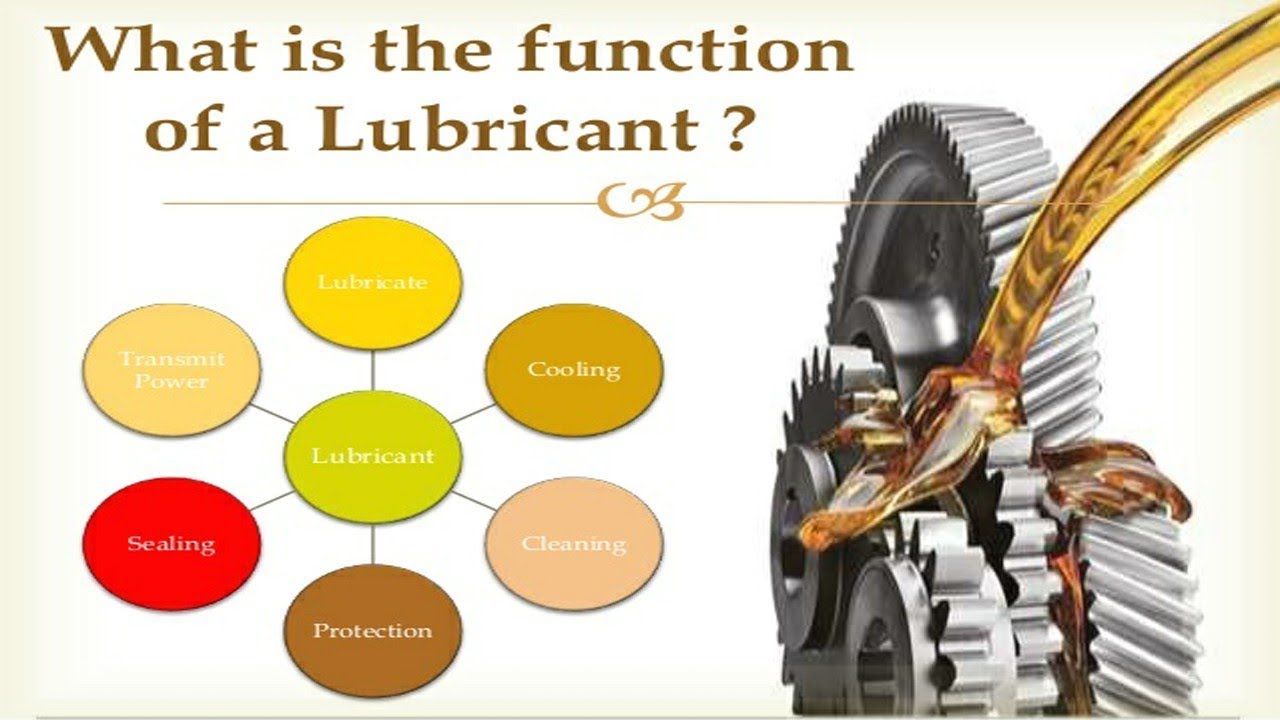
so in an engine one of the things that oil does is it carries heat away from the engine so distribution of heat is a really important function of the lubricant and grease can't do that so in a high temperature scenario the grease can't go anywhere theoretically that could mean that the base oil oxidizes faster because our general rule of thumb is for every 10 degrees over let's say 120 degrees celsius then the oxidation rate doubles right so if we're unable to carry that heat away that could in some scenarios become a problem the other thing
about oil flowing means that you can have a much larger volume right so there might might only be you know 100 mils going to a bearing but you might have a reservoir of one or two liters so at any one time you know only five to ten percent of the the total lubricant volume is actually doing work right so whereas with grease it obviously stays in the bearing or in the in let's say the gearbox and it continues to work 24 7. um obviously there are some you know caveats to that because we do have
centralized grease systems which are continuously distributing grease right so that's a little bit more similar to an oil system but it's important to note that oil flows where grease does not all right that is a really really quick description of oil versus grease and where you might use them we'll get into grease thicketed technologies and grease manufacturing processes in later videos but otherwise if you have questions or comments please leave them down below this has been lubrication explained you