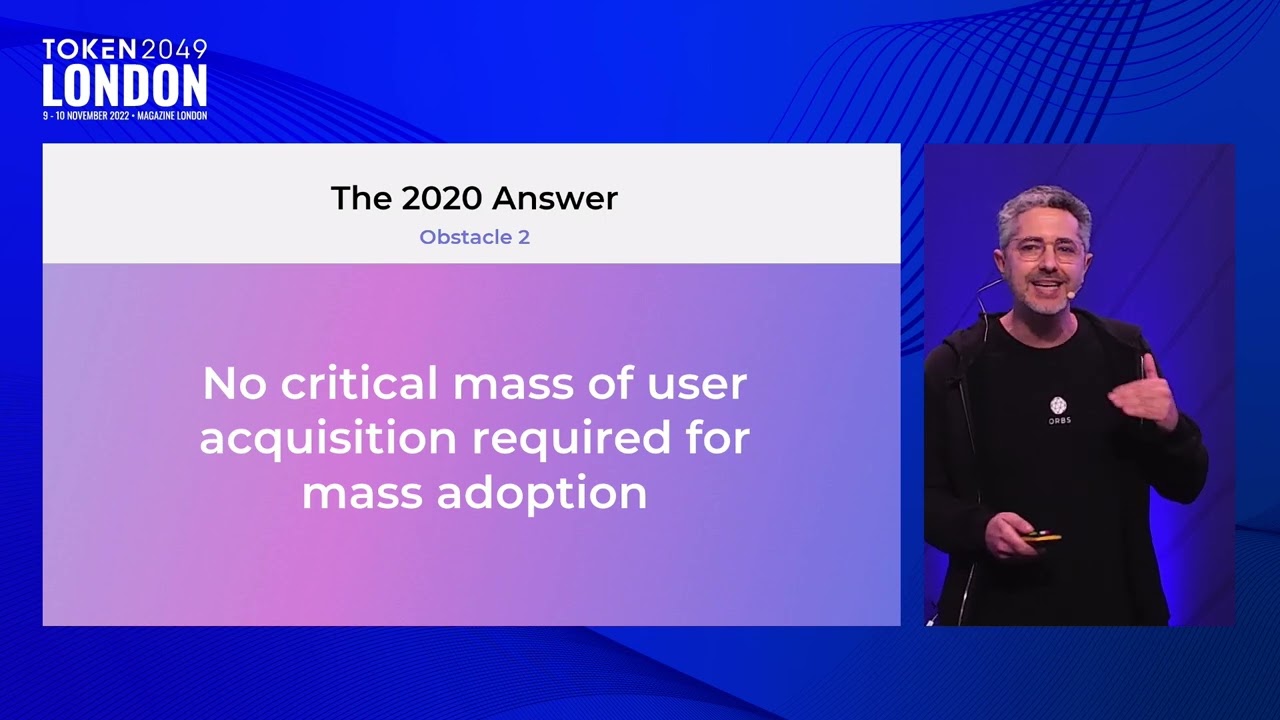
hello everyone uh my name is ross bates i'm sort of community marketing and management at pasik today i want to talk to you about the future of tokenomics currently in the sort of tokenomics models that we see in the space some of them aren't sustainable some of them struggle to lock in value and i want to share with you partick's approach on how we fix this a bit about economics essentially to economics is the economic value to a token that a project launches and it's how that business locks in the value to the token thank
you so before we do that i guess we want to have a look back in time and see how tokenomics evolved so in 2014 ethereum launched it brought a lot of innovation to the space it bought visionaries who saw a future in crypto and at this time tokenomics just a bit of an afterthought i guess moving on to 2017 and the ico boom it might make a lot of you feel a little bit uncomfortable for those that are involved in the time you might have flashbacks i do apologize but this was during a time when
all you needed was a website and a white paper in order to earn well in order to do a raise it was dollars it was it was money before tech and there were very few use cases during this time and it was just a fundraising time to be honest moving on to 2019 bear market hits everything gets destroyed essentially and what's left are survivors and these surviving projects were ones that concentrated on use case and adoption and that actually maintained value going on to 2020 and this is a shift change in the space defy decentralized
finance contesting against centralized a mass amount of money moved into the space most people here might have interacted with the lights of compound and balancer and rv and liquidity mining became a thing with all this adoption ethereum showed some scalability issues and we saw gas prices rise to silly prices but it was an exciting time to be involved moving to 2021 now we're all involved in this non-fungible token boom i mean we're seeing four of these stands today involved in nfts and talking about gamify and meta versus so this year the market reached the all-time
high bitcoin at 60 000. who'd have thought that back in 2012 and 2014. scalability of ethereum slowly being worked on with the implementation of 2.0 and as a result of the sort of slow progress that we see layer twos are starting to become a thing optimism arbitrary both evolving beautifully in the space so that's to now and there still is this tokenomics issue and adoption won't come without correction in the future we might see enterprise enter the space and tokenize as a fundraising round that makes sense they gain more capital more use cases for d5
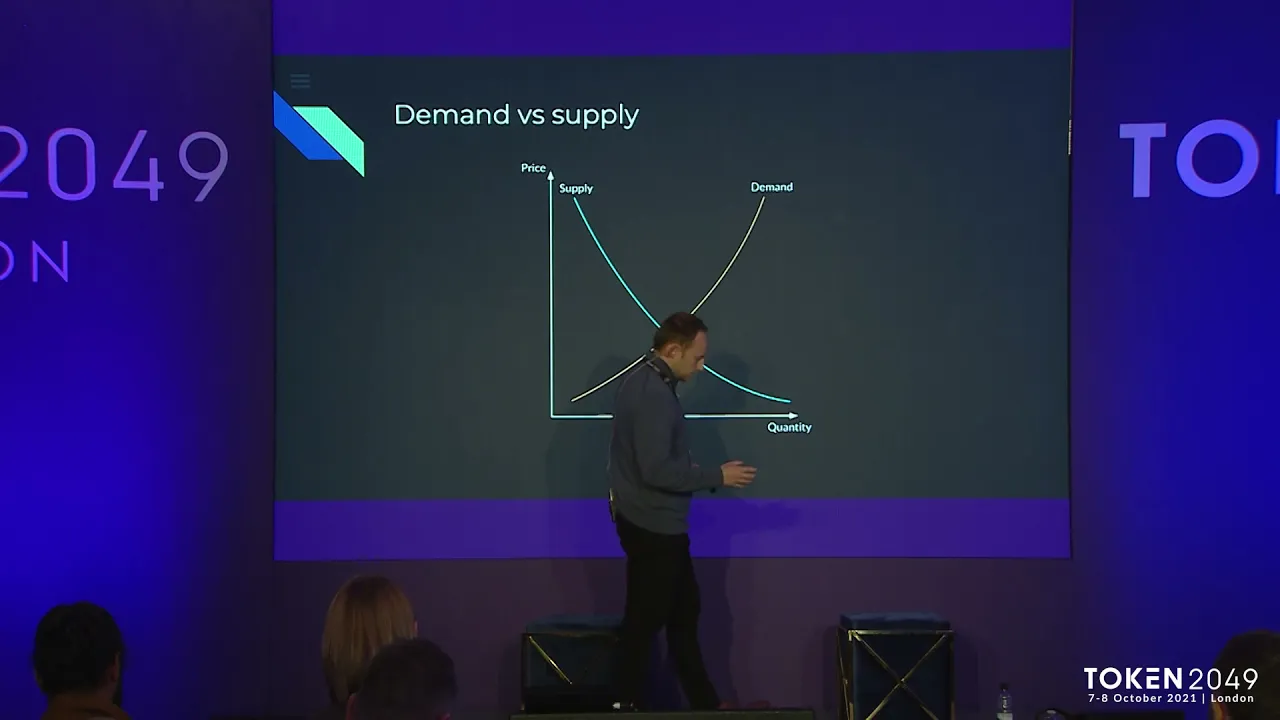
and nft will keep people around potential use cases and tokenomics models but there's still this underlying issue that underpins tokenomics speaking generally the holders are not incentivized enough to use tokens in the ecosystem tokens don't have any underlying value there is a disparity between companies success and tokens success there needs to be some method to align both supply and demand is one of the most basic principles in business excess supply lower demand and all this incorporates into the tokenomics problem so our solution at parsic and our vision is that we should move to a subscription
type model so service becomes expirable and renewable so for example a project offers a service the current model that a lot of people use is that their native token pay in their token so users pay using that native token and it's used as a discount token it's not sustainable and it doesn't lock in value option two which we're now suggesting a move towards companies that offer a service they use a subscription type token as a value the benefits of subscription in particularly and the tokenomics model that we want to implement is a hodlium-based model something
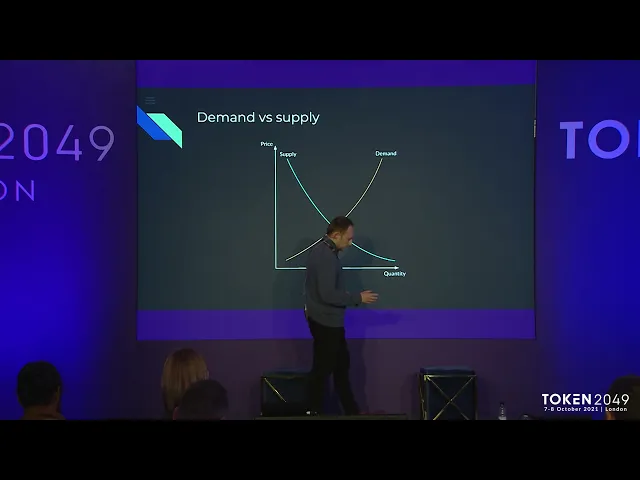
where you have to hold this token in order to unlock service now holding has lots of benefits it reduces circulating supply lower liquidity and we know with the basics of business with lower supply we see higher demand shown by the chart so let's talk about what parsik did we provide a blockchain data service moving data from on chain to off chain to automate your workflows a service we've now said that to unlock this service you have to hold a certain amount of our tokens for example one token if you want to monitor one address you
need one token if you want to monitor 10 addresses 10 tokens that's just an example there are scalabilities in the fees they're all roughly tied to a fiat price as well so that's what we've done so i guess the issue that arises now is service users in theory would have to buy the token and service users don't necessarily want to buy tokens that have volatility so we designed something called the iq protocol it's a decentralized money market for uh digital rentable assets now that service has made it's uh now that parsic made prq the unlock
to the service it can be rented so how do we do it when a project project launches a token essentially it has a service and it has a token and as a result what we have are holders and service users so coming back to how do we align them we create a renting pool holders place their tokens in the renting pool service users then rather than buying from the market and subjecting themselves to the volatility of price and the logistics of buying crypto can rent from the renting pool as they do that they'll pay a
service fee a rental fee and this rental fee is then streamed to users oh sorry it's streamed to uh our holders 50 over the first week and having a half life every week after that with subscription that always has to be a period of time when you have to renew so for the iq protocol we say every 60 days you have to renew your subscription and therefore re-rent the tokens creating a nice apy and passive income for the holders who put their tokens into the project so when service users take from the renting pool they
don't actually take the prq token they're essentially held in like a little escrow contract what they do take is a wrapped version of and it's this wrapped version that allows access to the services thus creating a risk-free environment they can take they can take these uh wraps tokens but at the end of the subscription period they are automatically returned and then we can place them on a market so people can bid to burn them which is all taken in the initial fee this isn't just a subject to ourselves we are happy to open this this
is an open source protocol but you may require parsix monitoring services to know what service users are holding and therefore unlock the services to them so where's the limits in this i think we actually can expand beyond a normal protocol let's take non-fungible tokens so an nft a person wants to rent their in-game sword that unlocks superpowers in the metaverse exciting as it sounds logistically it's okay with iq protocol so he then puts this sword into a renting pool a user who wants to use it pays the rental fee in return they gain a wrapped
version of this sword as long as there's a mutual agreement between the game or the metaverse and ourselves to accept our wrapped contracts then that nft becomes available in that metaverse so where else can we go let's take netflix for example let's say tomorrow netflix launches a token the netflix token instantly that's a fundraising round of i might say millions billions whatever the value it's a huge fundraising round and it's instant capital but they have an off-chain subscription brilliant but they can bring it on chain so now you have to hold 10 netflix tokens in
order to have your netflix service over the month and then renew every 30 days so some of you might be asking then well surely they've got to be buying crypto to be paying the service fee well we have intermediaries that allow you to pay and fiat so for the front end of the protocol you'll be interacting normally with fiat fiat currency and in the back end that's converted into crypto and market bought depending on what you want to stream your rewards as at parsic we stream our rewards as the prq token creating a constant demand
this protocol essentially has created this circular economy giving this value the token value that is correlated to the projects so thank you very much it was a short presentation um any questions feel free to come see me on the side and if you want any demos with stand m8 thank you very much