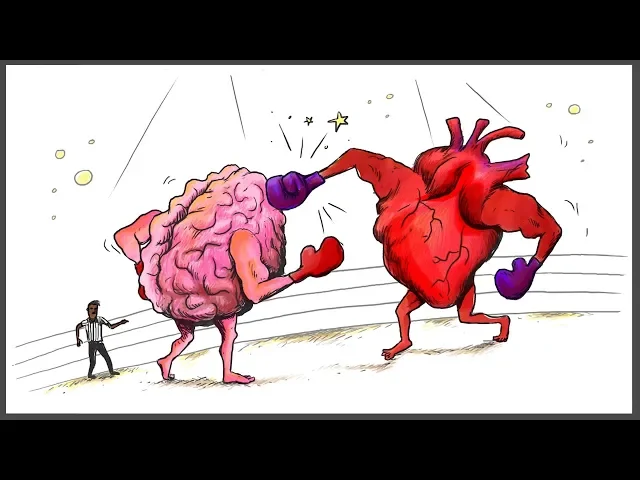
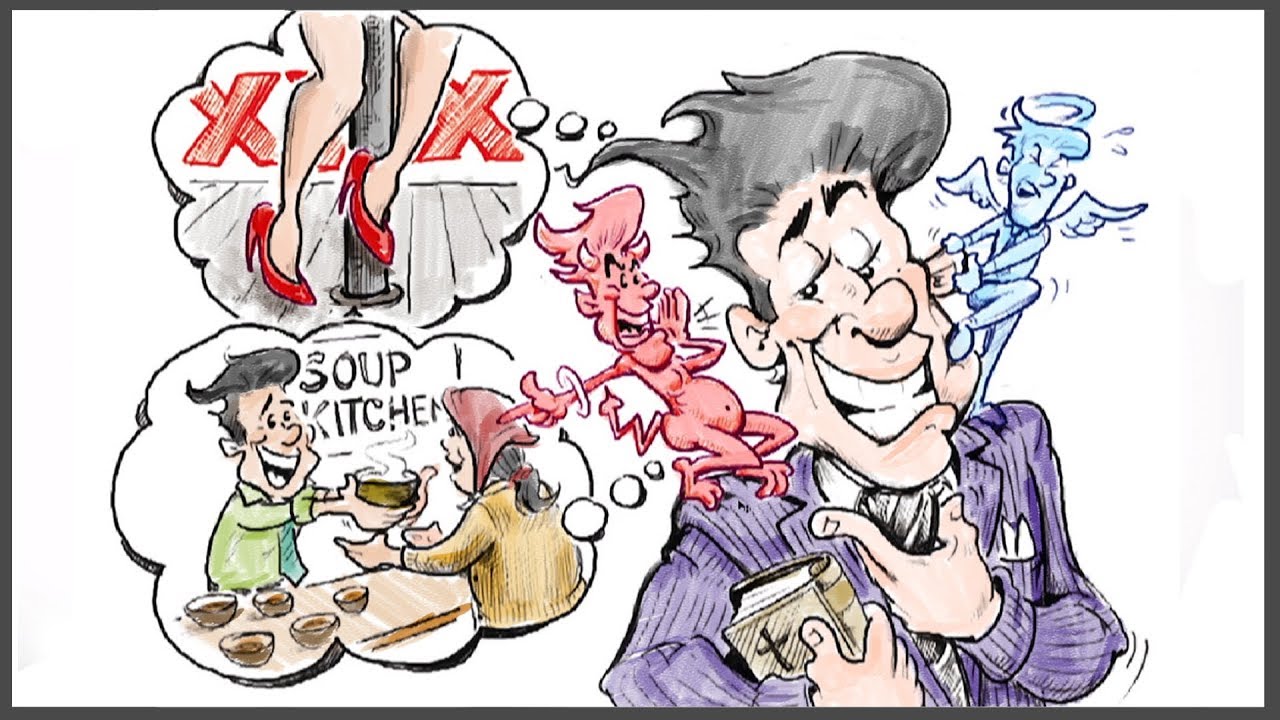
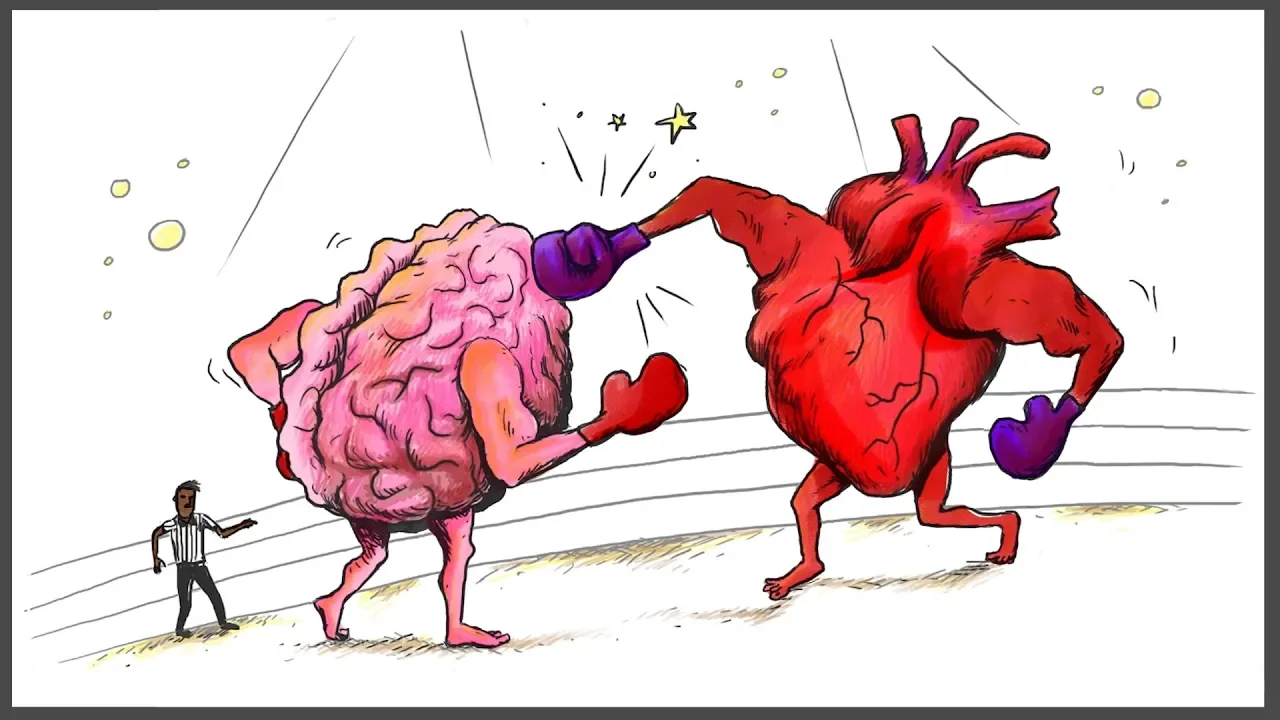
It seems to us that our moral judgments, such as “It was wrong for Paul to cheat on his wife," and our moral actions, such as “I am going to help that homeless person," are based on reason. However, most of our moral judgments are actually based on emotions or even mere intuitions. When we feel that we are reasoning to a moral conclusion, often all we are doing is rationalizing a judgment or decision that our brains have already made instinctively.
Now this shouldn’t be surprising. Some 90% of all of our brain’s decisions are made automatically and intuitively. Why should moral decisions be any different?
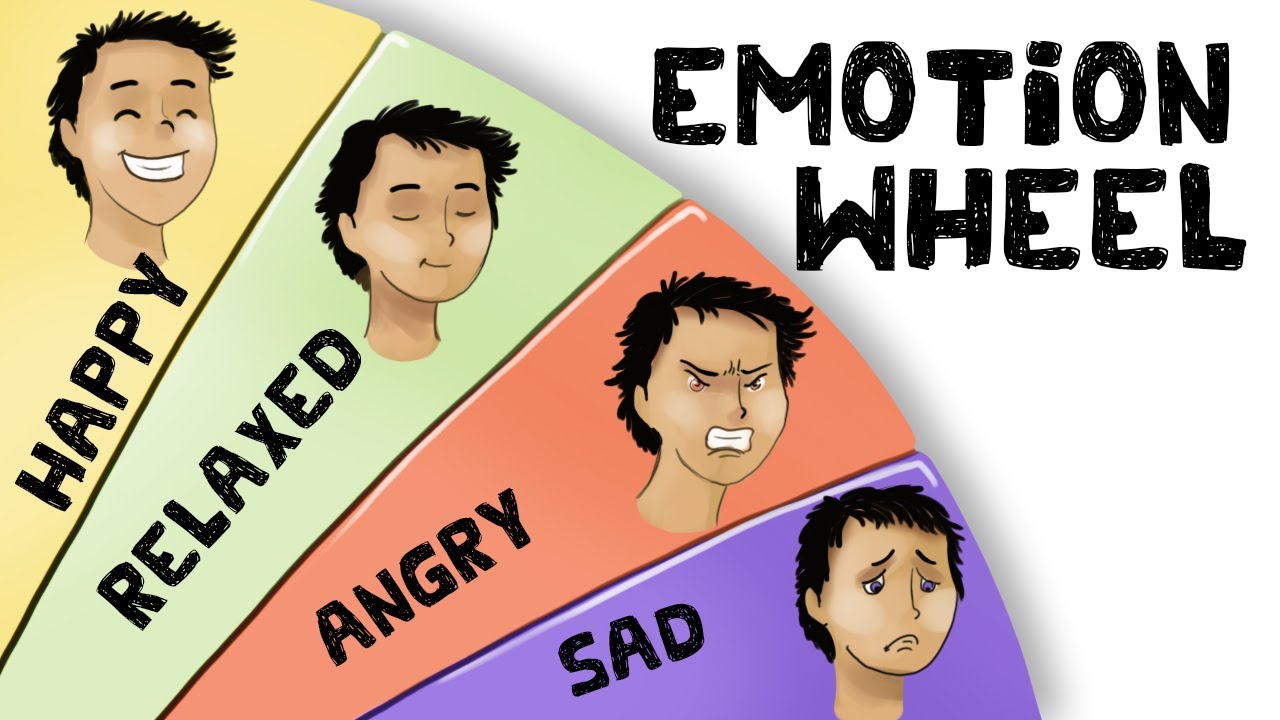
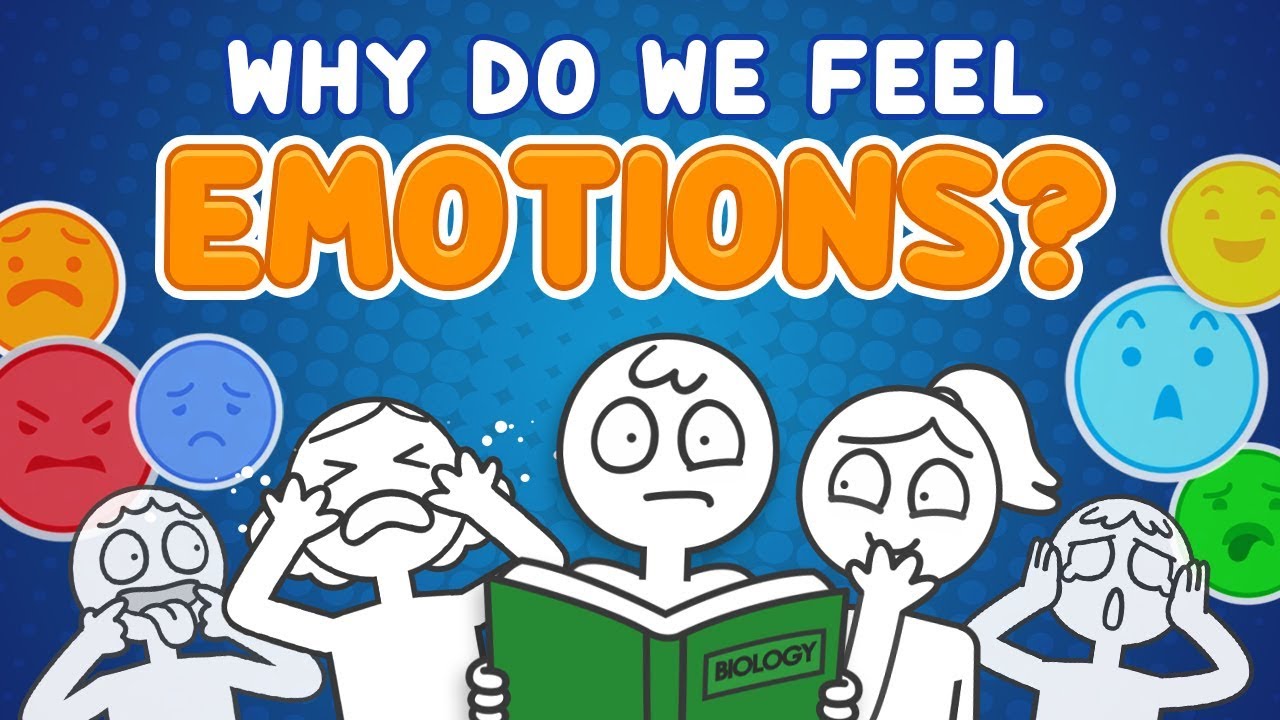
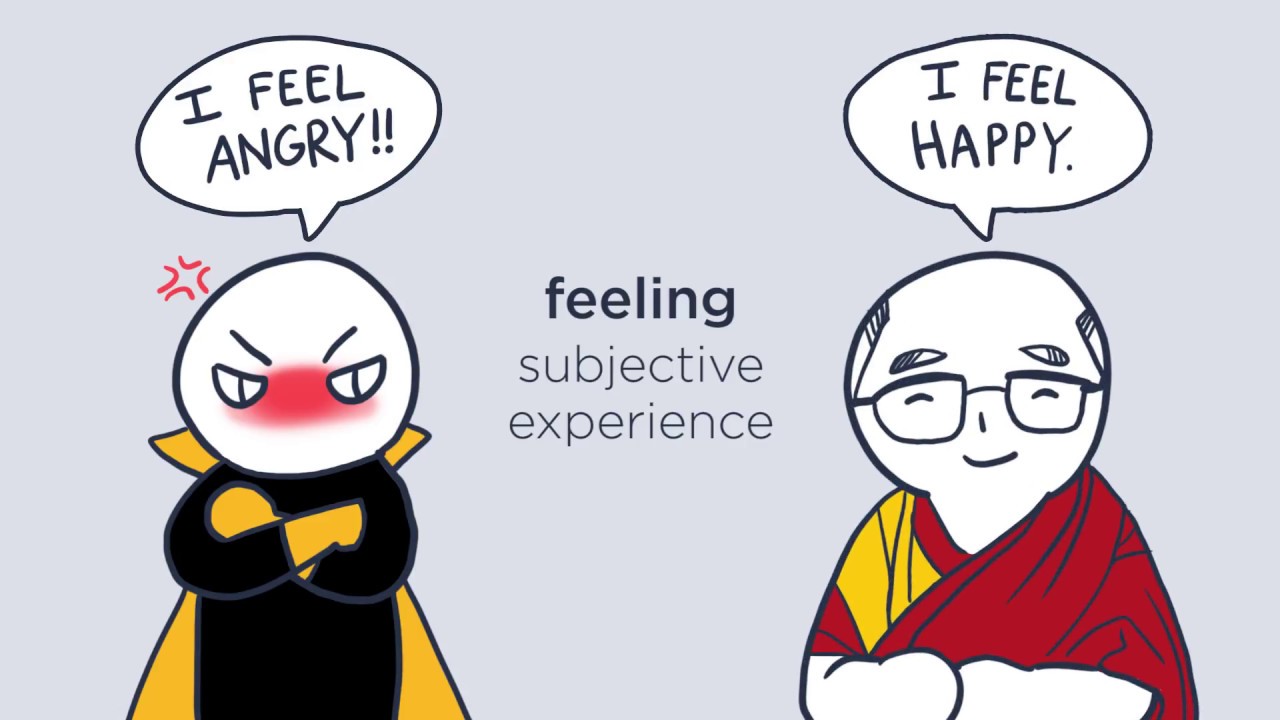
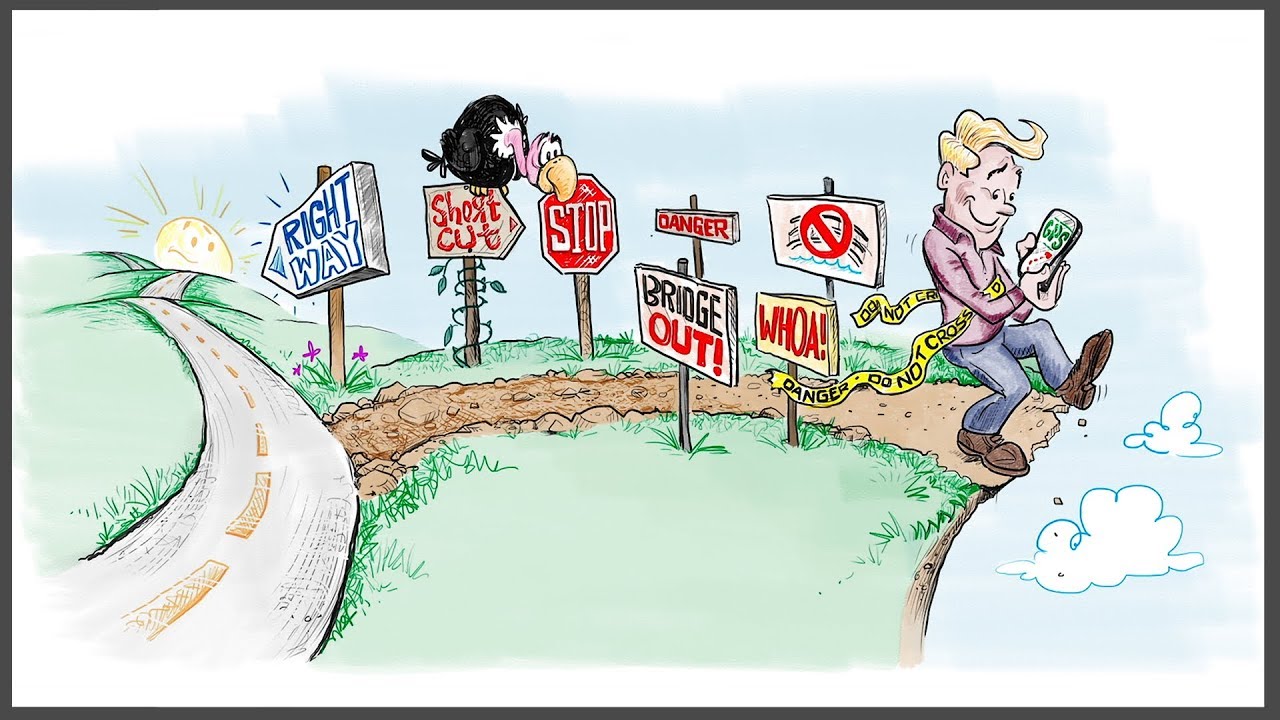
Even if you can rationalize something and kind of convince yourself that it's alright to do that, if you do have that gut feeling that this isn't the right thing to do, I think a lot of times that's a really important emotion to listen to. Many scientists believe that emotions have evolved in part to encourage us to obey society’s moral rules so that we can effectively live together in groups. For example, self-conscious emotions such as guilt, shame, and embarrassment motivate people to follow society’s moral norms.
Studies show that people with the most acute sense of guilt tend to be among the most moral and cooperative citizens. People are also motivated to do the right thing because they know that they would face other-condemning emotions such as contempt, anger, and disgust if they did not do so. For example, when Paul’s friends learn that he cheated on his wife, they will likely feel anger and he will feel shame.
His friends may punish him for this wrong. If I accidentally drop something, like a bag of chips or an empty bottle, you know, I might take a few steps and say, "Okay, I can just keep going or keep walking," but definitely that feeling of guilt or shame of what I did makes me actually, you know, steer me to the right decision and actually go back and maybe pick up that water bottle or wrapper for a snack or some sort. Other-praising emotions, such as gratitude and moral elevation, which people sometimes feel when they see others do the right thing, can stimulate people to act prosocially.
Studies show that people will be more generous and helpful themselves after watching others be generous and helpful. There are other-suffering emotions, also, such as sympathy, compassion, and empathy. These emotions often encourage people to help others in need.
Some experts believe that empathy is the most important moral emotion. Primatologist Frans De Waal writes that “human morality is firmly anchored in the social emotions, with empathy at its core. ” So, my wife gives back a lot.
She has this mindset of giving that I've grown into. Now I like, keep Cliff bars in my car for people on the side of the road. that, I didn't use to do that before I met her.
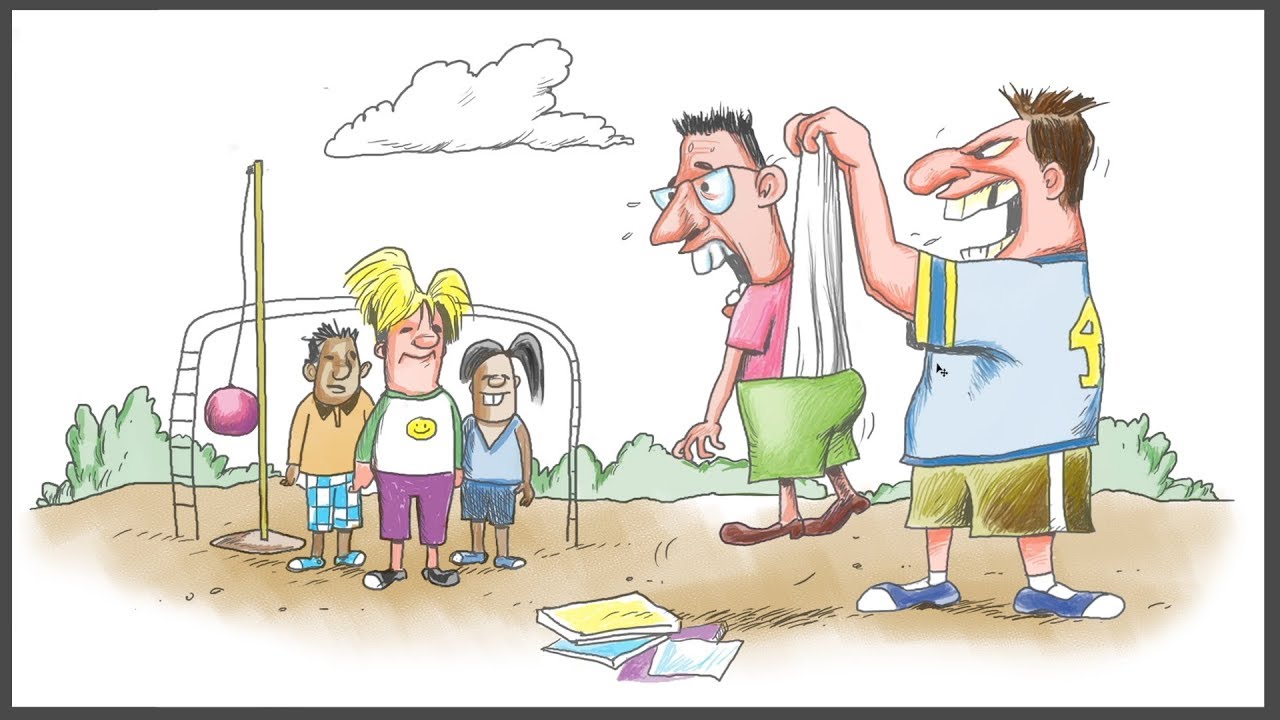
Professor Godsey, co-founder of the Ohio Innocence Project, argues that racism in any form is a type of dehumanization. People are often capable of dehumanizing others, concluding that they are not deserving of moral treatment. For example, colonial Americans dehumanized Africans during slavery, and the Nazis dehumanized Jews during WWII.
But we can thwart dehumanization with empathy. By consciously taking the perspective of others, we recognize their humanity, and can change our behavior. When you can see someone and see yourself in them, and see what they're going through through the lens of your own experience, I think that opens people up almost more than anything else, to acting for that person.
So, moral emotions generally point people toward doing the right thing and away from doing the wrong thing, but remember these caveats: First: our emotions are far from infallible. For example, the emotion of disgust often causes us to condemn the thing that disgusts us in moral terms. But there may be no rational moral basis to do so.
If we make a moral judgment emotionally, often we cannot rationally defend our choice, which is a concept called “moral dumbfounding. ” Second: although moral emotions urge us in the right direction, we often use rationalizations to deceive ourselves. We often overcome our guilt, shame, and embarrassment and manage to do the wrong thing anyway, like Paul did when he cheated on his wife.
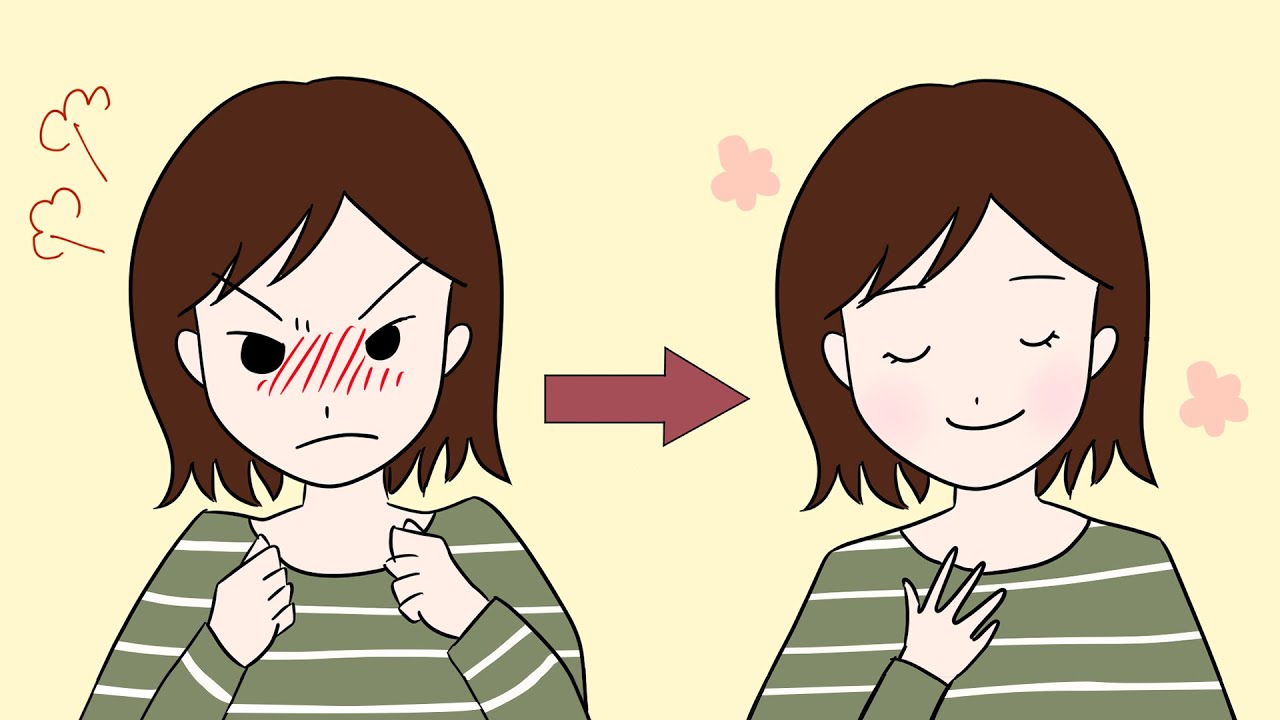
We use psychological tricks to be able to view our immoral acts as not so bad after all. Third, and last: our emotional reactions tend to beat our logical thoughts to the punch. Practicing mindfulness can improve our response.
With diligence and practice, we can at least sometimes override our automatic emotional judgments with thoughtful, cognitive calculation. I think a lot about where that balance has to happen and I think that's probably the most difficult part: finding the balance. I think every person makes decisions differently.
I think some people lead with emotions and some people lead with logic. For me, it's about being aware of the extent to which emotion is factoring in, the extent to which logic is factoring in If you're only basing your actions off your feelings, or on the other hand if you're only basing your actions on your thinking, then you're short-changing yourself.