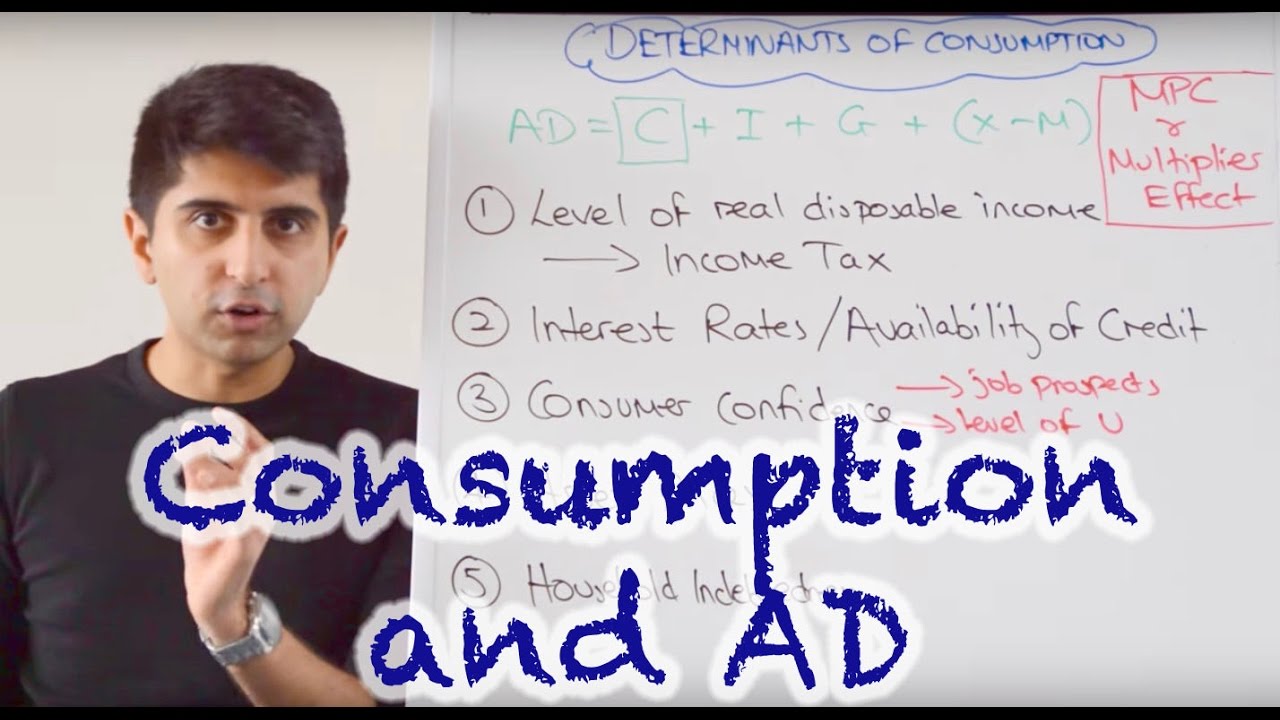
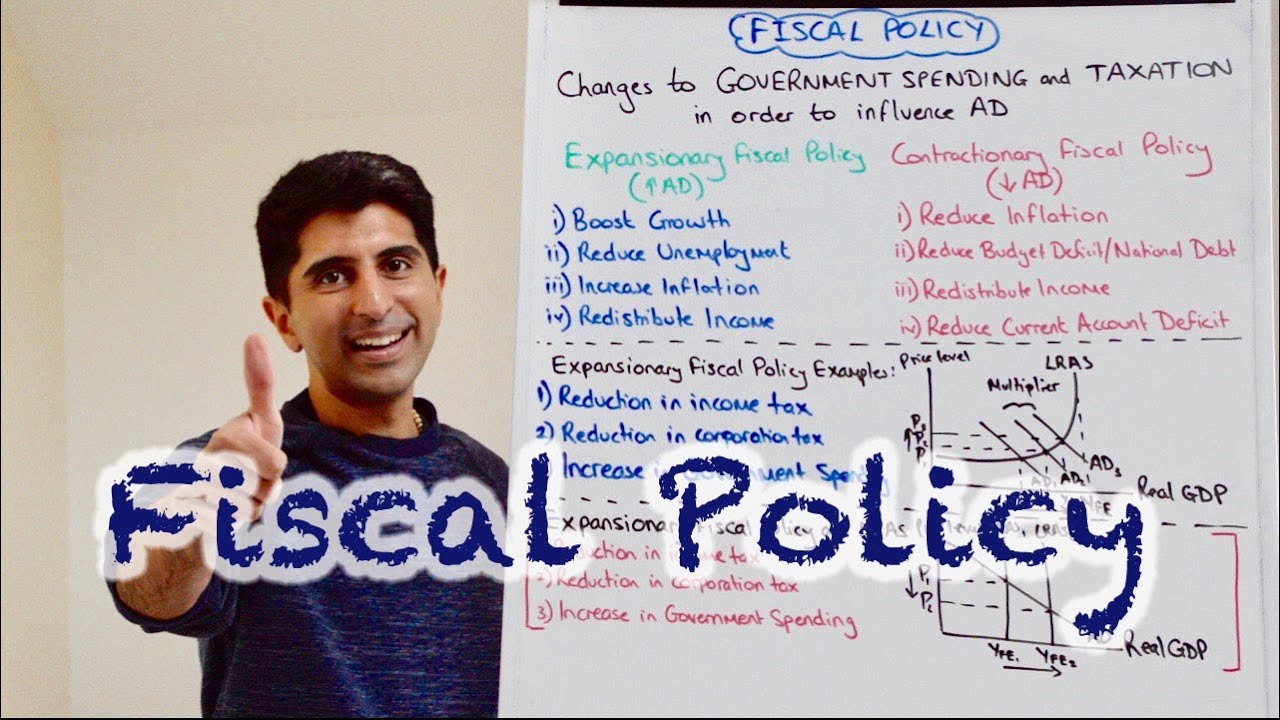
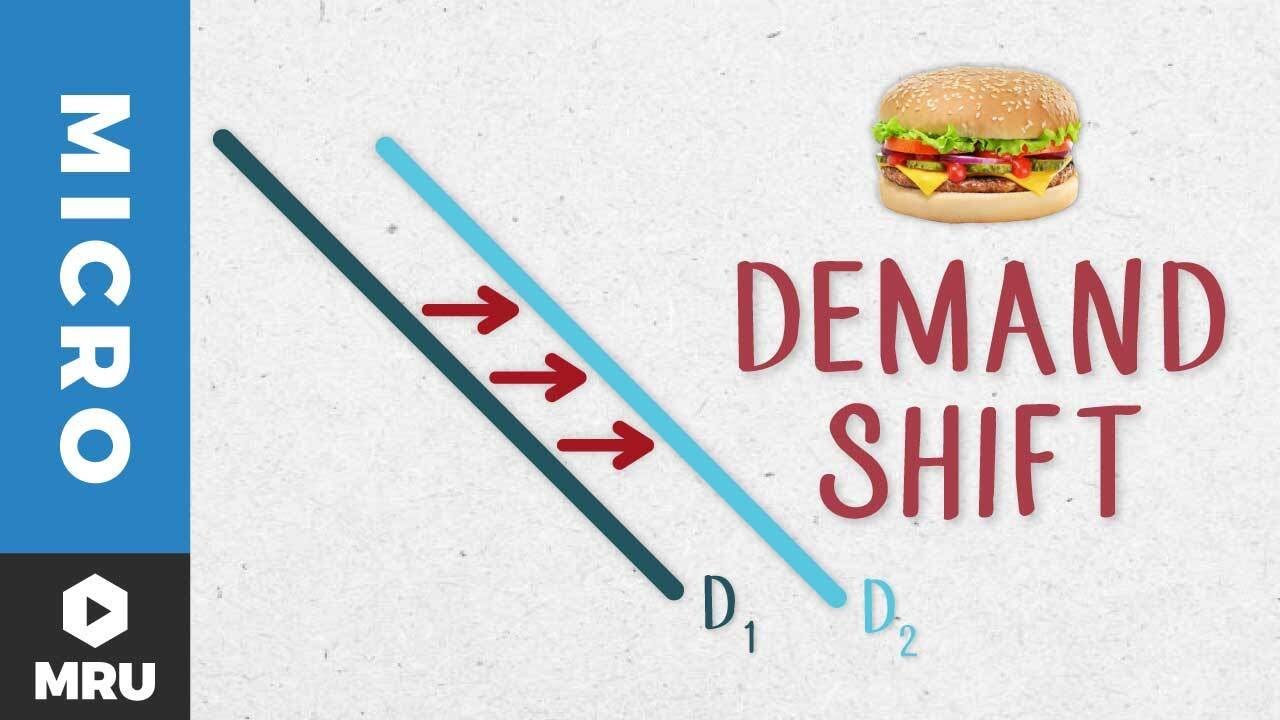
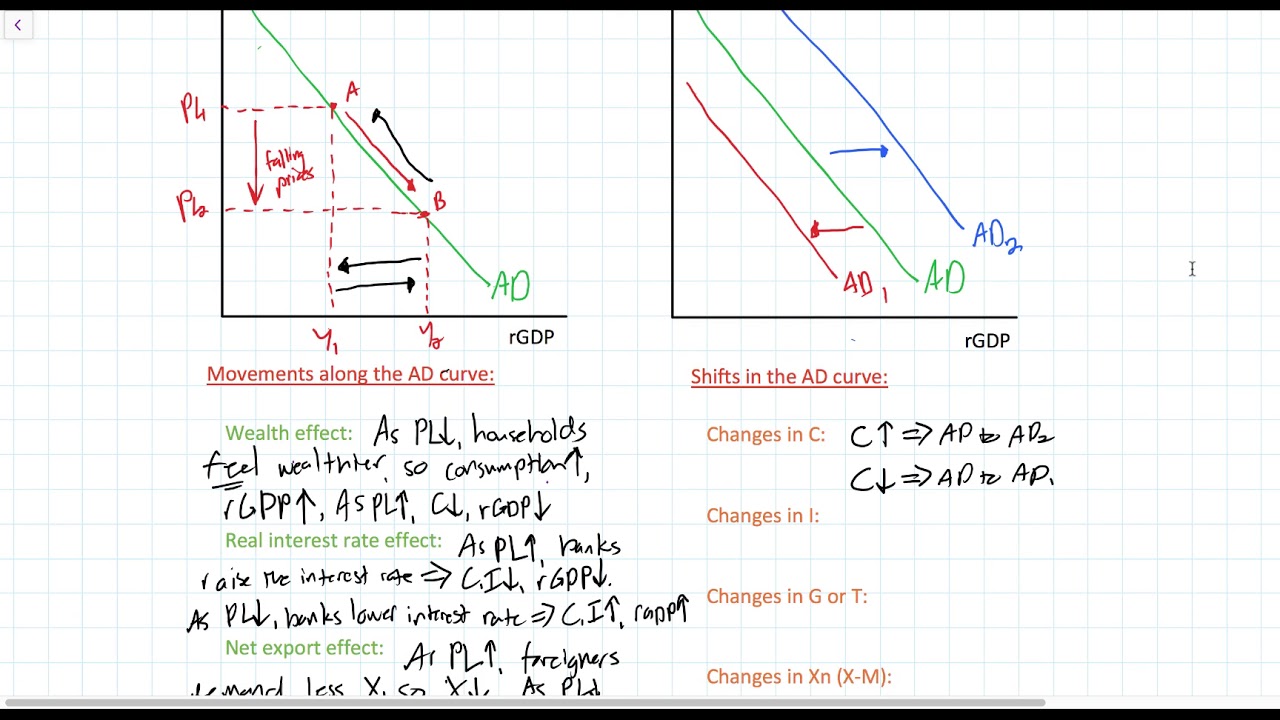
hi everybody let's continue by looking at factors that can shift the aggregate demand curve focusing this time on net exports remember the equation for aggregate demand which is C consumption plus I investment plus G government spending plus x minus M which is net exports let's now look at factors that can determine whether net exports increase or decrease and therefore whether aggregate demand increases or decrease if the value of this bracket increases aggregate demand will shift to the right how could that happen well exports could increase and or Imports could decrease that would increase the value
of the bracket and shift ID right if the value of the bracket was to fall then 80 would shift to the left so a fall in exports arise in Imports now remember aggregate demand is a measure of spending in the economy so you can't just say exports rise in quantity or Imports rise in quantity you've got to be specific you've got to make sure that you talk about export revenues coming into the country and import expenditure because that is what is going to be measured in the aggregate demand equation not the quantity of exports sold
or the quantity of imports bought into the country so be careful with that right what factors can influence the level of net exports in the economy well real disposable income earned abroad so if there is a boom abroad for example then uh folks abroad are getting richer their mod their marginal propensity to import Goods is likely to increase which means that for a domestic country like the UK the demand for our exports is likely to increase so if there is higher income abroad demand for exports is likely to increase which is going to increase export
revenues such as parabris and therefore shift aggregate demand to the right by increasing x minus n vice versa if there is a recession abroad especially in the countries of our major training Partners so take the UK that could be a recession in the USA a recession in Germany then the marginal propensity for those guys to import is going to reduce therefore the demand for UK exports is going to reduce the revenues generated from your UK exports will reduce reducing x minus M shifting 80 left similarly real disposable income earned at home so if there is
a boom in the UK the marginal propensity to import in the UK is likely to rise we call that this sucking ineffective Imports the sucking in of imports is likely to take place right and therefore our import expenditure is likely to rise so that's going to increase m in the x minus M bracket which is going to pull down the value of the bracket and is going to shift 80 to the left however if we get poorer so if there is a recession at home and we get poorer the marginal propensity to import is going
to reduce we suck in love that don't you we suck in less Imports therefore the input expenditure is likely to fall increasing the value of the bracket and shifting 80 to the right such as parabus of course exchange rates have a massive influence on x minus 7. so strong exchange rates or weak exchange rates now keep things simple guys yeah keep things really simple when you think strong or weak exchange rates go straight to my mnemonic devices these memory devices spiced and would app when we think spice we think strong pound Imports cheap exports deer
you got me on that one and with it that's the opposite weak exchange rate Imports dear exports cheap that makes your life super easy guys don't over complicate don't let your mind go into weird directions keep things really really simple those two the mnemonic devices is going to help you like crazy so you have a strong exchange rate it means Imports are cheap and exports idea if Imports are cheap what's going to happen to demand for imports well in theory demand for imports will rise and expenditure on import will rise not good that will increase
the value of n at the same time exports are more expensive than Dira that means demand for exports will fall and revenues generated from export or 4 reducing X so a lower X and a higher M this bracket is going to fall in value and shift 80 left a strong exchange rate bad for an economy in terms of AD shifting left weak exchange rate the opposite will happen Imports become more expensive therefore demand for imports will fall and the expenditure on import is going to fall as well good so the value of n is going
to go down exports become cheaper so demand for exports increase the revenues generated from exports will increase increasing the value of x therefore the value of this bracket will be higher shifting 80 to the right so weak exchange rate especially for a trading economy like Japan China or Germany is great great news because x minus them will increase and 80 will shift to the right okay so that's a big determinant of x minus 7 and therefore of a d protectionism at home and abroad of course right so if there is strong protectionism abroad maybe tariffs
on UK exports quotas on UK exports maybe even sanctions or embargoes on UK exports or non-tariff barriers on UK exports that might prevent us being able to access International markets with our exports and uh will reduce the amount of export Revenue we can generate so there are strong protectionism abroad the value of x is going to be lower vice versa if there is very low levels of protectionism abroad it might be easier for us to access International markets and to sell exports and to earn revenues however if there is protectionism at home which is strong
it might mean that the value of input expenditure is going to be low so if we have high tariffs on Imports coming in from abroad or quotas on imports from abroad or if you have embargoes on imports from abroad it will reduce import expenditure ET cetera's parabus and therefore reduce the value of M and help to shift ad to the right as the value of this bracket increases okay so protectionism at home and abroad is a key determinant of input expenditure and Export revenue and also relative inflation levels at home the word relative is very
important comparing inflation levels to other countries not just looking at inflation in isolation at home but looking at inflation relative to inflation rates abroad so if inflation in the UK is higher than inflation in other countries around the world especially in the countries of our major trading parties then our exports is going to be less competitive demand for exports is going to be lower the amount of export revenue generated will be lower so high in relative Innovation reduces export competitiveness reduces revenues from exports reduces X in this bracket which can then shift 80 to the
left but if there is low relative inflation in the UK vice versa demand for exports can pick up our exports are more competitive and therefore revenues can increase shifting 80 to the right as the value of x minus M increases we can also look at relative inflation in terms of what might happen to import expenditure so there is higher relative inflation at home it's not just it's not just exports that become less competitive but Imports become more competitive it might be cheaper to buy those goods and services from abroad if they can be imported as
opposed to buying them at home where inflation is higher so if there is higher relative inflation yes exports are less competitive but Imports become more competitive so also our input expenditure may rise so bear that all in mind these are all the key determinants of x minus n if x minus M goes up in value 80 will shift to the right if x minus M goes down in value ad will shift to the left okay so looking at export revenues and import expenditures is key when you link all these factors to the x minus M
equation thank you so much for watching guys hopefully that all made sense normally students are not very good at determinants of x minus M they get very confused so do ensure you've taken this in and you're confident with this Theory thank you so much for watching I'll see you all in the next video