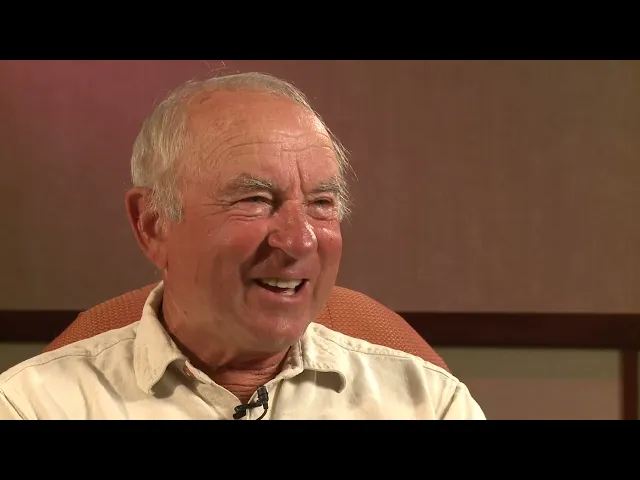
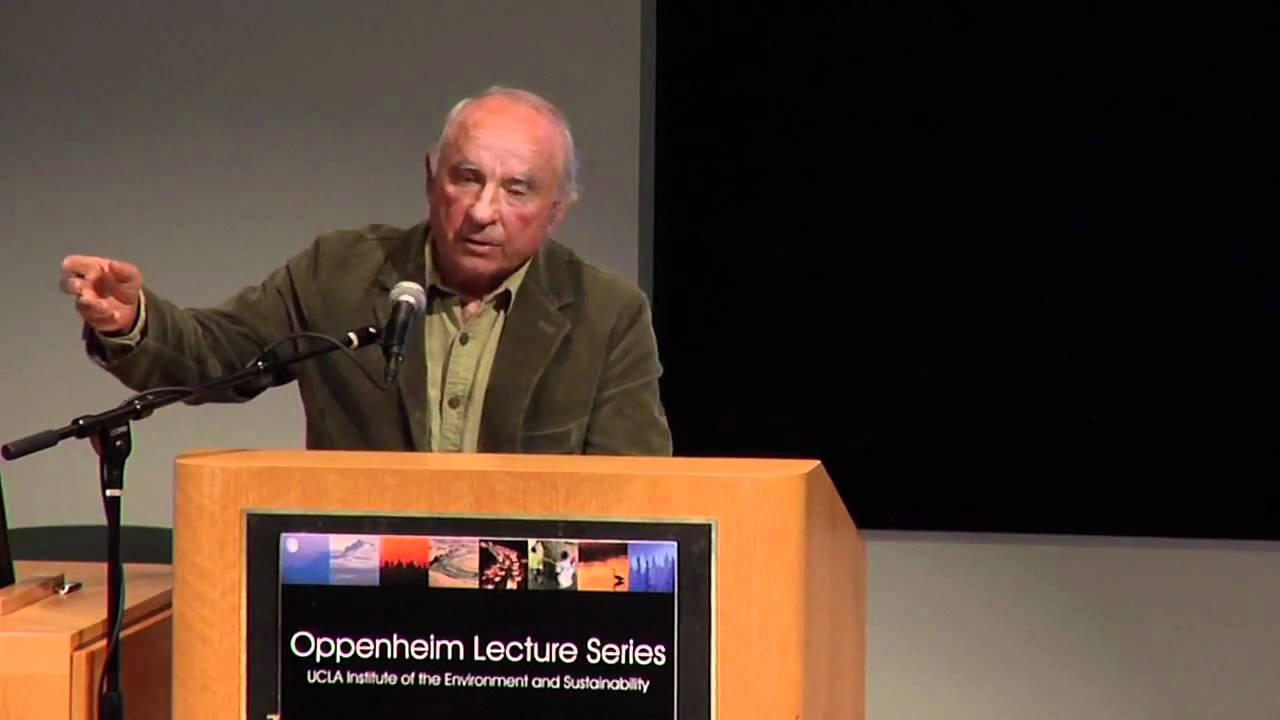
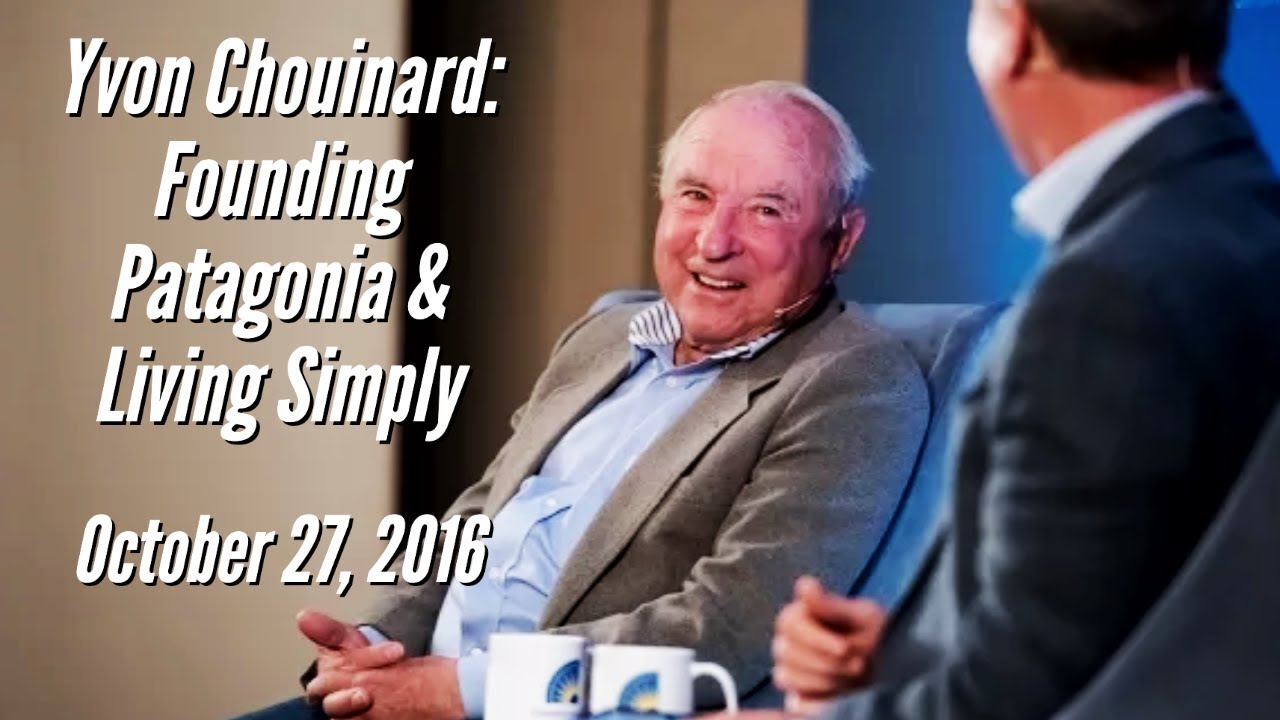
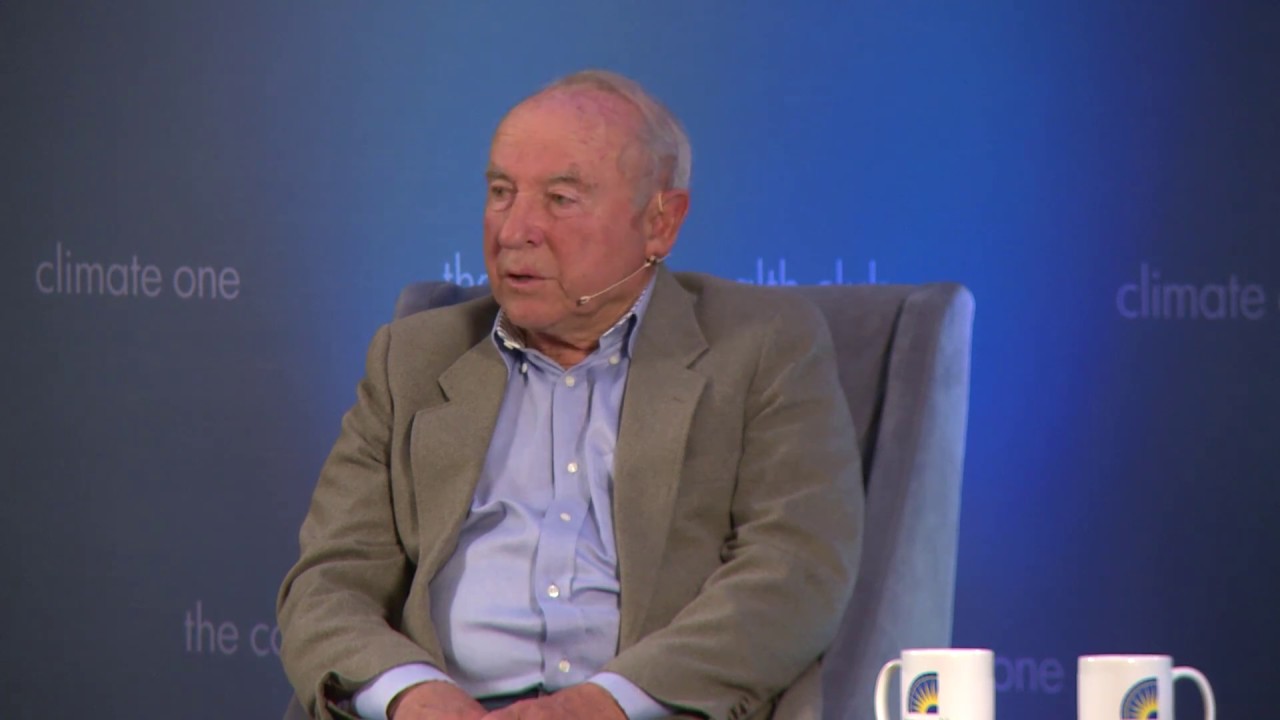
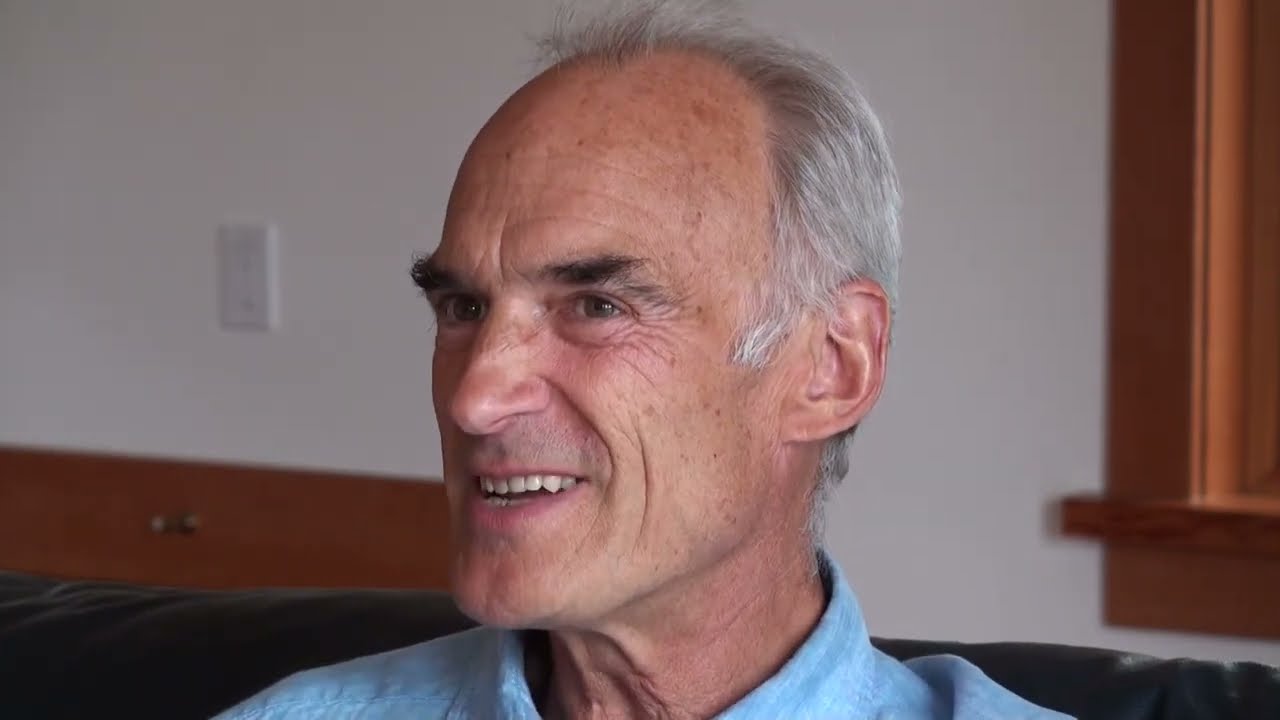
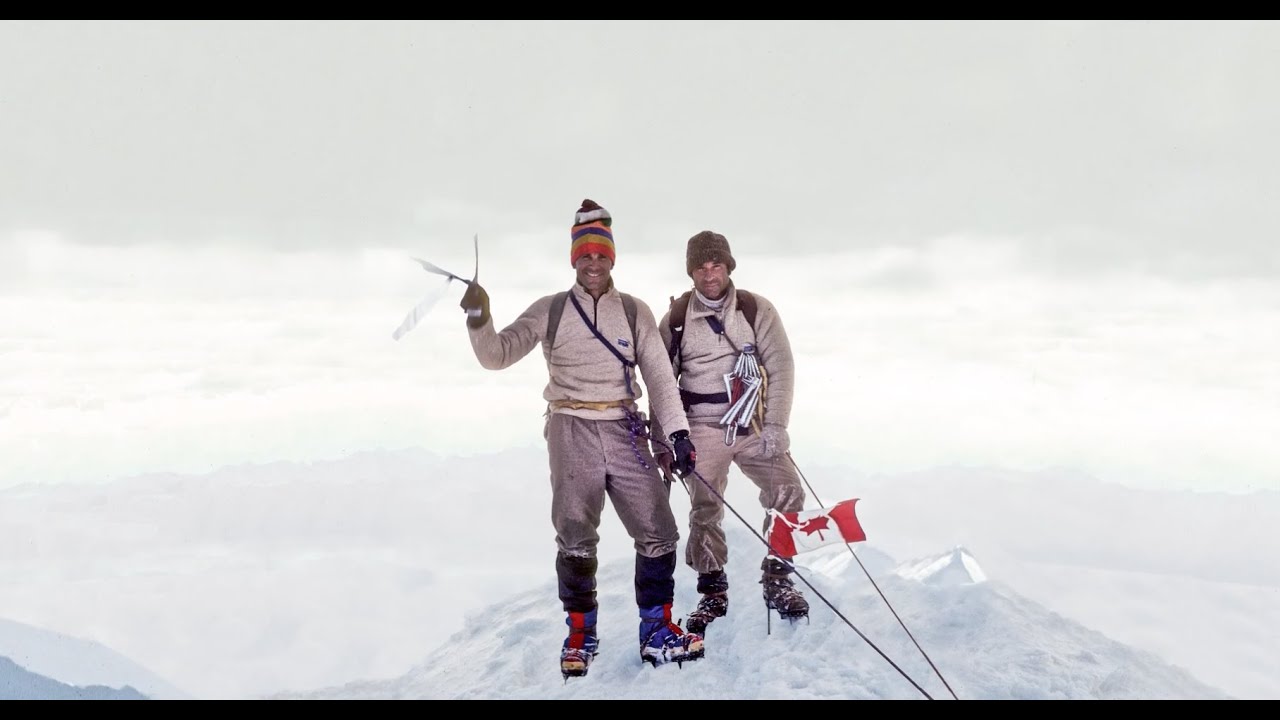
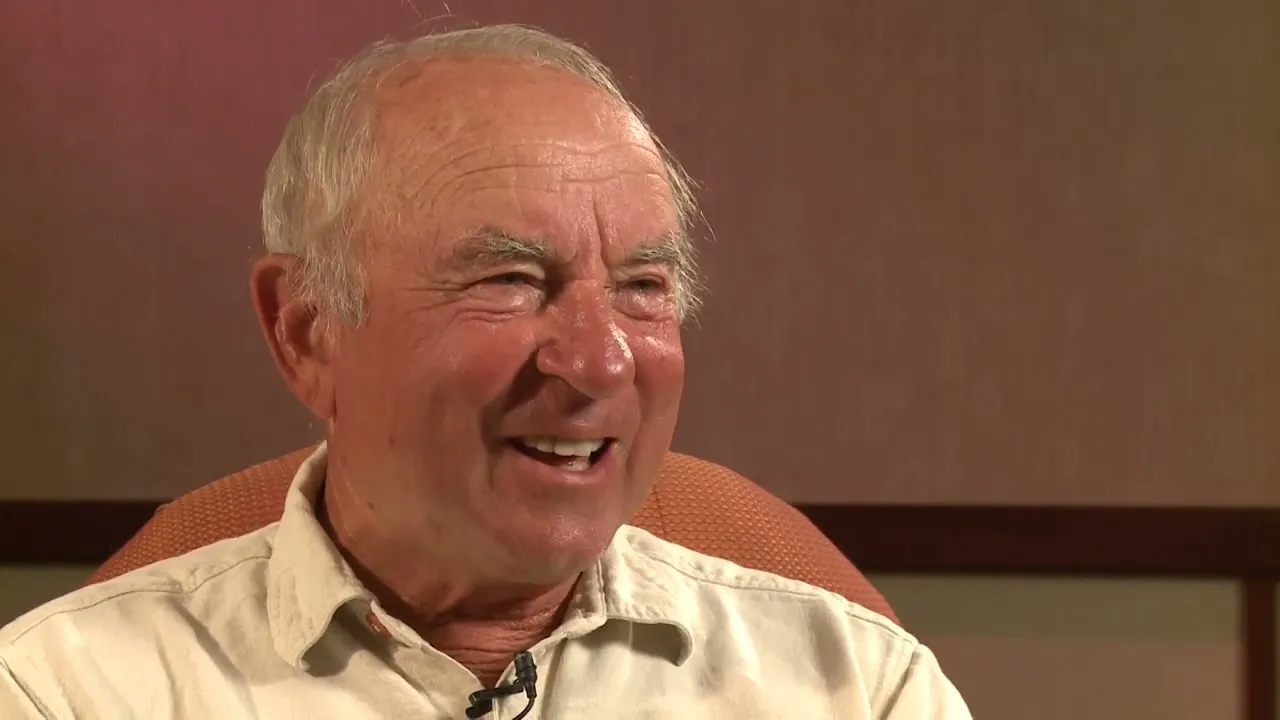
[Music] ivan schwannard detests business but he's a very successful businessman all the same he's the owner and president of the sportswear giant patagonia which he describes as my resource to do something good schwinnar's father was an impoverished french-canadian mechanic who moved his family to los angeles in 1946. as a teenager yvonne became a falconer Which led him into rock climbing which led him into equipment manufacturing which led him into outdoor apparel today patagonia is an enormously successful global company and ivan schwarner is a new kind of businessman who believes he says that the accepted model
of capitalism that necessitates endless growth and deserves the blame for the destruction of nature must be replaced patagonia has a wildlife rescue facility At its headquarters donates 10 of its pre-tax profits to environmental causes and gives two-month paid leaves to employees who want to work full-time for environmental organizations and that's only the beginning ivan r believes that the key to success is to hire excellent people and then let them run the company this leaves him free to pursue what he calls his mba management by absence traveling the world speaking to environmental causes And challenging business
to reinvent itself i want to start with a quote from ivan schwenner which was if you want to understand the entrepreneur study the juvenile delinquent what lies behind that that insight well you know i think like i wrote in my book the juvenile delinquent you know he basically says that this sucks i'm going to do it My own way and some of the most successful businessmen i know have done it their own way and kind of broken the paradigm and because you know when you're trying to start a business you want to do something that
no one else is doing i mean why try to compete against existing businesses and it takes the juvenile delinquent to have the The creativity and and the will to to go against everything that people say you have to do and like in you know we hire in my company we hire i have 1200 employees worldwide i probably have two or three with mbas i i was i was always a craftsman my father was a craftsman my father was born in In quebec started working at 12 years old walked over the border into maine and started
working in a mill at 10 years old actually 10 years old and but he became a tradesman and could build an entire house by himself so i kind of inherited those genes i think and so i'm not i'm an innovator not an inventor but I look at products whether it's a tablespoon or whatever it is i can say that thing's ugly i could make a better one of those and so when i was young i was a mountain climber and i looked at all the tools for mountain climbing and they were all really rough and
didn't work very well and they were made real cheaply and so i thought i can do Better than this that's how i started out in business so that's been that's been the story of my business is just taking existing product whether it's a dress or uh whatever and and making it better you were actually quite hostile for business we're and i suspect are quite hot all my businesses are in broad sense i'm a child of the 60s and stuff i mean That's in the 60s you were against everything you're against the military industrial complex you're
against your parents you're against you know everything going on in society so it's rebelling and so a lot of those qualities i still have in me but you came to believe that business Was really the source of the major environmental problems right that that we needed to well capitalism in any case needed to be abandoned and replaced yeah eventually yeah i saw that as i mean i i i've had several times in my life when i woke up and i realized i was part of the problem and that I should do something about that so
that i was part became part of the solution rather than the problem the first time was when i was you know blacksmithing pitons and we started making hard steel pitons because they could be used over and over again and in america we were coming from You know reading thoreau and emerson and john muir and you know the great naturists in america and we felt like you shouldn't leave anything behind go into the wilderness but leave nothing behind whereas the europeans their attitude was conquer the mountains and then make them easier for the next party so
they would make as cheap as pitons as they possibly Could and then drive them into the rock and leave them there so that the next party would have an easier experience and you know it was manifest destiny kind of and we thought that was wrong that you should go into the wilderness and find no trace of having been there of anybody else so i made pitons out of hard steel that could be taken in put in and taken out easily But you know with every technology there's an unintended consequence every single one i've never seen
an instance where there isn't and when they got to be so many climbers putting in their these pitons and taking them out it was destroying the cracks it was making you know a little crack this big suddenly was this big And it was destroying the rock and so i thought i'm responsible for this so i should do something about it so then we came up with a different method of protection for climbing where you take little aluminum chalks and just put them in with your fingers pull them down and they you know a little wedge
in a in a in a crack and they were Turns out they were just as safe as pitons but then try to convince people who are you know pounding these pitons in with a 20-ounce hammer that they should rely on this with their lives so then you know i've always felt the only way to lead is by example so myself and another guy went and climbed uh a multi-day route on el capitan and Yosemite using no hammers just putting these little things in to show the world that uh that you could get by with this
so that was my first real experience in seeing that i was the cause and that maybe i was also the solution and that that that is the other thing that strikes me about that story is that you started out Making products that people relied on for their lives and that's got to have something to do with your you know firm insistence that quality is that is at the top of your list of priorities yeah you know i think a lot of the problems that we're having as a society as being an unsustainable society i think
can be solved through quality When you're talking about employing people technology is not going to employ people it's going to destroy jobs the more technology we have the more robots we have whatever it is automated machines it puts people out of work and doesn't necessarily make the best product and take agriculture for instance You know this industrial agriculture is feeding more people in the short term but in the long term it's destroying millions of acres of crop land is polluting our planet it's uh it's giving us food that is not as nutritious and i think
the solution in a lot of cases is what david brauer says turn around and take a forward step in other words go back to labor-intensive organic agriculture Which employs people in meaningful work i mean i would much rather be picking fruit in an orchard than working at a computer all day myself and so i think i mean for me that's uh whenever whenever i'm stuck with a business problem the answer is always quality increase the quality As opposed to a lot of businesses say oh our profits are down this year decrease the quality decrease the
service you know have our customer service move to india put less people on the phone and have a longer waiting period whatever it is it's always decrease the quality for me the answer has been to increase the quality and i think if we want to employ people in the world we have to consume less But consume better in other words make products that last a long time they're multifunctional one little part breaks down you can repair it instead of throw the whole piece away which is you know all electronics now you can't repair any of
that stuff yeah i notice how they repair cars now they take out entire units throw them away and put another unit in instead of repairing the unit So i i i mean i could go on forever about quality but i think that's the key to changing our society i had a house built recently out of all recycled materials we built it out of broken up sidewalks actually 28 inch thick walls i never have to heat it never have to cool it it's like living in a cave it's sort of ambient temperature that's comfortable and It's
built to last 200 years and it costs more to build it but it won't you know you won't have to tear it down in 50 years and build another one and then another one yeah yeah and there's no real reason that it shouldn't last more than 200 years either if people you know if people maintain it as the years go by yeah i mean look at look at the old brewery over here where we have our patagonia store it's That thing was built what 18th century so it's still standing built out of rock and and
uh that's fantastic i think no reason you can't keep on forever you you you talk about patagonia at one point you say that that you think of patagonia as an ecosystem whether it's with its vendors and customers is an integral part of that system that's a very different vision of a corporate Structure but tell me how that how that works well uh i mean i can say that our customers are very important to us because we do very little advertising and so we rely on word of mouth from one customer telling another person about patagonia
you know On advertising we spend one half of one percent of sales on advertising that's all and so uh we feel like our our customers are our friends and then in our catalogs and stuff we we publish essays on trying to influence them to do the right thing as far as the environment goes and what we're trying to do as a as a Company is cause the least amount of harm in running a business and in doing so we want to influence other companies so our mission statement is you know make the best product so
there there's the quality part of it cause the least amount of harm and that's the unintended consequences to in other words educate ourselves so that We know what we're doing and so now we're not causing harm unintentionally or just through ignorance and the last part is to use business to inspire and implement solutions the environmental crisis so that's the reasons why we're in business and to do that all of those things is we have to make the best product we have to cause the least amount of harm Then the other part the zen master would
say the other part is going to happen we are going to influence other companies in fact we are during the recession this last recession we grew 20 and 25 30 percent every year which is unusual for us normally we only grow very sustainably at you know three to five percent because i don't want to have any I want to be independent of the banks so we've always grown very slowly but all in the recession the demand for our goods shot up like crazy because in a recession people become very conservative they don't they don't buy
you know things just because they're bored they'll buy things they need and they'll buy better quality they'll last a long Time they'll buy a piece of clothing that's multi-functional they'll buy a ski jacket that you can ski in you can mountain climb in you can put it over your suit in a city and a rainstorm they won't buy a specific ski jacket that sits in your closet 10 months a year so that's kind of the clothes that we make and so uh It's it's it's kind of a holistic approach to business where you're taking care
of the damage that you do as much as you can and you're involving your customer and your customers your best sales person and it all works so well that other companies are Saying what's going on with this patagonia i mean look at them they're they're a very successful company they they're they grew in a strong recession maybe we better think about doing some of the things that they're doing so the last part of our mission statement is actually happening where we Are influenced in saying uh other companies and governments as well a few years ago
walmart called us i mean this walmart's the 11th largest economy in the world there's only 10 countries larger than the walmart company and they called us and and said we want to send some people out to see your company So they sent i don't know seven or nine people out executives to study what we were doing because they had a mandate from the walton family to green walmart and so they visited us and we showed them around and so that was the end of it i thought but then they called me about a year later
And wanted me to come to bentonville arkansas to give a talk to 1200 of their buyers for the company and it was a it was a little conference for their buyers where they were going to announce that part of the buyers jobs from now on is to buy greener products and work only with suppliers that are willing to work on Making their product more sustainable and so i gave a talk there and one thing led to another and then walmart sent a letter out to oh i don't know 50 of the largest clothing companies in
in the world and said come to new york and talk about doing a sustainability index for clothing like it's kind of like organic standards for food or something Nobody came not one i mean you know walmart's got this terrible reputation so walmart came to us and said would you co-sign a letter signed by walmart and patagonia to come to this conference and so we did everybody came so i thought oh my god this little dave and goliath thing you Know i always thought we were david but now it worked so we started the sustainability index
with now now we have about 50 companies that represent over 30 percent of the entire clothing and footwear sales in the world these are all gigantic companies and we're working on a sustainability index so which means In brief uh a couple years from now a customer can go into a department store and look at five brands of jeans on the table and they can zap the barcode with whatever electronic gizmo they'll have a couple years from now and it'll tell them the whole history of those jeans where they're made whether it's a sweatshop Whether it's
a you know a responsible sewing factory the fibers used in the in the genes whether they're organic cotton or non-organic cotton whether they're polyester whatever it's going to have a rating and that's the sustainability index it'll have a rating on how responsibly those genes were made each pair So now the customer the consumer now has a choice between buying responsibly or less responsibly i mean you know and you know genes are genes pretty much and uh so what it does it it suddenly gives power to consumers Because you know when we talked about corporations causing
all this damage in the world well why do they do that it's because we're demanding them to do that you know we're demanding canada exploit the tar sands because we want cheap petroleum and uh and you know we're the government calls us consumers we're not citizens we're consumers The stock market goes up and down according to how confident we are and uh and so but citizens have a lot of power i mean look at this arab spring these are citizens taking down governments they can take down governments they can create governments in fact i believe
that civil democracy is the strongest force in society That's where everything happens but as consumers we're the problem and because you know you look in webster's under consumer it's one who uses up who destroys that's us and so the zen master would say if you want to change government don't focus on changing government we're Not going to change government focus on changing the corporations because government is just a pawn on the corporations but if you want to change the corporations you got to change the consumers and that's us we're the problem so if we can
change if we can make intelligent decisions on our purchasing and if we can get into the habit of Purchasing less but purchasing better quality we can change the corporations and then government has to follow is that where the walmart thing starts what was it was it consumer demand that made walmart say we want to green our company no i think i think it's the the walton family uh just sent a direct they owned 40 still owned 40 of the stock or something and they decided that they Well first of all they saw profits in less
packaging they saw profits in turning all their trucks into uh you know more efficient engines and and so everything they did in the beginning was more profitable for them they started recycling plastic and which they normally only threw away all their Plastic packaging now they make millions of dollars in recycling the plastic and if i was going to describe walmart to somebody here walmart would go to crest toothpaste and say get rid of the box it does nothing consumer gets home throws the box away and it costs you more for that box figure it out
yeah Okay your toothpaste is gonna roll off the shelf the way it's made now but figure out a different and when you figure it out you're gonna save money and walmart wants the savings okay that's walmart okay not just a share of the savings but this sustainability index we're creating can be used Can be modified slightly to be used for buying a lawnmower it can be used for buying stocks because what it does it forces transparency all through the entire supply chain so now when you buy a stock in the company you have no idea
what's going on in that company look how many smart people bought enron stock you have no idea but you can read their Their corporate sustainability reports and all it does it tells you that they gave a few thousand dollars to the symphony and and they they eliminated some packaging but you know in reality they really did it to save money they don't talk about all the millions of acres of the niger delta that they're destroying you know or or how many lawsuits they have Because of pollution and they don't say any of that stuff so
you don't know what's going on in the company but i think if we can have full transparency in in corporations it'll it'll change the world it really will because i think the consumer in the end given enough information and will make the right decisions i really do the the big difference yeah we we are A corporation but we're not a public corporation in fact uh robert wright has written a book called uh super capitalism he has two chapters that basically says why public corporations can never be responsible period it's it's their sole mandate is to
maximize profits for the shareholders And uh they can't give a their attitude is give the shareholders the profits and then let them if they want to give their money to charity or whatever let them do it but it shouldn't happen at the corporate level and i'm saying that's wrong and being a Private corporation i can do whatever i want i i don't have to answer to stockholders i don't have to uh so it gives i have a lot more power as owner of a little small corporation than the president of general motors yeah we've been
out of debt for several years and i don't want to have to deal with bankers i don't want to have Bankers the deeper you go in the debt with the bank the more they tell you what to do and so to do what i'm doing to be a free free man basically and do whatever i want with the company has to it has to remain private you know there's only 4 000 public companies in the united states i had no idea how few they were no all right and you know the whole wall street World
revolves around these 4 000 companies it's amazing and yet all these little private companies are really the backbone of the country every aspect of patagonia follows that same set of values right um so um tell me a little bit about what it's like for somebody to work at patagonia and who the people are that you hire because i think that's a big Part of this too isn't it the title of my first book which which is let my people go surfing it it means that what we lit our corporate headquarters are within walking distance of
some surfing beaches in california so i've always been involved in a lot of different sports and basically when there's a lot of powder snow Comes during the night you should be allowed to just go and ski powder no matter whether you have a job or not and for us if you want to be a serious surfer you don't go surfing next thursday at two o'clock you go when the surf comes up so you have to have a job that allows you to do that and so we've always had that philosophy And so it means that
for that to work you have to hire very independent self-motivated people and then you leave them alone and so like i you know i i've been on the road a lot fishing this whole summer and i haven't called back to the company once no even if the place burns down why call Me you know what to do and so i had a psychologist come and do a this is years ago and do a study of our people in patagonia he said look i got to tell you these are the most independent people i've ever seen
in a company they're so independent they're actually unemployable [Laughter] because they're you know to get them to work in a team you have to build consensus it's kind of like the native americans the chief of the tribe was not the richest person in the tribe he was the best orator and they would sit down and build his job was to build consensus Within the tribe and i i i can't say that that's my job but that's the ceo's job really because to get a lot of independent people working together they all have to believe that
it's the right thing to do and and once they see a particular direction and they're all going in one direction Things get done i mean look at the united states right now we've got all these blue states and red states we're never going to agree on anything the best we can ever come up with is a compromise where we cut the baby in half you know that solomon story and compromise doesn't solve the problem it's neither here nor there there's a right way there's a wrong way there's no gray way To solve a problem so
we get all these independent people all going in one direction and then i leave them alone and uh that's it works phenomenally well but i i've had companies come in to study what we're doing and they see this let my people go surfing policy which means you want to work at home one day because your kid is sick fine go work at home i don't care all i care is the work Is done they think oh that's a great idea let's do that i say forget it you can't do it it's not going to work
you can't have an existing company suddenly change over to that you have to begin with the very first person you hire otherwise you get people that will take advantage of that policy and if they don't feel like they're part of the truly part of the company And they're working there for the right reasons they'll take they'll abuse abuse it they'll go to the hairdresser instead of going surfing or taking care of their sick child and in order to keep these highly individual people you also offer a whole range of things that no other company would
i think that i can think of would would imagine i mean you've got a raptor rescue Operation within the company tell me about that yeah we bring in injured raptors we bring in over a thousand a year we have a little facility that uh i have employees volunteer to kill rats and feed them to the raptors and we have to raise mice and rats to feed them and And uh we have a veterinarian that uh does pro bono work for us and we'll reset wings and then then we release the birds back into the wild
i mean that's just one of the things i used to i used to be the rat killer actually when we first started out the the women wouldn't kill the rats so i they used to call me every couple days And i'd go over and kill her but now now these women grab a wrap by the tail and wipe it on [Laughter] that takes you back to the beginning doesn't it because one of the places that you started getting involved with the mountains was when you started getting involved with falconry as a very young boy right
yeah yeah falconry uh was a very important lesson for me i i've kind of been a student of zen Philosophy all my life where you know you you basically work on the process and the the solution will just come along or you know in business if you ask me what our profits were last year or what they're going to be this year you know what i have no idea i couldn't care less it's i just know that The process is growing well for us this year and we will be profitable uh instead of focusing on
the product process i'm instead of focusing on the end product the profits what you'll do is you'll compromise you your way and so when we first wanted to put in a child care center we were only one in i think there was 150 in the united states corporate child care centers and i had 70 something percent women working there and i didn't want to lose them so my wife came up with the idea of putting in a child care center well the accountants are going to tell you that oh no you can't do that this
is a huge drain on the company their profits will go down blah blah blah they don't see the externalities of What's going on there uh the fact that if to get a new employee often costs you fifty thousand dollars and head hunter costs training inefficiencies in the beginning and so it turns out that having a child care center is a profit center and but that's something that they don't Teach you in business school right but a profit center because essentially it allows you to keep the best employees and and for them to be as productive
as possible because they're not worried about their kids their kids are right there where they can see them yeah yeah we not only have a child care center we have an after-school program where we send a van out and pick up kids at school And bring them back to the company and then they have a play yard where they hang out until their parents get out of work at five o'clock and there's something good about kids seeing this parent at work oh you know these kids that come out of our child care center are the
best product we produce they're unbelievable normally you see a kid that's been raised at home By a by a mother who's been fired because she's pregnant and she plugs them into the television all day and you say you see the kid and the mother you say hello to the kid and he hides behind the mother's skirt our kids you walk in there and you say hi kids they'll go over and shake hands with you They've been raised by the village and they're they're so confident it's it's incredible and uh i and they have a sense
of reality about them that it's very unusual i walked into our child care center when you one day when you're a few years Ago and um i said hi guys how's how's the uh how's school coming and they said we're not at school we're at work my parents work over there we work over here that was pretty that was pretty amazing for me to see that it's a wonderful outcome and they have a relationship with work they know What it is they know what it involves they think it can be agreeable interesting right they they
go and they force their parents to recycle things i mean they're teaching their parents in a lot of cases and and they're you know they've been handled by many different people and they're ready to join society and when they go to a school afterwards public school The teachers all say the best kids in class well i think when you say raised by the village boy that rings a bell with me because it i lived for 35 years in the village and and saw how that actually works raised a kid in a village and you know
he would come in at uh when he was four he'd be out wandering and he'd come into the boat shop where we were building a boat and we'd say once a Month he'd say no thanks i hated mary's and and he had this sense of the of the community as being kind of like a a whole environment for him you know in a way patagonia is kind of like a village isn't it oh absolutely yeah we're one giant village yeah in fact and this and this follows suit to our customers i i had a friend
this woman Who was uh driving through rock springs wyoming rock springs is a oil town very rough a lot of drunks a lot of drugs a lot of violent crime and she was in a very bad neighborhood and her car broke down 11 o'clock at night she was scared to death didn't know what to do um Saw a person walking by with a patagonia jacket she went over to that person and found a like-minded friend who helped her out in every way and i mean that's what she looked for she looked you know for somebody
wearing a patio in a jacket not interesting it's a badge of a certain kind of set of values that you Can trust yeah we don't we don't have those jackets on bad people i don't think that's i don't think that's an idea that would occur to my ceo somebody reminded me the other day that when they caught the unabomber he was wearing a patagonia hawaiian shirt i mean this is not 100 true another astonishing policy for me was that that you provide well number one You provide a whole range of classes in philosophies having to
do with various aspects both of life and of business one of which is is training in civil disobedience and then if people have taken that you allow them to go and take a two-month leave of absence on full pay to work on environmental projects and you'll even post bail for them if they if they do civil disobedience and get Arrested that's right tell me more about that how often does that happen well our internship you don't have to take the civil disobedient class to to do one of these internships but if you are but if
you're going to do any civil disobedience acts then um if you do take that class and you do get caught we'll pick we'll We'll pay your bail get you out now you've mentioned thorough a couple of times and clearly you believe that civil disobedience is not a bad thing well i mean you can't tell me we have a just society where you know we always make the right decisions For the best good of the people i mean it we're being run by corporations i mean it's not a just society it's uh you know we've got
scientists coming up with good science and then you have the corporations hiring pay for higher scientists to say the opposite you have a media that is so-called balanced which means they don't hire any Journalists anymore to do the footwork what do you mean balance he's they're still you know well if we're gonna have a if we're going to have an article on uh on darwin then we have to give the same equal treatment to the to the opposite side yeah the creationists the creationists and uh that's wrong That's absolutely wrong they're just not doing their
homework and uh so yeah we don't have a just society and that's when you need civil disobedience absolutely i mean you could look at the whole arab spring those are disobeying people the government yeah yeah yeah as it should be An incredibly powerful tool and no civil democracy is the most powerful tool going on if you look at the newspaper on a daily basis you'll see any gains we're making as a society has done through civil democracy another thing that you said earlier on i wanted to come back to which was the future of the
clothing industry and it seems to me that between The lines i see your sense that ultimately clothing is something that you should buy it should last a long time and then you should be able to recycle it yeah you know we just i mean we make dresses and people can could say i mean you make mountain climbing clothes and you make dresses uh But you know we treat making a dress the same way we treat a piece of mountain climbing clothes we start our design process with all the principles of industrial design where you have
a need and you satisfy that need with with you know knowledge and resources and and we look at a dress and say we don't Want to just make dresses we don't want to have anything you have to iron number one we want to make all our dresses so that you can wash them in a in a bucket hang them up and then wear them on the airplane the next day without causing you know with causing the least amount of harm in making that dress Because you know like you can have state press chino pants and
they're stay pressed because they've got all these chemicals put on which usually it's formaldehyde which is a very toxic chemical that's what they use to make control shrinkage and to make a pair of pants so you don't have to iron we can't do that we have to do that by construction of the Of the fabric itself either use more yarn and weave it tighter and then pre-shrink it and do different things what i pick up is between the lines of some of the things you've written is that your sense that at the end of the
day you should be able to take that dress and and basically re-melt it and and rebuild something new material yeah i mean it's incredibly critical yeah Bill mcdonough wrote a book uh you know about closing the circle on consuming and that's what we're trying to do as a company we're we're about 70 percent there right now in using recyclable fibers and recycled fibers and what we're doing is we are accepting responsibility for our product from Birth till birth so we have a common threads program where we ask our customer to think twice about whether they
really need that product from us or are they just buying it because they're bored do they really need it and if they don't need it don't buy it and we're asking them for that in return If they do buy it from us instead of somebody else well thanks for buying it from us if it breaks down we promise to repair it and if if it's a child's product and the child outgrows the the the thing and or you gain a bunch of weight and you can't Wear it anymore or you're just tired of it you
want to get rid of it we'll help you sell it on ebay we'll help you find another customer for it we have a thing going with ebay that you can sell it and you can pocket the money or you can give it to environmental causes and in fact the used patagonian stuff often increases in value the hottest thing With young teenage kids now is to wear their parents old patagonia stuff it's it's the fashion thing in japan there's entire stores that sell nothing but used patagonia at ridiculously high prices so it keeps it keeps its
value and then when the product is finally completely worn out nobody can wear it Give it back to us we still own that product mentally and we promise that we'll recycle it into more product not park benches but hopefully more clothing and so what it does it it makes us use things like polyester which can be melted down on its original polymer infinitely it forces us to use nylon 6 instead of nylon 12 because Nylon 6 can be recycled nylon 12 can't forces us to try to create to go to a zipper company and tell
them look we want those nylon teeth to be polyester or nylon six instead of 12 so that we can recycle the whole jacket so that we don't have to take it all apart and so it changes the way we design things but Also i don't want to see this stuff coming back as a businessman i don't want to because it costs us money to deal with that and i don't want to see it coming back so it forces us to make a product that'll last forever or almost forever long enough so that they forget where
the where it came from but if it does come back it pays you back in a way too because it's more raw Material that you're getting without it is but it's not but not very it's not profitable but uh but it it uh i mean the idea of consuming and discarding consuming discarding endlessly that's what our society is based on the whole economy is based on that and we have to stop that because there are limits And we're reaching those limits in a lot of cases and we have to we have to close the loop
on consuming and uh not only that but it's got me thinking about society as as it's set up now can't go on for much longer we really are have hit a lot of limits So what is the new society going to look like and you know part of the part of the things i look at i look at europeans consume 70 75 less than we do here in in america canada and the us 75 percent less and what they do is they buy better quality And they keep it for a long time and that's that's
what the new society has to start looking at it has to be more like that yeah that long-term thing um i'm also struck by the way that the law that long-term thinking is just it's just your whole set of philosophies the Written philosophies are just sort of soaked in that kind of thinking one sentence that you that you wrote that i thought really resonated for me was patagonia makes products for a deeper less distracted experience of the world in order to tell our story we need the customer's undivided attention and i thought this you really
are well the first thing that struck me is that's exactly what we're doing here today this is the green interviews are Long and and and and in depth because we want the customers undivided attention we want the story to be told in the way it needs to be told but it also strikes me that that's a mindful way of consuming and a mindful way of relating to the consumer and that's that's the real change in exactly what you're talking about isn't it well that's that's right i i firmly believe that most of the damage caused
In our planet is caused unintentionally and it's called it's caused by just mindless consuming not really looking into the ramifications of of what you're doing and that we have to change that there's no doubt about it and uh you know in in a lot of consumer products We'll we will have choices when it comes to buying gasoline you have no choice i mean we're addicts we're not going to go to a oil company and say i'm not going to buy gasoline anymore well it's like a dope addict going to this pusher and saying i'm not
going to buy dope from you anymore well as long as you're an addict you're going to continue demanding that product and with oil companies you don't Have a choice there'd be you know four different brands of gasoline on a corner you you don't have a choice you just pull into the cheapest one or they're all the same price and so yeah in that situation the consumer has no power over those people but on all products that we're not addicted to We have a choice and we can make intelligent choices particularly that's why i say that
sustainability index is so powerful incredibly powerful tool i think it's the most important thing i've ever done as a company and we're leading that that whole program our own people at patagonia and oh and we're going to the european union Who's also has been working on a sustainability index but theirs is really weak it's created by corporations that are not devoted to doing the right thing so we're trying to convince them to adopt our sustainability index and if that hap and that there's good chance that that'll happen it'll be much stronger than what they're coming
up with so um you know back to influencing Governments that could be that could be a real revolution you know as you talked about the the new world that's coming and coming out of all of these kinds of things actually when you were speaking about clothing i was thinking about ray anderson and his uh and his his notion of a lifetime lease because you're almost at that point aren't you with the yeah you're saying this product is our product from Beginning to end that's right right and and it follows that for me as a consumer
i'm in this in effect leasing me from yeah and then returning it to you at the end that's that's almost like the natural cycle of the natural world you're starting to get a an economy that resembles the world we'll take that even further i mean you have open pit mines when they're done they walk away the tar sands you think they're gonna Fix the tundra up there when they're done of course not they're gonna walk away from it you build a dam you walk away from it build a fish farm you destroy an entire estuary
then you move over to another estuary it's all the same thing it's accepting responsibility for your product and what you do and right the way through yeah forever that's the that's the key part isn't it yeah yeah Now another area where patagonia is leading a number of companies is the one percent for the planet initiative tell me about that well uh we we can do whatever as much as we can to cause the least amount of damage in making our product but in the end we're polluters there's no such thing as sustainability in Any society
it's uh creating a product you always end up with more waste than the final product and that's why i hate that word sustainability and uh so i feel like we have to do our penance and our penance is to take one percent of our sales Not profits because profits can be hidden you can give yourself a big bonus at the end of the year and you know when i see when i see a bottle of juice fruit juice that says a percentage of the sales of this product will be given to restoring the rainforest what
does that mean a percentage it doesn't mean anything unless they state what it is Or they can say 10 of our profits go to doing this or that well maybe there's no profits ten percent of nothing is nothing one percent of sales is a hard number and i don't look at it as charity our cost of doing business and we take that one percent and we give it to at patagonia we give it to about 400 oh no 500 Different environmental organizations and so over the years we've given over 40 million dollars away and then
a few years ago i started a organization called one percent for the planet and now it's 1 500 companies all devoted to giving 1 percent of their sales to environmental causes so uh I think you know when we talked about public corporations can never be responsible i think at some point they may realize when the consumers have a choice that it's in their self-interest to be more responsible and that that little one percent logo on their product is important as a selling tool So they may do good things as a marketing tool which is fine
i don't care as long as they do it and uh so anyway that one percent organization is uh is all there's no public companies there are parts of public companies that are you know a brand within a public company that's That's in there but they're mostly private companies and right now we can't attract larger companies i think patagonia is probably still the largest company in there and uh that kind of disturbed me and i thought why can't we attract larger companies to join one percent and the answer came Reading about philanthropy in america it turns
out that the poorest ten percent of the american people give on the average six percent of their annual income away every year to charity six percent these are the poorest people the richest ten percent give on the average of one and a half percent so when you when you see these multi Billionaires giving away millions of dollars it's chump change to them you know some of them make five million dollars a day and to give you know 10 million here 100 million there that's that's nothing they're still going to eat the same thing for breakfast
so that so the poorest people are the most charitable and the smallest companies Are also that continue with that so it's kind of interesting yeah you also have an unusual preference in who you give the money to because it's because you basically are not you're not giving it to kind of motherhood and problem causes you're giving it to much tougher initiatives well i give it to people promoting civil disobedience basically you know i try to give it to women who Some mothers who are posing a toxic you know dump on their in their neighborhood or
or opposing a clear-cut somewhere they're real activists organizations because i feel like our money goes a lot further with those organizations the small grassroots activists organizations rather than the big environmental and worldwide Organizations which yeah they're they do good work too but they get their money from uh conservative businessmen and stuff like that they don't need our money yeah and and in a sense they have to kind of modify their behavior or keep their behavior within certain limits if they're going to attract money from those kinds of sources right yeah and you're the you're the
the person that Can give it to people who are don't have to structure themselves that way yeah and you know like i said we give to 500 organizations i have two people running that whole program and some volunteers from within patagonia so every two years people fight to get on the committee to look over grants and stuff our own employees because it's really satisfying work and then i have two people monitoring The whole thing so the overhead is very very low whereas i know of a of a big foundation that gives away well their overhead
is 20 million dollars a year to give away 40 grants and the paperwork required to get a grant from that organization is like this Thick and because you know why they don't know what they're doing they don't know what the issues are in america where the money should go we know we know every one of these little organizations that we give money to and we know we don't need any any backup information from them because We know it's going to do good work and so it's it's a very simple process there's something tickling at my
mind as we speak about about the requirement for honesty and and for courageous thinking and doing that kind of thing that in a certain sense and like you you're probably the most unflinching um person i know in the business here and looking at the problems and and telling the truth about it you know uh And my sister my suspicion is that when you've got that kind of overhead it's partly because you want to avoid really knowing what the real problems are because that would have implications for you that you might want to not want to
face is that that thank you is resonating that's exactly right yeah yeah so uranus you can have the under you can have the low overhead because you know Precisely what you're doing why you're doing it you're not scared of the consequences yeah and if and if you know if we lose uh if we give it to an organization then they blow it on something it's it's uh it's a small risk you know it's it's no different than to let my people go surfing policy we just we know which organizations to give to and why they
need the money and we Give it to them and we leave them alone yeah and throughout the piece here as both as an employer and as a philanthropist and so forth you're making very careful choices about the character of the people and then not making and laying much restriction on them after that basically saying you know what needs to be done go do it yeah right yeah you could have sold the business well no Actually let me do take another little one just before that in order to for society to move more on the other
companies to move more in the directions that you're that you've been leading in what sorts of structural changes would we have to make i i don't think we can i think we just have to when a public company uh When a company well what can i say i i think we have to go back to being a nation of small private companies and like robert reich says they can never be responsible these public companies and and public companies are forced to grow 15 a year otherwise their stock goes down their stock goes down the ceo
and all the principals in there see their retirement go down and so every all decisions are made on the short term they're made to keep the stock price high and it fuels endless growth grow grow grow and You can't have endless growth so you look at these companies they grow like this and then they die like this and then it puts in puts millions of people out of work uh i mean hewlett-packard used to be one of the most responsible companies they just laid off what 4 500 people the other day or something because you
know The profits took a little hit for one reason or so you use people as fodder you know increase the you want more profits get rid of a bunch of people they're just they're not important that's the way public companies work and i i don't think we can change that i think i think when uh when a public company is abusing its Charter take it away from that's never happened but it's in it's in the law that that you should be able to do that just take it away from them i've often wondered about that
too if a company behaves egregiously you know a person can suffer penalties up to and including death but the corporation oh yeah Doesn't okay maybe pays a fine fine is usually trivial in comparison with the size of the company yeah but nobody goes to jail no no and there's never the death penalty which is in effect what you're calling for for for criminal companies yeah yeah that's also going to have to come from us isn't it that's not going to come from government's not going to do that No it has to come from civil democracy
yeah we're going to have to be the ones that demand that you mentioned a moment ago about retirement that um for for the executives and public companies that when they come when the prophets take a hit they see their retirement taking a hit too you're not retiring as far as i can figure out i hear you have no intention i'm going to die in the saddle that's for sure Now you could have years ago sold the company uh accumulated a large taking a large fortune away with you and spent the rest of your life you
know surfing climbing and giving the money away um why did you choose not to do that well i i feel like you know all of us have a responsibility to to do something For the common good and to be able to sleep at night so i mean you're you're a writer you're a you're a speaker you're you know you're making films you're doing exactly using the resources that you have to do good and the resources that i have is this company that is a you know relatively small company in the scheme of things but Has
this tremendous power to change uh well i mean i hate to be bragging but change society and to change larger companies and and lead by example and if i sold it the way the laws are written in the end you have to sell to the highest Highest bidder which would be turn it public and once i become a public company i'm part of the problem as far as i'm concerned however that's changed in california recently because we were the first company to become a bee corporation which is a benefit corporation which means That you can
set up stipulations just like uh a conservancy or a land trust can do like a farmer can take his land and put it into a land trust thing where it can never be developed it can only have two houses on it and the fields always have to be farmed and forever and So we started this thing now called a b corporation that we can say in our charter our corporate charter this is the way our company has to continue forever and uh and so it there's a chance that it it'll never become a public corporations
um and You know not that i'm trying to set up a legacy or everything you know i'm such a pessimist i fully expect the whole world economy to fall any day now but uh but at least it can never be sold to the wrong people after work long gone and everything and so anyway we were the first company in california to adopt that Which is this i'm tremendously glad that you developed this tool and have been using it the way you have been and it's really good to know that it isn't because i think that's
often the weakness with these things that when the founder goes the initiative dissolves and maybe you're able to keep this for a while well i think i think it's all the way through our entire company yeah That's that's the important part and and you know tell you the truth uh i'm doing exactly what i would have done had i sold the company i mean i i just i've just been fishing all since the end of may and uh by delegating to the right people i mean you delegate to the wrong people that's where your company
goes down you delegate to the right people and leave Them alone and it all works out yvonne schwanner the extraordinary owner of the patagonia sportswear company who sees his business as a tool with which to serve the environment if you enjoyed this conversation you may also want to see our interview with andrew heintzman who heads canada's first environmentally oriented investment company or james hogan who uses his public relations expertise to unmask the spin doctors of climate Change denial for the green interview i'm silver donald campbell see you next time you