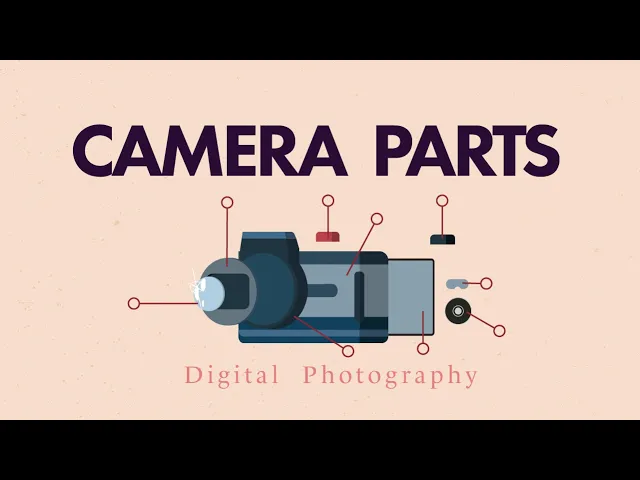
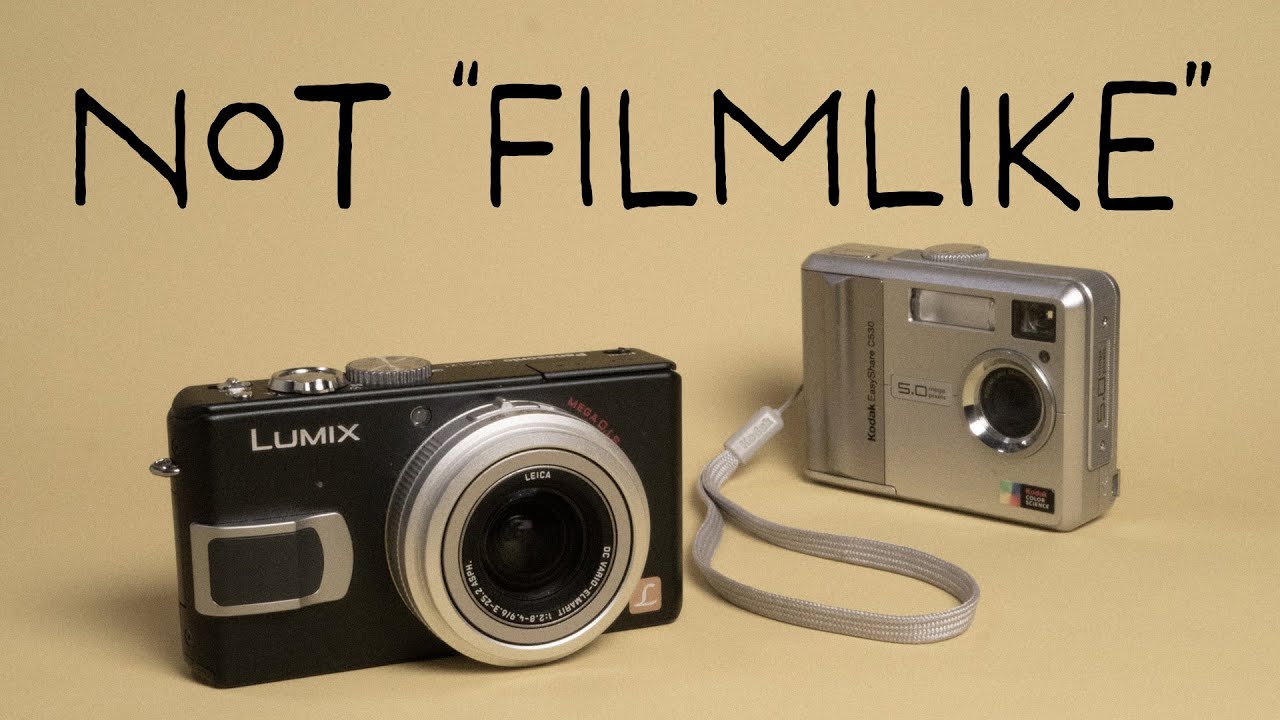
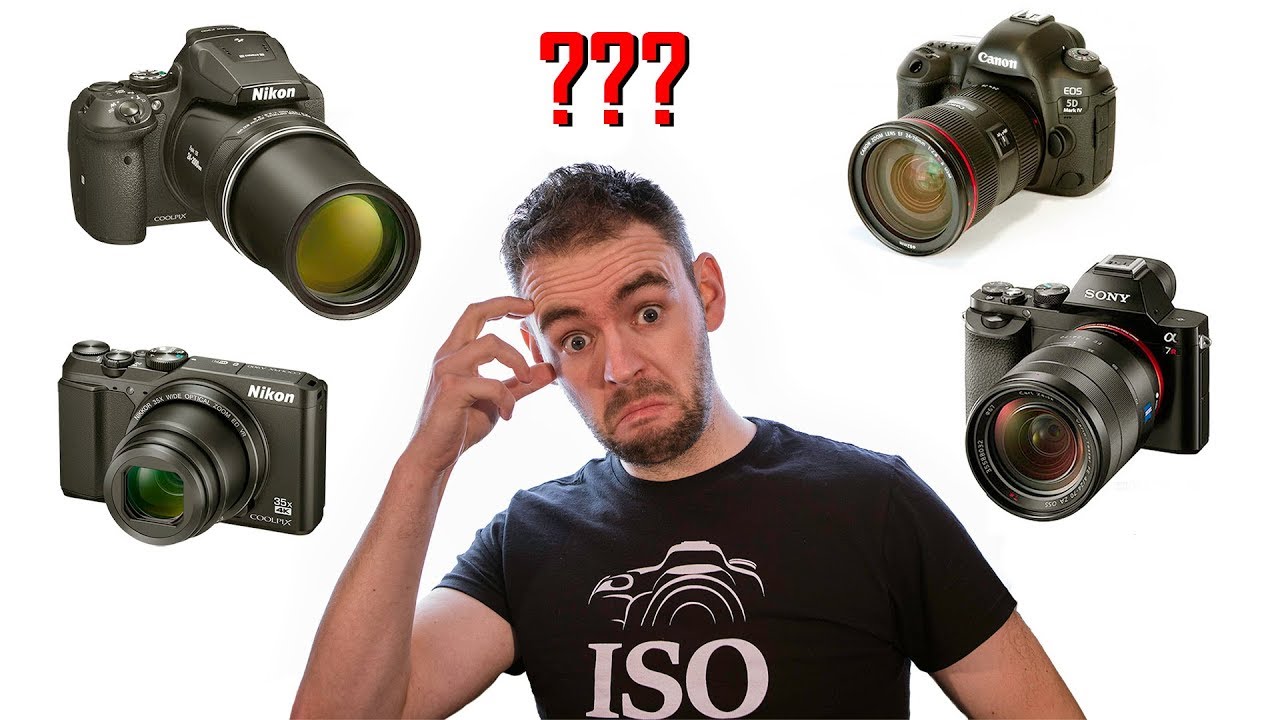
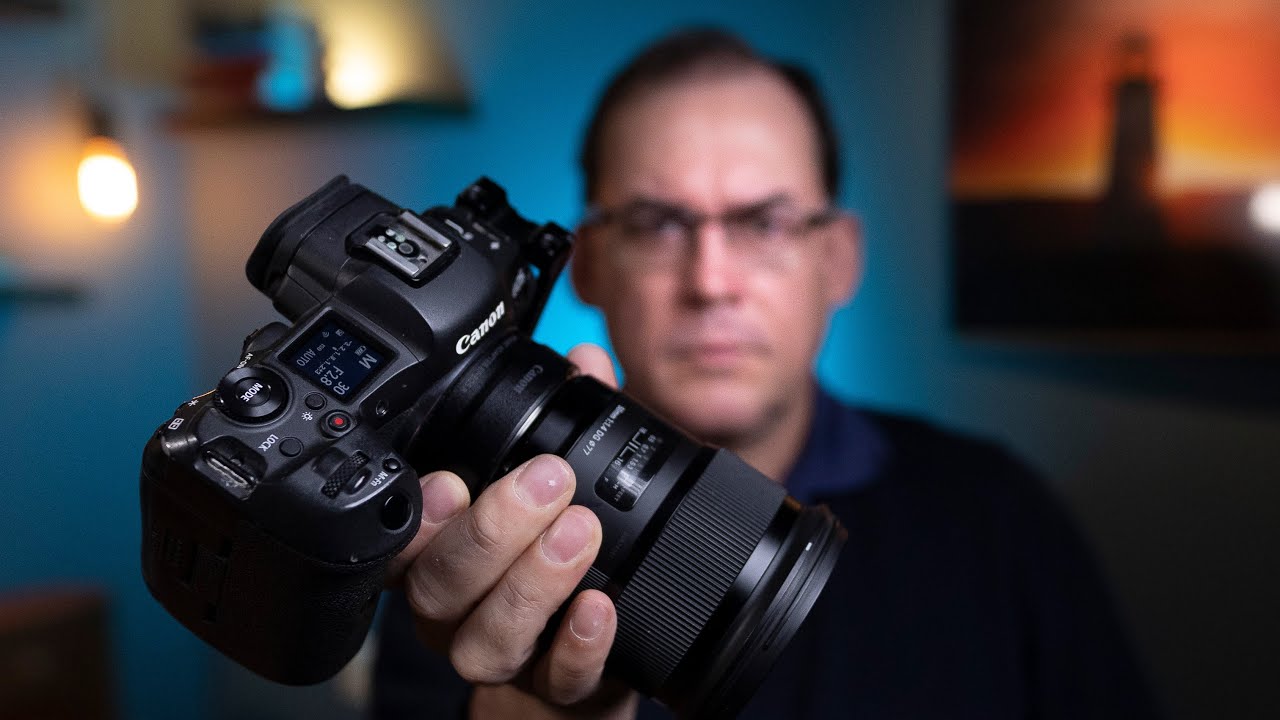
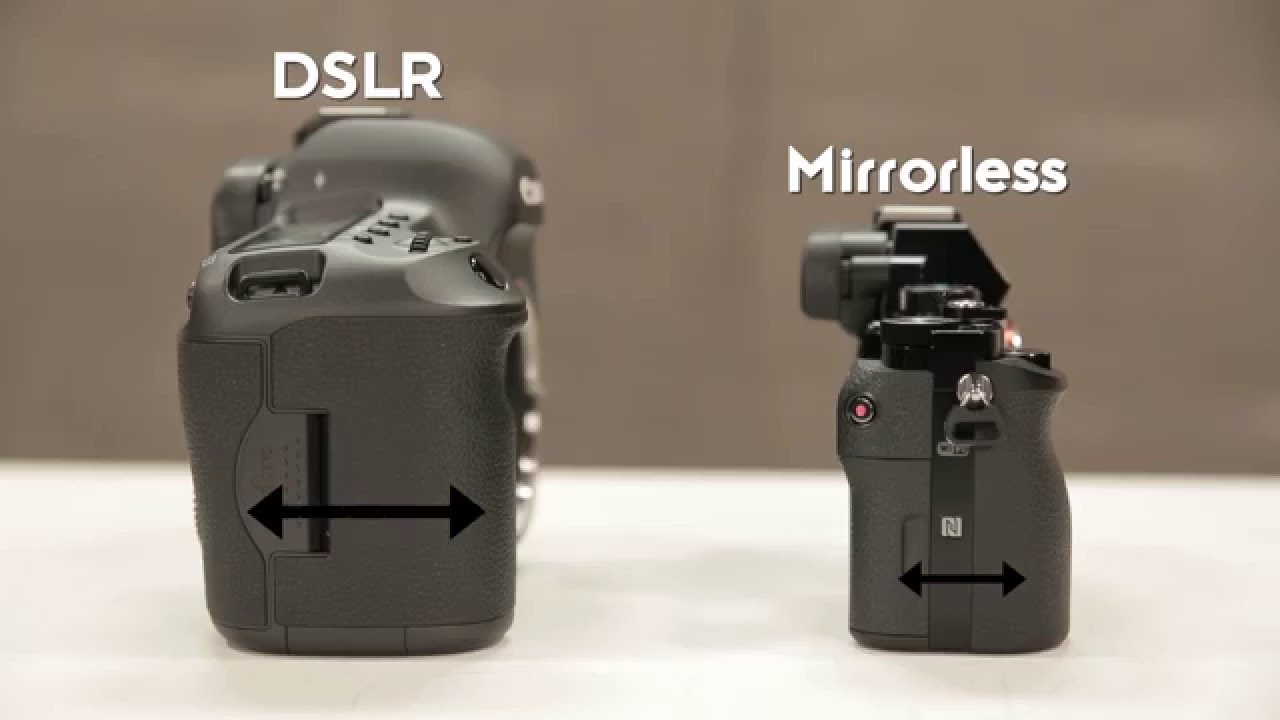
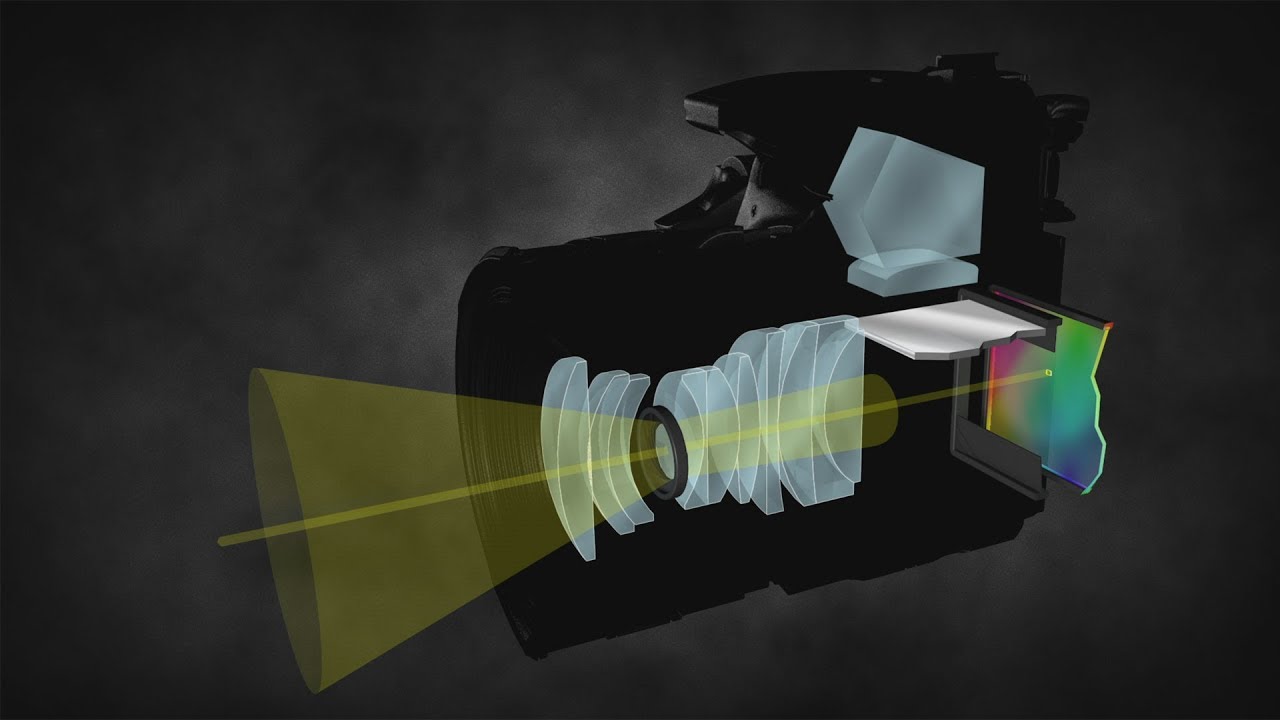
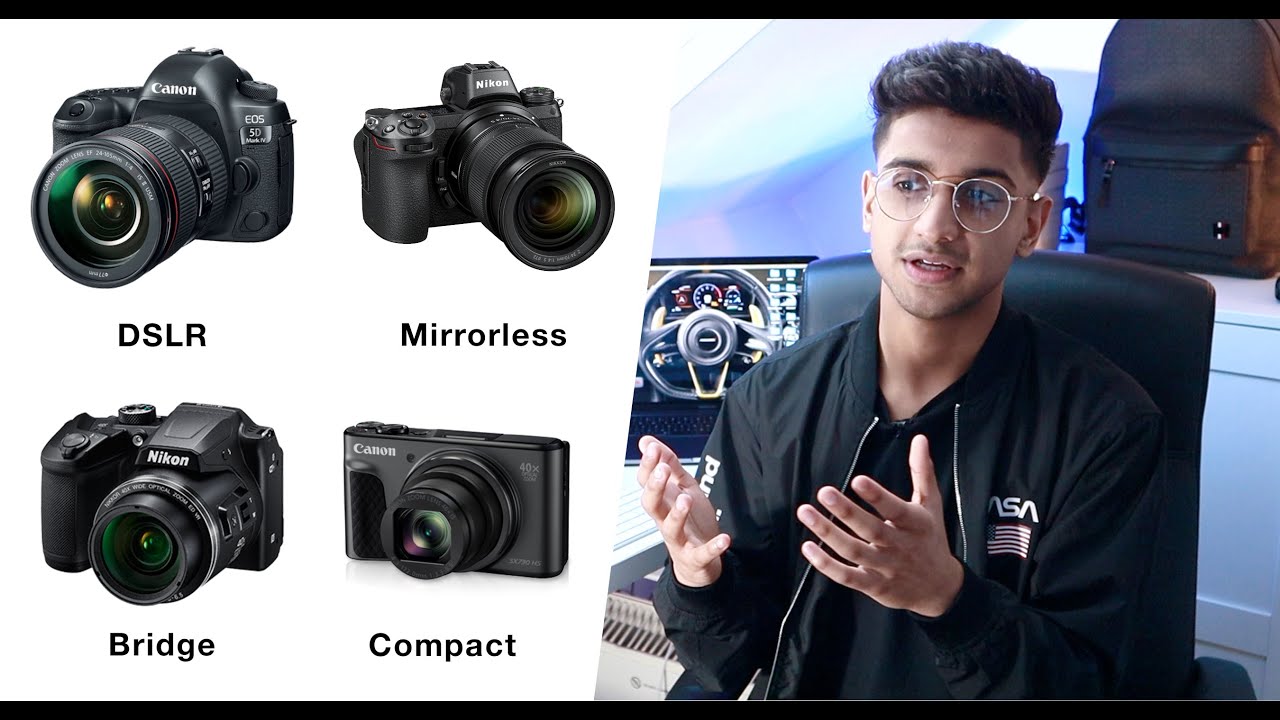
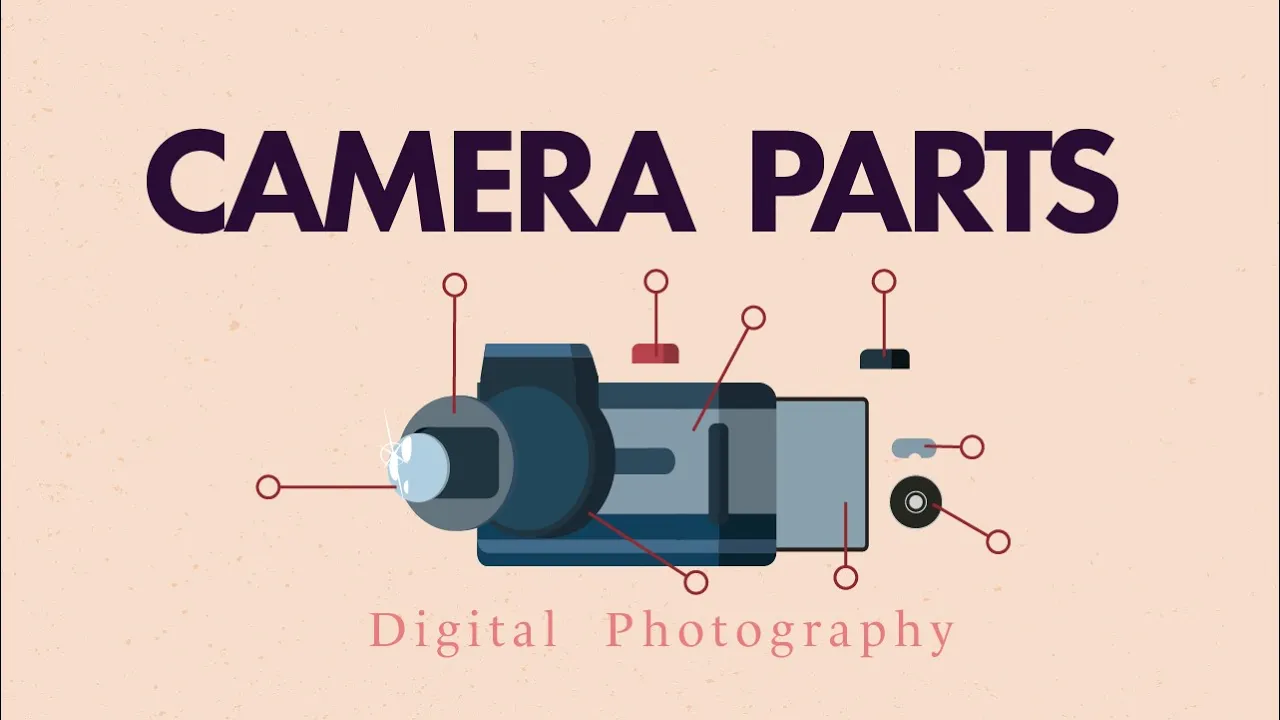
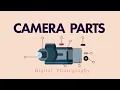
just as a painter needs to know everything about his paints and brushes a photographer must know everything about his camera so let's now explore the camera and all its parts let's begin with the camera lens the type of lens will depend on the type of camera for smaller cameras these are usually fixed lenses where they are built directly into the camera body itself for larger slr or dslr cameras you'll find detachable lenses which give you the ability to use different types with detachable lenses you'll find two important settings one selects either automatic focus or manual
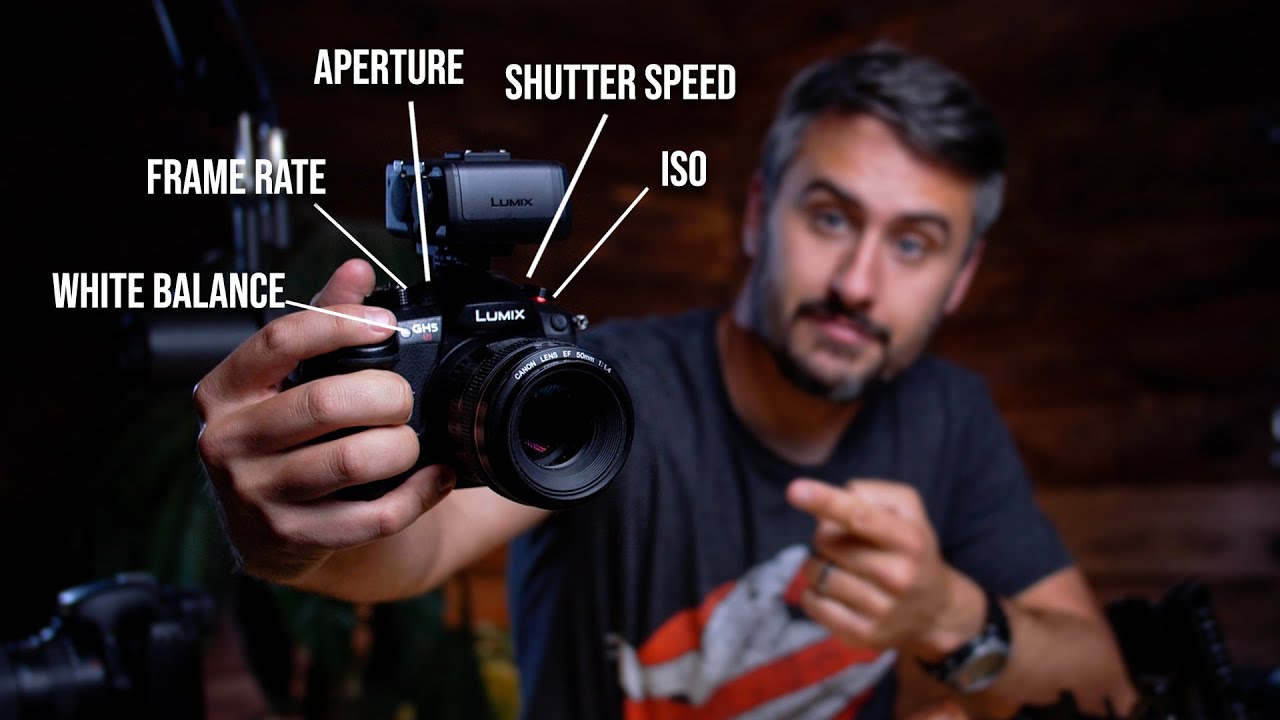
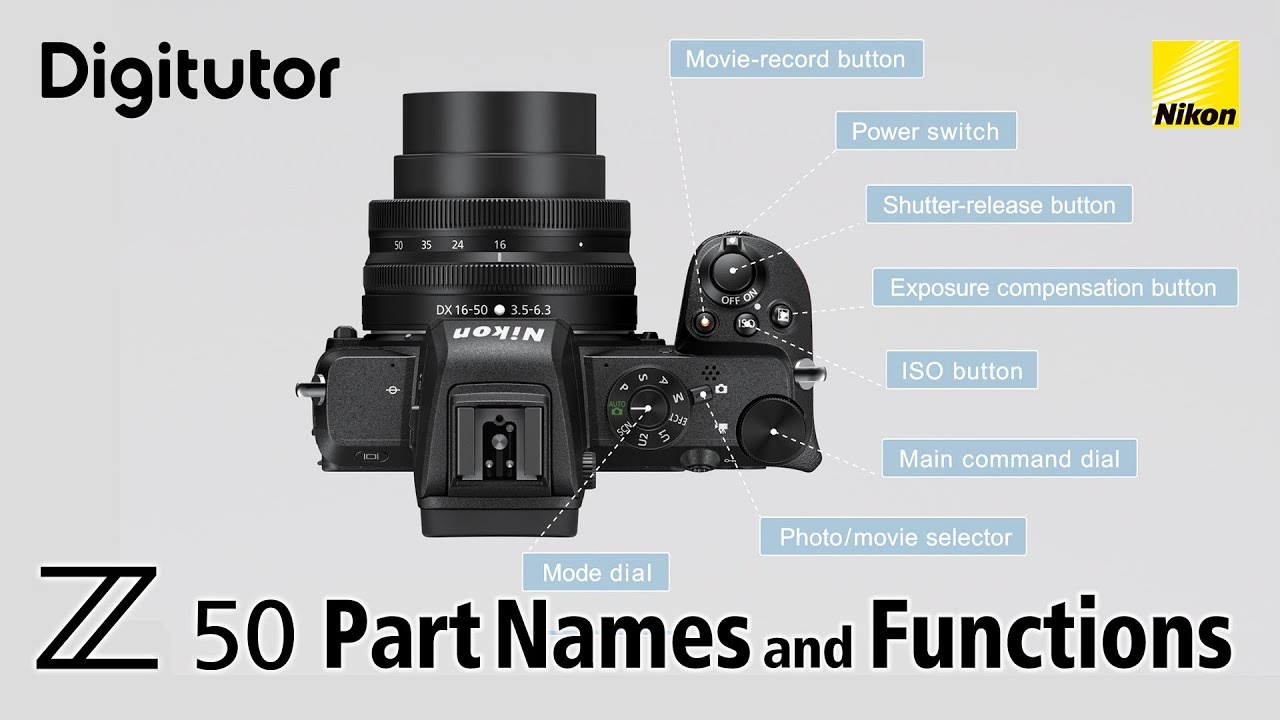
focus and the other is for image stabilization you'll also find between one to three rotating control rings which allow you to manually adjust the focus zoom and aperture next let's take a look at the camera body which is completely sealed not allowing any unwanted light to reach the camera's sensor it also contains all the various parts required to take a photograph it holds the control buttons which give you quick access to the various camera control functions for example the one with the letters wb allows you to adjust the white balance on and off allow you
to switch the camera well on and off the buttons with arrows on them give you access to the gallery of captured images on your device the magnifying glass leads to the zoom tool a trash can symbol allows you to delete the lightning bolt is where you'll find the camera's flash settings in the same way the iso and menu buttons will bring you to their controls if you see a plus and minus symbol that's what you'll use to adjust the exposure the letters af stand for automatic focus and mf for manual focus an illuminated red dot
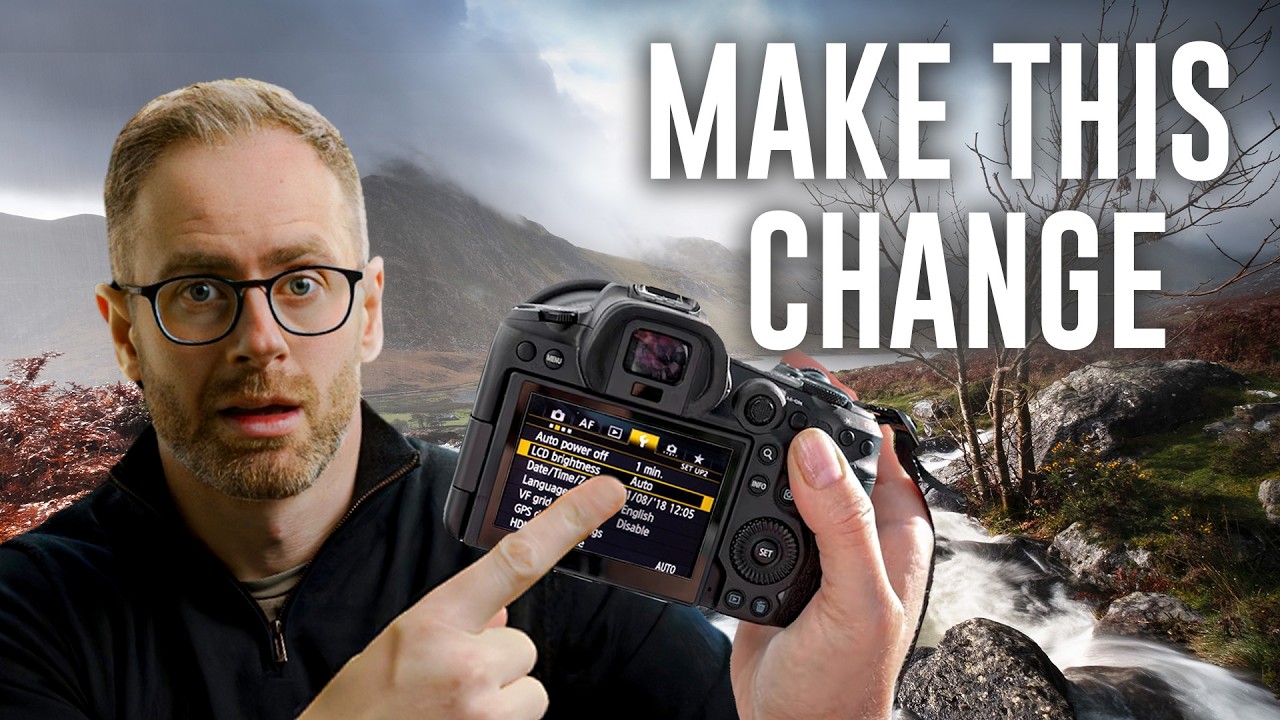
indicates that you are recording video finally most cameras have a control knob or wheel with which you can use to quickly scroll through different operating modes or settings these are default settings used for specific situations for example if you are photographing a soccer game you can use the sport mode if you're traveling you might use the landscape mode and for night shots there is night mode keep in mind that the number and location of these buttons will depend on the camera being used each type and model of a camera might feature them in slightly different
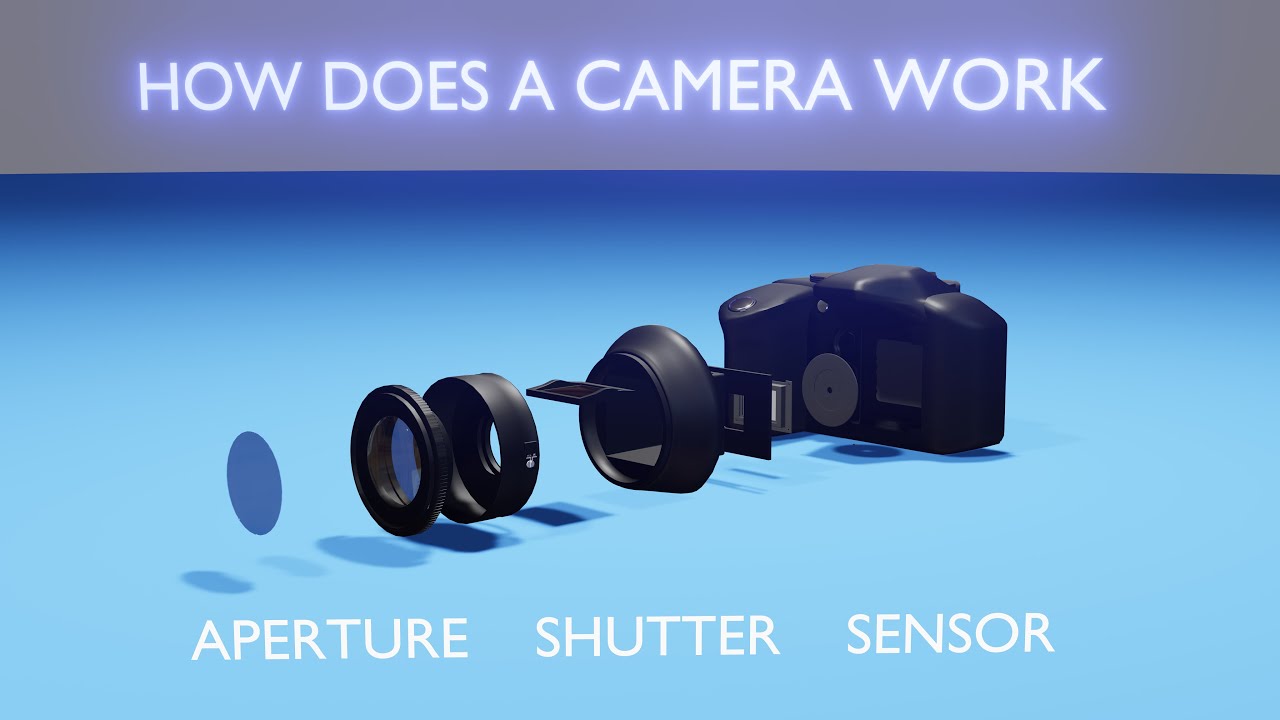
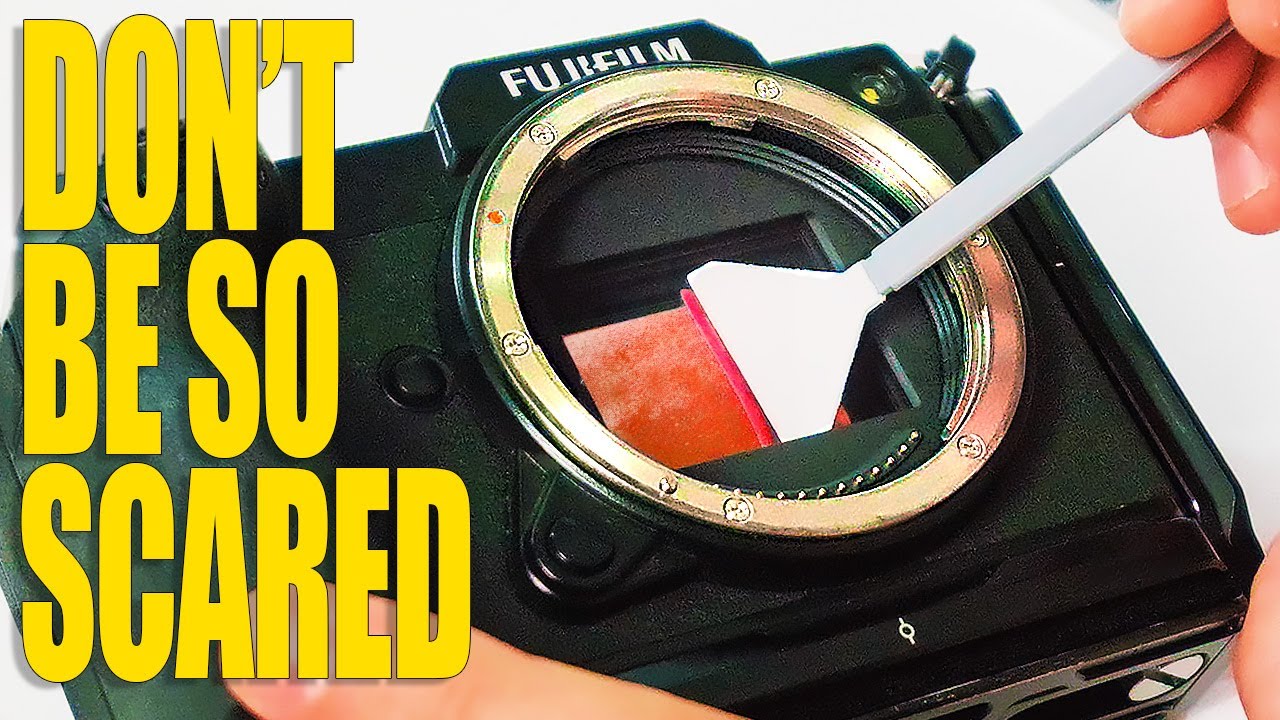
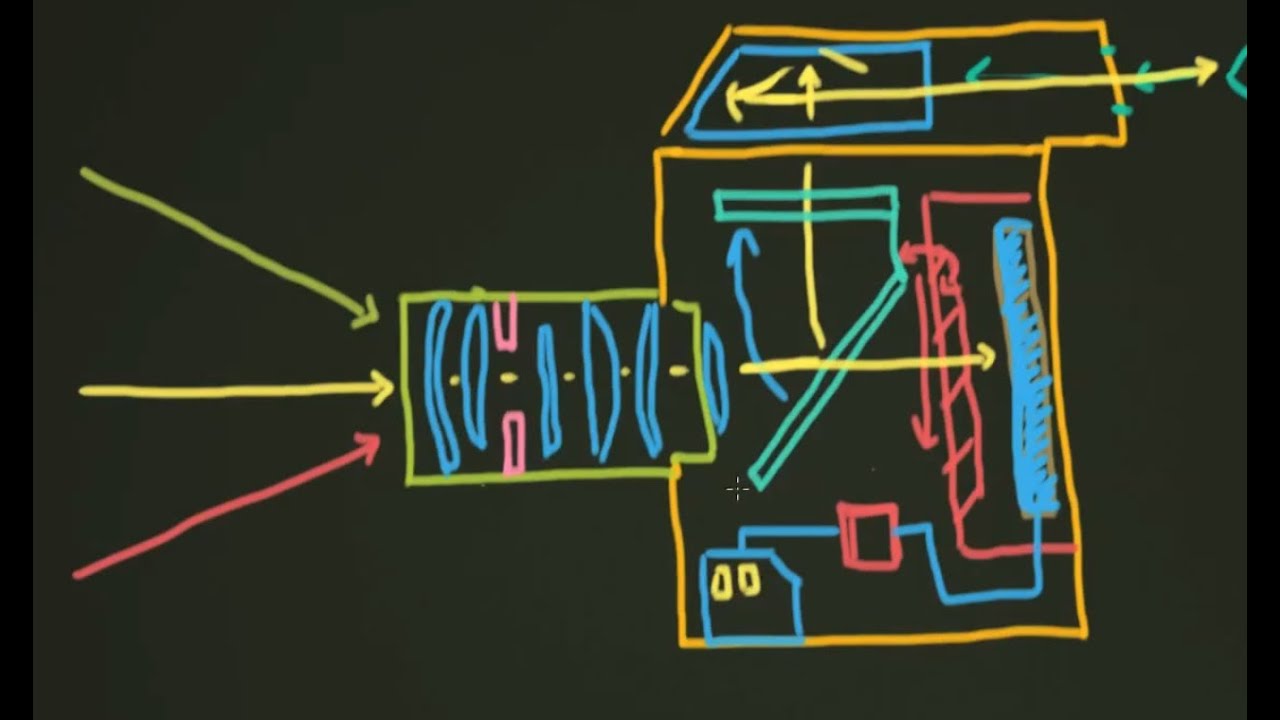
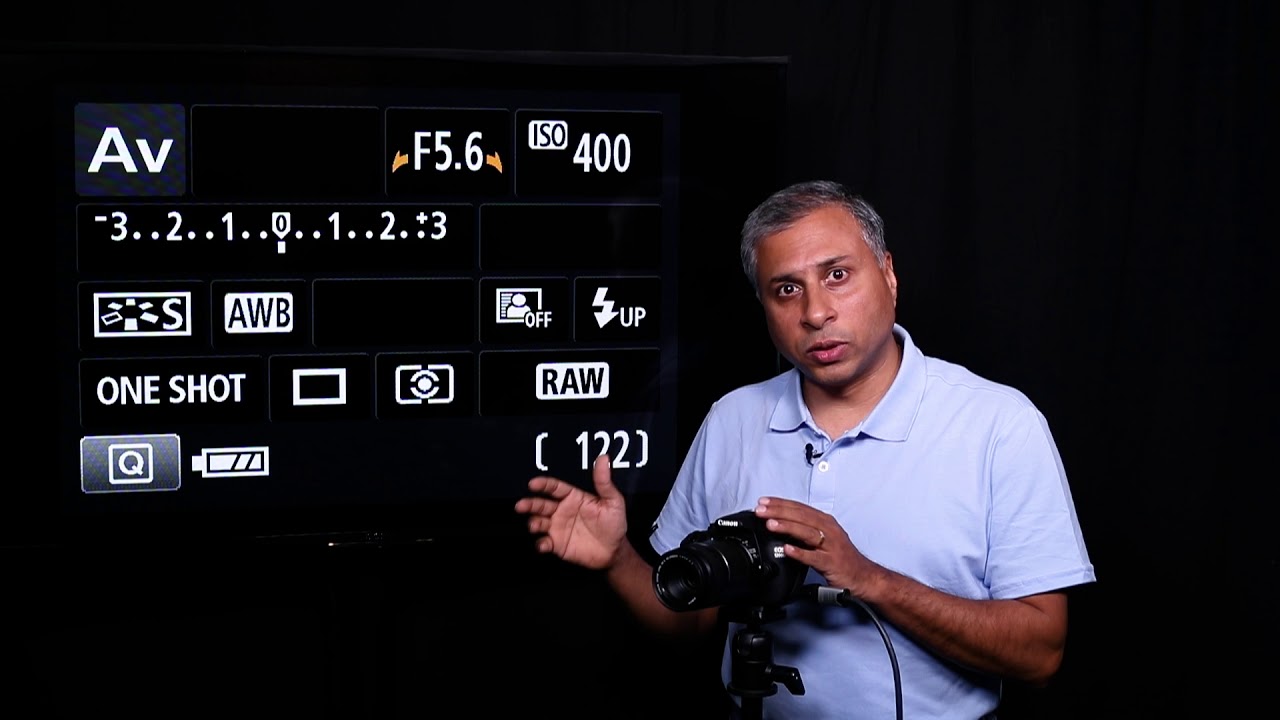
ways or positions so it's important for you to fully explore your camera and read any instruction manuals that come with it two more essential parts of any camera are the viewfinder and screen these will allow you to compose frame and visualize your shot before taking it some cameras will also use these to display information relating to aperture iso and shutter speed settings now let's go inside the camera and take a look at some of the most important parts the shutter regulates the length of time that the camera sensor is exposed to light using the shutter
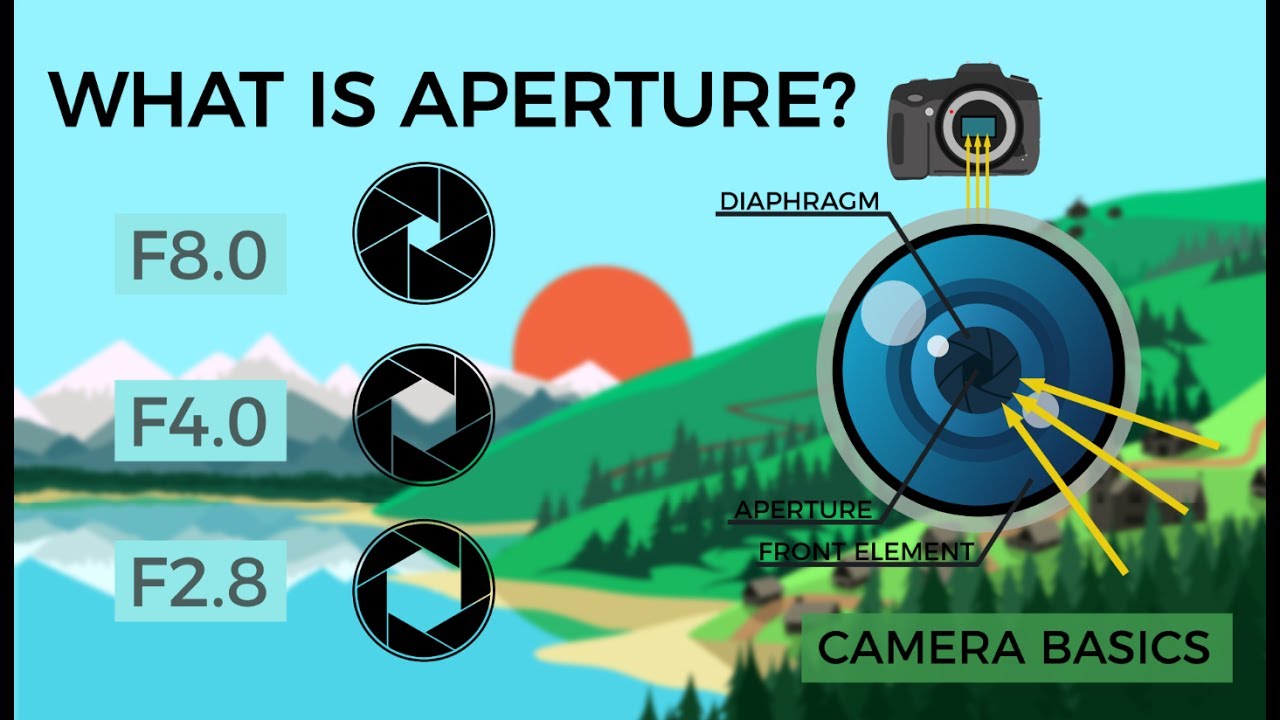
the camera controls overall exposure time when you press the button to take your picture a mechanism opens and closes inside your camera based on your exposure settings this is how light is allowed to enter the camera another important component found in the lens is the diaphragm small overlapping blades form the size of the hole through which the light will enter the lens it regulates the amount of light that the camera's sensor will ultimately receive so remember the shutter is what regulates the length of time that the light enters the camera and the diaphragm regulates the
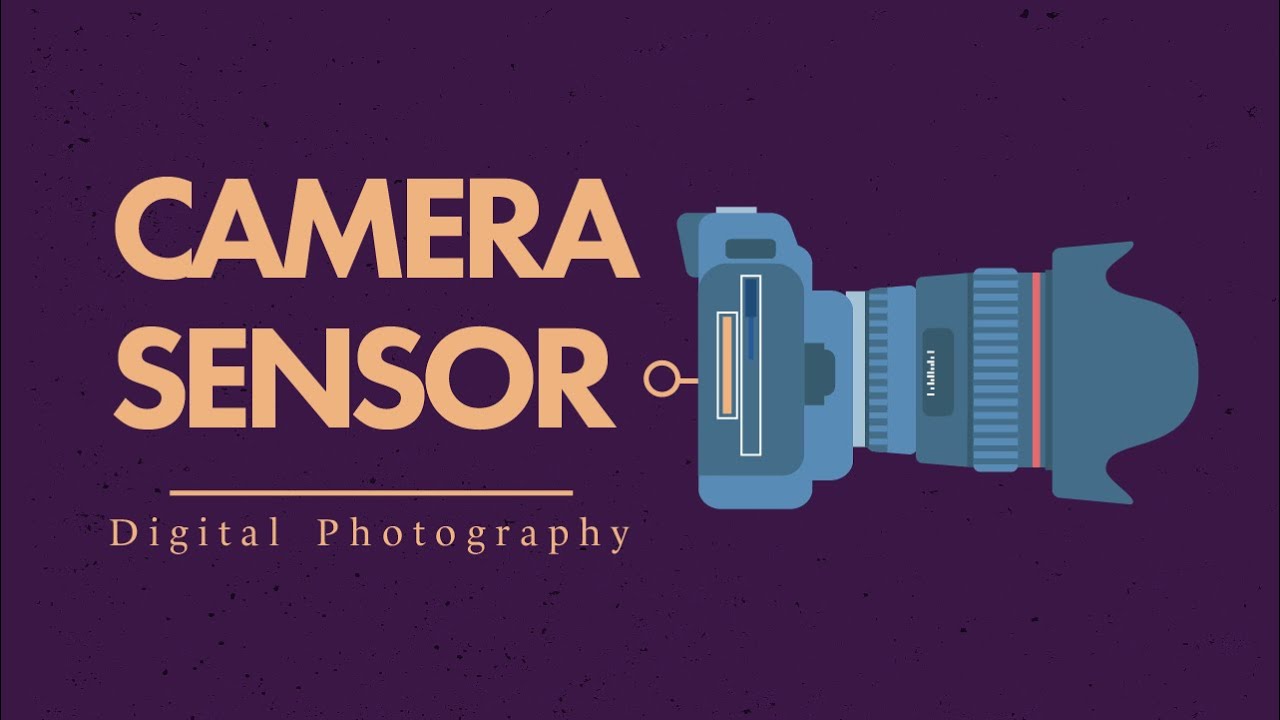
amount of light that reaches the sensor now if you're wondering what sensor are they talking about we invite you to check out our previous video where we discuss in more detail the camera's sensor [Music] gcf global creating opportunities for a better life