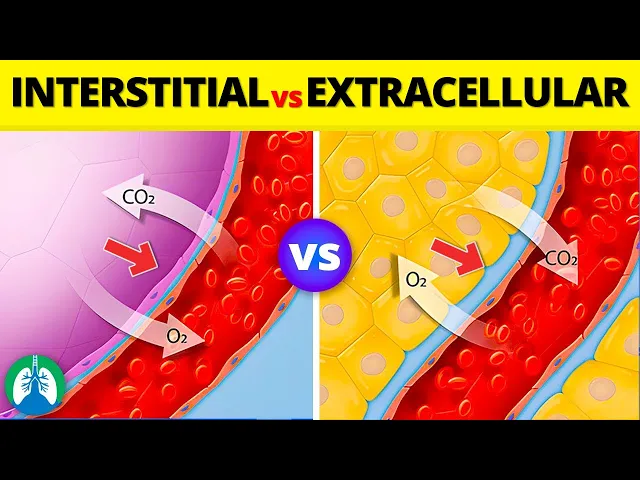
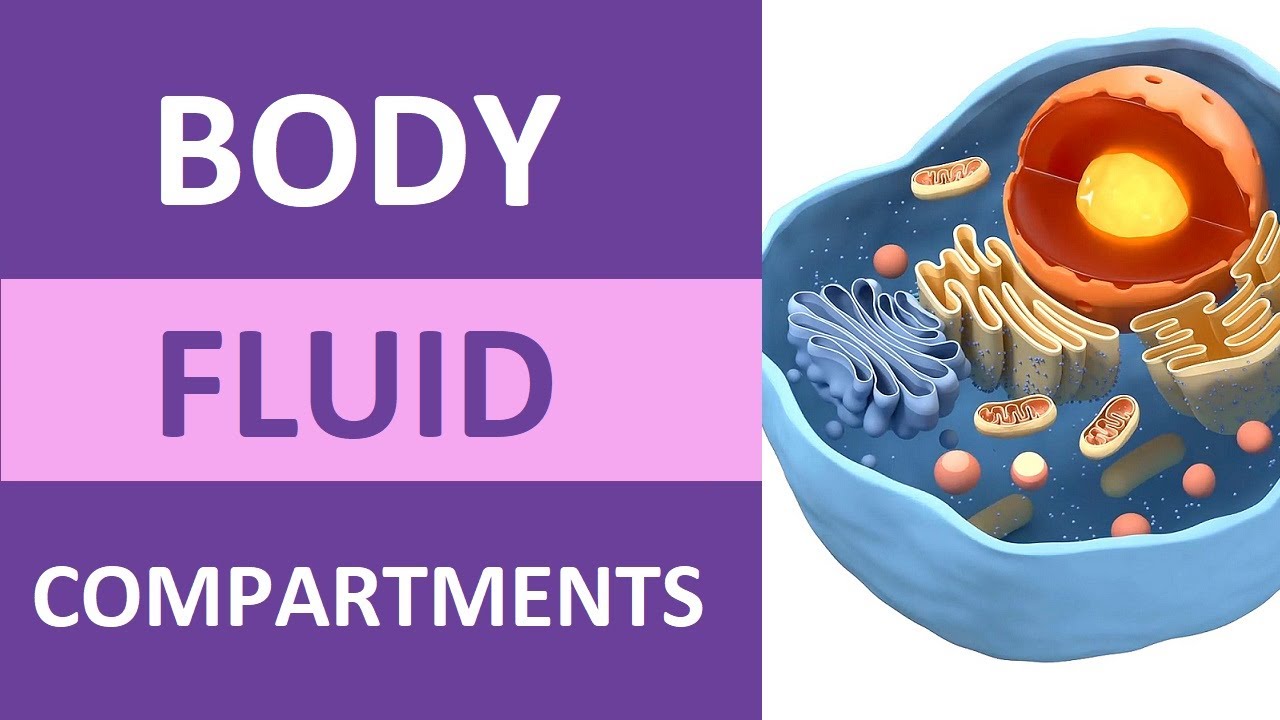
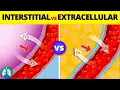
interstitial fluid and extracellular fluid are terms often used in physiology to describe distinct aspects of fluid compartments in the body although related these terms highlight different concepts in how fluids are distributed and function within biological systems which is what we're going to discuss in this video extracellular fluid is a broad category that encompasses all the fluid found outside the cells this includes several components such as plasma which is the liquid portion of blood and the interstitial fluid which bathes the cells and tissues extracellular fluid plays a crucial role in maintaining homeostasis as it serves as
the medium through which nutrients gases and waste products are transported between cells and the blood the composition of the extracellular fluid is tightly regulated to ensure proper cellular function as it contains essential electrolytes like sodium chloride and biocarbonate contributing to osmotic balance and pH regulation on the other hand interstitial fluid specifically refers to the subset of the extracellular fluid that surrounds and penetrates the spaces between the cells and tissues it forms a thin layer that fills the microscopic gaps between cells making up a significant portion of the total extracellular volume this fluid facilitates the exchange
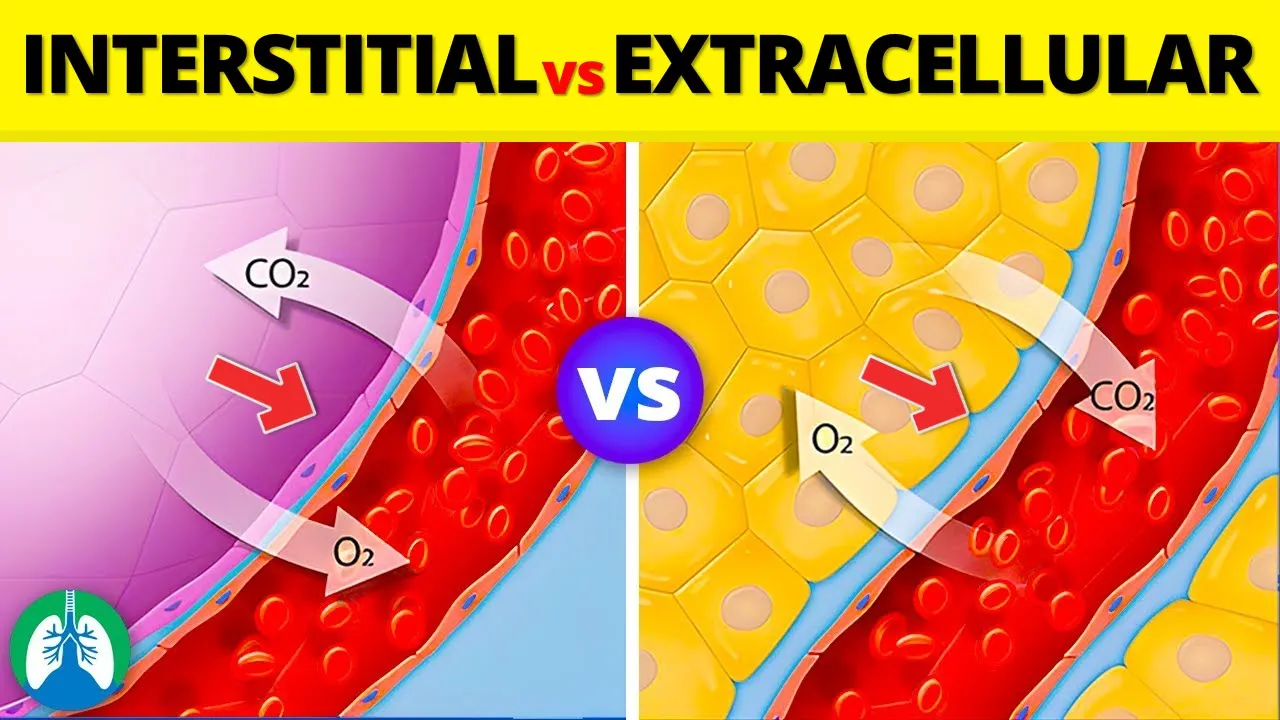
of materials between these cells and the bloodstream nutrients and oxygen pass from the capillaries through the interstitial fluid to reach cells while waste products produced by cellular metabolism travel back through the interstitial fluid to the capillaries for removal from the body the composition of interstitial fluid is similar to plasma but differs mainly in its protein content interstitial fluid has lower concentrations of large proteins because the capillary walls restrict their movement the major distinction between interstitial fluid and extracellular fluid lies in their scope and location while interstitial fluid is specific the part of the extracellular fluid
found in tissue spaces extracellular fluid also includes blood plasma and other fluid compartments such as lymph and cerebral spinal fluid the movement of fluids between these compartments is governed by the osmotic and hydrostatic pressures for instance fluid exchange between blood plasma and interstitial fluid occurs at the capillary level through filtration and reabsorption driven by the balance of pressures now let's talk more specifically about about extracellular fluid as previously mentioned extracellular fluid is a vital component of the body's internal environment forming the medium through which essential processes such as nutrient delivery waste removal and communication between
cells occur the total extracellular volume accounts for approximately onethird of the body's total water content demonstrating its significant role in physiological processes its major subdivisions include blood plasma interstitial fluid and smaller specialized compartments like cerebros spinal fluid sovial fluid in joints and aquous humor in the eye each of these compartments plays a unique role in maintaining homeostasis and supporting specific bodily functions plasma the liquid component of blood is a prominent part of the extracellular fluid it contains water electrolytes proteins and nutrients essential for maintaining blood volume pressure and the transport of gases and metabolites through
the body plasma proteins such as albumin contribute to maintaining the oncotic pressure that retains water within the blood vessels ensuring proper fluid balance the circulation of plasma through the vascular system helps distribute heat manage pH levels and deliver hormones and signaling molecules to Target organs and tissues this ensures that the body can respond efficiently to changes in its internal and external environments the electrolyte composition of extracellular fluid is particularly significant the high concentration of sodium and chloride ions sets extracellular fluid apart from the intracellular fluid where potassium predominates this distribution of ions is essential for
generating the electrical potentials that allow Nerf impulses to travel and for muscle contractions to occur the sodium potassium pump actively maintains this ionic gradient consuming energy to transport sodium out of cells and potassium in this gradient not only preserves cell integrity but also supports the osmotic balance that prevents cells from swelling or shrinking excessively due to fluid shifts this extra cellular matrix which is part of the interstitial space adds a structural element to the extracellular fluid it provides a scaffold for cells and contributes to Cellular communication by harboring signaling molecules that regulate processes such as
tissue repair and immune response The Matrix components like collagen and glycoproteins interact with cells through receptors to influence behavior and survival highlighting the multi-functional role of the extracellular environment fluid exchange between the extracellular fluid compartments namely plasma and interstitial fluid occurs across capillary walls through processes like filtration and reabsorption this movement is driven by hydrostatic and osmotic pressures maintaining a dynamic equilibrium that ensures tissues receive an adequate supply of oxygen and nutrients while metabolic waste products are efficiently removed disruptions in this balance can lead to conditions such as edema where excess fluid accumulates in the
interstitial space causing swelling and potential impairment of tissue function in addition to its distribution rules the extracellular fluid serves as a buffering system that stabilizes pH levels within the body biocarbonate ions in the extracellular fluid help neutralize excess acids preventing significant fluctuations in blood pH that could otherwise disrupt enzymatic activities and metabolic pathways this buffering capacity is vital for overall metabolic stability and highlights the critical importance of extracellular fluid in sustaining life and facilitating complex bodily functions now we go into a bit more detail about interstitial fluid interstitial fluid plays a pivotal role in the
body's complex system of fluid distribution serving as the direct medium through which cells exchange nutrients and waste products with the bloodstream comprising a significant portion of the extracellular fluid interstitial fluid is found in the microscopic spaces between cells known as interstitial spaces this fluid provides a bridge between the blood plasma and cells facilitating the diffusion of essential substances such as oxygen glucose and ions while removing metabolic waste products like carbon dioxide and Ura by surrounding cells interstitial fluid ensures that tissues are adequately nourished and hydrated supporting cellular functions and maintaining tissue Health the composition of
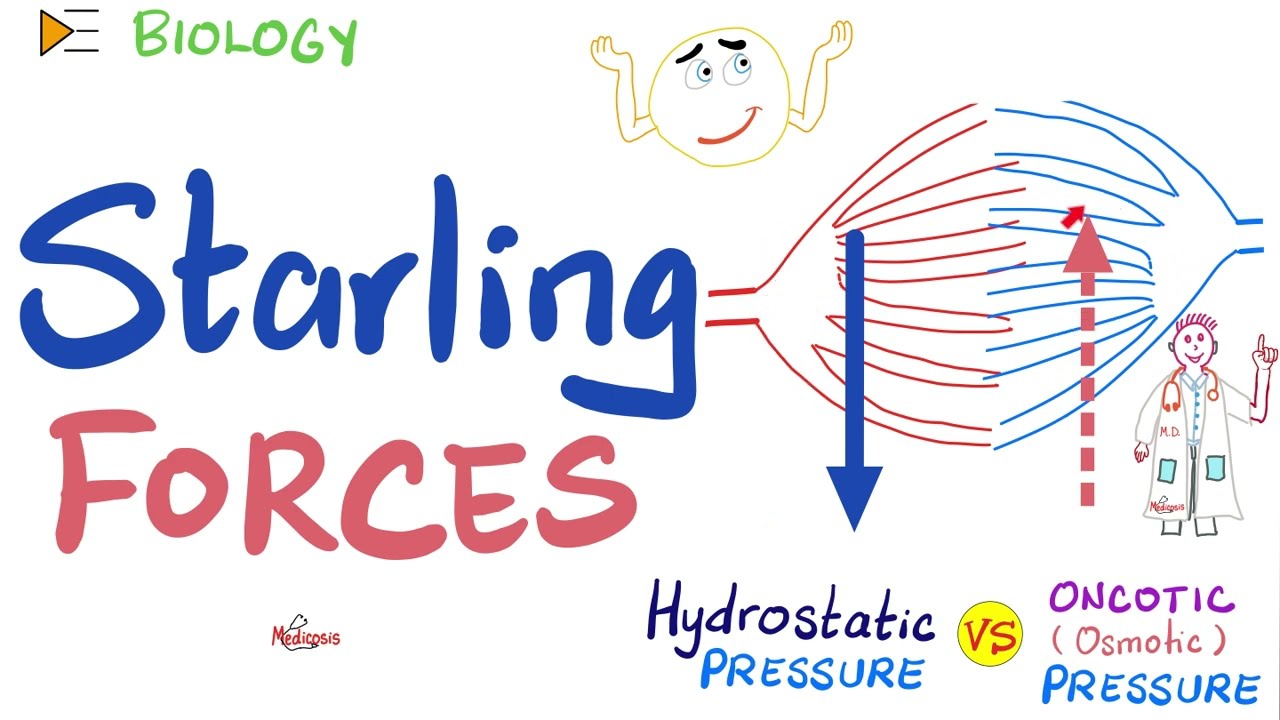
interstitial fluid is similar to that of plasma but differs notably in its protein content plasma contains higher levels of large protein such as albumin which are generally too large to pass through the capillary walls into the interstitial spaces this distinction in protein content is crucial as it influences fluid dynamics between the blood and tissues the balance of fluid between the vascular system and interstitial spaces is regulated by forces such as hydrostatic pressure and osmotic pressure particularly the colloid osmotic pressure exerted by plasma proteins hydrostatic pressure pushes fluid out of the capillaries and into the interstitial
space while osmotic pressure pulls the fluid back into the capillaries maintaining a dynamic equilibrium that prevents fluid imbalances one of the primary functions of interstitial fluid is to act as an intermediary in the nutrient and waste exchange process when oxygen-rich blood reaches the capillaries the oxygen diffuses into the interstitial fluid and is subsequently absorbed by surrounding cells for cellular respiration simultaneously cells release metabolic byproducts into the interstitial fluid which are then transported back into the capillaries for removal through venous circulation this ongoing exchange allows cells to remain in a state of homeostasis ensuring they have
the necessary components for energy production and waste management in addition to its role in nutrient exchange interstitial fluid contributes to the body's immune defense it serves as a medium through which immune cells such as lymphocytes and macroasia can migrate to sites of infection or injury this mobilization is part of the body's innate response aiding in the rapid containment and elimination of pathogens the lymphatic system which runs parallel to the circulatory system plays a key role in maintaining interstitial fluid balance by collecting excess fluid and returning it to the bloodstream this drainage helps prevent the accumulation
of fluid in tissues which if unchecked can lead to edema the composition and regulation of interstitial fluid are crucial for proper cellular function and tissue Integrity changes in its makeup can have significant implications for health for example alterations in the electrolyte balance or the accumulation of metabolic waste can disrupt cellular activities and lead to dysfunction or disease maintaining the appropriate volume and composition of interstitial fluid is essential for sustaining healthy tissue function supporting immune response and ensuring that cells are provided with the optimal environment to perform their roles effectively in summary extracellular fluid is an
umbrella term for all the fluid outside of cells including plasma and interstitial fluid while interstitial fluid is a more specific type of extracellular fluid found between tissue cells both play a IAL roles in nutrient delivery waste removal and maintaining the body's internal environment understanding the relationship and distinctions between these two types of fluid helps illustrate how substances move throughout the body ensuring that cells function efficiently within a stable external environment if you want to support the Channel please like And subscribe I would greatly appreciate it there should be some other helpful videos popping up on
your screen right about now that I think you will enjoy and just a quick reminder we are not doctors this video is for informational purposes only have a nice day and thanks for watching