every organ in the body has its own specific role and the pancreas is no exception it gets its name because of where it's located right behind the stomach nestled in the curve where the stomach connects to the small intestine structurally the pancreas has three parts the head body and tail it's about 20 cm long and weighs around 70 G the tissue of the pancreas is made up of two main types of cells about 95% are focused on producing digestive enzymes while the other 5% are involved in making hormones what is the pancreas responsible for this
organ has two main but very different jobs digestive role it helps with digestion by producing enzymes endocrine role it produces hormones that affect many other organs and systems in the body in simple terms the pancreas functions as both an exocrine and endocrine organ its exocrine job is to create and release digestive enzymes into the small intestine these enzymes break down food into small particles which can then be absorbed into the bloodstream and delivered to every cell in the body the pancreatic secretion contains lipase which breaks down fats lactase and amase which process carbohydrates Tron which
breaks down proteins the balance of these components changes depending on the type of food consumed for example if you eat a lot of fatty foods lipase production increases more proteins mean more Tron and carbohydrate meals trigger more Amala production the pancreas not only adjusts the enzyme mix but also controls their quantity too many enzymes can lead to the pancreas digesting its own tissue which is a major issue during inflammatory conditions the endocrine function of the pancreas involves hormone production which regulates various processes throughout the body special cells clustered in small groups called eyelets of langerhans
are responsible for producing these hormones which are released directly into the bloodstream these hormones include glucagon which maintains stable blood glucose levels insulin which helps break down glucose so Statin a hormone that regulates the production of other hormones polypeptides which regulate digestion and Metabolism when the pancreas is functioning well digestion runs smoothly essential nutrients are absorbed into the bloodstream and the body maintains hormonal balance what can disrupt pancreatic function the pancreas is essential for maintaining overall health as it helps regulate digestion and hormone balance however it's also quite sensitive and once its function is disrupted
it can be challenging to get it back to normal various factors can negatively affect the pancreas leading to inflammation and issues with enzyme and hormone production poor diet eating foods that lead to an overproduction of enzymes can overwhelm the pancreas sometimes causing it to start digesting its own tissue alcohol it boosts the secretion of pancreatic juices and has a Toxic effect on pancreatic cells nicotine smoking reduces blood flow by narrowing blood vessels making it harder for the pancreas to function properly genetic factors and immune disorders conditions that cause the immune system to mistakenly attack pancreatic
cells infections and inflammation in the digestive system these can directly or indirectly harm the pancreas abdominal injuries physical trauma can disrupt blood flow and lead to tissue damage cancerous tumors growths can block the Ducks preventing pancreatic juices from flowing as they should metabolic disorders medications and surgeries conditions or procedures involving the liver stomach or gallbladder can impact the pancreas stress and Trauma both can contribute to functional problems in the pancreas lack of physical activity a sedentary lifestyle can negatively affect pancreatic Health by being mindful of these risk factors you can take steps to protect your
pancreas and ensure it continuous to function properly what are the signs of pancreatic issues pancreatic problems can pop up all of a sudden or gradually sneak up over time the most common issue you'll hear about is pancreatitis which is basically when the pancreas gets inflamed if it gets worse it can lead to tissue damage necrosis or in long-term cases even tumors when it's an acute flare up you might notice sharp abdominal pain that shoots to your back constant nausea and vomiting that doesn't really help you feel better bloating heaviness in your stomach and possible diarrhea
or constipation for those with ongoing chronic issues the symptoms are a bit different on and off pain especially after eating fatty or smoked Foods or drinking alcohol morning nausea and a digestive system that doesn't stick to a routine flipping between diarrhea and constipation bad breath dry skin and hair hair that becomes thin and brittle if things get really serious like with pancreatic necrosis the signs can be alarming severe unbearable pain that can be so bad it leads to shock a bloated tender stomach that hurts to touch uncontrollable vomiting signs of dehydration and overall toxicity fever
and chills pale or bluish skin especially around the lips and nose in some cases pancreatic problems can lead to jaundice especially if there's a tumor involved blood tests might also reveal high levels of enzymes like amas and lipase along with increased blood sugar levels these are serious signs so if you notice them it's best to get checked out as soon as possible how to keep your pancreas healthy as hypocrates wisely said it's much easier to prevent a disease than to treat it and when it comes to your pancreas maintaining good health is all about an
active lifestyle a balanced diet and managing stress here are some tips to avoid pancreatic problems quit smoking and limit alcohol both can seriously harm your pancreas so it's best to cut back or avoid them altogether take medications only as prescribed don't self-medicate always check with your doctor eat small balanced meals 5 to six times a day this helps your pancreas manage digestion without being overwhelmed stay hydrated aim for at least 1.5 L of water daily keep Physically Active with regular exercise morning stretches or even just going for walks manage stress and prioritize sleep being calm
and well rested helps your body including your pancreas function smoothly what to do if you have a flare up if your pancreas starts acting up try these three steps to calm things down fasting stop eating to reduce the production of enzymes that could could irritate the pancreas cold compress place a cold pack on the left side of your abdomen to help reduce swelling but never use heat as it can make inflammation worse rest give your body a chance to recover by avoiding any extra strain or stress in the case of a serious or acute flare
up call Emergency Services right away hospital care might be needed for those dealing with chronic issues a carefully planned diet is especially important to keep things under control what foods should be avoided most cases of acute pancreatitis are triggered by heavy meals and drinking alcohol to keep your pancreas healthy it's important to avoid alcohol it causes your pancreas to overproduce enzymes which can lead to damage and inflammation trans fats these are found in processed foods fast foods and many store-bought sauces they overstimulate enzyme production and can cause digestive problems high glycemic index Foods refined products
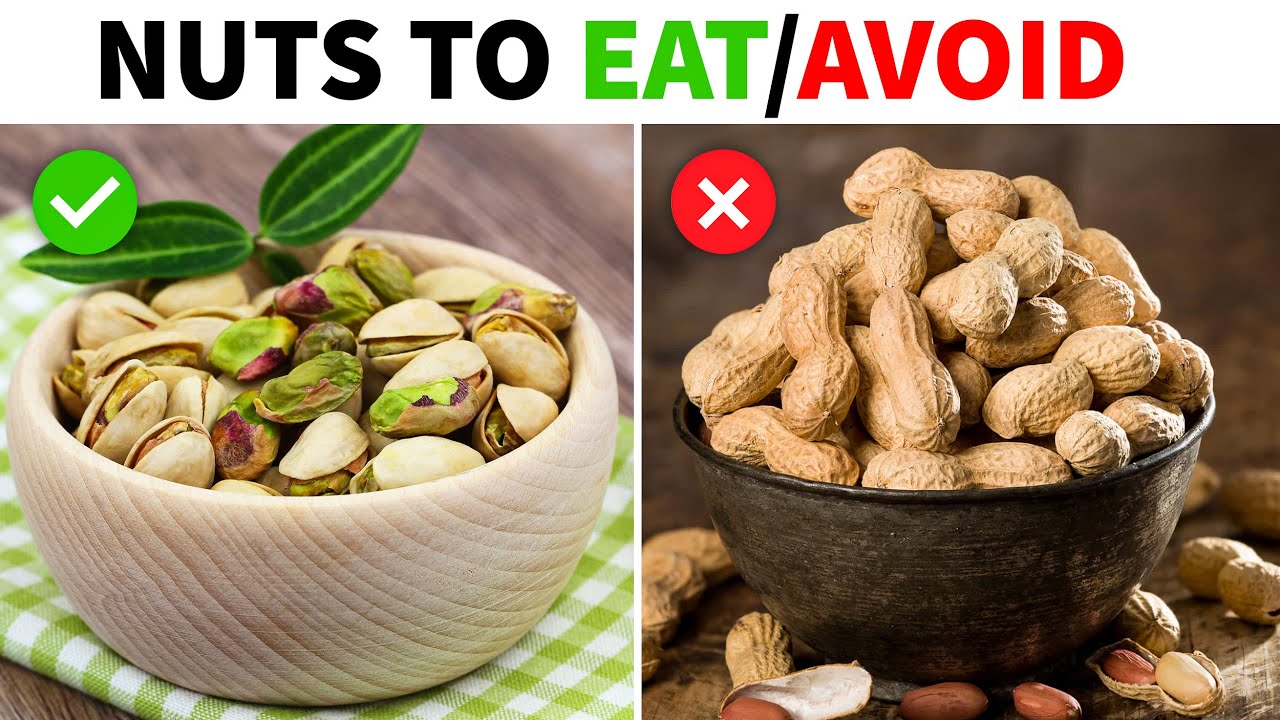
like white bread pastries and sugary drinks can Spike blood sugar levels which isn't good for your pancreas what foods support pancreatic health for your pancreas to function at its best include these Foods in your diet healthy fats think walnuts ocean fish cod liver yogurt and avocados these fats are easier on your pancreas and provide important nutrients low glycemic index foods go for non-starchy vegetables leafy greens legumes and whole grains these keep blood sugar stable and don't strain your pancreas balanced meals throughout the day eat well-rounded meals for breakfast lunch and dinner but keep dinner lighter
also try not to eat too late at night to give your digestive system a break helpful spices spices like basil turmeric cumin saffron and coriander can boost digestion and make meals more pancreas friendly what to eat during a pancreatitis flare up when your pancreas is acting up you need to be extra gentle with your diet here are some tips stick to smooth easy tood digest foods smooth soups steamed meat soft omelets and pureed cottage cheese are all good options choose boiled or stewed vegetables you can also have baked apples or a simple apple compost follow
a strict diet until you feel better gradually reintroduce other Foods once symptoms subside a proper diet is key to maintaining pancreatic Health eating balanced nutritious meals can help prevent flare-ups and complications keeping not just your pancreas but your whole body in good shape you can find many interesting videos about the benefits and harms of vegetables and fruits as as well as diseases and their treatments so please don't forget to subscribe to the channel and hit the Bell icon I would also appreciate it if you could like this video and share it with your family and
friends