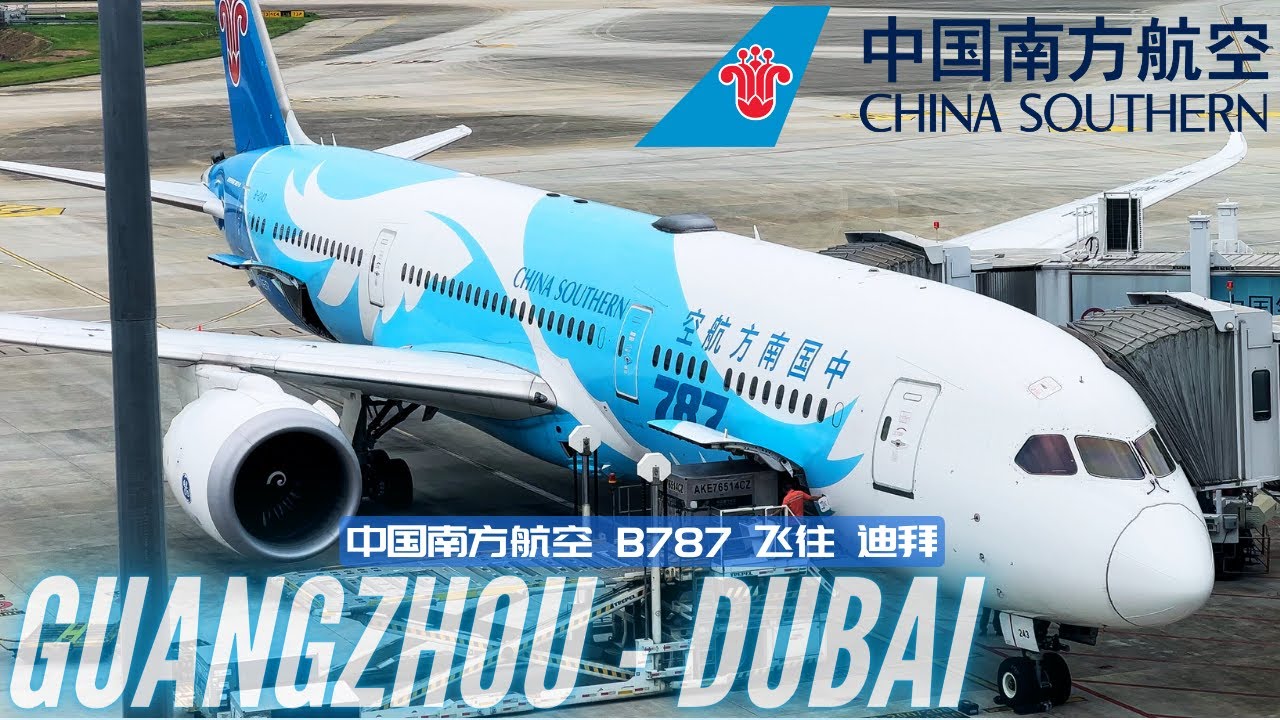
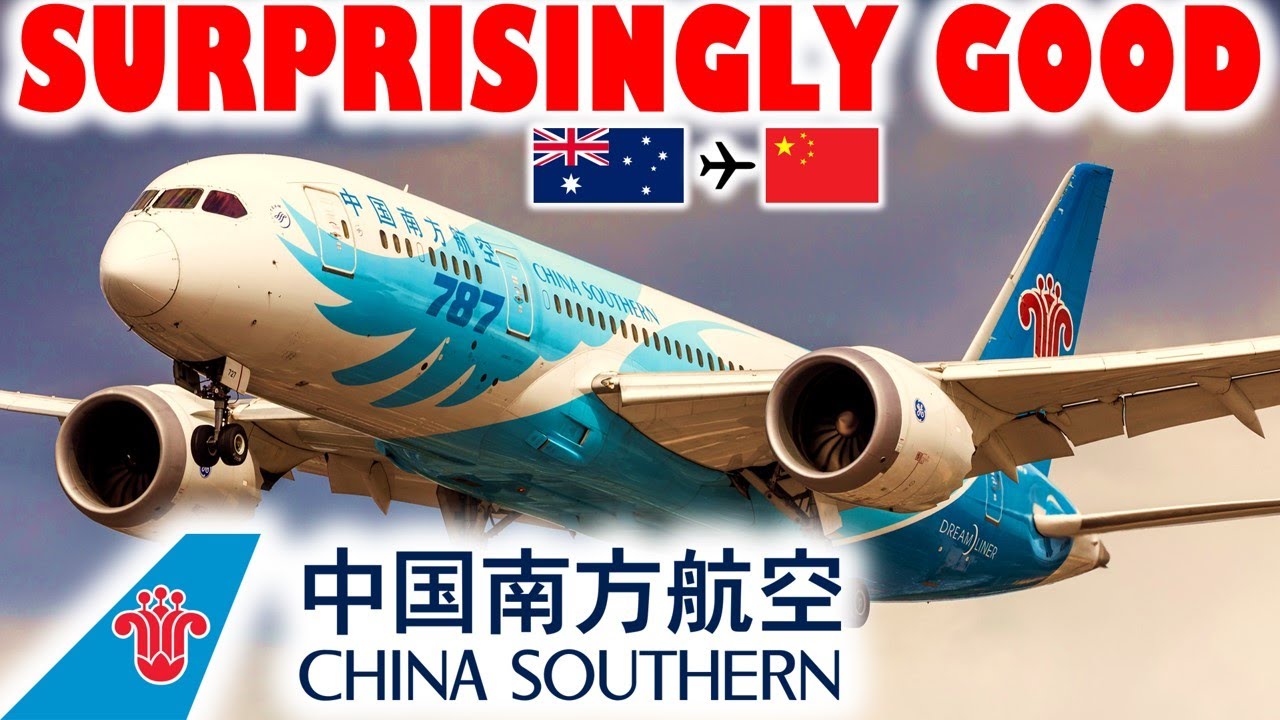
it's not uncommon for Airlines to sell off and retire their planes early but it usually happens to older four engine planes which are big fuel guzzling beasts in the sky no one would have thought that the modern Dreamliner 787 wouldn't be spared either China Southern Airlines just did it so why did the airline decide to say goodbye so early find out in today's episode China Southern Airlines one of the world's largest Airlines has announced plans to sell its entire Fleet of 10 Boeing 787-8 and two genx spare engines according to an official announcement posted on
the airlines website the sale of the fleet will be conducted through an open tender the airline also requested that all aircraft and engines be sold as a package with no individual offers accepted the list of aircraft for sale includes the first -8 that China Southern Airlines received on May 20th 13 with registration number b2725 with an average age of about 11 to 12 years this Fleet is still considered quite new compared to the typical life cycle of commercial aircraft the aircraft are expected to be delivered to the buyer between 2025 and 2026 subject to board
approval for more than a decade the aircraft has been a key part of the airline's Long Haul strategy connecting passengers to destinations around the globe however as these aircraft approach their 12-year Mark they will face rigorous maintenance checks which will require significant cost in time by selling the fleet China's Southern Airlines will be able to cut down on major maintenance costs while also reinvesting in newer more efficient aircraft that better meet the demands of the modern Aviation Market notably the decision to sell the das8 variants will not affect the airline's -9 Fleet which currently includes
18 aircraft that are still in service compared to the -8 the larger variant not only offers more passenger capacity but also lower operating cost making it a more economical choice for airlines with its Superior performance the Dreamliner -9 is proving to be an important part of China Southern Airlines Fleet standardization strategy the reason for phasing out the -8 stems from the difference in economic efficiency between the two variants while the dash8 has higher operating costs per seat and limited capacity the -9 offers more benefits for Long Haul flights which fits in with the airlines Global
Network development orientation this is especially important as the airline currently operates an extensive Flight Network serving 156 domestic destinations and 78 International cities in 48 countries as of November 20th 24 so what does it mean to sell off the entire fleet of dream l-8 but before we go thank you for being here this far don't forget to show your support by liking the video and check if you're subscribed to the channel so you'll be the first to see our next video Let's Contin continue it could be argued that this would present a unique opportunity for
other airlines or leasing companies the -8 which is more than a decade old is still in good condition and is expected to attract interest due to their competitive pricing with demand for Boeing 787 components Rising the sale of the entire fleet could also stimulate the used parts Market dismantling companies could take advantage of this opportunity to supply components from engines to cabin components to Airlines operating the aircraft Lee carry vice president of asset management at air trade a dublin-based Aviation trading firm noted that the dismantling of widebody aircraft including the Boeing 787-8 is becoming more
common Carrie sees it as a viable solution for Airlines to avoid the high costs of major maintenance at the end of an aircraft's life the decision to sell the fleet also comes as the global aviation industry recovers from the covid-19 pandemic the pandemic has severely impacted international travel especially Long Haul flights forcing Airlines around the world to reassess their Fleet strategies for China's Southern Airlines focusing on the larger and more efficient -9 variant is a strategic move in addition to economic goals the move is also in line with China Southern Airlines commitment to sustainability newer
aircraft models are generally more fuel efficient and emit fewer emissions helping to reduce the airline's carbon footprint as the airline industry faces pressure to improve environmental performance transitioning to more modern aircraft not only helps the airline reduce maintenance costs but also strengthens its competitive position in the long term furthermore standardizing the fleet around the -9 variant brings many operational benefits from optimizing schedules to minimizing crew training and maintenance costs this is especially important as the airline continues to focus on connecting Global destinations serving more than 15 domestic cities and nearly 80 International destinations streamlining and
upgrading the fleet makes China Southern airlines more prepared to cope with the fluctuations of the post-pandemic aviation market and create momentum for future growth the move is a testament to how major airlines can use Fleet Management strategies to not only mitigate Financial Risk but also increase Market adaptability it's safe to say that the aircraft is no longer relevant to the airline strategy when the Boeing s 8 7-8 first entered service in 2013 it was a milestone the aircraft represented the airline's commitment to modernizing its Fleet with fuele efficient environmentally friendly aircraft that deliver a better
passenger experience however after more than a decade of operation their role in the airlines long-term development strategy has changed the slow recovery of the international Aviation Market in China has put great pressure on airlines widebody aircraft which were designed to serve Long Haul InterContinental routes are now facing underutilization on domestic routes this leads to high operating costs and reduced economic efficiency making them no longer relevant to current market needs in addition maintaining a diverse Fleet in terms of aircraft type and age has become a major challenge for China Southern Airlines the dash8 will soon undergo
rigorous regulatory maintenance inspections which are both timec consuming and costly these costs combined with operational inefficiencies have made the airline realize that continuing to maintain this Fleet is no longer financially viable the decision to sell the fleet allows the airline to avoid large maintenance costs while also having the opportunity to reinvest in newer more efficient aircraft models that are more in line with its modern development strategy this move also simplifies the airlines Fleet composition reducing operating cost and improving management efficiency a standardized Fleet around larger more efficient aircraft such as the larger -9 not only
optimizes flight schedules but also reduces the Need For Crew training maintenance and spare part supply this provides a long-term competitive Advantage especially in a volatile post-pandemic market market trends also played a role in this decision while demand for widebody aircraft is growing strongly in regions such as the Middle East in Europe the international Aviation Market in China has been slow to recover leading to Limited demand for widebody aircraft in this region this has forced Airlines such as China Southern to adjust their strategies to better suit actual Demand by focusing on aircraft such as the 787-9
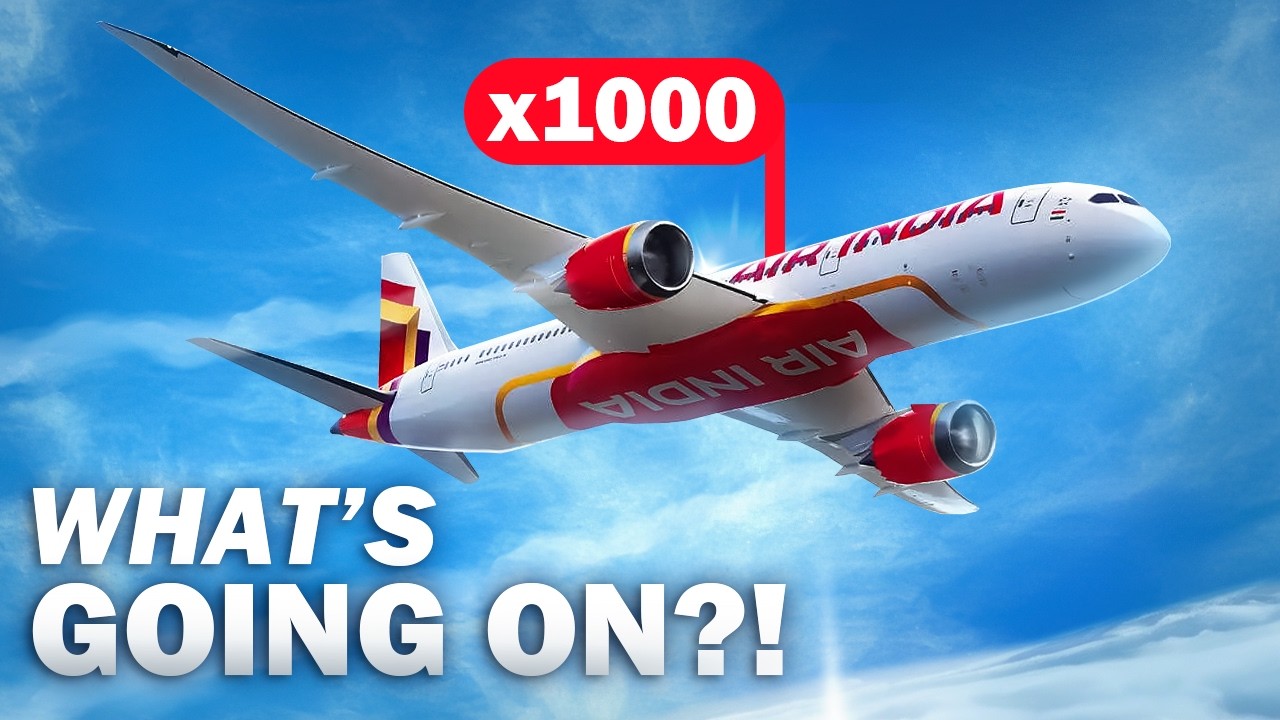
the airline can not only meet current demand but also better prepare for future growth in short China Southern Airlines decision to sell its Boeing 787-8 Fleet is a strategic move allowing the airline to optimize operations save costs and enhance its long-term competitiveness this is not only a testament to proactive adaptation to Market changes but also a clear commitment to moving towards greater sustainability and efficiency in the aviation industry this could open up opportunities for other airlines or leasing companies among the interested parties Air India has emerged as a strong candidate due to the similarity in
aircraft configuration and its expansion strategy Aviation analyst RI Singh believes that acquiring the 787-8 from China Southern Airlines could be beneficial for Air India given the Indian carrier's aggressive growth trajectory the near seamless Technical and operational integration makes the aircraft particularly attractive as the engine configuration and cabin layout are nearly identical requiring minimal modifications specifically the technical specifications show that China Southern Airlines -8 have 18 business class seats and 248 economy class seats which is very close to air India's current configuration of 18 business class seats and 238 economy class seats this commonality reduces the
cost and time required to integrate the new aircraft into the existing Fleet in addition the use of General Electric genx engines by both airlines not only simplifies maintenance but also reduces technical management complexity these advantages provide a great opport opportunity for Air India to increase its Fleet without facing significant logistical and operational hurdles if the deal goes through Air India will have a great opportunity to strengthen its competitive position against Indigo its biggest rival in the domestic and international markets indigo is pushing its expansion strategy with a target of 25% growth and expanding its International
Network to over 40 destinations by the end of the 2025 to 26 Financial year which is currently up from 35 in this context acquiring additional -8 could help Air India quickly increase its capacity especially on medium and Long Haul routes markets that indigo is also targeting Air India is currently pursuing a clear segmentation strategy across its Brands focusing on International and Metro routes however to support this growth Air India needs to quickly increase its widebody Fleet although the airline has placed a large number of new aircraft orders including Airbus a 350s and Boeing 7 long
delivery times and Global Supply Chain issues have slowed down the fleet additions in this context acquiring used Dreamliner from China Southern Airlines is a quick and effective solution the airline could deploy these aircraft on high demand medium and Long Haul International routes freeing up its larger widebody aircraft such as the Boeing trip 7 and Airbus a350 to serve other strategic routes including those to the United States this would not only help Air India reduce flight cancellations as happened recently with around 60 flights during the peak winter season but also support network expansion from strategic hubs
such as Mumbai and bangaluru however due diligence remains a key factor before the deal is struck considerations include potentially high maintenance costs as the aircraft approach a major maintenance check as well as the cost of cabin refurbishment or technical modifications these factors could significantly impact the finan benefits of the deal if managed carefully the acquisition of the Dreamliner Fleet will not only help Air India rapidly expand its reach but also create a competitive advantage in an increasingly competitive market this is an opportunity for the airline to not only consolidate its position in the domestic Market
but also reassert itself as a strong competitor in the international Arena so China Southern Airlines sale of its 787-8 Fleet reflects a shift toward efficiency and sustainability while opening growth opportunities for Airlines like Air India strategic Fleet Management is key in navigating post-pandemic challenges enhancing competitiveness and driving future success in an evolving Global Aviation Market do you think a trade between these two companies is possible feel free to share your thoughts in the comments section below