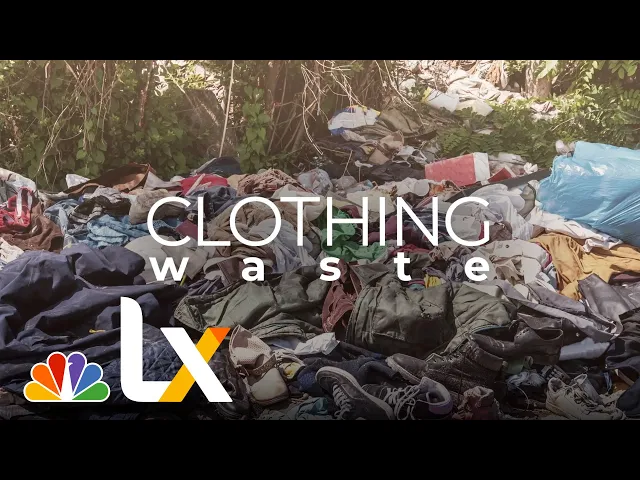
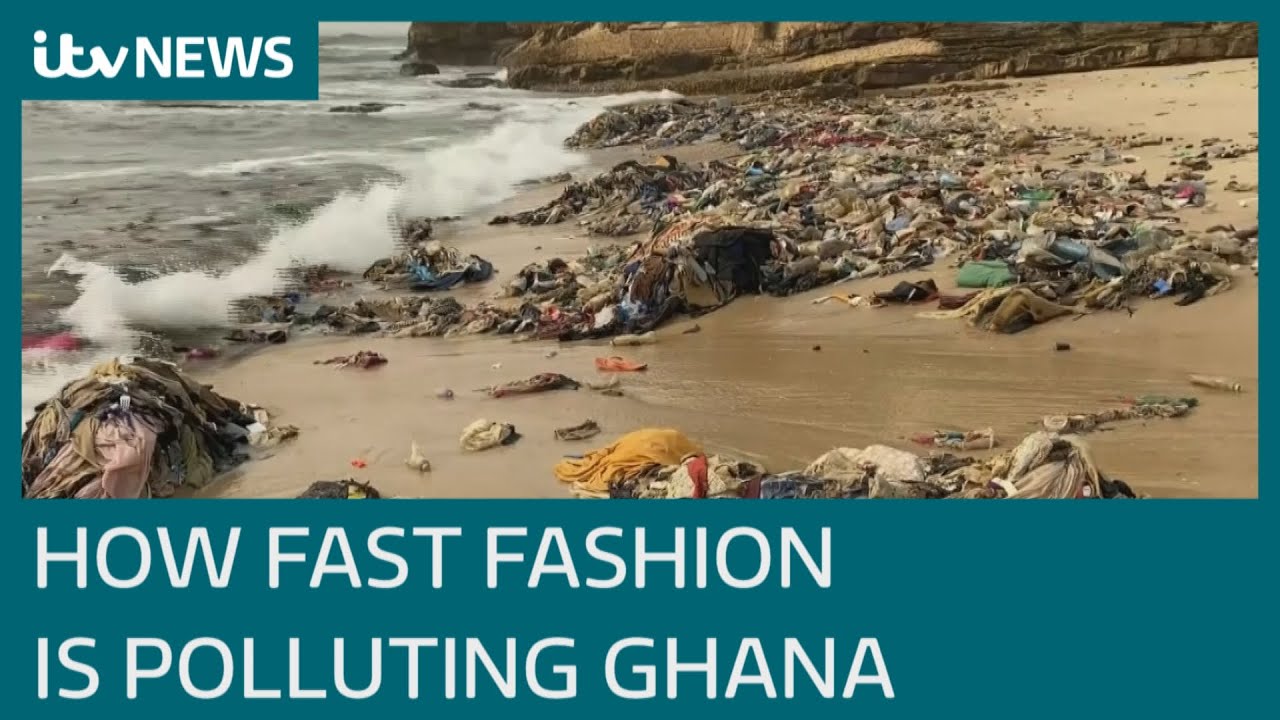
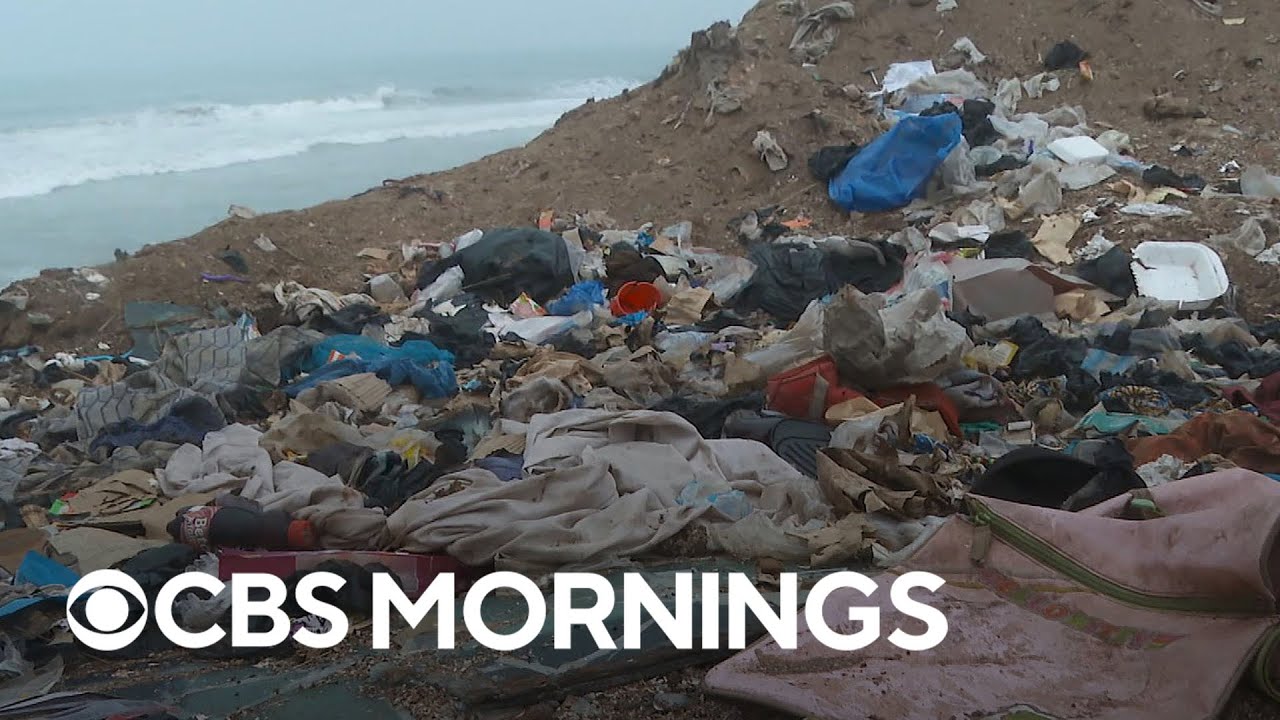
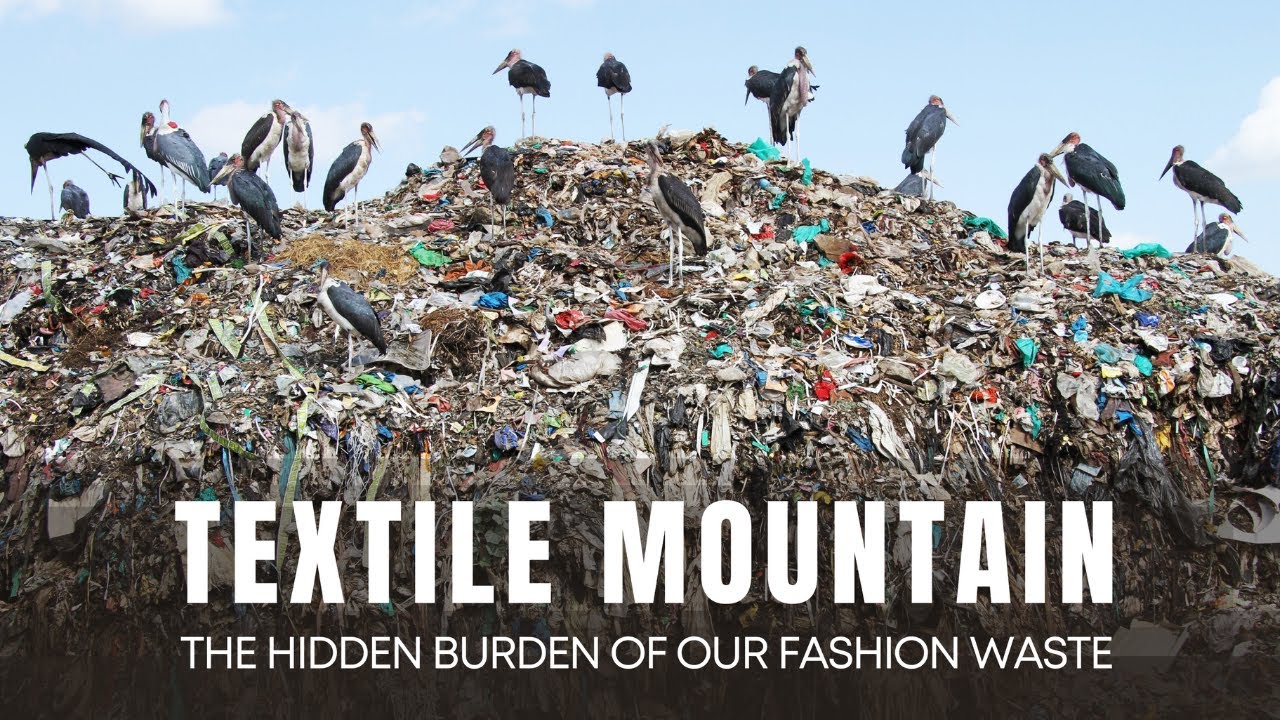
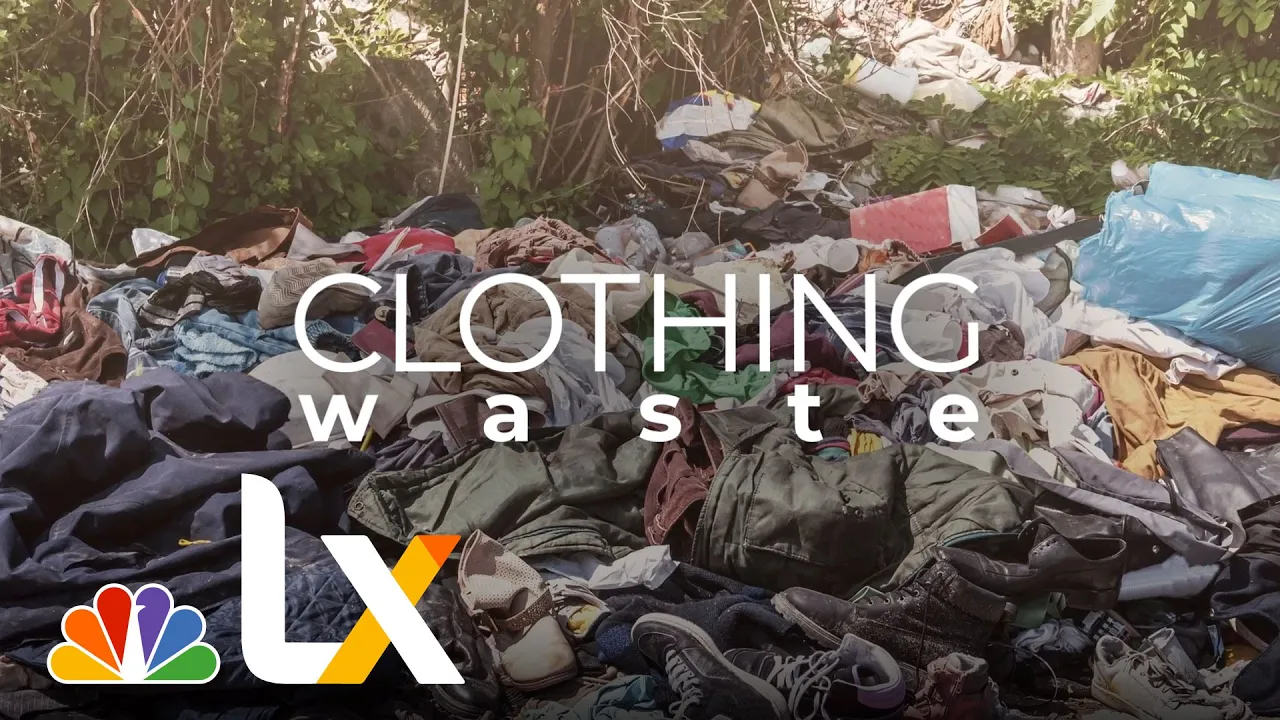
everywhere we look companies are trying to get us to buy something not because we need it but because it looks good or it's cheap consuming so much is wrecking the planet in 2015 we send 10 million tonnes of textiles to landfills in the u.s. that's the equivalent and weight to approximately 5 million cars all of it in our landfills and this is where you think well I don't throw my clothes in the garbage I give it to people who need it or I recycle it the problem is the clothes you bring here or here doesn't
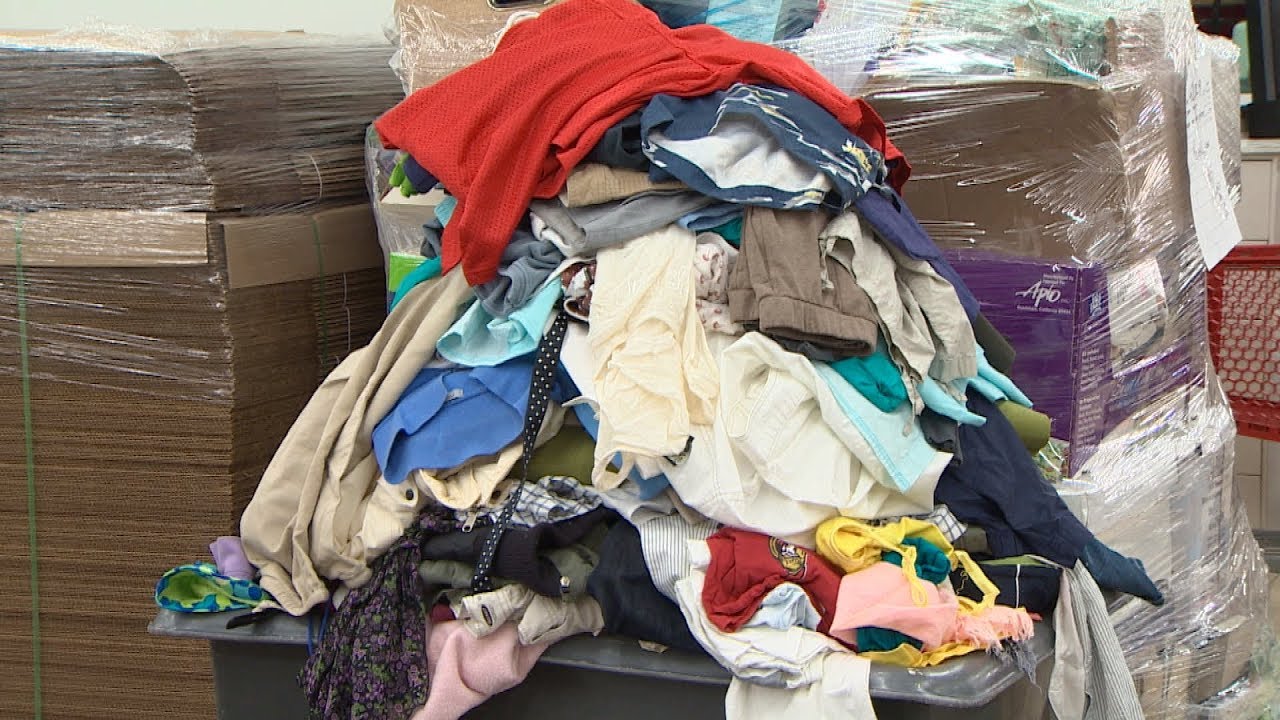
always end up where you think in this [Music] this is a graveyard of unwanted clothes this warehouse in Miami takes in a hundred and twenty thousand pounds of clothes a week so let's do that car comparison again that's the weight of 30 cars getting delivered here every week people buy and they give it a wide river the clothing they use a maybe one to three times and they buy new clothing you know this is a big different in this country it's a big different with all the countries then one buys the clothes that goodwill in
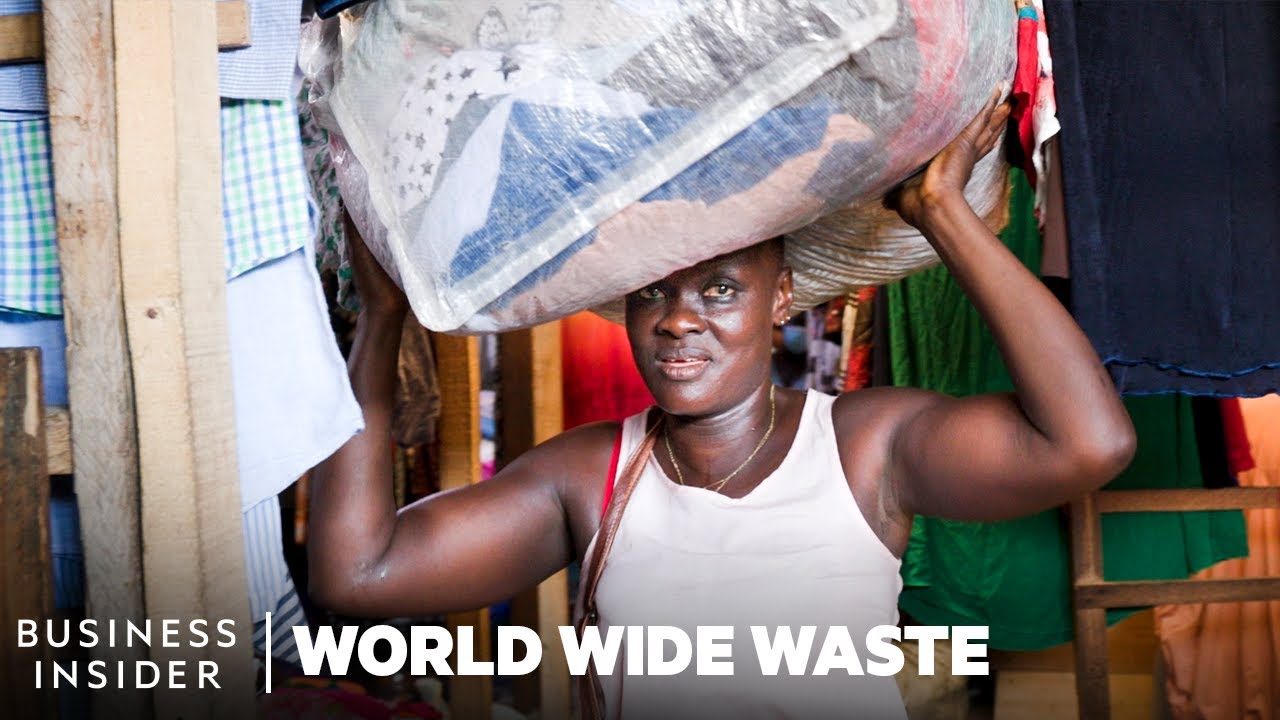
Salvation Army received from donations but can't sell in their stores he then sells it to countries in Latin America those countries they got like a flea market and that's where they sell down the used clothing those flea markets look like this tons of unwanted clothes from developed nations like the u.s. getting resold for cheap so I think I helped a lot of poor people in all those countries now they can't afford to buy a new chair for maybe 12 13 $15 and they came buy a chair for maybe a dollar two dollars that sounds good
in theory but a poorer countries are getting flooded with her used clothes so much that in 2015 East African countries like Kenya tried to ban second-hand clothes from their markets they said the influx of cheap clothes was destroying their local textile industry but secondhand clothing is a multi-million dollar industry in the US and in 2018 the Trump administration threatened the East African nations with tariffs if they stopped taking our used clothes and most of them back down I think that the public highly misunderstands what donating your clothing is all about if we continue to consume
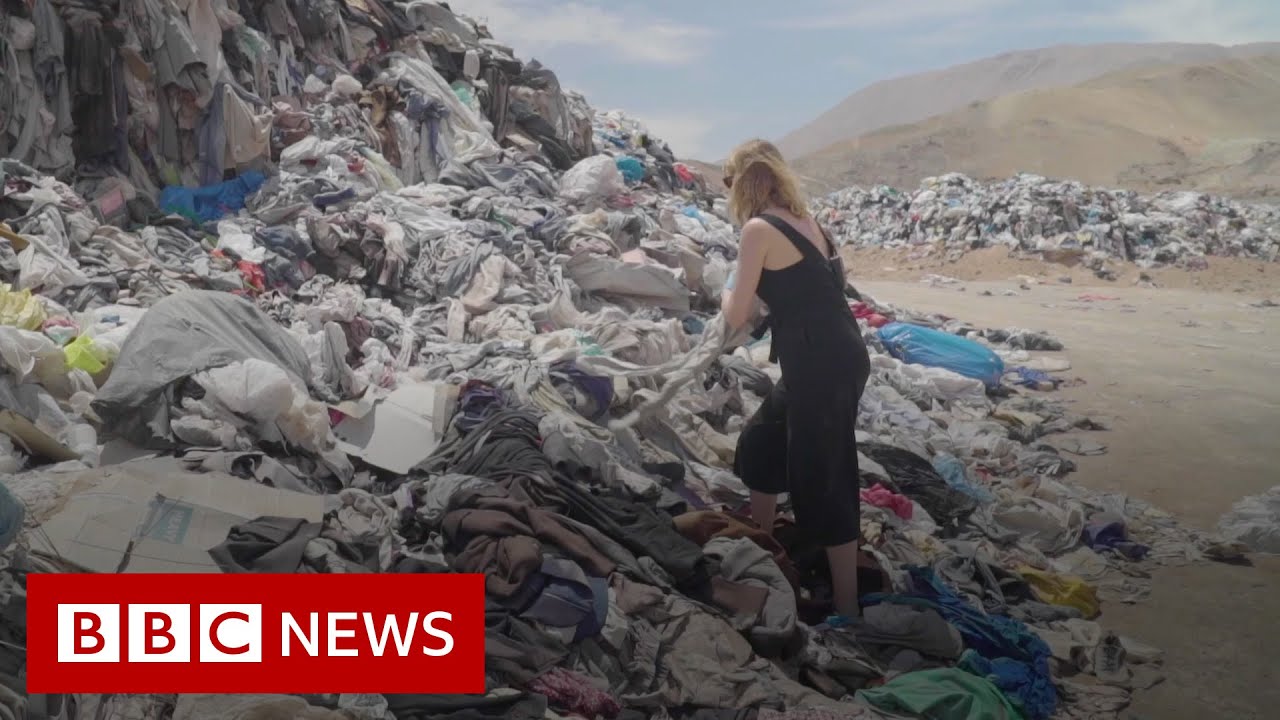
as much as we do we're already flooding markets that don't need our clothing anymore it may end up in the landfill as well outside of Don Juan's warehouse we saw a dumpster filled to the brim with clothes headed to a landfill that's also where some of the clothes you think are getting recycled end up less than 1% of clothes are recycled into new garments but there's little transparency about what companies do with the rest take Miami Beach for example they contract with a company called charity recycling to pick up use textiles but no one knows
what they do with them charity recycling is not telling the city even though their contract requires them to and they won't tell us even though we've been asking them for months I think the root of the problem is it's really a mass consumption and mass production you know what I believe that the fashion industry take make waste model has to change into a circular one they make low quality clothing that we wear once or twice and then it can fall apart and then the consumer is buying it at such a low price that they don't
really value it and then they wear it once or twice I mean goes into the landfill Don Juan doesn't fear running out of business any time soon I don't think so then we will chain now we're having you know because we live in this country and that's the way we being raised and we learned you know this kind of life but forever21 filed bankruptcy in october and some say that was at least in part due to their inability to appeal to Jen's ears Americans between the ages of 13 and 21 a study found that 94%
of them believe companies should help address social and environmental issues the question is whether companies and governments are listening you you