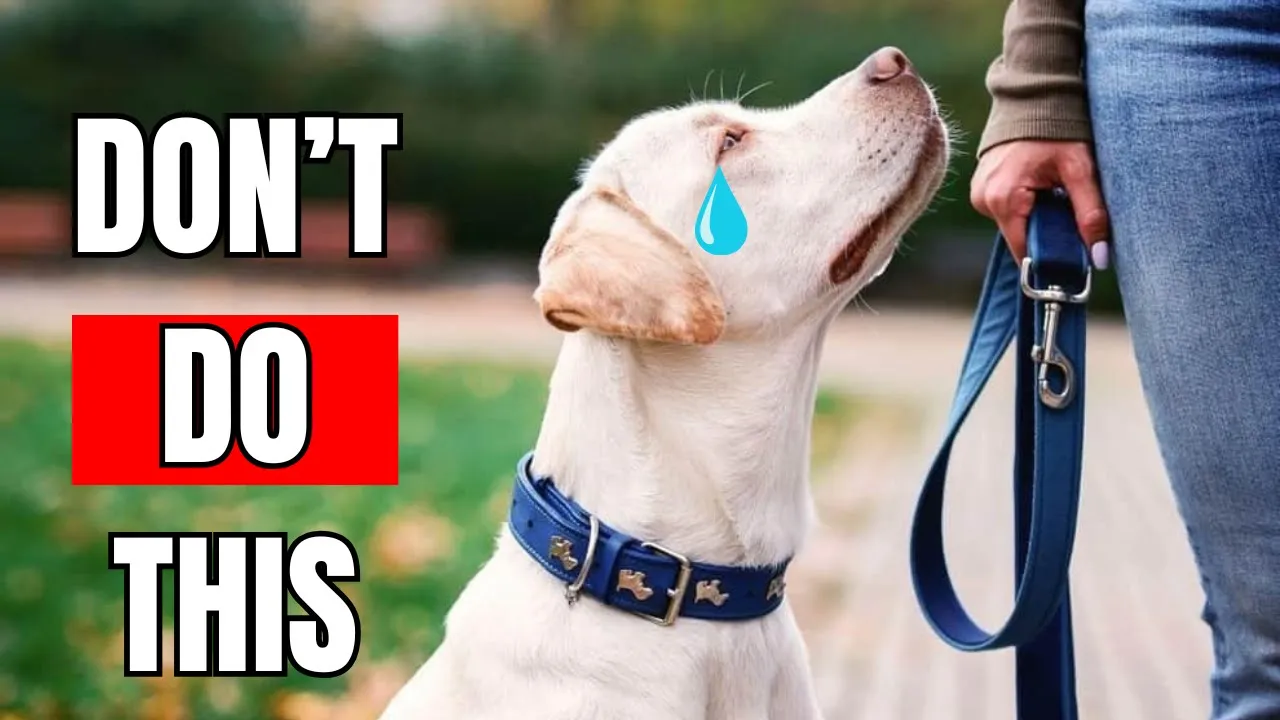
did you know that dogs can actually sense and remember emotional cues from humans studies show that dogs have a remarkable ability to process our feelings often picking up on even the smallest changes in our tone and body language but here's the real question can they truly forgive us in today's video we're diving into the world of dog emotions and revealing 10 things that dogs never forget and might never forgive so whether it's a misunderstanding or a routine mistake you'll be surprised at how some actions could leave a lasting impact on your furry friend let's get
started thing number one shouting imagine this you're in a calm State and suddenly someone starts yelling at you how would you feel scared confused anxious now imagine experiencing that same feeling but Amplified tenfold that's what it's like for a dog when you shout dogs experience the world through their senses and their hearing is far more acute than ours a sudden sharp yell isn't just loud it's jarring and deeply unsettling for them instead of shouting focus on projecting calm assertive energy remember dogs are Masters at reading body language if you're tense or angry your dog will
sense it instantly use a firm low pitched voice be clear and consistent with your commands and reward good behavior ditch the shouting and embrace the power of calm assertive energy your dog will thank you for it number two no walks walking your dog isn't just about bathroom breaks it's a fundamental need ingrained in their DNA for centuries dogs have been bred to work alongside humans expending energy and engaging their senses depriving a dog of regular walks is like denying them a vital part of their being they need to move explore and stimulate their minds and
bodies a simple walk around the block provides countless benefits for your furry friend it's a chance for them to release pent up energy regular exercise helps prevent destructive behaviors born out of boredom and frustration the sights sounds and smells of the outside world are a sensory smorgus board for dogs walks provide opportunities for your dog to interact with other dogs and people fostering their social skills and confidence walking side by side creates a shared experience that strengthens the bond between you and your dog make daily walks a non-negotiable part of your routine your dog will
be happier healthier and more well behaved for it number three punishments let's be clear punishment has no place in a loving respectful relationship with your dog it's rooted in fear and intimidation and it severely damages the trust you've worked so hard to build instead of resorting to punishment focus on positive reinforcement this means rewarding desired behaviors with praise treats or affection when your dog does something wrong address the root cause with patience understanding and consistent training dogs thrive on clear communication positive reinforcement and a loving supportive environment choose kindness over punishment and you'll be amazed
at the transformation in your dog's Behavior and the depth of your bond number four docking the practice of cutting a dog's tail is a painful and unnecessary procedure a dog's tail is more than just a wagging appendage it's an essential tool for communication and balance through their tals dogs Express a range of emotions from joy and excitement to fear and anxiety when you dock a dog's tail you rob them of their ability to communicate effectively beyond the communication breakdown docking can also lead to physical problems the tail is an extension of the spine and amputating
it can cause nerve damage chronic pain and even difficulty with balance the American Veterinary Medical Association abma opposes tail docking when done solely for cosmetic reasons celebrate the natural beauty and functionality of every dog tail and all remember a dog's worth is measured in love loyalty and companionship not by arbitrary standards of appearance number five using crates crates when used correctly can be a valuable tool for housebreaking and providing a sense of security for your dog the key to using a crate effectively is to make it a positive safe space for your dog not a
place of punishment start by introducing the crate gradually and associating it with positive experiences make it inviting play soft beding a favorite toy and treats inside never force them in encourage your dog to enter the crate willingly by tossing treats or toys inside avoid using it as punishment banishing your dog to the crate when they misbehave will only create negative associations remember a crate should never be used for extended periods when used responsibly a crate can be a valuable tool for housebreaking providing a safe haven during travel or offering a quiet space for your dog
to decompress always prioritize your dog's physical and emotional well-being number six not giving treat treats treats when used strategically are powerful tools for communication motivation and strengthening the bond between you and your dog think of treats as currency in the dog training World they provide a tangible reward that motivates your dog to repeat desired behaviors the key is to use treats effectively not excessively choose small healthy treats that won't upset your dog's stomach or lead to weight gain timing is everything deliver treats immediately after your dog performs the desired Behavior variety is key keep a
selection of different treats on hand to keep your dog engaged and motivated depriving your dog of treats entirely can make them feel neglected and less enthusiastic about training use treats wisely and you'll be amazed at how eager your dog becomes to learn and strengthen the bond you share number seven inconsistent routines dogs thrive on routine they find comfort and security and predictability knowing what to expect and when to expect it inconsistent routines can create confusion and anxiety and even behavioral issues establishing a consistent routine provides a sense of stability and security for your dog feeding
times feed your dog at approximately the same time each day walk schedules establish a regular walking routine aiming for at least two walks per day training sessions incorporate short positive training sessions into your daily routine bedtime rituals create a calming bedtime routine to signal that it's time to relax and unwind when your dog's routine is disrupted they may EX ibit signs of stress such as barking or chewing consistency is key when it comes to creating a stable and loving environment for your dog establish clear routines communicate clearly and provide plenty of love and affection number
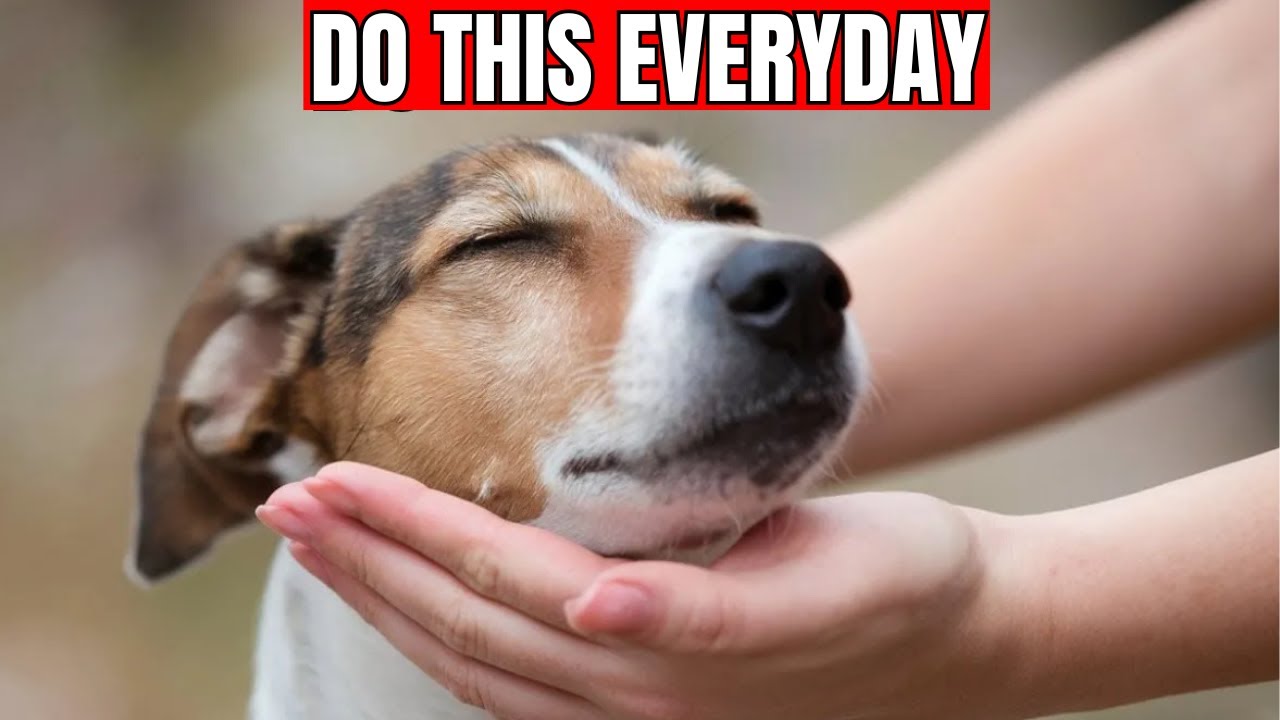
eight petting their head while we humans often express affection through head Pats many dogs find this gesture threatening and invasive it's about respecting their boundaries and learning to communicate with them on their terms instead of reaching for their head focus on petting areas where dogs generally enjoy being touched such as the chest and shoulders gentle scratches or rubs in these areas are often welcomed by dogs pay close attention to your dog's body language if they lean into your touch wag their tail or make soft happy noises it's a good sign they're enjoying the interaction however
if they stiffen up pull away yawn excessively or lick their lips it's a clear sign they're uncomfortable every dog is an individual and what one dog do enjoys another may find aversive always approach petting with respect gentleness and a Keen Eye for their body language number nine ignoring them dogs are social creatures who crave attention and interaction with their human pack members ignoring them can lead to feelings of loneliness boredom and even depression making time for Quality interaction with your dog is crucial for their emotional well-being engage in play set aside dedicated Play Time Each
Day go for Adventures explore new walking routs or visit a dog park simply relax and cuddle Sometimes the best moments are the simplest ones when you consistently ignore your dog they may resort to attention-seeking behaviors remember your dog thrives on your love attention and companionship make time for them each day and you'll be rewarded with a happy well adjusted and deeply devoted furry friend number 10 holding their tail a dog's tail is not a handle a toy or something to be yanked or pulled it's an extension of their spine and any rough handling can cause
pain injury and Lasting damage never ever hold pull or yank a dog's tail even ingest this can cause serious injury including fractures and dislocations the tail is full of nerves and damaging them can lead to pain incontinence and even paralysis teach children how to interact with dogs respectfully emphasizing that the tail is not a toy remember a dog's tail is an extension of their spine and should be treated with the utmost care and respect always handle your dog gently if you suspect a tail injury seek Veterinary attention immediately thanks for watching by avoiding these common
mistakes and focusing on positive reinforcement clear communication and consistent routines you'll create an environment where your dog feels safe loved and respected make sure to like comment and subscribe for more tips on how to keep your furry friend happy and healthy see you next time