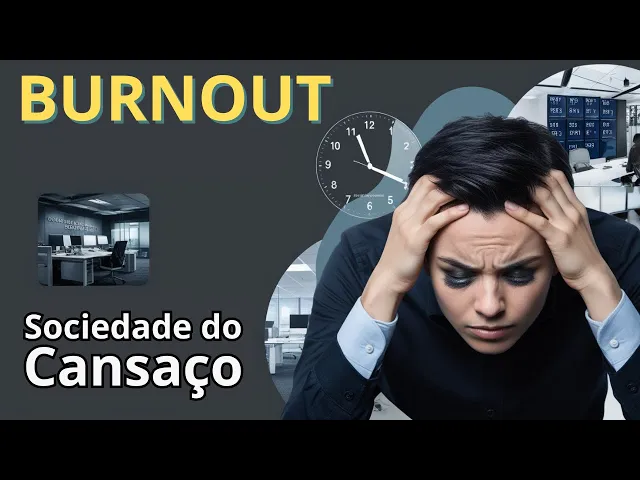
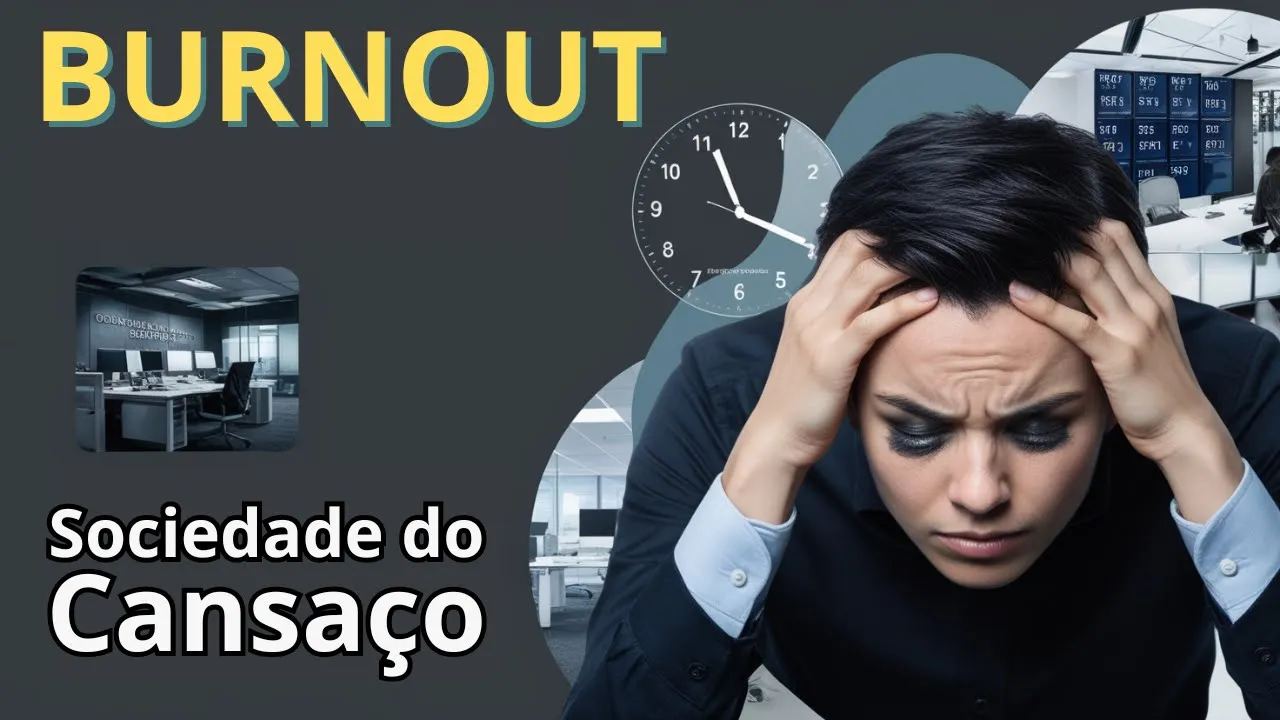
In a world where productivity and performance are exalted above all else, we find ourselves increasingly exhausted, anxious and exhausted. What happened to the promise of a more balanced and fulfilling life? Are we really living better or just becoming working machines?
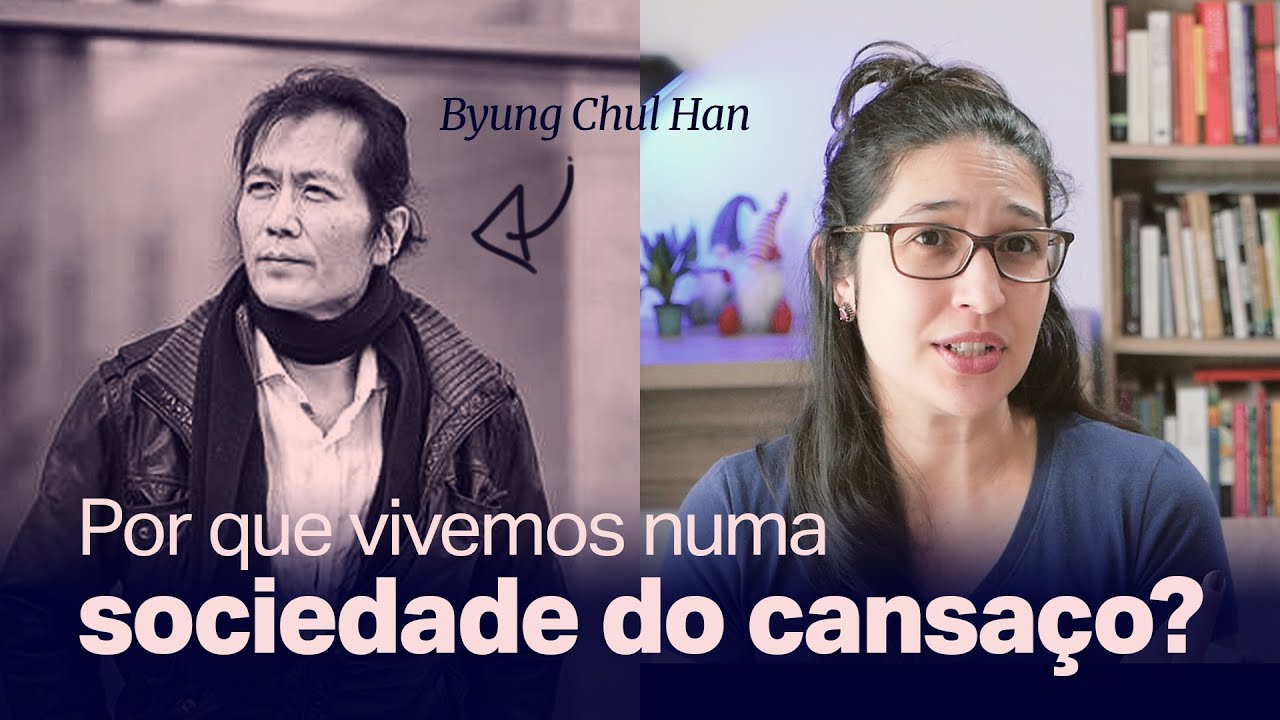
These are the questions that Byung-Chul Han raises in his work "Sociedade do Cansaço". Get ready to learn more about a society that values performance above human well-being. Byung-Chul Han, a South Korean philosopher based in Germany, proposes that we live in a performance society, where the pressure for constant productivity leads to burnout and depression.
According to Han, we have left behind the disciplinary society described by Michel Foucault, where obedience and conformity were imposed by authoritarian institutions, to enter an era where we are our own oppressors, driven by an incessant desire for self-improvement. Han argues that the transition from the disciplinary society to the performance society has brought about a fundamental change in the way we relate to work and ourselves. In the disciplinary society, there was a clear external enemy that imposed limits and disciplined us.
In the performance society, we are the ones who impose these demands on ourselves, becoming simultaneously the master and slave of our own ambitions. This self-exploration, as Han describes it, leads to the emergence of neural diseases such as depression, attention deficit disorder and burnout syndrome. Burnout is no longer a rare phenomenon; it has become a constant state for many, who struggle to stay afloat in a sea of self-generated expectations.
The performance society transforms the individual into an endless project of self-construction, where full satisfaction is never achieved. Han proposes that excessive positivity is one of the causes of this condition. We live in an era where positive thinking and motivation are exalted, creating constant pressure to always be productive, happy and successful.
However, this toxic positivity ignores the importance of rest, failure and introspection, essential elements for a balanced and healthy life. The philosopher notes that the performance society is closely linked to neoliberalism, which promotes the idea that each individual is responsible for their own success or failure. This creates a mentality of constant competition, where everyone must continually surpass themselves to stay relevant and successful.
This mentality of self-exploration is the engine that fuels the burnout society. For him, neoliberalism has not only shaped our economy, but also our psyche. Neoliberal freedom is a false freedom, which traps us in an endless cycle of self-overcoming.
We are encouraged to believe that there are no limits to what we can achieve as long as we work hard enough. However, this belief leads us to burnout and exhaustion, as we ignore our natural limits. Han criticizes the culture of continuous optimization, where even our moments of leisure and rest are seen as opportunities to improve our performance.
Mindfulness practices, physical exercise and healthy diets are often adopted not for well-being, but as means to increase our productivity. In this way, leisure becomes just another extension of work. The performance society also affects our personal relationships.
Exacerbated individualism leads to loneliness and isolation, as we are constantly focused on our own goals and objectives. Cooperation and solidarity are replaced by competition and selfishness, deteriorating the social fabric and human connections that are vital to our mental health. He suggests that we need to regain the ability to say "no" and recognize our limits.
We must resist the pressure to always be productive and successful, and allow ourselves moments of downtime and reflection. Accepting our vulnerability and valuing rest are essential steps to combating the burnout society. He also highlights the importance of leisure, not as a period of recovery to return to work, but as a space of true freedom and creativity.
Leisure allows us let us disconnect from the incessant demands of the performance society and explore deeper, more meaningful aspects of our lives. Han's concept of "vita contemplativa", inspired by ancient philosophy, suggests a return to the contemplative life, where reflection and meditation play a central role. This approach contrasts with the "vita activa" of modern society, which values action and productivity above all else.
The contemplative life offers an antidote to the frenzy of the performance society. Resistance to the burnout society is not easy, as we are immersed in a system that glorifies performance and productivity. However, Han believes that change is possible through critical awareness and the revaluation of practices that promote integral well-being.
This includes promoting a culture that values mental health and work-life balance. Solidarity and empathy are essential for this transformation. Instead of seeing ourselves as competitors, we must recognize ourselves as members of an interdependent community.
Supporting each other and valuing cooperation can help us build a fairer and more sustainable society, where success is not only measured by individual performance, but by collective well-being. Han suggests that practices like meditation and mindfulness should be reintegrated into our lives, not as performance-enhancing tools, but as ways to reconnect with ourselves and the present. These practices can help us cultivate deeper awareness and find more authentic , lasting meaning in our lives.
The search for a more balanced and meaningful life requires a reevaluation of our values and priorities. We need to question the cult of productivity and recognize that rest, leisure and coexistence are equally important for a full and satisfying life. By doing this, we can begin to reverse the devastating societal effects of burnout.
Transformation begins at the individual level, but needs to be supported by structural changes in society. Policies that promote reduced working hours, the right to rest and the appreciation of mental well-being are essential to creating an environment where people can thrive without burning out. By promoting a culture that values health and balance, we can build a society where success is not measured by tiredness, but by happiness and well-being.
Byung-Chul Han's importance in philosophical terms lies in his ability to reveal the contradictions and dangers of the performance society, offering paths to a more human and sustainable existence. His philosophy invites us to reflect on our own lives and question the values that are imposed on us. Do we really need more productivity and performance, or should we seek a life richer in meaning and connection?
This is the provocation I leave for you, the viewer: How can you resist the burnout society and seek a more balanced and fulfilling life? As we close this reflection, it is crucial to remember that change begins with small steps. Value rest, cultivate moments of introspection and be present for those around you.
The burnout society can be challenged and transformed, but the journey begins with each of us questioning, reflecting and acting towards a more humane and compassionate future. Thanks for your attention, and see you next time! !