hey guys Liam Motley here and today I want to make a quick video breaking down the three most important questions that you need to ask before taking on any AI projects to your agency um now these questions at myself and my team at Morningside have had to learn by trial and error and this is what we've come to and and continue to use to this day after coming up with it around a year ago this time last year um and it continues to be the set of questions that we ask during our sales process and
also as soon as we get into the actual building of the project um that's the the information that we need to collect very important to understand this if you're looking to build an AI agency and be successful in this space so let's get into it so three key questions starting off these are things we'll typically ask during our sales process initially and this is really how myself and my team figure out what a project is about and what the goal is what who the end users are and and these three questions are really what allow
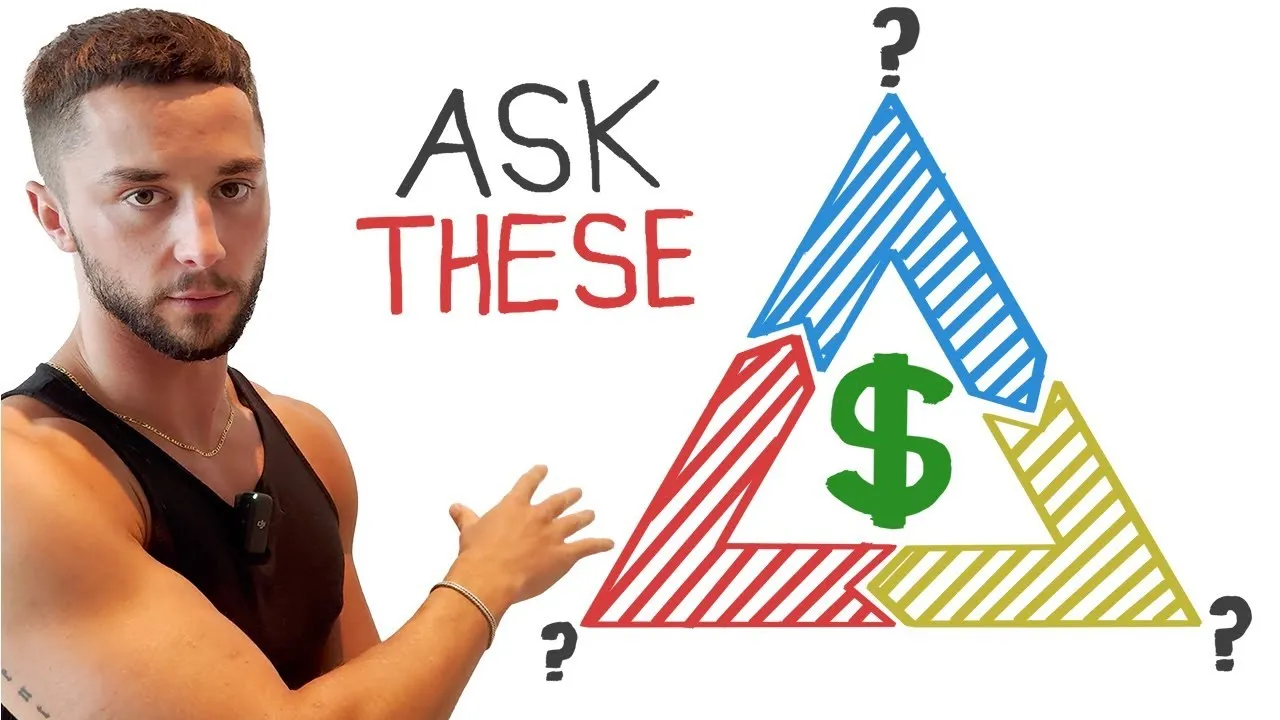
us to connect all these pieces together so the first thing up here is data now I know data isn't a question but what data is this system or is this build going to be using or integrating because we're using llms and and and chat gbt apis there's some kind of data that's going to be flowing through and Hing that API at some point and we're going to be manipulating it we're going to be doing something with it it might be a custom knowledge chatbot it might be an automation we be passing some kind of data
through it we need to know what data they're going to be using in the system or what we're going to be manipulating with our AI tasks and with our functions so first things first is data what data are you using or what data is going to be built into the system um next we have inputs so what are the expected inputs of the system um whether that's an email classification system where it's going to have emails from XYZ inbox that are going to be moving through it or typically in the form of chatbots and agents
that you build who who's the end user of this how are they actually going to be sending questions to it what are they expecting to get out of it this is really important to to understand how this data is going to be used um and then finally um you may have guessed it we have uh outputs so with this we get a nice little triangulation which allows us to understand what this project is and by triangulating these different parts um we understand what they're looking to build because if you know what data they're getting they
know what questions are being asked and you know what they're trying to Output then you have a full picture of okay this is what the system is doing I'm using AI or language models to convert this data given this prompt into this output now this may look like in the form of okay I'm going to be using C is V I'm going to be using PDFs okay well what are in those PDFs is it diagrams is it going to be just all text what is the content of the PDF and how big are they all
these kind of questions that you need to ask about the data that's going into the system and then for the inputs we'll just ask for a list give us a list of 5 to 10 expected inputs that the user or end user would end up giving to the system okay great we've got a list of those okay now can we also get a list of outputs and you may be starting to connect the dots here because in my recent video on exploration milestones and cosine similarity which I'll link up here somewhere um very important you
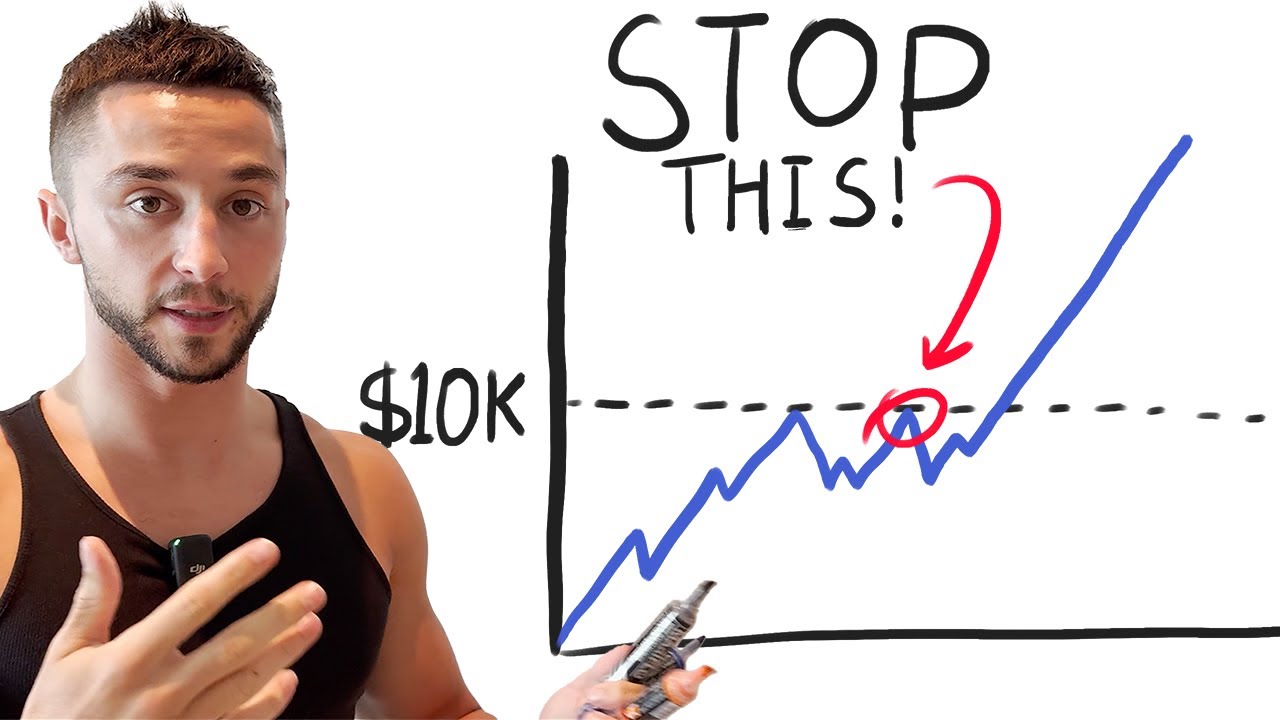
watch that and we weren't able to scale past $10,000 per month in my agency until we implemented those systems and it's it's it's a new thing that we've had to invent for these AI agencies because of the nature of the technology we're working with so um if we get a list of inputs and a list of outputs and then we know the data that we need to put in we can then run some kind of test sorry there's another triangle but this is supposed to be the system that we put into it um it's flowing
the wrong way but you get the idea we can put the inputs into this and test the outputs so we use these questions at various stages of our client life cycle so in the discovery call we'll ask these questions what data as the system going to be using or manipulating what are the expected inputs what are some of the expected outputs that you want from that data given these inputs we get the full picture um but then we can go into our exploration phase which I've covered in in the earlier video that I mentioned and
the exploration phase is a $800,000 $2,000 Milestone and we've continued to increase the price over time and you guys can too uh but it's a a quick Milestone that allows us to say okay give us a sample of the data give us some sample inputs give us some sample outputs let us mock up a quick system a prototype of the system cuz with LM apps it's usually fairly easy to get a prototype up or at least a proof of concept that shows okay yes we can achieve this or we can get to close enough to
the end result that we can be confident in in the outputs or or in the final result being there if we put in a bit of extra work so we click the data we click the inputs and outputs we run a little exploration Milestone and then we can actually do some cosine similarity testing to determine if we're able to make this thing work so yes we've had on the Discovery call we've learned about it is this something like initially is this a project that we're interested in taking on is this data too tricky is it
CSV or is it PDF with images in it is this data too tricky for the current technology so if it's not then we say okay sorry we're not interested in that project but if they get past step one and they get they become a client okay now we have this discovery Milestone which is step two okay we can do this sort of test does this does these inputs and the data are we able to get a proof of concept or or prototype up okay yes we've moved through that okay now we're into stage three which
is the actual build and we need to go through and and Flash this thing out and really get down to this desired set of outputs and we build these into the contract as I mentioned in that video so very important that you go and watch that it will have be linked up there or down in the description as well but this concept of these three questions that we asked to get a a holistic idea of the project that we're taking on is not just limited to to this stuff here it's actually part of a broader
broader issue and and thny part of of running these AI agencies and building AI solutions to businesses and that is expectation management and this is something that continually will RAR its head in your journey and continue to C issues if you are not absolutely brutal on your attempts to squash it and shut it down and get yourself and your client on the exact same uh eye level of of what this project and what the project will look like in its final form so when it comes to expectation management those three questions are so key because
initially you're going to be able to say yes or no we can do the project great on the Discovery call sales cor whatever you want to call it that gets you into the exploration phase when you can say okay now we're going to try to do a prototype test this see if we can get the kind of outputs we want using coens it check that they're similar enough then we can move into the final project but before you go any further you need to really be careful about setting these expectations correctly which is using the
cosine similarity test so that's one of the techniques we use cosine so cosine similarity test during their exploration phase and that's going to let them know hey these are the kind of outputs we can get from this exploration phase we did you show them very very clearly and we do this at morning site every time do the exploration get the proof of concept get the Prototype generate a set of outputs hop on and call the client and say are you happy with these outputs everything is based on language everything is subjective and they all have
opinions and feelings and again you can't build a business based on the the worms and feelings of your clients you need to have something more solid than that or you're going to be dead in the water So Co similarity test at the end of that exploration showing that yes we've met the input and output requirements to to be similar um but also showing to the client and getting feedback and saying hey what do you think of this this is going to be what it looks like in the final version can you please confirm that this
is what you're happy with and that's what we're going to use based on the uh the final contract is going to be the results like this but more recently and something I really want to introduce to you guys now as as myself and the team at morning side have just started to experiment with it but also mockups where the client will see the end result and some kind of graphical mockup of of what the display will be like because yes it's one thing to get the outputs but often times you'll send them back the outputs
and in something that doesn't look too flashy it's it's like a bit rough around the edges because it's a prototype and then they look at it and they go oh well that's that's not what I wanted at all because you hadn't managed the expectations of what it was going to look like we're experimenting right now with sending over graphical mockups and doing a little design and sending that over to them and saying hey look this is what it's going to look like this is how the answers are going to be displayed within the window this
is what the overall UI of it on your website is going to look like Etc um so mockups and giving some kind of flash forward to the end product not just in terms of the out puts but also in in terms of the Optics and and the visuals of what it's going to look like is further going to help your expectation management so that you don't get to the end and the clients go e I'm not happy with this so that's all I want to say in this video expectation management the three questions what data
is the system going to use what are the expected inputs and what are the expected outputs with those three you can eyeball a project very very clearly that's that's all I use to to survey or analyze a project before you take it on but then when you get further down the sales life cycle towards an the exploration phase Co and similarity testing and even giving mockups just to really manage your expectations show the client that this is what you're going to get because unfortunately chat gbt open AI they have such amazing AI experiences that they
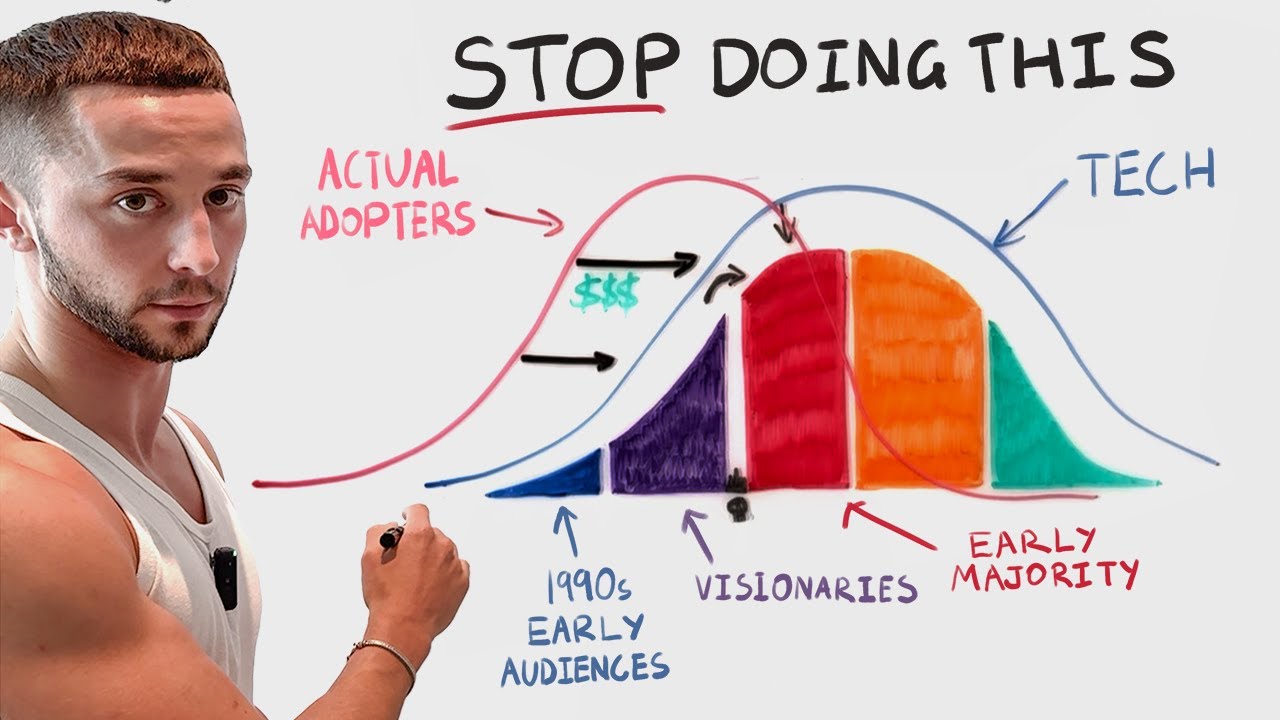
set the bar way up here and us as AI agency owners while we love chat gbt it is our worst enemy at times because it's such a good experience for people and they a lot of these early adopters that you have coming to your agency they use chat pretty heavily and they go wow this is really cool I want something like this for my business and then for you as an agency owner with one developer trying to replicate chat BT level polish is very difficult to do so this is your Saving Grace so that's all
for the video guys if you've enjoyed hit down below leave a like uh subscribe to the channel if you haven't already for more AI business content teaching you how to succeed in the AI space um and yeah if you're interested in seeing what the life of an AI agency owner is like here in Dubai you can see my week in the Life which I filmed that'll be just up here aside from that guys thank you so much for watching and I will see you in the next one