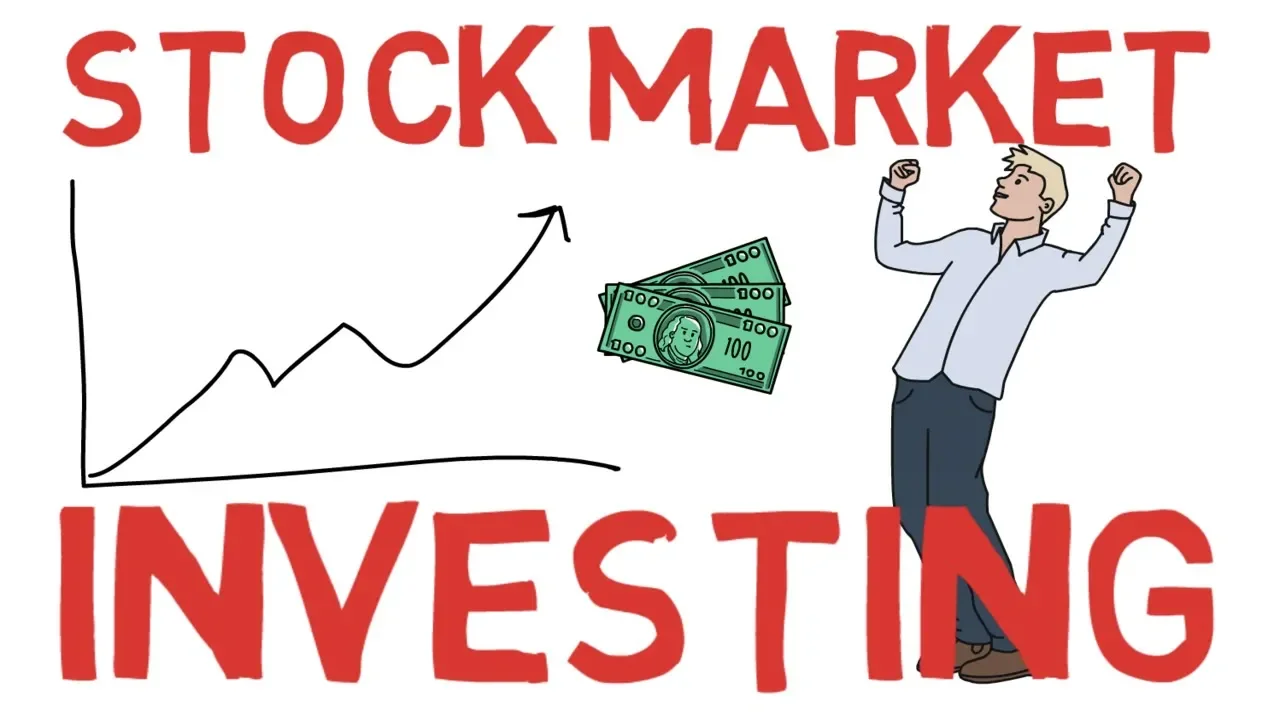
choosing a stock might sound like a beginning step to building a multi-million dollar portfolio in fact many experts recommend starting out with index funds as they can be less volatile and offer less fluctuation buying an individual stock is a much riskier investment as the share price is likely to rise and fall very quickly and often but the opportunities are endless and when done right can be extremely lucrative we've all heard success stories of one lucky person who struck gold with the stock purchased on a whim well that might be a little far off and you're
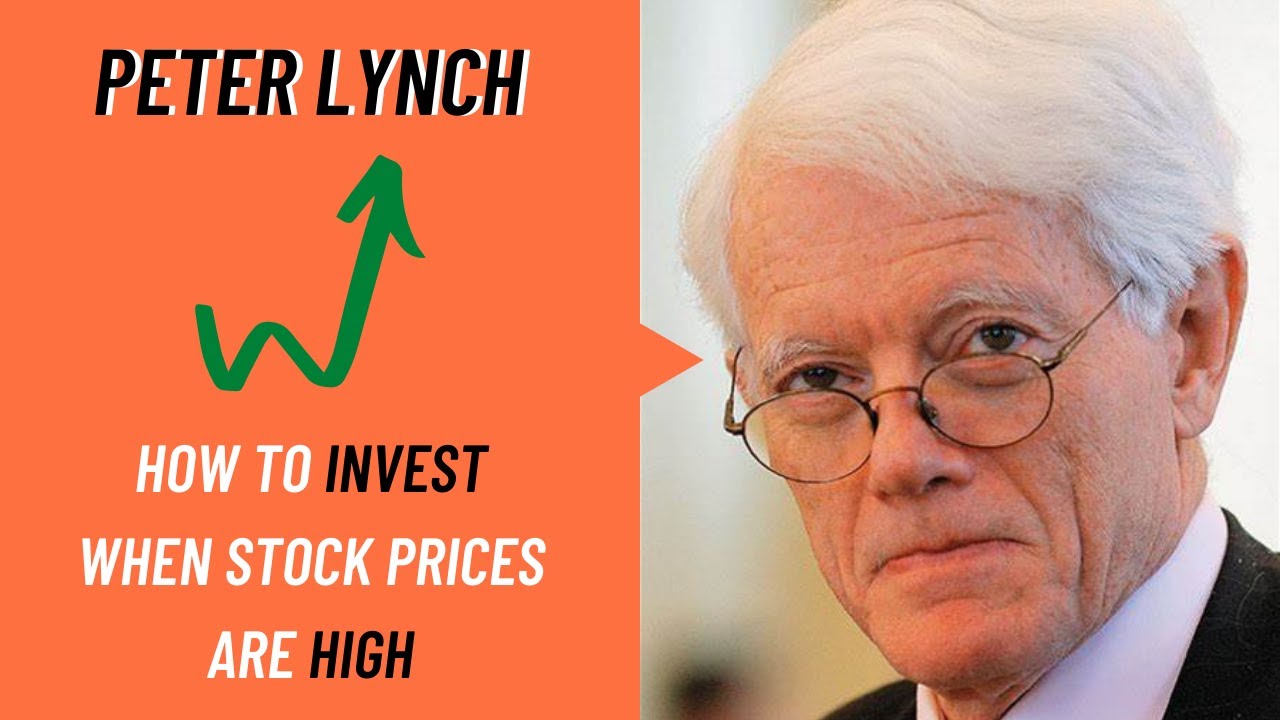
not necessarily looking to retire off one speculative investment there are measures you can take to make an informed decision about buying an individual company stock if you enjoy learning about personal finance and making money be sure to like the video and subscribe to the channel by what you know this investing principle was famously stated by Peter Lynch the author of the famous stock market investing book one up on Wall Street in the hedge fund manager Magellan who was known for consistently doubling the S&P 500 returns his philosophy was to buy what you know or companies
that you're familiar with for example if you find yourself shopping at a particular clothing store and you see more and more people wearing the clothes and shopping at the store it might be worth your time taking a look into the company's fundamentals in future prospects is a consumer you're able to analyze products and businesses based on yours in others opinion of the product determining whether it's likely to be successful in the future these ideas into consideration with the company's fundamentals buying what you know is like having an insider's insight consider the p/e ratio the price
to earnings ratio or p/e ratio is an indication of how expensive a stock is the p/e ratio would be comparable to the rental amount a rental property receives as it tells investors how much money the company is making relative to the share price or the amount of property rents for in relation to its value the p/e ratio is the price per share of a stock divided by the earnings per share this shows how much the company is trading for for each dollar of profits in general price to earnings ratios rise and fall depending on the
stage of the overall stock market and can't be relied on entirely the best use for this statistic is to compare it to similar companies for example if you're evaluating a bank stock with a p/e of 15 and all other Bank stocks are averaging a p/e of 10 that stock might be relatively expensive compared to its competition examine revenue and profit growth you'll want to consider the growth rate of the company's revenue growth rate benchmarks depend on the current stage of the company but 15 to 45 percent is average for year-over-year growth net income is important
as well because that will tell investors if the company is turning the profit after all expenses are paid and this is what will enable the company to reinvest in the business create new sources of revenue acquire new businesses or just improve the value of the company by investing in equipment talent and so on in general companies with less than two million dollars in annual revenue have much higher growth rates flat or declining sales growth shows that a company has stagnated in offers limited hope for continued growth stagnant companies might produce near-term profit but they're unlikely
to attract the attention of new investors revenue growth is often considered to be a better indicator of the company's future due to the fact that net income could be low if the company is constantly reinvesting profits consider dividend yield dividend yield is the ratio of the company's annual dividend compared to its share price the dividend is the amount of money the company is currently paying its shareholders for simply owning the stock it is calculated in the form of a percentage for instance a company that pays a 6% dividend will pay the shareholders 6% of the
stock's value on a regular basis average dividend yields vary depending on the stock sector older stable and developed companies are more likely to pay out healthy dividend payments in newer companies that are growing quickly probably won't pay anything as their profits are usually reinvested within the company dividends are usually paid out quarterly and the payouts are fixed dollar amounts you can reasonably expect to receive the steady dividend payments during all economic cycles unless the company runs into turmoil and reduces its payment amount consider insider and fund buying insider buying could give you a clue as
to what the future of the company will look like this usually means that the insider believes the stock is fairly valued and they see opportunity for growth in the future Peter Lynch once said that insiders might sell their shares for a number of reasons they might be using the funds to buy a new home or new yacht but they only buy shares for one reason because they think they will make money the SEC requires insiders to hold their shares for at least six months to prevent them from profiting from swing trades based on their knowledge
when a fund buys a particular stock chances are they have done extensive research and believed in the company you can find information about insider trading from a number of websites including Forbes and insider trading org take into account analyst recommendations you can take advantage of professional research that's already been done by stock analysts there are many brokerages that will assign a buy or sell rating to most stocks available on the stock exchange you can find these ratings by simply googling the ticker symbol for the company and there will be many sites offering their opinion such
as Zach's Morningstar and many more many quality stocks carry ahold rating but a sell rating should be a red flag because the researchers might know something that you don't while it's not a good idea to blindly rely in the recommendations of analysts it will give you another piece of information that will help you make a profitable investment decision choosing a stock purchase can seem like venturing into murky waters without knowing what lies beneath the surface unless some uncomplicated due diligence is exercised simple strategies like sticking to the things that you're familiar with can go a
long way in making a stock choice a good one