Padua, Italy in the sixteenth century was an exciting place to be a medical student. Other than ample sunshine, wine, and gelato — the staples of any medical students’ free time — your university was one of the few in Europe that fully embraced human dissection as a teaching tool. Your colleagues in France, Germany, and Spain weren’t so lucky.
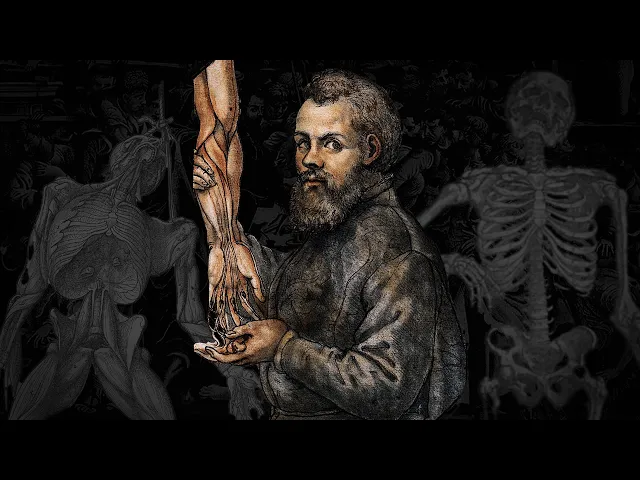
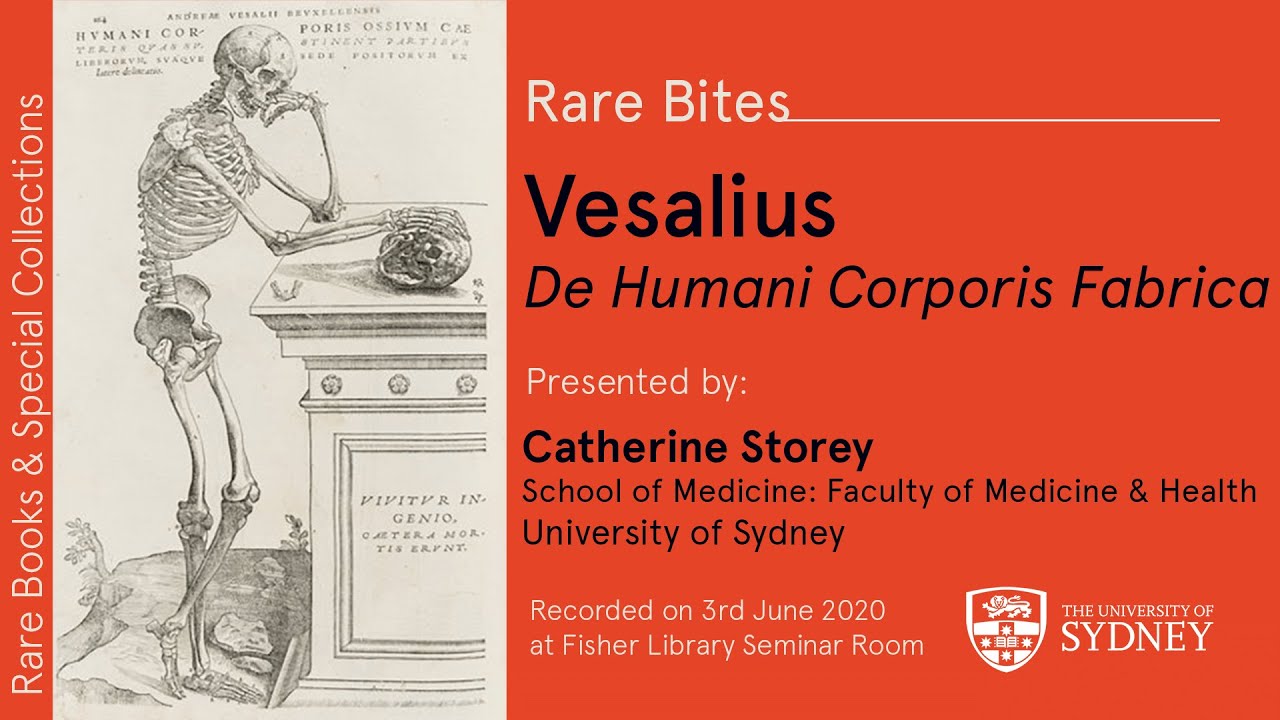
One of your professors, Andreas Vesalius, got so deep into dissection that his masterpiece, De Humani Corporis Fabrica, gets credited in modern day as the book that fixed centuries of sketchy anatomy. But nobody changes an entire branch of science overnight — plenty of other physicians created anatomy textbooks around that time that don’t get the hype. So my research question going into this video was twofold: what was the context around Vesalius that ultimately made Fabrica such an influential piece of work, and just how big of a deal was this book?
This is the story of the book that fixed anatomy. To give context to Vesalius, we need to set the scene. It’s time for the Italian Renaissance.
This is that time when Italy and some of the area around it saw a renewed interest in everything Greek and Roman, and along with that, interest in the humanities and sciences. The scientific method as we know it today was /starting/ to become a thing along with increased scientific curiosity and the desire to experiment. Dissection is a form of experimentation, so it’s only fitting that people wanted to dissect.
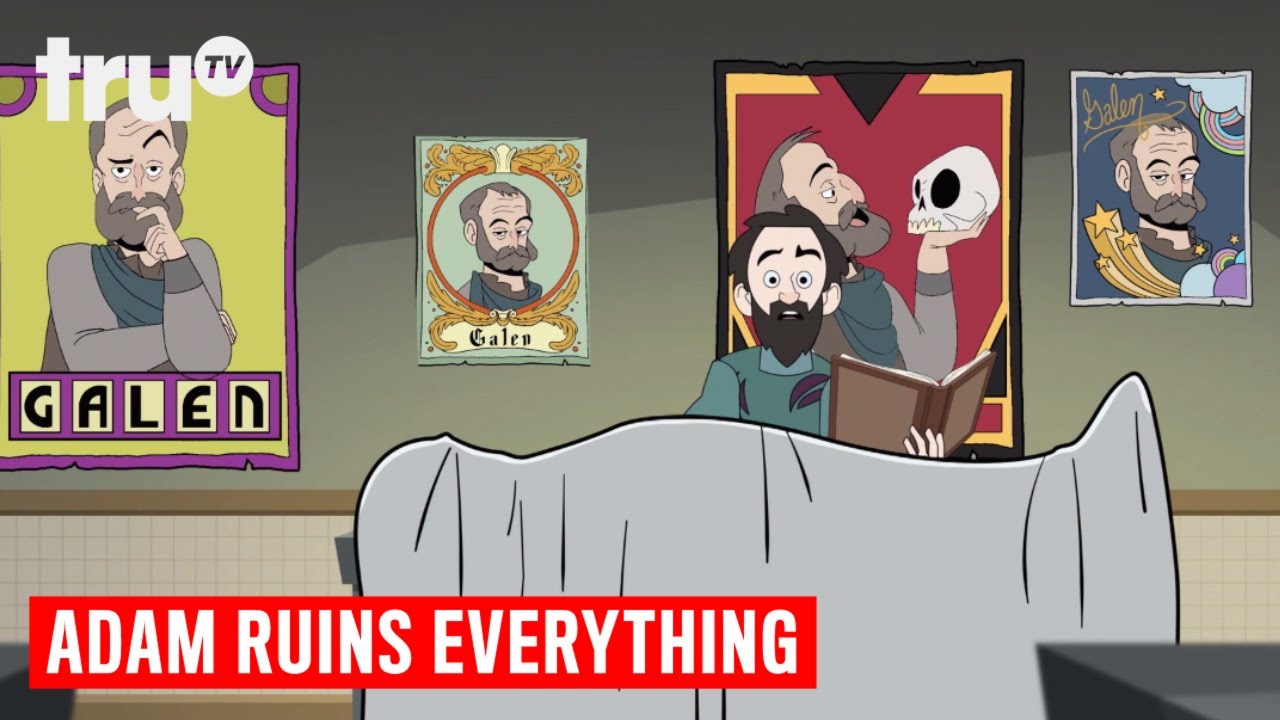
Plus, wth renewed interest in Roman literature and easier access to illustrated books, more educated folks were reading ancient medical textbooks like Galen’s with a critical eye. Like I said in the last video, the stigma against that kind of academic dissection was starting to lift in the early 1300s. And in 1537, after some possible political influence that is definitely not in the scope of this video, Pope Clement made university supervised medical dissection officially okay with the Catholic Church.
Unfortunately, that kinda sparked a cadaver supply problem. Physicians were only supposed to dissect executed criminals and the rarely donated cadaver. But during the Renaissance, the pace of dissection started to overtake the supply of fresh bodies.
So physicians tried to incentivize more families to donate their loved ones’ remains, but they also did some questionably legal things to get more corpses. We’re talking about grave robbing, yeah, but some anatomists didn’t wait that long — they might just crash a funeral. As much as this gave some folks the heebie jeebies, others were like “yeah, but dissection is really cool to watch so I guess we’re cool with it”.
Regardless of how they got there, human cadavers were finally back on dissection tables and used in medical teaching. And not just in medicine. Renaissance artists got super interested in anatomy, which had all kinds of unexpected benefits on medical illustration.
Take a look at some of these images from Fasciulo de Medicina, a popular fifteenth century medical book from Johannes de Ketham. And now look at what artists created in Italy during the Renaissance. Compared to Fasiculo, these new paintings were photo realistic.
Everything from sculptures to paintings started to take on a much more refined and lifelike appearance in part because artists started dissecting. An artist named Antonio Pollainolo was one of the first. He thought that dissecting would teach him how structures under the skin shaped the body from the inside out.
And others followed. Michelangelo’s David? A product of dissections.
Leonardo da Vinci’s, umm, everything? Definitely influenced by dissection. Most of them used their more precise anatomic knowledge to draw the body more realistically, with muscles and tendons gently pressing against the skin like a modern figure drawing.
Some people even drew écorchés, drawing the skin as if it were cut and flayed away from the muscles and inner anatomy, but still made it look beautiful. This style wasn’t the norm, but it becomes more important when we get to Fabrica. So, increased human dissection, more eyes on Galen’s work, and a severely leveled up art world.
This was the landscape of medical education when Andreas Vesalius was born. Andreas Vesalius was born in Brussels to a family of physicians that served the Holy Roman Empire. Vesalius originally went to school in what is modern day Belgium at the University of Louvain, then came to the University of Paris in 1533.
Going into this script, I assumed his teachers must have been huge advocates of human dissection, but they were the opposite. They bought in heavily to the old Galenic model and preferred animal dissection, which Vesalius thought was a little too old school for a university supposedly on the cutting edge of science. (Get it?
Cutting edge, dissection? Whatever, I think I’m funny) Remember, European medical teachers had been using human corpses for about 200 years at that point, but these teachers in Paris still used cats and dogs. And so, while he was still a student in Paris, Vesalius would go off campus to the gallows at Montfaucon where he might be able to nab some criminal corpses.
Also if we want to just ignore my French and Italian pronunciation, that would be great. This dude was so hungry to dissect, that he was willing do illegal, pretty universally acknowledged unethical things in order to practice. So he left Paris in 1536 and continued school in Padua, Italy where he knew he’d get to dissect real humans.
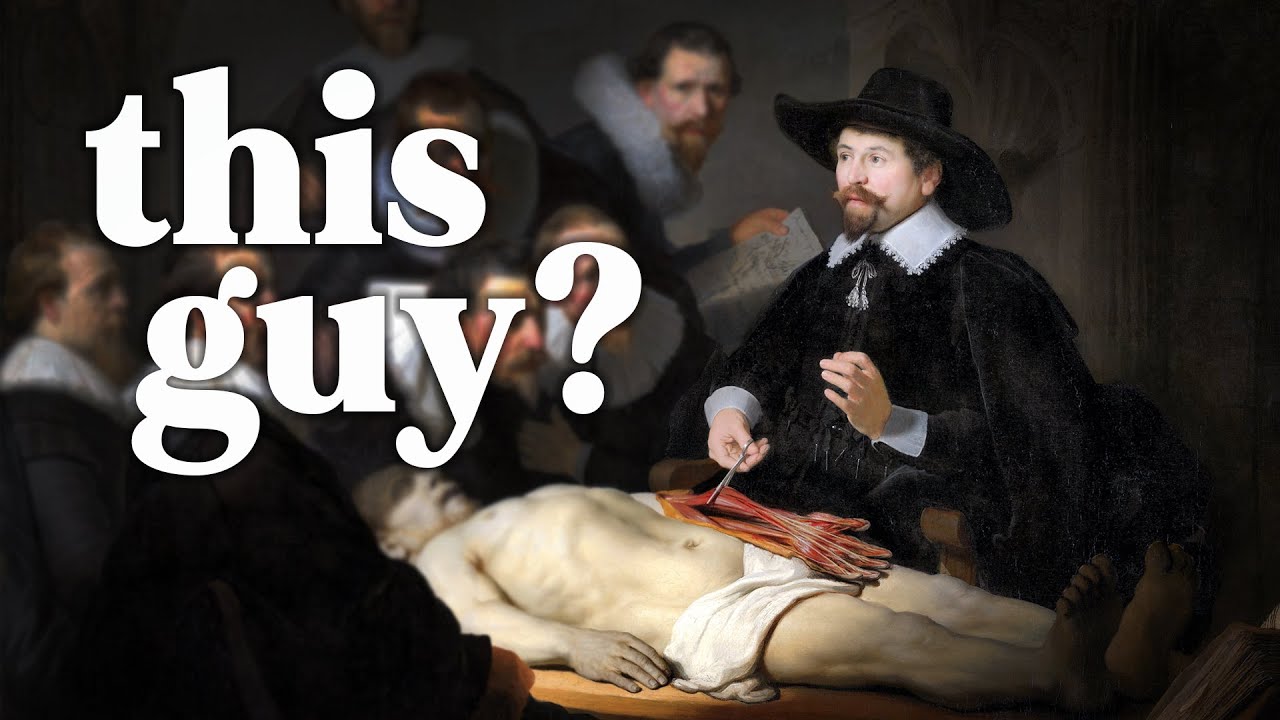
But the setup at Padua, which was pretty typical back then, was less than ideal for Vesalius. There would be a Sector, usually a barber surgeon who worked the knives, an ostensor whose job it was to point to anatomy on the body with a stick, and a Lector who read from scholarly texts while up in a little booth. This lector always read what was written in the texts word for word, no looking for new anatomy — and to be fair, there were a bunch of heads in the way, so they couldn’t get a good look.
Vesalius hated this set up. See, for a long time, surgery was seen as a less dignified job than the more academic physician or lector. To him, the lector sat up top to distance themselves from the dirty work of the sector, when they’re the exact person that ought to be doing the dissections.
So at his public dissections, he fixed the setup. He was the one both teaching and cutting the cadaver and his students and colleagues /loved/ him for it. He collaborated with his students and treated class as an exploration of anatomy, not just reading from an old book.
That’s the teaching philosophy that made Fabrica so special. We saw this in the video I did about Gray’s Anatomy, but in order to make an anatomy book, you need to do lots of dissections. And since this was a time before modern preservation and refrigeration techniques, you only had a few days to study your cadaver before it decomposed and stank too bad.
And since Vesalius needed bodies, he did some shady stuff to get them. He robbed graves, made deals with executioners and judges, and begged doctors for leftover bodies — anything to get his hands on cadavers. And that focus on dissection comes through in his writing.
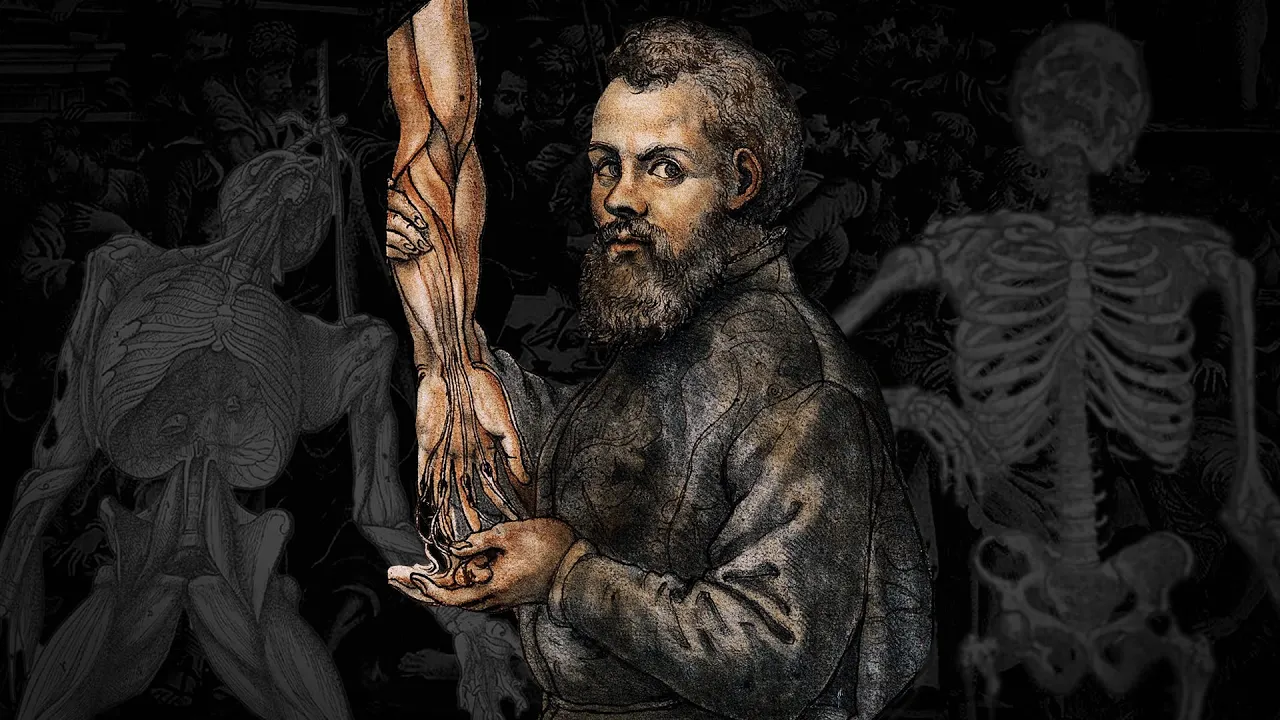
Fabrica is written as a dissection manual that teaches you anatomy along the way. But one thing strikes me more than anything from his work — the gorgeous illustrations. These pictures were bigger and more lifelike than anything medical education had seen before.
The illustrations featured gorgeous ecorches of the human body, always in some kind of animated pose with the hills around Padua serving as the landscape in the background. Remember, this was the hot textbook just 50 years earlier. Now, we don’t know exactly who made these drawings.
The current best guess is Jan Stevan van Calcar, who Vesalius hired for a different textbook in 1538. And like I mentioned earlier with the ecorches, the flayed skin paintings weren’t totally out of the norm either. Art historian Martin Kemp said Vesalius wanted this style “in both text and woodcuts to stress that his is the direct dissector of the forms that he is disclosing to us in all their graphic conviction”.
Vesalius wasn’t trying to just communicate anatomy. His whole thing was promoting dissection and observation for the sake of learning anatomy. And in doing so, he corrected a bunch of Galen’s old work.
Here are some of the things Vesalius myth busted: A network of blood vessels called the rete mirabile, a liver with five lobes, a sternum with seven segments, a horned uterus, two bile ducts, a two piece maxilla, a heart bone, and of course, the idea Adam’s missing rib in the male skeleton created one less rib than females. Vesalius decided to throw out Galen’s entire human skeletal and muscular anatomy too, ya know, just for good measure. And while he intentionally focused mostly on anatomy, he did some physiology experiments too, like showing how specific branching nerves control specific local muscles, or how cutting the recurrent laryngeal nerve will cause us to lose our voice, and how aging joints look different than young joints.
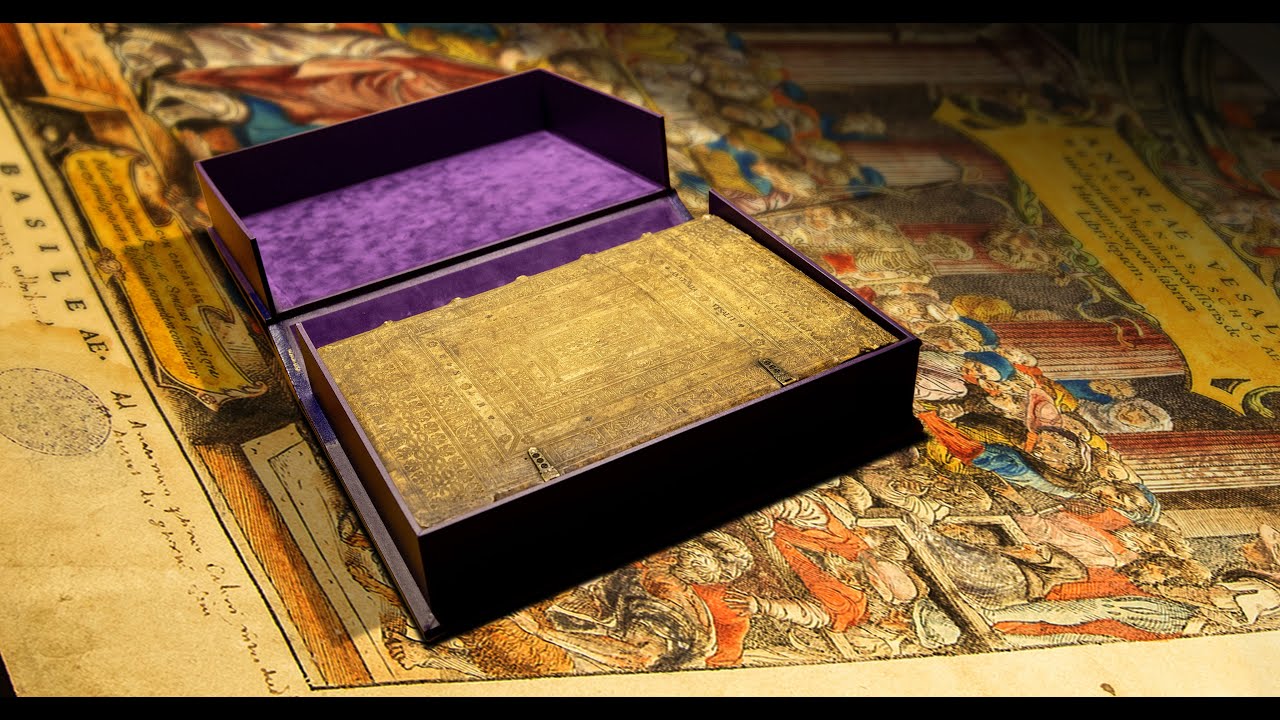
So after all those dissections and observations, in 1543, Vesalius finally published the seven chapters of De Humani Corporis Fabrica with over 250 illustrations and people went nuts for it. It was super successful and Vesalius became a medical celebrity. He dedicated the book to Charles V of Spain, which put prompted Charles to hire him as his personal physician soon after the publication of Fabrica.
Vesalius put out a revised edition in 1555 and it seems like he was working on a third edition. Unfortunately in 1564, while returning from a trip to the Holy Land, he got sick and died on the Greek island of Zante. No idea if I’m saying that right by the way.
Vesalius left a legacy back at Padua. Now that dissection was wildly popular, Padua built the first permanent anatomical theatre in Europe — which would let them host plenty of classes. And one of his students, Gabriele Fallopio of Fallopian tube fame would become one of the most famous anatomists of all time.
Same with Padua alumni William Harvey, who would do some of the experiments and dissections that really nailed down our understanding of the circulatory system. But Vesalius left an even larger legacy on anatomy education that’s still around today. Fabrica described the steps that anatomists still use to dissect a cadaver, including lots of the same instruments and tools.
And more than that, Fabrica represented a turning point in anatomy at a more meta level. Fabrica changed how we learn anatomy. Physicians couldn’t just accept what came before them, they had to get their hands dirty and learn the body through experience.
After this book was published, dissection wasn’t just a nice to have model of the body, it became the primary way that physicians discovered new information about anatomy and medicine. Dissection had arrived. I’ve been getting so much more interested in --medical history lately, and I would love to make more videos like these.
If you want that to happen, the best thing you can do is support me on Patreon. Starting at two dollars per month, you’ll get early access to my fully annotated scripts and a direct line of communication with me for topic suggestions, questions, and lately, lesson planning. I appreciate all of you who have made it this far.
You can find the rest of the dissection series here and a link to Patreon here. Have fun, be good. Thanks for watching.