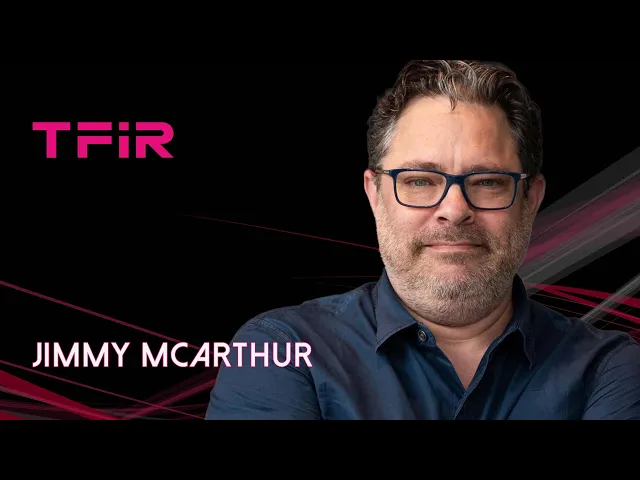
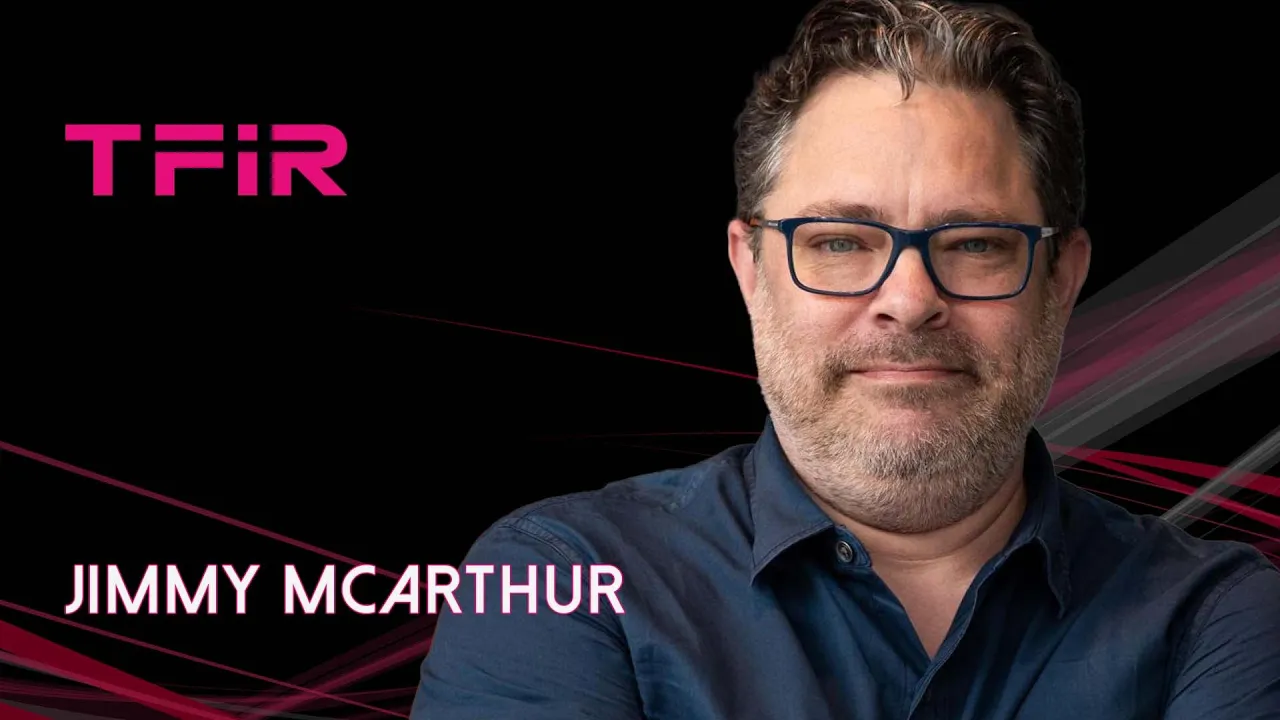
hi this is your host s paria and welcome to another episode of t for let's talk and today we have with us once again Jimmy MacArthur Director of Business Development at open infro foundation Jimmy it's great to have you back on the show hi swap uh thank you for the opportunity great to be here it's my pleasure and this in discussion is going to be of interest to a lot of folks as we all know last year uh broadcom acquired VMware of course uh people have their own apprehensions but we did not know what cars
broadcom is going to play there and they did to show some of the cards they made a lot of changes changes to licenses fee a lot of things change for uh VMware customers I have had a lot of uh play uh I have had a lot of discussion with players in this ecosystem and you know they're talking about people are looking at Alternatives and they're using VM what I want to understand from you is just from from open infr perspective Ive or from the perspective of The Wider ecosystem uh what changes were made what impact
it will have on customers and user which is triggering the discussion of hey we have we may have to look elsewhere yeah absolutely um so you know from our perspective uh it's clear that that brom's acquisition has shaken the user confidence of uh uh of their entire market and ecosystem uh you know that's a 45% market share they have in virtualization um and it seems like what they've done is targeted Enterprise users specifically but at the expense of small to medium siiz uh msps and and as a result of this uh a lot of folks
saw their contracts increase by as much as 500% um and and then in addition companies with really large Footprints uh especially those with Perpetual license were affected as as they got rid of those Perpetual licenses and ironically they're going directly after the very Enterprise customers that they're trying to woo um and and then further uh they upended an incredibly healthy partner ecosystem uh they they got rid of of almost all of their Partners except for a handful of what they call Premier Partners uh forcing all of those smaller msps to go to those Premier Partners
to now get their VMware services and uh which is costing them uh their margin so it it's pretty complicated and then all of that coupled with the fact that you can no longer just buy uh oneoff VMware Services you now have to buy the entire Suite of services uh which they're calling I think the VMware Cloud Foundation uh so it's really it's put a pinch on pretty much every range of customer that they have I want to also make sure that uh these are two separate topic uh one is that we have seen cases like
Hashi car where they moved away from op fully open source oci approved license to business source kind of license and the second is where you are changing the the the the the terms of Licensing or the way you can perpetually use a service so I want to uh make that Clarity that what kind of Licensing changes we talking about and then we'll talk about each of them separately but let's just uh talk about the license change yeah absolutely so when I refer to Perpetual licenses uh VMware had uh contracts set up with the with uh
their customers that allowed them to essentially keep their license in perpetuity and after that acquisition by broadcom they immediately got rid of that that is as you said a completely separate thing from uh the open source licensing changes that we've seen with like terraform and and uh and open search and so on so far they have not touched the open source contribution of vmw in fact if I'm not wrong tanzu has moved from terraform to open tofu as well so can you talk about have you seen any worrying development in terms of vmw's commitment to
open source well you know I think the concern is is what you get with any kind of single vendor open source right it's uh it's sure maybe maybe they're still committed internally to open source but the reality is they pull all the strings so in the same way that Hashi Corp and and uh open search and all of these other single vendor open source projects don't really follow true open source ideology uh they can pull the rug out from under you at any time what are customers thinking you know because you I'm pretty sure interact
with a lot of cust what are their you know fear that hey this is something where we may have to look at Alternatives what I'm hearing in the market from and I've been Fielding calls on this since late last year uh with companies trying to figure out how they're going to navigate this and that's both msps and people that are using VMware um you know there were a lot of cases where for a very long time folks have been running VMware workloads and also open sack workloads and kind of slow playing it to figure out
where they're going to go um now people are speeding that up and because uh they're concerned about the future of VMware either they're being pinched right now or they've got they happen to renew their contract at the right time and they're going to have to make this decision in one or two or three years down the road they're trying to figure out what to do and open source is The Logical conclusion to that because it provides people a safe place where they know that there's an ecosystem that uh is healthy and thriving and I'm talking
about open stack here which is a 14-year-old open source project it's rock solid and we follow uh we follow the four opens uh open source open design open governance and open development there aren't any opportunities for us to change the contract or for us to change the terms because it is pure play open source and I think that's the thing that people are looking at they want something that is supported by multiple vendors they want to be able to move their work loads around and they don't want to get stuck again um and and so
that's that's by and large what I'm hearing uh dayto day and how mature is the ecosystem or Technologies tools product when customers users are looking at Alternatives when they are looking at open stack sure I mean OBC is a 14-year-old project uh I would say it's fully baked at this point um but that's not to say that there's not still development going on we uh are seeing in fact Resurgence in open stack in a very healthy ecosystem companies like Rackspace and marantis are doubling down on their open stack workloads which is a switch from just
a couple of years ago uh I think people in the ecosystem see an opportunity here and again VMware had has a 45% market share people want to gobble that up um understandably and uh and I think if you look at open stack and you look at the open stack Marketplace uh you'll see dozens of healthy companies running either their own distributions of open stack Consulting on Open Stacks Storage Solutions backup Solutions uh it's it's a it's a full and healthy ecosystem when I was talking about the maturity of I was not talking about that yes
open stack is there for I mean you folks you know CERN and all those you know Mega clouds run on it what I talking also about is that the majority of alternative as alternative in place you know dropping a lot of folks we are not talking Greenfield deployment but people are considering VM so instead of going with open VM they can go with m r and there are a lot of other players and of course you folks have a big ecosystem there I was talking about the folks who are with VMV and they want to
migrate how mature are the solutions for them and what are the challenges that they have to also consider before they plan their execution of this migration that's a great question um and you know there's no doubt right VMware is an incredibly mature product uh there's there's a reason people have been using it it's easy to use the ux is is is easy to use uh and and understandable and the thing I think that uh people maybe haven't been looking at for a long time is is how uh openstack is kind of meeting that from a
feature parody perspective and I'm not just talking about the ux um but yeah migration tools as well there's um Corey Ellis from cloud-based Solutions is a half proprietary half uh open source solution uh that currently and it's been in in the work since 2016 so it's a very product um that allows you to to move workloads back and forth from from bware to open stack um Additionally the community is actually working on a pure open source migration tool at the moment that I think will be out and ready to start looking at next week uh
and there are other uh Solutions in the market right now as well uh companies like high Stacks uh that are prepared to help people move their workloads over right away and how much of this you know migration is in a stealth mode that hey you know y you know you have to move versus companies are actually aggressively going after customers of VM hey you know come move to uh Alternatives we actually took a recent survey from from our members uh and 80% of them have already received requests to migrate users from VMware to open stack
and 60% of our members have already completed a successful migration um you know we're seeing a lot of movement on that front but as I said I I think that this thing has a long tale right some some organizations have a contract that's going to last for the next few years it's they have a massive amount of workloads on on VMware uh and they're trying to figure out what their next move is and and and how to do that um on the other hand we've got uh companies like a very large uh insurance company like
Geico who will be uh putting out more information on this soon but they have a massive VMware uh deployment and they're going to be moving all of those workloads onto openstack they've they're hiring a team right now uh so you know I think we're seeing all kinds of things some Enterprise folks are sitting still for the moment some are moving right away and I think the same thing is to we're seeing with small to medium businesses it just kind of depends on the the sensitivity of their workloads and also what their contract looks like right
now now can you also talk about this is a bit of a getting into the we saw thinks that when we look at the vmw portfolio and of course now broadcom is kind of pushing for bundles you know which can be good or bad you know depending on how you sometime you want it but you do want the flexibility uh from the perspective of VMware portfolio which are the ones you are looking at when I say low hanging fruits I'm saying not only for the those are the easy ones to migrate but also these are
the most prominently used ones um yeah I mean I I think if we're talking like feature parody uh between open stack itself and the openstack the marketplace in the ecosystem op secc is there to kind of meet those demands there's opack vdi which I think is is pretty popular vdi with with uh VMware users um the dynamic resource scheduling we've got a tool called Watcher and open stack uh for failover there's masakari um and also uh as I mentioned uh cloud-based Solutions also works for failover um and dynamic backup and Recovery we've also got storware
that works on fiware and openstack uh you know I I think uh and and ESX of course which is like super popular for networking uh for in open stack we've got Neutron and then there's a new silver member of the foundation called Vios um that has that kind of more complex networking that ESX currently provides for VMware users so you know I I think there's the the most kind of popular and most used tools in VMware we've got feature parody and in the meantime uh as a community we're we're working to understand what the gaps
are and and and see how the ecosystem can kind of rise to meet those are there any resources available at open infra to help users in this migration what are those resources we're actually working uh with uh a journal IST right now on creating a white paper around this um and and which we'll be Distributing to our members obviously but also uh to the to the public at large uh the the one thing that you know in our user survey uh people were asking about was support from the open infer foundation around education and and
training on how best to migrate and so that's kind of what we're doing internally um that's our number one Mission this year uh and I think it will continue to be so in next year and and the following years as well do you see that open source is the safest safest way and when I say open source it is open source which is hosted at a neutral organization it could be Linux Foundation apart Foundation opener Foundation you name it so that you do know that nobody's going to pull the strings and leave you high and
dry uh what lesson do you think not only corporate players organizations and even customers will take from this move to not put their all their X at least Enterprise X in the propriety basket or you feel that no it will be a mix and match of propriety and open source and of course when the things take shape like Hashi carp and a lot of other uh cases happen the open source will come in and we will find a solution the trend that I see uh and it's not just you know it's not just firmware it's
not just these single vendor software Solutions uh that that are the problem uh but it's also you know data sovereignty is is a huge concern for you know not just governments but for companies all over the world and as we see more and more kind of political turmoil for lack of a better word um globally I think people are looking for a solution that is not tied to an individual vendor uh they want something that that allows them to have complete control over their software complete control over their data and I think open source is
the only uh the only way to address that when it comes to open source when I was listening to you is that of course u a lot of geopolitical conflict is going on there and uh without getting into politics uh talk about how open source enables because we are also kind of seeing the rise of techn nationalism uh and in some cases it is appropriate also where companies countries they really don't want suddenly the core technology they are using is under the trade embargo they can no longer use it so they do want some kind
of sovereignty data sovereignty is there but at the same time they also want to be able to access the Technologies whether you talk about Ukraine Russia Israel you know uh or Palestine or China Taiwan so talk about uh politics aside because these Technologies help ordinary people like you and me you know we need to pay bills use banking how open source is kind of creating uh technologies that are not tied to these geopolitical conflicts I think open source creates an opportunity for companies to own their own data to own their own uh Technologies I mean
like just look at the open stack ecosystem right you've got uh I don't know maybe a dozen or more uh companies that have their own Dro of open stack they're they're finding their own way to make a profit on that but at the same time they're relying on and contributing back Upstream to the open source project and those resources that they're contributing Upstream to are available to companies anywhere in the world and so when I look around the world and and I do a lot I talk to folks all over the place um they're you
know they're using these Technologies to help lift up their local economies they're using Technologies to help keep jobs in their local economies and to train people on new software techniques that um you know those opportunities aren't available with proprietary software or at least certainly not in the same way um and it enables countries uh I'll give you an example Algeria uh is I've been talking with uh a service provider in Algeria they are running the first open stack public Cloud they're the only public cloud provider in Algeria uh and and they look at it as
an opportunity for both their citizens uh and for their country to remain uh I guess sort of free from proprietary uh proprietary uh providers like Amazon and and uh Azure what advice do you have for companies who have invested in VMV infrastructure and they are looking at migrating away or they are not yet looking at migrating away that these are the things they should look at and decide whether they are the right candidate for migration or they're like no we are happy with the E system and if they do decide what are the steps they
should start taking the biggest thing is what does your contract renewal look like today uh and then the second question is what is it going to look like tomorrow uh you know there's this is this is the problem with with single vendor open Source uh is it puts you in a headlock uh for lack of a better term and you know you've you've got to agree to whatever their terms are if you want to stay on that platform um I you know I think there are challenges there are you know you've got employees that are
well-versed in VMware so you're going to have to start looking at retraining those employees to look at other Technologies you know whether that's whether that's open Sack or or some other thing I would really highly suggest you go with an open-source solution uh and it's you know it's not that difficult to retrain folks and it's certainly uh in comparison with the the cost differences uh of getting squeezed by a particular company uh whether that's hashicorp per VMware or whomever uh you know retraining some employees so that they're more well-versed and more modern open source virtualization
Solutions especially Cloud native uh which is important these days uh you know I'd say it's it's worth it it's worth it to take another look and I would also say you know there are plenty of of companies in the ecosystem of open stack to help guide you towards that whether it's a consultant that just helps you you know start to move uh some workloads or uh who can help you train your your employees those resources are all available in the open stack Community can you also talk about of course you folks know open infra you
have not just open stack you have a lot of other products also there's you know B custem there in your road map map is there any M Stone where you're also kind of targeting VMware workloads that hey these are the projects releases or developments which are looking at this pain point that you know people are facing so it's actually kind of just in in addition to just you know you can just move to open stack but I just want to look at your road map looking at this big problem that the ecosystem is facing today
yeah uh we actually have put together a VMware working group uh at well VMware migration working group for our member organizations uh and we're looking at those exact things uh we're trying to figure out what are the pain points for organizations currently on VMware what are the pain points for people trying to move off of VMware and then you know what are the gaps uh what are we missing in open saac and our other infrastructure projects uh is there anything we can do to help fill those holes and and uh and also uh improve the
software along the way uh and I would expect the results of that to begin trickling out we have our second meeting later this week um so you know it's it's a slow play but at the same time we all recognize the importance and the moment uh of of this in the market and we're we're working to get uh those questions answered as quickly as possible Jimmy thank you so much for joining me today and talk about you know this whole development and also most importantly that those customers those users are not left high and dry
on their own there's a whole very mature ecosystem of not a single vendor but a lot of vendors and of course a neutral Foundation to to help them thanks for those great insights and I look forward to talk to you again soon thank you thank you very much I really enjoyed the conversation [Music] [Applause]