then we find out which of the brands best communicate those things so say important things better is this is the Mantra here hey today we're talking to Steve LaMore of design analytics they just released their special report that includes nine brands that prove the insane business value of design include some of the winners of the design analytics Effectiveness award that includes beard wood interact Boulder Force Major Moxie Sozo and a bunch of other agencies that are doing killer killer work now these awards are different because they don't focus on the way the packaging looks which
is really weird what they focus on which is really smart is the fact that these designs have actually increased the business of the brands that they're designing because some of the key trends they discover in terms of the research that they've done and some of the basics that you need to think about when you're designing for different categories at one point that I do want to make sure that you get especially if you're a student or an instructor in a design program reach out to Steve who we're talking to today ask him for access into
this platform they're offering free access to schools and students and why this is important why I'm super stoked about this is if you're a student and you want to work with an agency like a Moxie Zozo or a Force Major you can pick one of the brands they've designed or pick a brand they've worked with you can redesign the packaging you can put it through this design analytics platform see if your design would actually increase sales compared to what they have created if you want to work for a brand like a Hershey's take some of
their packaging redesign it run it through this platform and if your stuff can increase sales by 30 40 50 that's an in that's how you get hired right stop designing for Aesthetics and start designing for sales so make sure that you reach out to Steve make sure that you look at designalytics download the report that he's given access to there's a ton of information in there and you gotta go you gotta check it out all the necessary links to do that are in the show notes in the description below but do me a favor before
we go before we get started in this episode I want you to do me a favor click the Bell hit the plus button all the different buttons you can do to subscribe to rate review if you're watching this on YouTube leave a comment below with what brand you would want to do a redesign for all right let's go to the show this is Steve lamrow with design analytics So for anybody that's not familiar with design analytics or hasn't seen any of the posts all over social media in terms of who's won and why they've won
their packaging Design Awards what is design analytics design analytics is a research company founded by an ex-brand manager that is solely focused on package design and its ability to drive sales growth and so it's a natural extension of that to uh to to host the design Effectiveness Awards in combination with the dye line where we can celebrate those brands that did do package redesigns that yielded incredible growth or turn around of the brands we have no panel of Judges it's not a subjective process but rather we look at is there evidence of success in the
marketplace and is there evidence of success in improving uh the design of factory and that design Effectiveness can work in many ways in the business process and through the marketing mix that results in those outcomes so by elevating that and showing everybody that that Design's more impactful than perhaps they knew um then you know maybe they'll pay closer attention to the process they follow in order to experiment and iterate and land on a final design so if I'm a brand I'm a cpg brand and I want all of my packaging tested reviewed then you do
that for a fee yeah well exactly we we open our platform so people can learn from previous uh designs with hundreds of redesigns that occurred in the marketplace so if you find yourself in a similar situation you can use that reference data but then when you start developing your own designs you can also measure those with with our platform yeah so what are you measuring yeah what we measure is consumers response to design and so that means we're bringing in hundreds of real consumers that buy that particular category we expose them to fun exercises they
can participate in uh and based on their behaviors in those exercises we know how to analyze that information in such a way that it's highly predictive of whether or not a new design is going to grow your business or or potentially shrink it I'm redesigning yogurt packaging I'm going to take my existing packaging you're going to put it up against the redesign Direction you're not going to put me up against competitors it's my design versus my design yes but it depends on where you are in the process so at the very beginning you may not
understand whether your package design is effective or not the best way to do that is measure it against competitors and understand why some people like your brand and purchase your brand and other people don't and purchase the other brand and so that could help inform the creative brief that of course the agency you know uses as their Compass through the creative process um so that's that's one way they use this data and then when the agency has some idea some hypotheses on how to answer that brief we enabled the quick measurement of those hypotheses so
that there's you know it's done early in the process and even at the early stages of the process You can predict whether that direction is going to result in positive business outcomes so you can imagine how that is used throughout the process so that what you end up with is essentially a slam dunk that this is something that is going to grow and grow your business if I want to use your team effectively as a cpg brand really I'm bringing you in to look at my products and you can almost tell them you can tell
me if I'm due for a redesign or if I've got something that's working whether I love the design or not that's right even among our winners there are some that aren't necessarily due for a redesign right that's that that's typically how people think about redesign it as as a former brand manager you'd be like are we getting a little aged on the Shelf uh a competitor coming along a challenger that's really redefining what the category looks like maybe I should react and do a redesign better yet even if you have a top performing design in
that category it seems there's always more juice in that lemon if you know what you're doing and so Brands like Dove men plus care very effective design very successful brand I believe they're number one in the category or or in the top three so by understanding what might be an opportunity for improvement and making those improvements you can grow your sales and it's certainly true of the other side of the equation where you're below average on a number of different performance dimensions for your brand yes knowing that helps create a much better creative breed better
creative Breeze get better creative get better outcomes there's like the saying out there if you're designing side of the design that's out there it's not time for a redesign right if your marketing team is tired of the design that's out there it's not time for every design if your accounts receivable is upset with a design then it's probably time for a redesign right if you're not making money then that's when you look at it right it doesn't matter what you think yes that that that's true and I've heard it said several times on your podcast
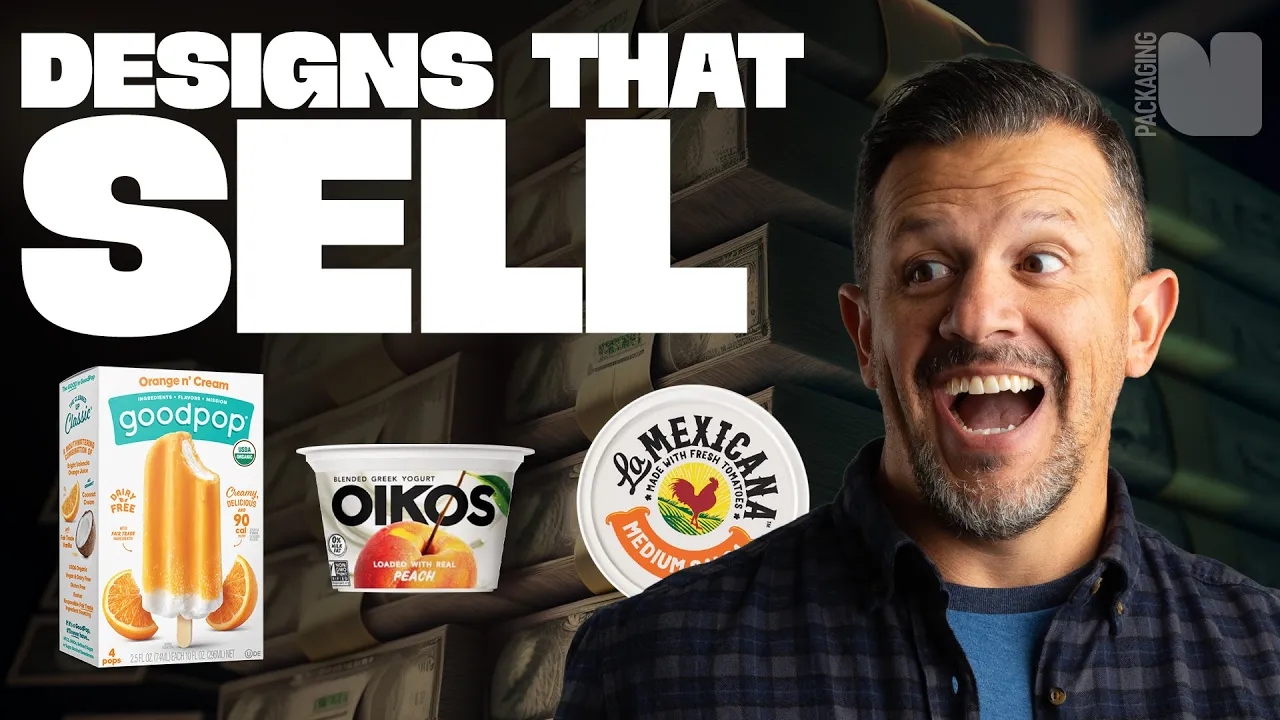
right what's unique about this industry is yes it's art uh but it's also Commerce and so you're absolutely right the ultimate judge of of uh sales performances is the sales um that is your your The Arc connoisseur you're trying to convince are the people buying the toilet paper yeah exactly and all right so like looking at some of the some of the winners right we've got good pop you know when you compare it to some of the other things that are out on the mark on the Shelf there's some things that are out there that
are crushing it but if I compare this design with the previous design this is amazing right so again you're comparing it against itself when you compare it with other brands like how does that inform the decisions in design like what exactly are you saying like is it like color or logo or like what exactly are you providing well thinking about it from a from a manufacturer's perspective doing better than you used to do with design will grow your sales so in a sense mission accomplished right they were able to grow their sales whether that subjectively
objectively is great design is is another matter but you do raise a good question which is could it have been even better uh that's true of any design Endeavor and and uh and one way you can do that is by measuring the old design against a key competitor someone with similar positioning may be similar you know target audience um do that with the old design and then measure the new design and see if you've in fact improved uh you know the outcomes there you know one time I was giving a presentation a guy came up
to me and he shows me his business card he says okay if Design's so important then how do you explore in this and he had his business card was uh from Tito's vodka right and so Tito's vodka you know most art teachers would not pass that student let's just put it that way right there's yeah Legend has it that the the Tito's logo was a drop down option in Microsoft Word but what made it a successful design was that consumers were you know fresh off this wave of of craft beer and spending more money and
wanting to buy smaller brewery Products and their positioning and in fact they're less refined design you think about the Vodka space it's extremely well refined designs in that space they went in a different direction and they hit a nerve that was very successful today Tito's is the number one Spirit brand in America it's just the number one vodka Brand number one spear brand I don't think they have more than one product I think it's still just one product in a bunch of different sizes so so it's always interesting to hear designers critique design and and
and make assumptions and very often can consumers surprise us you know sometimes they disappoint us with what they value versus what we might value and so uh so that's the goal is to at the end of the day if you're in business to to to make a business but let's find out how we can leverage design to get uh more sales okay so as a designer this episode's brought to you by IDP direct.com through the only packed manufacturer that specializes in sustainable retail packaging made in their own factories that means you can avoid having to
pay distributor markups if you need to buy packaging go check out idpdirect.com links in the show notes this episode's also brought to you by spec white.com these guys are your packaging specification management platform why do you want this well because it's going to streamline your packaging purchasing project management it's also going to standardize all of your design processes to also going to manage all your documentation and a ton of other things if you're already buying packaging check out specrate.com make amazing things boom and we're also brought to you by pactdora.com these guys are amazing you
can log on to their website you can type in the design the style the sizes of what package you want to make it pumps out accurate die lines and 3D renderings you can upload your artwork get 3D renders you can fold the entire box up and down does some really cool stuff you can share with your Brands you can share it with the factory to get pricing it's super quick super awesome and I'm offering you a discount go to packdoor.com with unboxed 50 unboxd50 unboxd50 to get 50 off the annual subscription rate you're not going
to get a better deal check it out I use them you should use them too and last if you want to catch me live I'll be speaking at Paris packaging week January 25th and 26th and I'll also be speaking at packaging Premiere in Milan May 16th through the 18th all right let's get back to the show like what am I learning from you like I want specifics are you gonna tell me you know let's say Oikos right before the Oikos redesigned if you were to look at the oiko's existing packaging would the results you came
back with would be like larger fruit um older colors like what what are you giving me specifically like how am I going to be successful here a couple of things that we look at first and and that is based on what is highly correlated with outcomes and so so the first is very much a Top Line um answer to the question if both of these products were on the Shelf at the same time which would you rather purchase okay and then and then we do other things we find out how long it took them to
make that decision we look at their commitment to buying that particular brand because they don't have the whole shelf to choose from but the second question we ask is why why did you choose this instead of the other whether it was the old design or whether it's a competitor and vice versa so the people that preferred the other product why did you choose what you chose and so you have hundreds of qualitative verbatim responses that you can look for Clues as to why something's working why it's not working how it might work better in the
case of of boycos you know it's been a year since I took a look at the data but the trends since you're asking about Trend the trend is that in food category one of the most important things almost any category you look at in the food space when you try to get at what drives purchases and we do that we do separate non-design research to understand what is important to consumers in each category and then we find out which of the brands best communicate those things so say important things better is the Mantra here in
the case of food number one is always taste great right there might be a rare occasion where that's that's not the number one decider of what people purchase so showcasing the fruit now if you look at the old design I don't believe there was any fruit there was that there's no visual reference to the ingredients or the flavor or The Taste experience the new design you know there a lot of things are happening there the beard we did an amazing job with that if we're looking for Trends where have I seen something they did also
work for other brands it was really in getting close up to that fruit and making it look delicious and giving people the impression of what this product is going to deliver to them the end of the day we buy products because they're going to create a benefit or solve a problem in this case it's you know it's about taste what's the thread that you're seeing across all the different industries that you that you're like I can't believe this is what customers want which is completely different from what designers are thinking so you're really talking about
two different Trends there right so one trend is what how are people designing things there's a very clear Trend toward minimalism and clean packaging and larger logos and and more of a fraternity of the brand if you will a celebration of the logo or its colors or that sort of thing which has some benefits to it you're creating large colored blocks on the Shelf you'll get some attention but a lot of times the brands that are you know using that type of strategy don't suffer for attention they they already have 40 of the show it's
most interesting to me when when that happens when you know a certain design happens and it gets celebrated in the industry and then it becomes part of other people's mood boards and then you know it gets more packaging that looks like that when we look at how consumers respond to it it is not what you might expect in some cases it may work well especially if the the old design was particularly cluttered or old-fashioned looking and that sort of thing but a lot of times I'm hearing brand managers talk about you know our goal was
to be more modern and being more modern almost by definition is following a current Trend and without consideration to what that's doing to people's perceptions of this product and again they're spending their money to solve the problem and get a benefit and if that's not really getting them the benefit if hauling out their allegiance to a brand is not in the top you know 50 reasons why they buy a product then really you're you know you couldn't you could actually take something off the package it doesn't matter I'll take the reverse of that so if
you look at the Archer you mentioned the uh the Archer brand of jerky well 100 grass-fed beef was a claim on the old package design it was right there is pointing at the windows you can see the product it was it's a fairly prominent claim this claims go they turn that into the name of the product you know it's a great design and they use you know pop of color and you know it probably did a whole bunch of things that helped with getting attention or being found or enticing you know multiple purchases within the
line based on flavor but one of the big things that that we saw in the research what people were saying was oh well that one is grass-fed even though they both say grass-fed there's nothing like putting a benefit in or an attribute in the product name itself right right Walmart Great Value always wins on is a good value right it's the name of the brand so those are a couple of trends that are out there if you're in food it's usually a mistake to take food off the package right whether it's the ingredient story or
food sometimes we've seen Bon and Viv uh hard Seltzer is a really interesting case tell me if ever anyone ever wanted to dig into it this is a brand that launched a rocket ship right uh hard Seltzer wasn't a thing until Bonne Biv this originally called spikes helter created the category that became the Behemoth that is today and at some point they had switched from showing uh either photorealistic illustrations or pictures of real fruit to a really cool looking different design perspective a cool looking kind of a wood carvy approach to showing that fruit on
the package design and consumers just rejected it they preferred to you have a good idea what this system this experience is going to be it's about redesign even though the category was growing 300 percent in the year of that redesign they saw their their sales go down don't you expect to see a drop on a redesign just from a consumer confusion how long do you test them if you're like all right this is really not working yeah so we go six months so for the awards and and you know just for our own validation that
we're doing things correctly uh we wait six months and that's it it's for a couple of factors and what you describe is a fairly commonly held belief that you know at first he'll go down and then it'll rise to higher levels I haven't necessarily seen that not admittedly I'm not looking at it on a month-to-month basis sure there's actually you know most most redesigned launches are a soft launch even if that were to be the case it would probably be diluted to the point where you can't really detect it so you're saying that's BS right
well I'm saying I haven't seen that happens I'm not looking that closely to it I don't doubt it but that is the reason because that exists that's the reason why we wait six months because you would assume that by then you know things would get better but we do measure by the way is very often it takes a little bit longer to find a new package in our research it's the first time they're ever seeing that package no no ads that preceded that research there's no you know pre-exclosure at all and we see half a
second maybe even a full second to find that product in a crowded set but because we get the sales data six months later uh what we realize is that that delay in finding the product which is often attributed to that you know this theoretical dip in sales um that there's at least at the six month Mark there's no correlation whatsoever between fine time and business results up or down business results so think about you know if anyone in the audience has ever done research and set action standards if you've ever included hey it can't take
any longer to find this package to sign that's really important to us it turns out that's actually not that that related to outcomes and then there's if again there's another myth out there which is the myth of familiarity right and so that is you know the saying goes that consumers prefer things that are comfortable and familiar to them and that's why redesign has that it's another hypothesis and that's something that we can speak to we see that in fact if you're testing a new design and it's not that effective you'll see a common reason for
not choosing that for sticking with the old design is is what I'm familiar with it's what I bought for years it's what I grew up with you know all these and they all get coded as familiarity you come back for another round and suddenly you solve the the creative exercise better and you show a package design that is creating more purchase preference it disappears from the reason even the reasons why people are choosing the design that they choose so familiarity is is the way I think about it it's kind of a polite thing to say
right oh you know it's great nice new design and all that but you know I'm just I'm more comfortable with that and what they're really saying is you're not giving me a reason to want to buy this new package design I mean I'm a mayonnaise consumer right I grew up in I grew up on the East Coast going to amp and getting yeah getting helmets and getting fast food you know that like clear section of the of the mayonnaise you know the yellow band with the blue you have the blue lid you know like when
you open it that smell and there's like a little point of mayonnaise at the top like that's like ingrained in me from a kid like that's the only mayonnaise I'll buy they've gone you know I still go to the Shelf I'll buy it today and it it feels there's that familiarity it feels the same as when I was like five years old but if I look at those two designs they're completely different they've been redesigned you know it feels like hundreds of times but they're so connected that it doesn't lose me now they've launched you
know like avocado and all these different versions of it color changes it doesn't feel the same like I'm not reaching for those as much as I am with these you know there's a ton of those products that are out there that go through redesign after redesign but they don't change so much because there's just so much Heritage I guess you'd say for mayonnaise but like there's that built in uh how how are you how would you measure something like that like we try to push design further and then say okay we gotta pull it back
it's it's case sensitive which is to say you know if you're relatively unknown brand if you're not Hellman's then you need to do something different right you need to do something better you need to peel away those consumers from the brands that they've been buying if you and if you're relatively unknown you don't have you know what's what's called Equity you don't have experience you only have years of television commercials that you watched on Saturday morning right um You have you know you just have a design really and what the design represents it's representing the
product that's inside and and is making an attempt to uh you know present a case for you purchasing that product as it relates so so that's one case is is the unknown brand you know what all the the gloves are off if you think about that Continuum of evolutionary revolutionary check all the points of the of the compass and and do that with something that is highly predictive and that's that's essentially the the problem we're trying to solve um and then you'll find out you know how far is too far in that case there is
no too far we've done plenty of of Challenger brand research where everyone's really heard of the brand and they're certainly not going to buy that product and so you have the freedom to do you know more things and then we have other brands that you know for example uh Coca-Cola uh prop right here um so Coca-Cola did a great thing they they you know figured out how to use a 100 recycled bottle and that means a lot to a brand manager and to a company and you know there's all kinds of priorities to do this
sort of thing but when that becomes the top of your communication hierarchy it can present unintended you know issues with consumers and in for the coke consumer they really value that brand that's one where the brand experience is part and parcel to what they're paying for um and so if if you you might be doing a great thing and altering a label but if it has this unintended consequence of is that my regular Coke is that or is that Coke Zero I bought the wrong product once and I don't want to do that again I'm
not sure and creating that dissonance at the at the point of sale could be could be problematic even though it's even though they all appreciate and value what the Company's trying to do um you know you read through the verbatims no one's saying ah screw the oceans you know I'll yeah I'd rather have my coat back they're just they're concerned about making a mistake buying the wrong product this is really the same product 100 no I know going in you know I know when I'm when I'm running into like a gas station I just open
up the the fridge I just grab the coke because I I can see it and I identify it I've got a bottle behind my computer here it's actually a Coke it's base flavor or something yeah I haven't opened it but you know I ran I I ran into the gas station yeah exactly I had my hey I told my kid hey just grab me a Coke and you know she's nine years old she doesn't have the whole branding built in she grabbed the coke that was cute to her and get in the car like what
on Earth is this like I'm not even gonna open it because I can't imagine what it tastes like but you know it's the same thing with that 100 right it's like you look at it and it's like that muscle memory and if anything interferes with that muscle memory in terms of like the purchase but second is a split second that you could lose a sale so no that's interesting you've got um you got something in here it says uh some of our clients are this is from Fred Hart over at uh interact I believe because
some of our clients are afraid to take the risk uh as entrepreneur you've already taken a massive amount of risk so why are you stopping when it comes to creative you know great feedback from from Fred it's like people are really afraid in terms of Brands to push things too far um and what you guys are doing is amazing right so there's a ton of Design Awards out there I've been a judge on a bun pretty much all of them at this point but it always feels like as a judge you're looking at it for
color and hierarchy and design Aesthetics taste level but we never look at it from a pricing State like you know not from a business standpoint did it actually move the needle in terms of sales you know so like this award seems really you know really important like this is the award of all Awards you know in Europe the DBA does something like this that is something you know that we very much wanted to to Echo in the US uh because it is it is a business and and businesses need great designers they need great strategy
uh but at the end of the day you don't want to be guessing whether or not those design decisions you're making or even strategic decisions you're making um or if I can come back and bite you you know despite all your best intentions and and skill and and everything else and so um yeah thank you um as an award we think it's it's actually pretty important particularly in this business which isn't to say that you know great design isn't isn't uh potentially a source of of growth as well but that's the beauty of experimenting like
there's just not enough experimentation in this industry you know agencies that may have great ideas and very broad ideas of how to respond to a brief um and then to your point um yeah there's a fearful client you know there's there's a there's a lot of risk you you literally could end your career as a brand manager by green lighting uh you know product that that loses 20 of sales in six months like 12 years now I think it'll always come back the funny thing about that so so unique the unique thing about our business
is we're measuring designs not because of clients paying us but because it happened and it happened in the category that we're tracking with a brand that we're trying um so truth be told there's a lot of tropicanas they just don't reach the public Consciousness in part it's because the industry hasn't been that great at attributing measuring and attributing outcomes to design changes right there's a lot of convenient uh you know suspects well you know the pricing the code the supply chain the you know the the comms uh there's all kinds of other factors absolutely 100
but the truth is that if you think about it package design affects all of those other things all right let's take the number one driver of sales distribution if I get onto the Walmart shelf I'm going to sell more product no doubt about it how do you get that distribution well if you have a compelling package design that's saying something new and different something important to the consumers that are purchasing it the buyers knows that right they'll sense that so you may even have evidence that that is the case and that can get you distribution
at Walmart so package design is not this weird isolated Factor among many many factors it is actually an underlying Factor across everything because what is a brand in cpg if it's not the packet when's the last time you saw the Super Bowl ad for a cpg product that didn't show the you know the package my favorite Super Bowl ad this year was was Liquid death you know it was brilliant and it was like 50 of the of the commercial had you know close-ups of the package like the package was telling something compelling and unique in
the category it's you know relax it's just water to to disregard the role of package design and advertising and getting distribution and Instagram posts and you know what the influencer has to work with you know to do their job it's just it's so fundamental and it's funny that the industry often says well you know no it's just this one thing and plus or minus one percent is probably what you could expect when in fact you know the scare brand manager should be scared because it could be a negative 20 but the smart brand manager who's
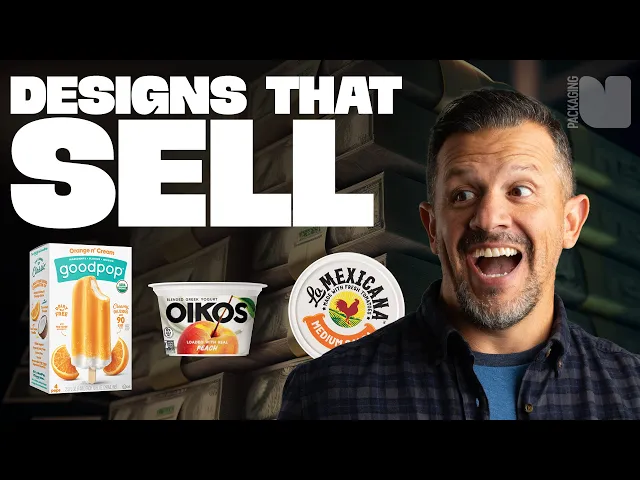
who's you know who's what tools to use in order to predict those outcomes is going to embrace that with good pop when you put those two guys side by side it's like it's a huge difference like one like the orange and cream was just like a white box with just a regular product photography and an orange logo like there's so many changes now when you look at the new one the product has gotten actually larger uh like the physical product has gotten larger the photography's gotten larger there's more color the good pop is like this
turquoise with an orange in front of it and all of a sudden it screams off the shelf so it's like more it's easily recognizable and it doesn't feel generic so it makes a huge difference right um did they did they bring you in before like through the process or is this something that you checked that you that you did as part of the awards after the fact yeah it's not a it's not a prerequisite for the awards for for it to be something that we worked on as a good portion of them come from are
measuring what changed in the marketplace without our involvement and happened to be a really good example of design that drives growth um and you know hopefully someday most of those actually came through our system because it increases the likelihood that you'll have that out in the case of a good Bob no but in the case of Fred and interact yes and one of the things I wanted to say it's it's judging design the outcome of design especially if you're young and you haven't been through the process you know you're out of design school you may
not realize all of the strategies and imperatives and compromises that needed to be made because the Walmart buyers had this and the brand director said that or or that you know they've identified that the problem is you know yeah we could do a lot with color and we can you know own a whole palette of colors and we're going to own the shelf of this big color thing well it's good pop they don't have the whole shelf right they're they're they're a new brand they're they're standing on the shelf and so I don't know and
and you know people are evaluating the design may not realize you know that the complexity of the problem that's being solved there's not a design that everyone's going to love so the question is is this design going to be loved by more people than none and if you can increase the percentage of people that that maybe I love the design but would certainly pay money for something that they think is going to solve their um just incrementally enlarging that group each time is a solid way to grow your business so you talk about you know
kind of Designing for designers in term in terms of like the way that we design based on the terminology the brief everything that we're moving towards what kind of a budget am I looking at to bring you in at that level right are we talking thousands tens of thousands we like to think it's pretty affordable uh given given the outcome that you get but I'll just get put some parameters around it so I'm testing in the middle of the process is very cost effective because we we leverage technology we don't have Consultants on staff uh
we're just we're all experts in figuring out how to bring consumers into the mix and understand their behavior and what that means toward an outcome but that's something that once you figure that out once you figure out once you crack that code now it's just the technology taking over you know the technology that creates those interactions with consumers and then analyzes their behavior and so that that keeps prices actually pretty low now there's a lot of cheap research out there that's not this um there's you know for a period of time it was all about
quick and dirty research right hey I can get an answer in an hour well this is the answer on Friday gonna be the same answer you get on a Monday like people's mind frames are a little bit different yeah so rather what this is is you know starting with the end in mind you know very much this whole idea of design drives growth okay well what grew and what didn't grow and so how do you crack that code now that you crack the code it's actually pretty low cost in order to incorporate it into your
design process so if in that scenario you described uh let's say it's early in the process and I want to test four different designs yeah the first reaction to the to the design brief I'm doing this uh I'm testing to learn um you know rather than testing to win and you find out which of those four very different directions are getting you to where you need to be the best and you take you know all the qualitative learning from that and you apply it so uh at full price it's 3 200 per uh item there
so it's it's about thirteen thousand dollars to test four different designs uh but from that now you can have a second round where you can take maybe the strongest design and iterate off of it so maybe there's three versions of the strongest designer maybe there's two designs that you're iterating off so let's say you do another round of four so so now you're up at about twenty six thousand dollars you tested eight designs but here's the thing that from that you know we've done this plenty of times that first round of testing uh the average
score is in our bottom thirty percent of the database why because you're testing to learn you're you're taking some you know some big bets here but you're not spending a lot of money so why not it turns out you know putting a skull on a package design of you know a can of water doesn't didn't turn out to be such a bad idea so twenty six thousand dollars two rounds of this and now in the second round the average score is in the top ten percent of our most predictive measures for growth so that tells
you that you know and we're not the heroes here we're just bringing consumers into access in a predictive predictable way and it's smart designers that learn from round one people like the folks that interact uh that you know can turn that second round into okay we got a killer Direction now sometimes the times that that doesn't happen going from bottom third to the top ten interestingly is finding out that the briefs Rock right so a brief contains a lot of assumptions a lot of times those are subjective assumptions from the brand manager and so there's
nothing better than very early research to say no matter what we tried they all failed and that's really stick with the current design well that's not really the answer the answer is we made some assumptions that that aren't panning out let's go back let's have the client go back and take a fresh look at those assumptions and now with a new brief now suddenly do north south east and west end and you're seeing a couple directions have a lot of promise and then you know you're solving this problem long before what you would normally do
is get to the very end of the process you'd probably still end up with a parity score which which is all you needed the laundry product and then you know and then you have another quiet Tropicana on your hand so you know twenty six thousand dollars it's not yeah that's that's pretty low in comparison to you know other other research that's not been validated to show growth and it's certainly low compared to on average when we do this on a syndicated basis about 35 percent of designs uh you reach a level of improvement on the
purchase measure um that they're 96 likely to grow the business after that's only 35 time 46 percent of time actually you're making things worse you know you've been intend to but it just happened right so if you look at the 35 that did do better given the types of brands that we're tracking the the impact in one year sales is is uh roughly 15 million dollars when and then I'm 46 inside the average loss is 9.5 million dollars so when you're talking about those kinds of outcomes and being 96 certain it's going to be the
former not the latter right yeah that 15 million dollars covers the 26 000 you spent yeah handsomely yeah here's what here's what I've learned so far one if you're doing food packaging put food on it right uh look at good pop again and from the old design to the new design they've got actual fruit on the on the packaging which they didn't have before which goes back to the Waco's big bold color of fruit and um you know one thing I do notice on the fruit is that the fruit color has been the fruit and
the popsicle which good pop is a popsicle it's orange and watermelon the orange one actually matches in color with the oranges right so it makes it makes that connection like wow this flavor's there same thing with the watermelon one it matches in color so if you're doing food packaging have food on it focus on Flavor if you are going down the path of you know minimalism and you know some of these Trends and some of these larger brands are doing that already own the entire shelf space maybe you shouldn't right like really focus on differentiating
from them because they can do minimalist because people already know them and they own the entire shelf space if you're gonna be a Challenger don't follow Trends that's the whole point of being a challenge and measuring the back end of sales like focusing on the business side of this obviously we want beautiful design but we want to make sure that it sells the product so if you want to incorporate this type of data collection in your design process you know it's it's not that expensive it's really not that expensive honestly and to bring you in
sooner versus later right we want to have you in the middle of the process to get all those learnings yeah versus spending all that time to develop and strategize and design have the customer fall in love with something to then test it and have you come back and say this isn't going to work yeah I still can't believe the cost of this like honestly this is really cheap when you consider the cost of bad design yeah or here's not bad design but design that doesn't resonate with a consumer here's here's another thing to consider is
the business of a design agency right um because there's benefits to them so uh you know folks like Fred and interact well guess what their number one you know cost line item is it's design time right and so um every agency knows that the more they're tweaking and extra rounds they didn't plan for and then the brand manager just changed and now we're on a whole new Direction that's cost to the to the agency so it's in the agency's best interest we have a remarkably good relationship with agencies which is unusual as you can you
know it's kind of an Odd Couple right researchers and Design um but we have a really good Agent good relationship because uh by using a low-cost tool early in the process and frankly some agencies actually use us on on work that they haven't presented yet right because they want to have that confidence going into that presentation of what is the strongest design and why is it working really well imagine that but when you do that you end up with a much more linear creative process the one that is fueled by your consumers the target consumers
and that reduces the the cost of design and yet you could charge more because you you're building a reputation for working on things that drive growth you know 15 million dollars of growth it really is transformative not only for the manufacturers but also the agencies that you know are are willing to open their minds and embrace the idea that you can measure things and I I don't fault anyone who doesn't trust design research this business exists because I was a brand manager who didn't just trust design research right it's measuring the right things it wasn't
quite believable if you really thought critically about it yeah it's not it's not emotional right it's not um it's not sexy that's sexy now okay so you guys do uh so you do food packaging um you do you do Cosmetics do you do like what what do you cover is it any kind of packaging in the mix there yes we have Cosmetics we have a household you know cleaners we have beverage alcohol it's a huge one you know think about you know we mentioned and uh and Tito as well imagine how powerful the design needs
to be in order to be successful in that but yeah clearly food you know all all forms of food Frozen non-frozen Etc but we have we have a whole bunch we have like 12 different super categories if you will so that means we already have data on those things even before you get started you can learn you can even learn from what we learned about what matters to Consumers a lot of times that's missing from the brief is we want to drive modernity um okay but I don't think people are really spending money to be
modern like what what is driving consumer purchases and shouldn't that being all those kinds of things you know already exists they're sitting on a Shelf ready for you to get ready for your Leverage if you're a young designer it's like really about showcasing and flexing all of your creative muscle and like you said I don't know if you don't you don't get all the all the benefits of of that experience um but as we start wrapping up here one hour and thank you for your time this is like nothing super amazing agencies out there you
know yeah submit to all the awards shows but definitely submit to this right because it as a as a brand owner I would want to hire the agency that has a proven track record of growth not of beautiful design and there's should be one in the same at some point you mentioned um uh the young designer you know and one of the things that other non-profit area we we participate in is we work with design schools and we a lot you know so so professors can set up projects where you know pick a pick an
existing brand get the report of How It's currently performing creates some new designs put them through the design analytics system and and and so that students can learn from this idea of using consumer input and feedback to their designs in order to work that process and it's remarkable how student work is you know is is now delivering designs that that are 96 likely to grow the business so um so it's something that we're really excited about so if anyone out there runs this kind of a program at a design school give us a call we're
happy to expand that to anyone must do it there's there's not really any cost involved as a design student if I can pick up a product and get the data designed to it and show a 96 growth success rate I'm picking the products of the brands that I want to work with I'm designing that I'm calling I'm reaching out to their marketing people and saying hey I just came up with this concept here's how it's going to grow when can I schedule an interview right exactly right again you got to be selfish like how how
is this going to serve me oh yeah how can I help you help me help you imagine your portfolio exactly yeah looking to land a job [Music] you know that's that's hiring this person who's had that experience of checking their ego and and just you know trusting that um the people you're designing for know what they want to buy 100 um last thing here is if you're all right so one of the things I've been doing a lot of is working in in AI designing packaging in AI um the speed at which you're able to
create at the moment you know in the last week I've designed thousands of pack designs for food alcohol you know Cosmetics like just the most random stuff um and really kind of drill down Visual and you know on some of the food packaging there's like big Foods on some of it's like super minimals like you know kind of going down down this list of of design potential in combination with the design Analytics this seems like it could be a really great marriage of refining the brief and finding direction right where you know I can pick
up my my Oikos my my product I can photograph it I can throw it into Ai and then I can start putting in keywords from the brief things that people are reacting to have it generate you know four or five different directions that are agreeable to me visually and seem to hit all these buttons and I can present you know share those with you like I could put that together in an hour and I can run that by your team to then come back with a feedback and as it kind of narrows it down again
it's like how do you cut down design time to find the right direction um I mean what's happening in AI is is insane but there's no data behind it how do you pair that with data to then make better decisions yeah that sounds amazing you know with with my understanding of AI and we use a little bit of AI in our business but not not not to determine a good design or a bad design um AI machine learning is exactly that it's an algorithm that needs to learn from high quality data and uh what you're
describing sounds like AI applied to the creative exploration process which is amazing and I could see a day where we plug in our you know 200 consumers and what they say on why they wanted to buy one or the other and then being able to use that as the input to to to make those refinements I mean you know that that feature is probably not that far away but the important thing is learning from high quality data so if we have a tool that we know to be predictive of outcomes like what better source for
a machine to learn from so it's uh it's it's not that futuristic it seems anymore right no not at all so if anybody wants to learn more about design analytics what's the best place for them to find out and contact you uh designolytics.com [Music] all right guys show's over I appreciate it like I said leave a review subscribe do all the good stuff and let my buddies over at spec what I say State Control Boom Out [Music]