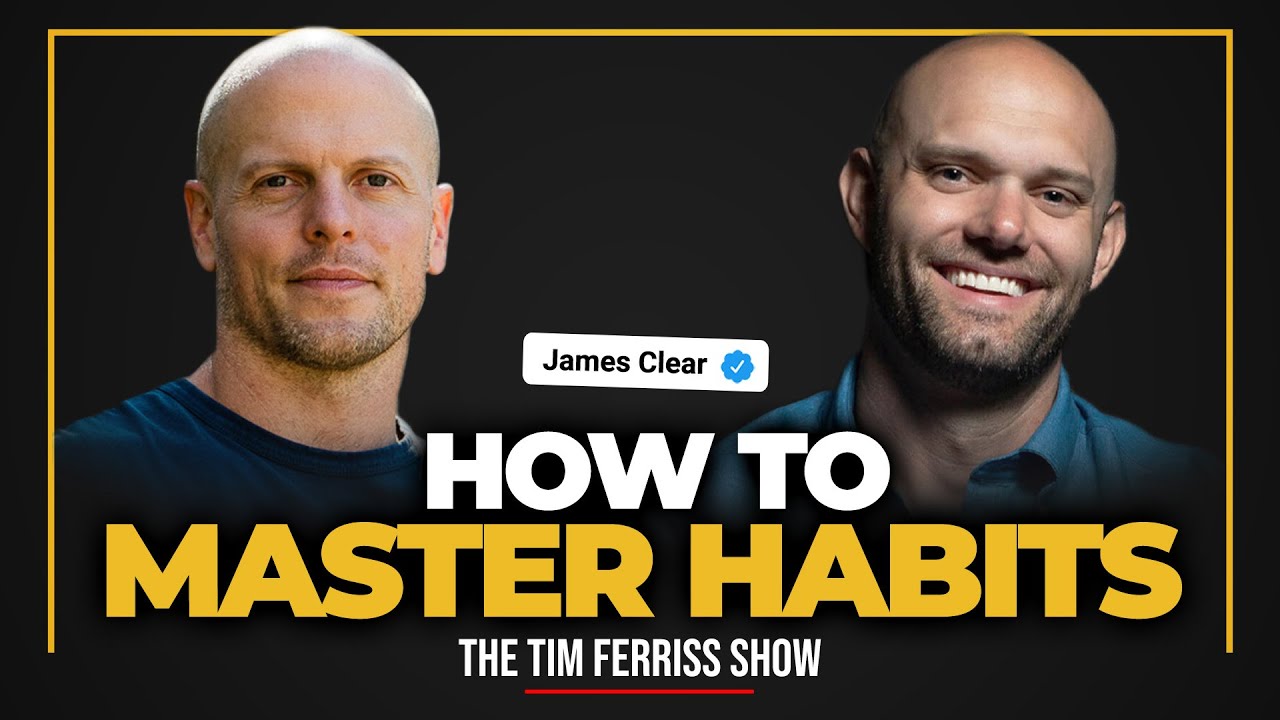
Idea of Hemingway and JK rolling being a tortured genius grinding through if you're a really good writer you can do that but I think people should lean more toward writing is getting the clay on the table editing is shaping it into the sculpture the cost of writing dropped 10,000% with the Advent of ai ai sucks as a writer I don't know if I agree with that and I'll tell you why the 12 tests that consistently determine whether a Book will sell a million copies the big ones are [Music] how would you summarize what you do
I help authors go from idea to successful book it takes a variety of shapes you know sometimes I'm helping them with the actual production of the book sometimes just editing other times focusing mostly on the launch I'm an author myself I've done 20 years in video productions but It mostly it's I'm just helping authors with their books you're a three times if I understand this correctly New York Times best-selling editor what have you learned about writing that you wish more people knew the best books are written for one or two real people on the other
end and a lot of authors write as though they're speaking to a huge General audience or to their perceived fan base the entire fan base it's the fastest way in my opinion to Kill a book uh because it's not interesting they start speaking in terms of we need to do this we should be like this and it's like you're who are you talking to there's one person on the other end of that book speak to them or speak about yourself I learned this and if you want to apply it you can do this so the
the most powerful interesting books tend to be written for one real person in mind and the Paradox is they tend to reach a lot more people that way And that person can be the author are you making something that you want to consume repeatedly and if you are it's probably pretty good it'll find an audience eventually do you think most PE most authors are especially in non-fiction are sort of like working through the subject that they're talking about and that's the writing Mark Manson like he cares right so the subtle art of not giving a
[ __ ] is sort of like him trying not to care as much James CLE was Really working on his habits when he was writing about habits and sort of like so you're writing the book you almost want to consume yes and no so it's you have to become the embodiment of the book first so you can't really write it as though you're that person that you haven't become yet or the person that you're becoming you kind of have to write it from a place of I've already become this I've already grown into this and
I'm the embodiment of this Nal rant Had a great quote where he said in order to write a great book you must first become the book I work on prescriptive non-fiction exclusively like I don't help with Memoirs I don't help with fiction just like business books self-help personal development that type of stuff if you think of the author their expertise is a ladder right and so they've climbed so many rungs to where they are if they're trying to write for people on their Rong or above it will Not be a good book they need to
write for the people below them and address those people because they can pull those people effectively up to their Rong they can't push somebody who's on their wrong up further you know what I mean because they're not there themselves is that the transformation for the reader is like I start at X and now I get pulled a little higher yeah and I might not reach the level of the author but I'm moving forward or towards them yeah or I have a Blueprint to get me there how do you write for a particular person like what
does that look like well there's there's a variety of ways one you can be talking to them in real life right so a lot of authors who've written good books are like yeah I've been coaching clients or Consulting with these companies for years I have this stuff down cold I know the questions they ask I know they're they're common emotional challenges the technical obstacles they Face those that is a great way to write a book is like you know that person very intimately or that Avatar and um other ways are you can do it kind
of online now um you still need that real feedback though from actually helping a person transform just to clarifying that like you could in theory be writing for an online audience right and helping them with a particular topic and seeing oh they left a comment here about this they had a question about This okay but when you go to to write the book you're not actually witnessing what they're going through it's similar to for like software development you think you have a good app that you've developed and you're like this is awesome cool go put
it in front of somebody and watch them use it and watch how quickly they get stuck or they're confused or they're bored it's the same with books and so I I think it's important to get that Real you know personal feedback that you can see here's where this person is struggling here's where they're succeeding how does an author do that with they writing the whole book right so like you can't write the book publish it then get feedback and sort of like okay now what do I do with this um well you can but I'll
I'll Circle back to that uh the my the the method I encourage is teach it in real time first and ideally you're Somebody who's already transformed numerous people at least three with the transformation that you're trying to cify into a book so um generally speaking you ought to have coached consulted helped at least three people achieve the transformation you're you're trying to make into a book you can in theory publish a book and then see where people are getting stuck see their reviews and then adjust the book afterward I don't recommend it it's Not as
it's not a strategy that most authors will stick to but like how Elrod who's based here in Austin he did that with the miracle morning and so in the first year he promoted that book sold like 13,000 copies or something like that uh which is quite good for its first year with every negative review that he got he went back into the manuscript and made revisions so that that feedback couldn't be given again so that review couldn't be given again he Just kept doing that until the negative review stopped and to date it sold millions
of copies uh I think in he said in year six it sold its millionth copy but he he stuck with that book and he was like I really believe in this I'm going to keep modifying this as though it is software I'm going to release V1 V2 V3 V4 Etc most authors don't do that one of the reasons that I I am reluctant to advocate for the traditional publishing processes like your book is Set in stone there you might if you're lucky get a 10-year update you know the 10year anniversary but you're you're not going
to touch that book again what's your take on the pros and cons of sort of self publishing versus publishing what are the considerations that you look at when does it make sense when doesn't it make sense how do you think about that I agree with my buddy Natt Elias's um take on traditional publishing he and it's a Very simple lens to look through uh overly simplistic I guess but if you can get a publisher to give you a $100,000 advance or more you should probably do it I mean if you have millions of followers 100
thousand is not enough but like you get the general concept you want them to have enough skin in the game to take you seriously you want to get as substantive as of an advance as you can to actually you know put some money into doing the book as Well as you can and launching it as well as you can for 95 plus% of authors I talk to I tell them it doesn't really make sense for you to do that there's a number of reasons most authors care about financial Roi we can start there granted the
worst way to make money with a book is by selling lots of copies um with a but with a traditional publisher they're going to be taking you know I think it's upwards of 90% of your Royalties it may not be quite that high but I remember talking to James Clear uh and and we were talking about how much you would have made had he gone the self-publishing route with Atomic habits and I did the math and it was like H it's about 3x more per copy but would you have sold as many coply exactly would
he have sold as many it's a great question we'll never know the distribution is much higher with a traditional publisher right you're Getting into retail stores that's not an easy game as a self-published author but my argument is over 90% I believe it's it's a minimum of 80% of books book purchases are through Amazon on online so if you're applying the 8020 to Book Sales self-publishing typically typically makes sense you should invest in making the best possible product um other things to consider with traditional publishing what a pro is like they'll assemble your team your
Production team so they'll help with editing uh they'll they'll prevent you from getting into legal issues in their editing process they will uh help you design the cover the con is I've seen their processes it's not that we've seen the cover of my books like you know how terrible Hing be i i w i I won't say a bad word about your book um but yeah I mean what is your what was your experience actually I don't know the whole thing for me Started in 2018 when the New York Times wrote this article about me
calling me out as a a spy who helped people on Wall Street and within 70 2 hours after that became public we were the I was the number one story on the New York times.com for 2 days I had all of these inbound contracts basically from Publishers no book title No book a lot of money and I was like oh God I don't even know what to do I don't have an agent at this point and so I remember Nikki from portfolio had come to one of my events in 2015 or 2016 and so I
just shed to her and she's one of the people sort of like bidding on this too and I was like hey can we chat like as friends right like not as you as an editor trying to buy a book but I don't know what I'm doing I don't know like who to talk to I need an agent like do I even want to do this do I don't have a book idea and so I finally ended up interviewing a couple agents got an Agent and then uh the money was I mean it made sense in
in my case to do it but I didn't take the money and use it I just sort of like put it in the bank so this was a weird thing too like as an entrepreneur I don't want a boss and for four years I basically felt like I had a boss right I would get this email you know at the start it's like this trickle once every two or three months and it's like where are you at on the book and I'm like I I don't know I haven't even Started the book I don't even
have the idea yet you know like I have some ideas and then all of a sudden towards the end it was like weekly you know it's like where are you at and finally I was like do you want your money back like I'll just give you your your check back and we can just call it a day uh because I don't want the pressure it's going to be done when it's done I know I agreed to a timeline Co happened timeline changed um and the process from there was actually Pretty good like Nikki's an amazing
editor she added a lot of value to the book there's pros and cons to it you know I sort of ended up with a cover that I I don't personally like I don't think it did the book Justice sort of like the titling could have been better and I don't know what I don't know the first time and so I'm relying on the recommendations of sort of the public and they do know I mean they have a lot of data I don't know how accurately they Use that data but my experience was pretty good and
I know people have different experiences with Publishers but we also got worldwide distribution we're in like 28 languages now and I don't know if that would have happened if i s public I might have made more money but the goal wasn't to sort of make money the goal was distribution how do we pull people back into our ecosystem so when I think of like phum Street as a an ecosystem remember that Disney map from like the' 60s it's like Theme Park characters it's like well I want this to reach people that I haven't reached yet
and then a a certain percentage of those people will come back to the website and a certain percentage of those people will listen to the podcast and how do I pull people into our ecosystem so I looked at the book as like I don't want to make any money on the book I really just want to grow the business and get better at what We're doing because if we get more a bigger audience the optionality for the future is huge and the ality is we get better guests on the podcast we get more advertising Revenue
which doesn't come out of any individual pocket sort of comes out of corporations in a win-win way they're reaching an audience that's hard to reach we have one of the smartest audiences on the internet and so like this is how I thought about it which is like how do I just maximize my Optionality and I don't know if that's right or wrong because we never talked before I published that I wish we had I would have changed the cover so when the paperback comes out we're definitely going to do that so do like what said
is a common thing is just wanting to raise visibility and create opportunities or bring more opportunities in so it tends to be like raise visibility bring in Opportunities grow the business leave a legacy tends to be with with non-fiction I'm curious with your cover in the title what was the process with how how did you end up there where you're publishing a cover and a title that you're not crazy about well the subtitle came first so I had the Turning ordinary moments into extraordinary results and I loved it and then the title was like 10
people basically brainstorming a title from my agent to the editors to people who work at the publisher and we're just back and forth until you know we're like weeks Away from printing this is where it gets really tricky right so it's like in everything in my body and I'm writing a book about decision- making and you know I'm like this feels push and I'm like trying to pull back right I'm like slow down like it doesn't matter if we hit this deadline it doesn't really matter but they're like no we've got the book like you're
booked into the printing queue you're like this is happening and you know effectively it's like we will Take over one way or another and the book is no longer yours and you sort of get this message and it's like well I want to slow it down I want to test it I want to sort of like figure it out and I want to come up with different options didn't have time to do that at that point in time so the process sort of like you get to a certain point in that now had that been
3 month earlier I totally could have stopped it before it was sort of like booked into printing Before we had the buyers buying it before the bookstores have bought it before the sales agents go out you can sort of slow it down but once that process gets rolling you're sort of at the whim of them and you do the best you can given the situation right now having written a book if I write another one it'll be all take a different approach to that whole thing so you lost creative control which is like a common
thing well sort of yeah I mean effectively That's what happened I mean that sounds a little you know on a Continuum it sounds probably very far right right where it's like slightly more pulled in than the screen you were a participant obviously and and you were the main once they accept your manuscript title or not like they can pretty much do what they want with it contractually yeah and that's like to entrepreneurial people I find that that is very difficult often times in like obviously you and I are Friends with people who thrive in that
and like have done extraordinarily well Ryan holiday you you mentioned Tim Ferris James Clear like these guys have and continue to do well I'm not taking anything away from that but I have seen the other side as well where entrepreneurs are dumbfounded by decisions made by their Publishers or like creative control being taken in a way that they're like this actively hurts us cuz both both Sides have pros and cons and both sides can be done wrong I do want to say like most people screw up self-publishing yeah they don't do it well and so
traditional Publishers are right to stick up their nose at self-publishing but it's like to your point if it's your first go round as an author and you don't know what you're doing the likelihood that you'll step on a landmine that hurts your book during the self-publishing process is even higher Than if you're working with a traditional publisher so well I've done self-publishing too right so we took the great mental models I created a polisher effectively from start to finish where we created content we got creative we laid it out we found printers we printed we
found Distributors we stored we monitored storing we fixed the updates we're constantly doing Kindle revisions it's a lot of work yes it was like a full-time person if not more just from a Maintenance point of view for four books let alone sort of like doing any other books yeah yeah it's a lot it's also expensive up up front typically oh totally I was paying $8 a like people don't understand the economics of self-publishing from a hard cover perspective sort of like audio and Kindle are great because the margins are good but from a hard cover
perspective we were paying $8 us $7 us approximately for printing we were charging $30 for The great metal models on Amazon which means we get 15 then the distributor takes a approximately $3 per book then there's shipping costs per books there's storage costs per book by the time like the hard cover sort of worked out I think we made like 50 cents to maybe a dollar a copy from a hard cover point of view and it wasn't worth doing but like we weren't doing it for money we for just we wanted these books to exist
still do it didn't make sense from an Economic Roi point of view to do what we were doing in any way shape or form you know I was a high production value but I would argue that like the perception of Shane after doing those books was elevated well I don't know like we didn't originally we didn't even have my name on them it was like right like it was all about the ideas we basically created this Niche Encyclopedia of big ideas and that that's what it is today still I mean it's morphed into something Hopefully
that gets better distribution but so we created this Niche idea and it came from talking with Charlie Monger yep and I was like oh I'm going to I'll do this like where why doesn't this exist did you actually talk to him so like just a very quick side note and then I don't mean to cut you off um my uh one of my good friends moms was the CEO of uh John's man Bill and so she would hang out with Warren Buffett and stuff and I was like begging her please Tell Charlie muger when he
was live to publish a book on mental model that would have been amazing yeah yeah the closest he came was I guess the psychology of human misjudgment which if we had a fifth book in the series like I wanted to tackle psychology but we could do it as well so he actually gave us permission to distribute like the accurate version of his talk right online and if awesome as a bonus if you sort of get if I was publishing a fifth Book that would be but I can't tackle psychology as well as he did no
by any shape or form I wish he would have done what we did in his words with his ideas I mean we did the best we could took seven years to create four bugs oh my gosh D yeah there was you and I think Michael Simmons did a course on mental models and it was and it was like I'm grateful you guys did that oh right yeah M all he did was uh poor Charlie's Almanac I feel bad even saying that Because he's so ridiculously great yeah I so wish that he had done that while
he was live me too 100% And so like my name wasn't even on it I don't even know if it was in the original version like it was all co-author we had multiple people we had no by lines we we're not into like that stuff it's more like The Economist right is like let the ideas stand on their own uh and we did that for three versions and we had three different people working on those Versions and now you know s my name is on the cover but there's massive contributions from everybody else sometimes I'm
the least of the contributions but from a sales and distribution Point makes sense to have my name go first because we can't fit all three names on the cover the way that we design them and like the cover is actually look really good for they're great so where do people go wrong in self-publishing you said like Where Do We Begin uh I think there's there's a lot of places they go wrong from the reader perspective I would say the they typically don't have a good cover and so they immediately kind of shoot themselves in the
foot P traditional Publishers will typically put out solid covers when you're self-publishing and you've invested a bunch of time and money and you haven't made any money on the work And it comes time to putting a face on the thing a lot of self-published authors are like I'll go to upwork or I'll I'll hit up my designer friend who puts together Powerpoints and I'll pay them 500 bucks and it always results in something unremarkable you have to pay an artist a book covered designer specialist to create the boldest thing that you possibly can so so
go deeper on that like what does a book cover artist Know that most people don't what makes a great cover for a book and does cover matter oh yeah so this would probably be a a conversation you'd want to have with like Pete Garo who did Adam Grant's covers James clear's covers he's he's a brilliant uh or Zoe norell she she created a a great site called I need a book cover and it's just a directory of the top cover designers in the world who consistently work with the big five Publishers so they're special In
cover design not in general design like they just do covers what does that mean like what are the nuances to cover design I reached out to Pete actually because I was like oh for the paperback right but we're we're years away from that but for the paperback I was like I want to work with you I think it was ship kid the guy who did the Jurassic Park cover uh effectively said something like it's it's a hi coup all in on one page or something but it's it's Basically the embodiment of the entire book within
an image that you instantly understand what the book is trying to communicate in a way that compels you to pick it up and read the dang thing which like when I say it sounds like kind of mechanical because I'm not a designer I'm not I don't pretend to be one but I've talked to enough designers to realize like this is a real legit specialty and it's similar to YouTube where the right thumbnail versus a Average mediocre thumbnail that's clearly been created in canva by the producer of the video the right thumbnail will outperform 1,000x yeah
and it's and I'm not saying like a cover will make or break a book that's not true like the the book has to stand alone as as a good product regardless of the cover so I don't want to sound you like pick it up yes and it's it's got to evoke the right feelings and uh from from the target reader like your target Re and it should be aligned with the story of the book and everything so like there's there's a cover um by uh an I I think he was in the FBI or CIA
but he was he was basically basically a guy who would build rapport with people in other countries and flip them like make them into informance so it was a very social or very specialized social skill to to be able to do that very difficult and so he wrote a book I think it's called it's not all about you or it's not all about Me and this cover looks like it was created in Microsoft Word and it's it's the classic like white 3D clay you know image uh with like very basic arrows pointing out from it
it's an awful cover but it's actually aligned because he wrote the book for in the military right and people who you weren't trying to appeal to a mass audience no but the book was so good that it ended up reaching a lot of people but like it was for the Target reader and they were like Okay this is exactly what all military presentations look like this level of design a worthwhile expense that instantly communicates are you legit or not uh are is this a good book that covers a direct representation of quality inside okay yeah
absolutely I wonder if we could go through like what makes some of the most popular books like great covers and this is again a conversation more with a designer but I think they're tend to be they tend to be Iconic uh and in that it is bold and differentiated a lot of cover designers find themselves being given creative direction of like I just want it to look like that person's cover right I just want it to feel like that and and that's useful on some levels of like hey kind of stay Within These guard rails
and it's it's also helpful to give a designer like hey these are covers that I hate right right there's there's kind of genres of of cover design like you'll See um kind of Malcolm Gladwell type rational Optimist type where it's it's all white and there's like one little image in the the rest is like kind of an elegant serif font right that's that communicates this is an intellectual book so you can give them kind of guidelines to stay with and to communicate this is that type of book but if you're if you're wanting it to
be too derivative of everyone else it just kind of Blends into the sea so I think Great covers often are iconic and bold in that they're they're claiming the the most courageous representation visually that the author could possibly put forward so like then title subtitle subtitle promise sort of important titles like what goes into a good title and subtitle title is the most important marketing decision the author can make for the book because uh it's virtually all books that sell more Than 10,000 copies are driven by Word of Mouth the title has to do a
lot of things it is um when a person says it it has to evoke curiosity fomo some sort of emotional reaction whether it's Intrigue or even like repulsion in some cases it has to be fun and easy to say so like I always struggle with that FBI book that I mentioned I always forget the title I cannot remember it but it doesn't really matter because there's a story that I'm telling With it but with a title it's it's kind of like a um it should be almost a tip ofth tongue thing that comes up that
gets triggered regularly in conversation this dubils a little bit with what you what you've written about or like the problem you're attempting to solve right so um an examp example we used was um like meeting suck by Cameron Harold would always come up even if you didn't necessarily like the book people would complain about meetings meetings were a Constant in companies and so this book would just kind of organically come up as like oh have you read you you ought to read this and uh it would just naturally be recommended authors also kind of need
to take into consideration like what are the tip of the tongue conversations are going to be happening uh and how does this sound when it's being recommended so a title can't be embarrassing to say either like play it away a book that I wrote is like play it Away I originally was going to my working title was like how I cured my anxiety which was like saying that is a mouthful it sounds like an attack if it's recommended to you you ought to read how I cured my anxiety it's like whoa you're making uh it's
almost like you're making a statement about the other person and yourself when you say that yeah if you say read meeting suck it's like I'm not saying meetings suck but this book might be arguing that Testing titles in person and saying like have you read this and watching the person's reaction like do their eyes glaz over are they curious are they leaning forward like these are important things that you kind of have to measure before title is the thing that you should take a lot of time invest resources in figuring out and Gathering some data
is this going to be the best option how do you test it I my process I'll I'll tell you after after I tell This quick story about Tim Ferris so Tim and I worked together for years and one of the stories he told about the 4-Hour Work week which I would still argue is in the top five titles of all time in the non-fiction space um he did tons of testing he he tested like I don't know 30 to 50 different title ideas a lot of them he'll admit were bad you know stuff like the
chameleon millionaire you know uh drug dealing for Fun and Profit like and he tested them at the time on Google Ads and so he would just see which had the highest clickthrough and the 4-Hour Work week I think had a two 2x over the second place highest so he had some data to to stand on other ways you can test is like uh is there a phrase that you're constantly using with clients if if for your book do you find yourself constantly leaning on this one phrase and that's like the unlock phrase for them that's
the one that they're like ah I always I always return to this okay That's memorable good the process I use I I have like a list of criteria uh that I lay out which is like fomo fun to say memorable it's it's like seven criteria and I rate them all on a scale of 1 to 10 I plug it in I I kind of made my own GPT book title score so now I just punch in here's all the title ideas and it'll spit out here's its score and here are the top ones it's not
perfect right it's not a guarantee but it gives me some sense of like okay These these ones are strong these ones are weak anything that is under a score of 50 it tends to be like that's probably not going to perform well and then after I do that that I put them through piko.com pf.com and that allows you to do real quick testing with audiences and polling and to see their feedback on why they like a title or why they dislike a title so an example was um I was I was working on a book
that I was trying to I was Trying to figure out should I call this paid to play or [ __ ] work I I pulled on piku and uh FW work performed pretty well but when I dove into the data all of them had the wrong expectations for the book that can kind of be solved with a subtitle but not really right it's showing that oh all these people want like a funny book about venting about how much they hate work I'm not writing that book that's not what this is at all if that's their
expectations going into This that's going to equal negative reviews because you're not meeting the expectation precisely yeah you want to get that data you want to test your assumptions with standup comedians they'll sit and write a joke right and then they'll be like that's pretty good and then they'll go perform it in front of 10 audiences and they're like oh my assumptions were wrong yeah this is off just enough yeah and I think the title needs to be treated with that same kind Of respect it can't just be uh oh this I like that like
no you you need to test it how important is the structure of a book once you so you've got a title you've got a cover now it's structure this is like the thing I geek out on a lot because I think this is the thing that if you over index on structure you'll you'll be in a really good spot like I I can send a self-published author confidently off to do their thing if they over index on structure so what I mean by that is you should be spending a ton of your time you don't
have to decide on a title till like the very end really you can be playing around with it forever but like you should not write a word until you have solidified your table of contents your table of contents is the thing it is the structure the makeup the foundation of your book and so the the exercise that I like to do with the table of contents how do I take my one reader my perfect Target reader From Zero to Hero what are the exact steps and it tends to be like the big Milestones there'll be
two to four of those typically so if you look in table of contents of bestselling books they're typically divided into two to four parts often three so I just as a general rule I'm like just do three parts right so three big Milestones that help them go from Zero to Hero within each of those parts you have these substeps right these little things that they have to do During that major Milestone to ensure that they get there or you have questions that they're going to ask during those phases so you take your table of contents
and then you spend a bunch of time talking to real Target readers showing them your table of contents before you write a word and you say which of these is a hell yes which of these is a eh and which of these is like not relevant and that's the data you Gather on early and so like bloggers do this by writing articles and they see oh that one kind of you know that took off that headline and then that content is really strong cool that's potentially a chapter the table of contents is this is the
menu of the book do you want to eat here or not if they say hell yes to everything you have a really strong book on your hands and it makes the writing so much easier after that because you're confident that you can help the person You're trying to reach and it it doesn't feel like guess work that's so interesting I mean this is one of the big mistakes I made writing C thinking is like I just sat down and wrote it like a Blog article the first time and then the second time and the third
time and even now I was like the actual structure that I would do today is different than the structure in the book but I felt like it had been published for two or three weeks and then I was Like ah I missed it like I know exactly what it should have been at this point how did you know what was like the aha moment where you were like Ah that's how it should have been well I like the idea of showing readers I think you know I didn't have a structure I wrote the book I
deleted it I had a loose structure I wasn't confident with it wrote the book deleted it and then I sat down and I was like I'm going to do that thing Ryan told me to do like going to structure The book and I sort of came up with something that made sense to me but I never verified it with a public like even my editor with anybody else and so I came up with it but I have all this knowledge about the subject in my head right which is different than where the reader meeting the
reader where they're at and taking them from you know you said the words hero to Hero but like that's different than positioning it for where they're at I would not change the Content of the book but I would change how I structured the content of the book and I think it would have made it um an easier read for people um because I do think structure does some of the lifting for you if you let it it's either a headwind or a tailwind and in my case it's probably neutral but it could have been a
tailwind and I don't think I nailed it but what's the difference between like if you're looking at a structure and I give you like four or Five different ones like what's the difference between a good and great structure it's a good question well I'll I'll say to that point um I had an author come to me recently and he was told like hey the the publishing house that I'm working with they gave me this as like the template to write my book he said I I feel like I I don't know if it's a good
book or not I'm too close to it what's what's what's your take on this and I looked at it and Within a few pages I was like dude you I'm sorry your publisher screwed you because there's no structure here the table of contents was literally like it looked like an afterthought like a thing here's what you feel in after you're all done it's the exact opposite it'd be like uh we're building a house so I want you to start picking out light fixtures and like your furniture it's like what are you doing like no your
Publisher made a very bad move that wasted you a bunch of time and now we have to figure out how to structure This and like that takes almost as much time as just like rewriting the thing the the writing is super easy actually once you nail the structure cuz then you just do a substructure like what does a chapter look like and then you can sit down and it's really easy at that point yeah of write it out well not easy but you know what I mean right it's easier and so it I'd imagine it's
pretty similar in like songwriting right if you don't know the concept of a bridge and a chorus and like all the like these beats you have and you're just told write a song you're probably going to write a terrible song but if you have the structure that you can lean into it will at least be more representative of what humans process similar with stories right you talked to a storytelling expert recently story structure is always the same pretty much It's Once Upon a Time and every day until one day and because of that and because
of that and because of that until finally and ever since that day right or it's the threea structure you know climax resolution all that stuff I think the best structures quite simply are what the reader wants what the reader wants and needs and so you can't get that if you're guessing you said it yourself you have the curse of knowledge of expertise And so you're so close to topic what is remarkable to you is confusing to who you're trying to reach and what's boring and trite to you is fascinating to who you're trying to reach
and so if you're not having this be a an interactive communal process of producing a book you're short changing yourself and so this is another like common assumption that people have we all have like the the idea of Hemingway and JK rolling in our head of like this is how to make a Book where they're hold up alone they're being a tortur genius grinding through and like yes that is how you can make a book if you're a really good writer you can do that but I think people should lean more toward brne Brown's production
style where she actually will come up with like her talking points and rent an Airbnb bring her girlfriends and a bunch of wine and and be like can I just like present this to you for a day or two and then they talk about it they give her Feedback and she's like oh okay that works similar to standup comedians right and so I think the yeah the great structures are co-created rather than isolated by the author is created in isolation man I wish we had met before I published that b what about chapters I mean
the these in non-fiction books they seem almost formulaic now they here's the story uh here's the point I'm trying to make and here's like a summary you know that Sort of the why does that work and is there more effective structure yes you should lean into a formulaic structure for chapters when you're writing it and I want to differenti differentiate between writing and editing writing is getting the clay on the table editing is shaping it into the sculpture right and so when you're writing yes lean into this structure you have a hook some something that
grabs the reader usually a story or a bold statement that feels Novel or even dangerous right then you have your thesis which is in this chapter I'm going to y y then you have the body which is just making up all the points that you're trying to get across and this can go on for a long time this is the meat of the chapter and then it's key takeaways and segue into the next chapter if you follow those five beats like you have a solid chapter thesis body structure link Takeaways segue and you can you
can open the chapter with a hook I'm sorry with a quote that can come before the hook if you want you can pepper quotes throughout doesn't matter but when you're writing yeah follow that formula there are other slight modifications but generally speaking prescriptive non-fiction books tend to fall within that structure very consistently it's in editing where you can make the chapter really sing and so um like we were Talking about video before this right uh similar in video it's shooting in okay I want this act first I'll shoot this next ACT this next ACT just
because you have the structure of the story that you're telling in the acts does not mean people want to watch that video right you now need to edit it to retain their attention and keep them going through it and then in a book's casee you're doing the exact same thing with your editing you're you're editing it in such a way That they are not only staying engaged they're they're taking action and implementing when you want them to implement they are highlighting stuff like it feels important they're they're maybe even taking pictures of stuff it's like
you have these key points that you you know similar to Software when the reader gets here I know they will do this talk to me about editing so we have at this point we got a cover we got a structure we got a chapter and then we Have a book so we have a series of chapters so we have a rough draft and rough manuscript should we allocate our editing time like 80% of your editing time you have 100 blocks of editing right like no matter what it's a finite amount of editing time should you
allocate 80% of that to the first like 50 pages and then you know 20% to everything thereafter so I think it's like the average person I think Amazon released this once it's like they read 15% of a book 16% of a book and they get all the stats from Kindle they know exactly where people drop off just like YouTube gives you like here's the drop off points Spotify does the same thing Amazon doesn't give that to authors but there's drop off points and so should you allocate your editing time equally across the book or upfront
upfront 100% you are correct it's the YouTube hook it's it's the retention graph it's the exact same with books and so with a book If you assume that maybe 60% of readers are going to read the introduction 100% of of people who open the book are going to read the first page of this book can I get them to read past this first page and Sear the message in the sto the the best possible story that's the embodiment of what I'm trying to communicate with this book can I sear that into their brain so that
they can Recall it five years later James Clear uh with atomic habits which is a great example because sold 15 plus million copies over the last few years been number one on Amazon overall for five years yeah he starts his intro with uh a general recommendation I like to which is like put them in the most intense moment of your life basically put them in in a situation where they're like oh my gosh like you grabbed them by the throat and it's like this was a personal Thing that I went through that's the introduction that's
an opening hook in his case I think he got hit in the face with a baseball bat and he was he had to do like fly for fly for life or something like that I can't remember so you're you're like whoa okay but that's just the introduction the whole purpose of the introduction is just to sell you on reading the book that is it's the sales page convincing you this will be worth my time which is you've got smart Readers the thing that they're going to Value the most is is this worth my time yeah
right and then the first story in chapter one should be the encapsulation of the message that you're trying to get across it should be the most memorable it should be the thing that you're like oh yeah of course and so like if you look at Great TED Talks uh Simon synic if you just watch the first two minutes of his start with why he does a dead Simple draws three circles that anybody a five-year-old could remember and then draw and show their friends like instantly gets the point across similarly that's that's what you can aspire
to with prescriptive non-fiction what I think James did so well in atomic habits is he front the book with the best stuff and a lot of authors make the mistake both self-published and traditional they'll bury the best stuff in the back of the book it's like what Percentage of your readers are even getting to that you know they'll they'll start with theory of like here's how we got here yeah you know here's the history of this topic can you believe the history of the well guess what like I'm trying to change my life and I'm
busy and I make it practical let's go dude yeah like Hit Me With Your Best stuff right here if you want to spend some time pointing out the stakes of how important this is cool like let's talk About that and I'll pay attention but like I'm on this journey I signed up let's go don't make me work for it I love that we've talked about a lot of numbers I think so far we we've had like 10,000 100,000 million books we we've used these Milestones how do we think about those in terms of percentiles so
like what would be a 90th percentile a 99th and I'm imagining a million is like 0.001% 03 of all books ever published right like so so what would be the 90th Is that like 10,000 copies I'd say 90th is a th000 copies probably so you're the 90th percentile if you've sold a thousand copies of your book yeah most books do not sell there's a great article called No One buys books and it breaks down what the Department of Justice forced all the big Publishers to like reveal their sales numbers on books and it was like
oh wow this is shocking these Publishers are taking the the funds from books book royalties that They published 50 years ago to fund all these little projects right and the vast majority of them don't sell a d copy part of that is authors neglect marketing and sales and they just kind of like they don't do it in the right sequence or whatever other parts of it is people didn't even want those books like the Market doesn't demand them and the book wasn't good enough to take off on its own and so it's it's a mix
of variables but yeah like the average book Sells less than a thousand copies over the course of its lifetime and so my focus with clients I work with is like let's get you to that threshold as efficiently as possible anybody can do it if you're doing the right sequence of things most authors don't do it so it would be a th000 for 90% okay so what's 100,000 100,000 um that that I would probably put at 98 I I'm just making this up I don't know the exact but like 98 99% for sure of all books
ever Published for sure there's 500,000 books plus published every year that's crazy 20 of them sell a million copies and most of those are fiction you know non-fiction tends to not move huge volumes have we lost track of sort of like what numbers mean like I think of this politically when we toss around billions but in the context of books I'm thinking like people are like 10,000 books that doesn't sound like many I got 12,000 Twitter followers you know like How but it doesn't translate like 10,000 is a lot of books it's a lot of
books yeah especially um if you've written one that actually impacts those people that they actually read that they actually Implement and Ed to get real tangible visual change in their life I mean that's what ultimately propels these books to do well is that can be scary too like I've gotten uh two emails now from people who've read the book and they're like I broke up with my fiance After reading this book and I'm like wow oh god well you you ultimately did them a painful favor right but I like reading this going oh boy like
what have I done I would I would exsolve yourself to that guil because they'd made that decision all but we talk about inertia and how you take over a relationship so you end up just sort of progressing but you're not conscious progressing right and they were like yeah I realized like this was just happening I was like oh God like so These emails about usefulness they they they don't always put a smile on your face true but our brains unfortunately are hardwired to pay attention to the negative right so power cleanser what what is an
email that you were like stoked to get from a reader well you know I have this weird thing and just being a little bit vulnerable here I don't hear compliments and like my mind like you reject them or they just pass through you or what my Mind turns off and I'm working on this cuz like I I do want to I think at some point like if you want to dive into the roots of it it's like somebody used it against me or took took it away right used it as power which removed my freedom
if somebody says something nice about you and you know you believe it then you want them to keep thinking that and so if they're manipulating you it becomes like a source of power of them over you well this is how I I don't know Like I'm working through this because what happens with me is like the minute I think I'm predictive right like the minute I think somebody's saying something nice about me my brain turns off like it literally just passes through but on the other hand you have a program that says this is not
helpful to me I'm going to nothing you know like and I might love the person I might respect them a ton but like I oh this is good news like I don't need to hear the Good news but on the other this isn't a selfworth issue it's literally like this is not useful to me no thanks but I have a predatory almost like instinct when somebody's saying something negative it's like what are they saying is that true is it not true like how can I use this piece of feedback to is there a hole in
my boat is there you know do I need to fix this leak and so it's like always skewed towards the negative and I've talked to people about this like Even James is like I remember the negative Ries of course everybody positive yeah so it is a common thing I don't want to act like you're you're completely normal in the front that you pay more attention to the negative than the positive are you that way in like sports and stuff are you you'll you'll only negative only negative it's almost only yeah I would encourage you to
consider it sounds like a super boring book have you read the inner game of Tennis yeah a long time ago got again I probably at the wrong time yeah I mean you've seen with kids right like you you're a dad so do kids flourish under negativity criticism or under reinforced positivity it's obviously a balance herro and stick but like if it's all stick it stops to work but it doesn't imp anyway I don't want to go too reads on it it doesn't impact my happiness in life my satisfaction like if I see a festar review
on Amazon I'll read it but It like has no doesn't stick if is a part of you like yeah yeah I know no not at all it just sort of like this isn't necessarily useful and please please don't go leave like negative reviews now do you want me to read them and like assimilate the it works for any compliment in life right it could be like you've hosted a good party as soon as somebody's like oh I had so much fun like my brain and I'm still paying attention yeah I'm in the moment but I'm
Like oh this isn't as long as it's not like a self-worth issue like one of my best friends like he for a long time he would reject compliments because he's like you're wrong you know like that's not and so now he has to like repeat the compliment sit with it and uh but yeah that's not your case talk to me about Liss uh like a lot of authors have the goal of making the lists right so the most common ones being the Wall Street journalist which went away which was a Pure bestseller list for people
who don't know that was statistically the books that sold the most regardless of publisher no editorial control the New York Times list which is the only major list now these days that people think in their people think in their minds qualties right and that's an editorialized list so a lot of people set their goal as like I want to be a New York to's bestselling auor I've Helped Authors Hit the list in various capacities um some a little bit some like very intensively I've had authors come up to me and say my goal with this
book is to hit the New York time number one New York Times sell a million copies and get on Oprah's couch you are going to be disappointed yeah the joke I make is it'd be easier for you to do six months of therapy instead because a lot of I want to hit the list is at its core I want to be validated as super legit I Want to be picked you know it's it's it's similar to the traditional publishing in in some ways for some authors not all authors right but some want to just be
pissed by the tast makers and say you're good there is a validation yeah absolutely there's validation but I would argue that like it's it's so let's get into the logistics before we get into like the psychology I guess of it so I hate hitting the New York Times bestseller List in in how much effort and logistical headache that comes with it you have to sell um if you if you're going like in an average time of year anywhere between probably 10 to 20,000 copies a safe place to bet is 15,000 copies so you have to
sell 15,000 copies right out of the gate how many copies did I say the average author sells over the course of their lifetime less than a thousand most week sales 15,000 people try to Manipulate it but you can't it's very difficult to do you can but it's very difficult and it's it's just a it's a pain like there are service providers out there who will funnel your bulk orders let's say let's say you do pull it off right you sold 15,000 copies uh you know that's times like 30 bucks right so you have sold $450,000
worth of books that's a lot now you have to hand That money to a service provider who will then funnel it through certain retailers who will make it look like they aren't bulk orders and that they're geographically distributed across the United States they need to couple those 15,000 copies with as many individual addresses as they possibly can and then send those books to those people that alone is just ridiculous right because you have to you have to communicate like these are legitimate sales there are Other service providers and and I'm reluctant I'll I'll say Rory
Vaden he's he's great like he knows what he's doing I'm reluctant to mention other service providers because this space of will help you launch your book and hit the New York Times is filled with people who will charge you hundreds of thousands of dollars and not guarantee a thing like the New York Times is pretty dang sophisticated well they must be on to this right because the worst thing that Could happen to them is like people gaming exactly the list exactly so they need to have reputable choices and they like they were sued by the
author of The Exorcist years ago and they were it was a big lawsuit he said you're you're withholding uh because I'm I'm outselling I think I can't remember his name but he he was selling tons of copies and they won the lawsuit because they're like it's an editorial product it is not a pure sales list we get to Decide and so political things can come into consideration with the new yorktimes in them curating are you a minority are you a doctor like these are actual factors that influence whether you're on the list allegedly I don't
want to say like I guess nobody knows right it's like nobody knows how the Google algorithm Works nobody well like at the end of the day there's humans on the other end being like should this be on the list or not I think it was Dave Ramsey Who Sold 60,000 copies at his launch and didn't hit the list well think of the psychology of money it never made to New York Times by selling that's happened to aot Sold 5 million copies of Ryan holiday didn't hit number one on New York Times until his nth book
yeah I mean but that he was trying to manipulate this he was very not not on his book but he had talked about all the ways he had manipulated media oh for his first book yeah tot why are they going To validate him at that point you know what I mean like if I'm in the New York Times I'm like I'm not this is what I've heard they have screwed over enough politicians and billionaires with their books at this point that they had to come up with a set of criteria that guaranteed you hitting the
list not necessarily number one interesting but they can put you at number eight number 10 what's the criteria do you know the criteria and this again is uh put a big Asteris of Charlie probably doesn't have this right at all but it's a certain number of copies sold through certain retail people or retail uh that geographically Maps um it is a percentage of those being ebooks not audio books ebooks that have been read a certain percentage oh interesting and so you can't just buy a bunch of ebooks and they all register as 0% which actually
be a sign of you're manipulating it right correct yeah okay Again New York Times They got a budget to set up some sophisticated trackers and they've had this list for many decades so a mix of traditional PR Legacy PR so like you're on radio newspaper TV shows that are hitting a certain number of regions in the United States you're hitting all these markets okay that tracks to the number of sales that you have digital a certain number of and this is this pure guesswork but like a certain number of uh blog Articles that have come
out a certain number of podcasts that have come out a certain number of Facebook engagements Twitter engagements like and I mean comments and reshares not just like likes right and so it has to basically map they have to be able to see on a holistic level is all this tracking with the minimum number of sales that we require Ali abdal I I don't know how many copies he sold but it was it was under 15,000 at his lunch it was a lot But it was under like the general recommended this is the other thing you
have to take into account is which month are you are you releasing the book if you pick December like my client Cody Sanchez who is you know very confident she can hit it um but I was like dude like this is the worst month you could pick because you have to sell double Booky sales whereas August is like for non-fiction Atomic habits will sell 50,000 copies that month and like It's been out for five years good luck hitting number one in December yeah that's tough selling 20 ,000 copies versus 50,000 it's exponentially harder that doesn't
guarantee you anything either right like 20,000 you can do as much as you possibly can um but yeah I mean you're right things things go wrong too not everybody's Publishers like keen on you working with these service providers who who do these Services it's so much and I think it's just kind of Not worth it and so that's one of the one of the reasons frankly I like the self-published route is you don't have to play that game at all like it is a political logistical Nightmare and I will say to people who hit the
list like congrats it's hard to do and uh you're probably going to make whatever investment you made into hitting that list back but it won't be because of the list it will not be because of the New York it will be correlative in other Words all the marketing that you had to do to get it on there marketed you in your business and you will reap the benefits of that there's a great video by Anna David uh about the called the truth about hitting the New York Times bestseller list she's hit it and she's like
it was the brokest I ever was oh you know I I think she wrote a she wrote A Memoir I think and she was basically like look it didn't change my life I eat out on the title whenever I can you know And I'll I'll say it for the rest of my life it's a legit credential so I made it yeah uh congrats through luck right like just totally didn't didn't follow the Publishers advice like how to go about it had a big list you know sort of just marketed it to the but didn't do
bulk orders just said hey you buy one copy we'll give you the pre-order bonuses not buy 10 or 100 or thousand like it was just sort of lowkey and I was like if I make it I make it and if I Don't like I can hold my head high what was your number how many did you sell I'm not going to reveal that can you give a range yeah uh but so like I made it and the only change that I saw really and you're right like you do all the work beforehand like I did
all the work when I was like what's the key message of this book like how do I Market that to my audience how do I get people to read it how do I write a good book and the Only thing that really changed was the distribution in the physical stores mhm they moved it from like the shelf of like new to like a New York Times section for like a week or two yeah and then it like goes back to the whatever I think we made it twice or maybe three times I think it was
twice I felt good about it like that was something where I was like oh I have this this thing that I can't I didn't know you could buy it like I can't buy Somebody's given me this thing and for the rest of my life I'll forever be sort of like a New York Times bestselling author which is kind of cool but it doesn't you know my signature block in my email doesn't say like you know time's bestselling author it's just shame right there's a clip of Jim Carrey where goes up and he's he's introducing an
award and he's like I'm two time Emmy winning Jim Carrey and he's like when I dream at night I think about being three Time at me winning Jim car because then I'd be enough yeah and so I think it's it's a cool credential like you can you can add it to your thing uh or to your list but um I will say the traditional Publishers Cody's with portfolio right so like they definitely push you to to try not to I would say they don't cross a line in terms of like manipulating it but they're definitely
trying for you to hit that list I don't know if internally they have some sort of incentive or Bonus or something if their authors's hit it but they definitely like they give me a whole bunch of ideas and I was like I don't like that I don't think that's like high integrity I don't you know it might be right but it's not something I want to do I don't feel comfortable with it so like I rejected a lot of the the things that they were sort of trying to get me to do and they weren't
crossing a line into like illegal it was just things it made me Uncomfortable like I just like well if I was the New York I just put myself in their shoes I was like and I knew I was doing this that's probably detrimental to their thought process on an editorialized list where it's like they're trying to come up you know I'm like what are the reasons that they would exclude you but what are the reasons they would want to include you too and we I didn't put a ton of thought into it but I'm lucky
cuz I have a big Audience that I built up over a number of years so it's a lot easier for me to to do that right and well like think your your brand has a has a prestigious reputation right like farum street is known as kind of catering to a very smart audience the New York Times that's like a good association with them right and so I'm not saying that's why they put you on the list necessarily but certainly it's something they took into consideration of like oh there sh Actually love to see like any
book little in mind like watch the algorithm in process right people involved the like what are the considerations that'd be a fascinating to watch it'll never be revealed it would be and but like at the the the whole my whole feeling on these list is like you're not writing it for the list you know like you don't you don't make a movie to win a trophy you don't play a sport to win a trophy like you do it because it matters to the People that you're trying to survey am I helpful to the reader right
I don't think hitting the list equals you will get stronger visibility and reach more people for any significant period of time the list is a byproduct uh it should be a byproduct you can do stuff at launch and you should and like I don't Advocate not doing your best at your launch it's kind of like how Bo Burnham's like if you can live your life without being famous you should I think If you can write and publish a book without chasing a New York Times bestseller list or any list you should yeah you shouldn't be
chasing anything right you should be focused on yourit how do serve the best book possible for exactly as a writer how do you see the impact of AI the cost of writing dropped 10,000% with the Advent of AI which like historically it's been over $100 for you know writers to to write um and then it just dropped precipitously a few years Ago when chat PT came out I would stay up after I put my kids to bed and I would just see what it could do and it became very clear very quickly that hey this
isn't a great writer it can be kind of an okay editor where I had an unlock was realizing oh it's really good at cleaning up transcripts and if you give it a clean input a clean structured input it can do some crazy Stu so take this and make it into a chapter so now the the not to plug my stuff or anything But I I I developed a process called first draft in a week where we over index on structure we get all the clay on the table as efficiently as possible by using AI on
the back ends like there's no interfacing with it but like you feed it the right transcript right and it will just spit out a book following all these prompts I've laid out using zapier and shot PT and clad and air table and all this stuff but it's like magic It's Magic it's and There's been these book in a weekend programs forever and they produce garbage the way people are thinking about AI right now I found in publishing there's two camps there's one that's like sticks up their nose at it they're like it's parlor trick it's
garbage and to those people I say you don't know what you're doing with it you haven't experimented enough to to make that claim if you're making that claim I guarantee you you have not put in the Hours and run the experiments to the others who are AI enthusiasts uh they're like let's strip away the creative process entirely and generate books in 15 minutes and it's also a disaster because they're going off minimal inputs and they're like fill out a form and you can create a book isn't that great it's like no it's embarrassingly bad because
AI sucks as a writer it's not a good writer I don't know if I agree with that and I'll tell you why so I put two Paragraphs in clear thinking that are completely AI generated my editor couldn't tell and to date no reader has correctly guessed the paragraphs that are completely generated by a keyword paragraphs yeah you didn't write a chapter no I did it just as like a fun because I thought it would be like a nice Easter egg sort course that's my point yes it works for a paragraph or two or three even
but once it hits a certain point it stops being good and You can run it through zerog gp.com and it will show you this percent was written by AI oh interesting it can tell and the data on this is readers will as soon as they detect its AI their retention drops in half if the exact same paragraph is presented to a reader I say it's AI generated the retention drops not if you say it if they detect it oh if they detect it okay you have read blog posts and articles I'm sure where you're you're
like oh this is AI Yeah a lot of them know right yeah exactly and so if it doesn't feel human if it doesn't feel conversational right and accessible people won't read it and so that's what I mean by it's a bad writer it can do a little bit it can't do the whole thing where do you see this going though because I mean this is the worst it's ever going to get at writing yeah I don't know I honestly I don't know if it'll be able to thread the needle for Hundreds of pages I don't
I I I'm not sure but for now what I do know is you can produce a book that is conversational accessible written entirely by a human being but leveraging AI in the right way to produce it 90% faster at 90% less so how do we leverage AI for right I mean with my kids I'm like you need to do the work yourself and you could submit what you wrote to Ai and be like where's it weak where's it like yes what am I missing and I keep The full history because I'm like if I ever
have to go to the school and sort of like ARG because the school is like anti- Ai and I'm like this is ridiculous like you're growing up and that's like telling me not to use Google don't use calculators and so I'm like you can but I need the full chat history so that if I ever have to go to the school it's like here's what you subed here's what happened but like how do we leverage AI from a Writing point of view today the ways that I have found that I really like are for um
idea generation structure suggestions I'll often tell chat GPT or Claude which Claude by the way I found is the strongest editor but it's not perfect um uh I'll say um interview me on this one question at a time for up to five rounds until you can come up with the strongest whatever I'm going for because people I think are either not Very good at or or just don't want to go through the whole process of of laying out here's the precise context AI is way better at at like let's pinpoint precisely what I need to
do a decent job so if you want to draft something I would do that as the precursor move it will yield better results pretty consistently my favorite use is what I baked my process around is cleaning up transcripts because conversational is8 times faster than sitting and typing and It is um it very rarely do people get talkers block they get writers block all the time because the reason people say but I'm I'm such a better writer than I am a speaker it's like yeah because you get to edit while you write and you're so much
slower too and you're also hitting impostor syndrome perfectionism you're hitting these emotional landmines that are effectively emergency breaks on your process so I say do it conversationally but structure it and Then use AI to clean up those transcri scripts and retain it in your words you can crush with putting out content that's crazy yeah one thing people don't understand about AI that I teach the kids is like you can actually get AI to generate a prompt for you that you can feed into AI I found this better because I'm like summarize the podcast and I'm
like well I'm writing you know summarize the podcast for word prompt and I was like well one day I was like okay well You need to write me a prompt on what matters that I can feed into AI Su and it writes back like five or six sentences and it's like a way better job oh yeah summarizing the podcast and what I was doing what have you learned about prompt day yeah this is that's precisely what I do too I say give me the ideal prompt that will achieve this outcome that's that's really what like
AI is better at communicating with itself than you are so just prompt it to do I think The key is like people just don't tend to experiment with this stuff I think we're probably in a small segment of society that actually is like a lot of people have used chat GPT they know about it Etc but kind of in the same way that a lot of people know about Bitcoin people aren't actively using it all the time there you might be around people who are but the vast majority of people aren't and so I I
don't know we're in such an exciting unique time where it's Like all you have to do is play around with this stuff on a regular basis like that's all you have to do just see if you can like break it or impress yourself or whatever and um exciting things come from that let's switch gears to marketing what strategies is are most effective when it comes to marketing most authors lose at marketing because they they miss their shot during the production process to like sew the seeds uh with their readers here's the typical Journey of a
of a self-published author releasing a book in the eyes of their friends their friends receive an email one day hey I wrote a book it's out today please buy it please review it please share with your friends and their friends are like where the hell is this coming from haven't heard from you uh or or their business contacts and so no one takes any action because all of a sudden it's just being thrust upon them that you're in charge of My Success person That I haven't really connected with at all and has no idea right
and has no idea that I'm making this book or why they should even care there's zero emotional investment into the book and so I say most authors lose because they could have been co-creators with their readers they could have done really simple easy things that would make the reader feel like oh this is just as much mine as it is the author's send a survey to your list and say I'm writing a book On this topic what are the two questions that you have on this that if I answered them it would make it worthwhile
or what are the two biggest pain points you have in relation to this the two things that you're most stuck on that if I helped you with this it would be amazing that's an easy one to start with right another just announcing it and in like hinting at it movie studios do this you know they spend hundreds of millions of dollars on movies how it's never like Hey the movie's out right now you should go see the dark night it's like no they teased like little behind the scenes photos they had little Whispers the whole
time and then you finally got the trailer and the trailer was a big event but the movies still not coming out for months there's this whole buildup of building anticipation and teasing and Whispering that authors neglect and so you could also send out hey here are some title Concepts I'm thinking about Can you vote on these right get them involved in that you don't have to do Pik Fu that's another alternative you can do hey I just got my I'm I'm thinking about doing a cover uh this is where where I'm at like just sharing
updates and being like this is where I am in the process of this uh even sharing like H today was horrible I this went wrong like they're not on the journey with you at all unless you are sharing those types of things and it's Normal to want to resist those during the creation process but it's a lost opportunity right because you could be letting them in on showing how hard you're working on this or or showing that you value what they care about you could be using help this book doc which is a service for
beta readers where you can upload chapters or your whole manuscript and see data on what they found confusing what they found Valuable insightful boring you can see with very clear data where they're dropping off in those chapters right you can you can show them multiple cover Concepts and have them vote do you think I I love the idea of going out and being like hey I'm writing on this topic what are the two things that I need to include or what are the biggest problems you face here do you think you can do that at
a chapter level or do you do that at a level so you oh I have a Chapter on Focus like what are the yeah yeah my point being the more involved you can get your community into them feeling like man this is really a thing the easier promotion is because when when you when you pre-launch they're buying copies of your book they're actually talking about it they're like this is I'm I've been so excited about this for months and like it's a natural thing it doesn't feel weird it doesn't feel forced they're like in it
with you So we have pre-launch we have launch and then we have post so like what do I do during launch and what do I do Post launch do you sort of make the book evergreen or constantly like bring it up without being obnoxious or yeah so all defined pre-launch too um you're building up hype you're like the movie hasn't come out you got the trailer you got people invested and then launch like the movie's out this week the movie is out right now today yeah what changes From marketing perspective I'm I'll I'll answer that
I just want to make one point about the pre-launch in the launch these are the two windows where sales will Spike so the announcement of the book basically that it's up for sale and then the announcement that it's officially live those have the two highest conversion rates for sales so authors need to optimize for those by offering you know basically there's a saying it's uh People will buy what you're selling when you start selling what people are buying if you can package buying multiple books with services or products that you know people are already buying
from you it makes it easier for you to sell a bunch of books during those windows so basically it's easier to sell a lot of books at once than one book at a time and to couple it with something that you know people value and purchase so like coaching calls you can just package Those with buying three to 10 books or whatever during the pre-launch it's having that infrastructure so up so that they can buy more than one copy basically and then sending emails just leading up to it and then closing it out it's it's
it is boring product launch it's like the like blocking and tackling yeah it's just setting setting up those emails and seeing them through yeah and it's similar with the launch but my philosophy on launches is um if you're Self-published if you do not care about lists your launch should be your Victory lap right it should be the least stressful week the pre-launch is is where you determine like hey I'm I'm going to set a a goal that's modest but it's it's a bit of a stretch I'm going to hit it and I'm going to go
into launch week knowing I sold a th000 or 2,000 copies or 500 copies whatever and when you get to launch week it should be a celebration Not stressed right you're not stressed it's you just achieved a huge milestone I know so many people who watch like launch week like every minute like they're so stressed yeah it's it's horrible an intellectual baby has come out of your body and you're like yelling at it to like grow up you know like be a fully formed adult and it's like dude like celebrate like this is this should be
a blissful week that you're celebrating with friends with family With peers you just hit a bucket list item that most people never accomplish celebrate and so so that's my emphasis during launch week you can do an event and uh if you want it to be a big thing if you don't doesn't matter but I I I firmly believe the launch week should be as enjoyable in low stress as possible and so what about post launch so like book came out it's like a week later now how do I as an author published with a publishing
hers or self-publish how do I Remind people that already know about the book that the book still exists that I bought maybe or how do I let new people know about it without being like I think we've all been on those email lists where we get like 30 emails a bit a book it's like I got the hint you know like create products you want to consume so like if you got 10 emails about my book and like they were dedicated emails with no other value ad like I wouldn't want that as a right and
so like how do We do this subtly like who does this really well like what can we learn from them the launch week the only metric I care about is reviews is hit hit a certain number of reviews based on the number of copies so 1% of copies you have out in the world try and aim for that number of reviews um it's a good metric because then you lay the foundation for the book converting indefinitely um or converting well um so what do you do to to set up Kind of an evergreen system um
you you set it uh which is set up an email sequence but have actual value from the book be delivering it so it should be like Standalone stuff from the book so for play it away um I set up a 10day series helping people who are struggling with anxiety and I restructured parts of the book so that the quickest wins were first so it was like I know somebody who's anxious all they they want to Start is give me a pill so I'll recommend the couple supplements that actually make a difference when you're in that
state and then we're going to go on to a little bit bigger stuff and it's going to be a 10day journey taking them from Zero to Hero and in each email I mentioned this is excerpted from the book see I like that because it's like I'm offering value it's a subtle it's not overbearing it's not sort of like buy this book right now it's an Automation sequence so that I I added it to a post that was doing really well for years and so I think 30,000 people or something went through that series is uh
this is excerpted from the book I think it was like every third email I would be like if this was helpful this is from play it away if you wouldn't mind leaving a review that'd be great I have a three times higher conversion rate from sales to reviews than a typical book because of that interesting it's Sold plenty of books too so um I think it's just you you set up that system that's effectively like a car wash that cleanses the person who signed up and and introduces them to the best parts of the book
and encourages them to to grab a copy if they want but then you move on it's in your ecosystem now so you should be focused on let's keep creating and let's keep doing stuff and you can be the person who keeps pounding the drum the same drum for years in years but Like most creatives have other things they want to say uh so let opportunities kind of come to you keep putting yourself out there uh but move on you know like that that is My Philosophy what I I kind of like about books and podcasts
at least if they're done in a certain way is that you do all the you fight up front you do all the work you launch you have your systems and processes in place you can go you can earn money while you sleep at that point Like this conversation hopefully people are listening to it in 10 years all the work's done all the editing's done all the costs are already Incorporated and then hopefully it just like keeps adding value to people but you do that by not talking about topical things by sort of being classical what
else do you think goes into like creating an everlasting book obviously content matters structure matters title matters but like what makes a book sharable I wrote an article That basically breaks down the 12 tests that consistently determine whether a book will sell a million copies or not it's not compr ensive but it's gives a good idea the big ones are like does this transform the reader m in a visible way that other people want to talk about and ask about this is why a lot of diets will take off is because it literally changes the
body of the person in such a lost way oh let me tell you about this diet I right I'm doing carnivore I'm Doing keto I'm doing and it's like which diet's right it doesn't doesn't matter they all transform the person like even David goin's book can't hurt me so which is a great book just on its own but he used exercises in there and inspired people to do what he does and so they would physically transform I saw this consistently with a lot of books is like do they provide a a quick transformation that the
reader wants to talk about and the people around them can't help but Notice and talk about rag the other things are uh has this kind of hit a Zeitgeist of where it's kind of a contrarian message during a time of peak people grappling with this it's kind of unexpected or it goes against what most other books are saying um so let me give an example so uh I thought Mark Manson's uh book The subtle art came out at a time of peak social media awareness that this is creating a lot of mental health issues It's
like it's too much it felt like too much it felt like it was finally under the under the microscope of like how bad is this problem really and Mark came in with a proven Mass Market product Buddhism and he Millennial it he made it through here's what's happening in the zis right now I don't know how intentional he he was around like this is this Z guys I think he he hit at a perfect time for that book it was similar to like one of my buddies and uh Long longtime clients Tucker Max he came
out with I hope they serve beer in hell at a time of kind of like Peak College partying awareness I guess no one had done that type of book before it was like contrarian for its time and so it was novel and unique in a way wonder if you could maybe this is a great idea for people listening who are looking for book ideas like go back to like the 1920s 1930s like what are the best selling books how do I take that concept And sort of like reposition it for today's world where we have
the core concept that still exists which is timeless like you filter for sort of like Buddhism or something that like this is enduring it'll be talked about every I don't know 100 years 30 40 50 years like go back and then you take that concept and then you write about it now but you're really just positioning the exact same thing for today's world it's possible the challenge with it is The Zeitgeist changes faster than ever now and uh it's it can be kind of a dangerous game to play the topical thing but I hear you
if you can root it in timelessness this is this was one of the tests I say is it timely and Timeless right so like Mark's book wouldn't have worked if it wasn't rooted in a Timeless concept people who write about like like Trump you know when he was in office and like H tell all sales go up fall crashing down and never return ever Again you got to balance it with so what else goes into making a book sharable you had a list of things um again is the author the embodiment of the message I
think there's a lot of books out there where the author and this is part of the problem with the creation process if they isolate themselves the author's trying to project that somebody that they're not they're hyper aware that this is going to be read by people and so they want to put on this false Bravado and act like they've achieved more than they have and it's like no one wants that uh it's boring we humans have really good BS detectors we can tell when you're effectively lying to yourself we sense it right not even consciously
like we know when somebody's walking towards us and there's sort like suspicious yeah and we're not consciously paying attention to it we just feel it but the same way we feel like it comes across but not in a way That is necessarily quantifiable right but you feel it when you read it same EXA oh I feel this is AI generated even if I don't go to like this I can't prove it but I feel it and the minute I feel it I discount it yeah and one of the guys who's really interesting to watch in
YouTube videos is uh Jordan Peterson because he'll say something and you'll watch him check in with how he feels about what he just said and he's like that didn't feel authentic like you can See him being like that wasn't authentic and he'll pivot and say it in a way that he's like that's truthful to me may not be the truth right but it's truthful to him a lot of the stuff he says it feels uh solid right in substantive what are the that maybe a different ingression on this is like what are the tips and
tricks that you see authors doing today that you're like oh that's really clever the last time I was like oh that's that's a clever way to go about that Interesting was seeing Oprah and Tim Ferris produce books that were interview based oh yeah you know tools of Titans and I forget Oprah I think has done a couple like this and maybe that format was common before but I just didn't notice it I don't really know I remember thinking that was a a very clever way to produce a book that was fun sustainable um and not
a huge heavy lift I think it's a really hard to pull off for the average person you got to be a Media you have to have an audience like listening to your interviews before you sort of do that exactly I've seen other people try and do that and it doesn't it doesn't really work it's kind of a very small segment that can do that I you know I've been most impressed Ryan holiday and I we started our careers at the same time and we kind of on we were kind of on Sim SAR tracks he's
always wanted to be an author I've always wanted to be just like an entrepreneur Who does creative things I've just been super impressed to just watching him through the years it's been awesome to see his like just steady beat of the drum coming out with books a year and what was what people don't necessarily know or remember about him is he started writing marketing books yeah and I think to this point he's written like three maybe four marketing books and they just don't perform as well yeah what he did though was he created a category
for Himself with stoicism with kind of a dead or obscure topic and he revitalized it and we were just talking about that like going back taking a subject and like right putting it in position for today's world yeah yeah absolutely somebody might be able to do that for epicurian ISM who knows but I thought it was really cool to watch him test test notice that that's a thing and then B Bally create this blue ocean category for himself that would be like the Ultimate tip and trick and that's actually on my list is does this
create or Revitalize a category interesting and so if you can do that it's like win or take all scenario Tim Ferris did this with lifestyle design right and so like tons of other books came out after him on lifestyle design and businesses but he'd already won because he he'd like name that thing it was a new thing Lulu Lemon did it with athleisure Mark did it with the subtle art too because remember All those books came out after with like [ __ ] the title right he created a category that swears on the cover yes
he was the first that I noticed that did that creating a category is difficult and there's a good book uh by these guys called the category Pirates called the 22 I think it's called the 22 laws of positioning or it might be the 22 laws of category design that book I think was really smart of them to write Because um category design is super important positioning is super important it's not intuitive it's not easy it's similar to like coming up with a book title where you're like I know this is the most important thing I
could do yeah I it's not something you can just snap and figure out you got to really with it you just don't sit down and I mean I don't anyway right it comes with a lot of experimentation and and I think that's The ultimate tip and trick experiment in public see what hits and once you found an oil well just drill keep going yeah well this has been a fascinating conversation we always end with the same question which is what is success to you it would have been a different answer several years ago but success
to me now is just a house full of love with my kids for sure my kids and my wife and uh that is my daily marker of success what changed you had kids or I had kids I had Kids for a long time I was just career focused I I felt like I was good at what I did and then I had these narratives around having kids pulling me off of that track and um yeah it's just realigned my values