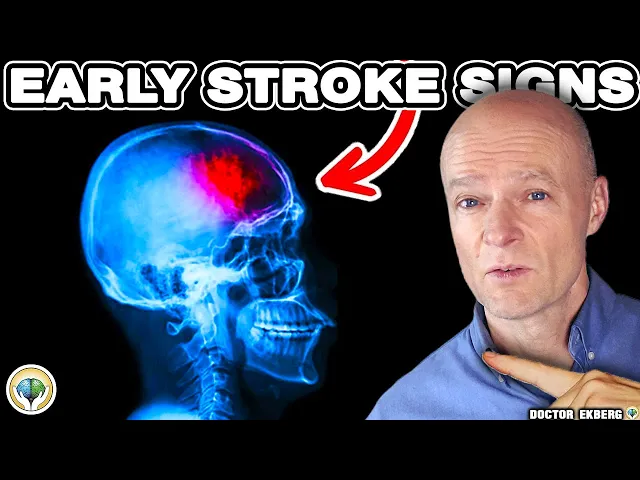
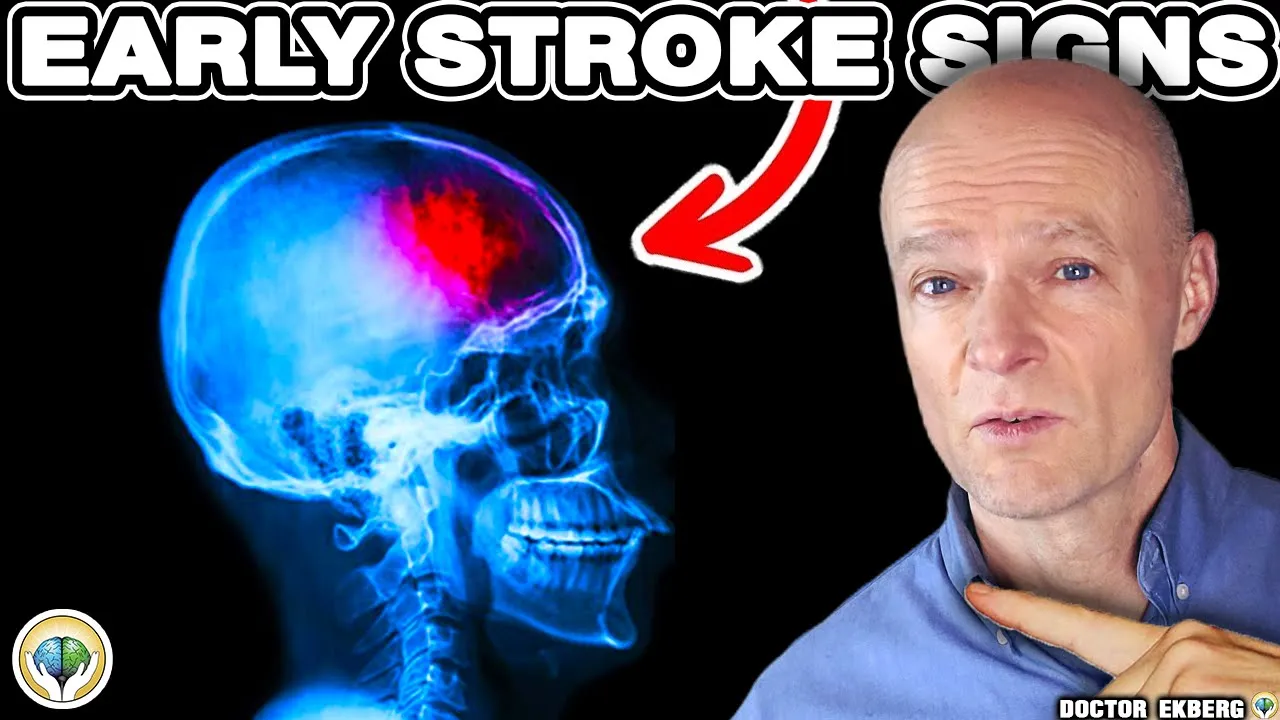
Hello Health Champions today we're going to talk about the top 10 warning signs of a stroke and the things that you can figure out a week before it happens and one of the signs is loss of consciousness so how would that come about that seems pretty drastic well what is a stroke that is when the brain is deprived of oxygen and that's a big deal because the brain is only two percent of your body weight but it uses 20 percent or more of your energy so it is incredibly highly metabolically active it's working all the
time whether you're awake or asleep and therefore if it doesn't get the oxygen that has drastic consequences so if it's losing oxygen for even 10 seconds then you're going to go unconscious so it's not like you're just holding your breath because then the blood and the oxygen is still circulating you're just not adding any new but with the stroke it's a complete loss for a portion of the brain and if that lasts 10 seconds you can go unconscious if that goes on for four to six minutes now we get permanent brain damage those cells that
have been deprived for that length of time they are dead and they're not coming back and there are two types of Strokes primarily both of them obviously have to do with lack of oxygen the first is ischemic which means lack of blood and that accounts for about 87 percent of all the strokes and the other kind that is even worse is called hemorrhagic that means a bleeding stroke which is the other 13 now both of these are devastating but the ischemic will kill people almost immediately three percent of the time now it usually involves a
loss of quality of life there's a rehabilitation but for the most part you can restore all or most of the function after an ischemic stroke however with a hemorrhagic stroke more than 50 percent of people are going to be dead either immediately after or a short time a few months or a year after the stroke and then there's something called a transient ischemic attack or a TIA and this has a long in common with Strokes in the way they show up but this one is a temporary setback because it lasts less than five minutes so
if the oxygen deprivation is severe but not permanent if it lasts a shorter time than the four to six minute it takes to kill off brain tissue then we can recover from it so here's the difference between these three the first one is called the ischemic and very often these strokes happen at a portion when there's a junction when we go from a bigger blood vessel to a smaller so we have a clot an embolus a clump a blood clot that travels and the first portion of the blood vessel is big enough that it's just
flowing with the blood but then it gets into a smaller portion and it gets stuck so now it blocks off that smaller portion and everything that is beyond everything that's distal to this blood vessel all of these cells get no blood supply and after several minutes that tissue dies and then the even worse stroke which is called hemorrhagic and now what happens it's not necessarily at a portion where there's a junction but it is a point where there is a weakening or where there's a turn of a blood vessel where there's a lot of friction
there's just constant pounding and now the blood vessel breaks and this blood flows outside of the blood vessels and it just starts spilling into the brain tissue and now because it's in the wrong place it starts filling up between the bone and the brain and it starts creating pressure on top of the fact that the blood isn't going where it's supposed to and the Third Kind which is the transient ischemic attack might look like this and here again we have a clot or we could have maybe some plaquing where there's a narrowing so now if
we have a vasoconstriction or some Factor that's going to occlude to put some pressure increase the pressure and reduce the flow then that could be severe enough that we temporarily get a blockage or it could be a clot that gets stuck but it's not severe enough that it's going to completely occlude it maybe this breaks up and gets washed out or it gets dissolved after a little bit they don't really know exactly how these things happen but the key here to understand is whatever the reason that we get a blockage or reduction in blood flow
it's temporary and if that doesn't last long enough to kill off the blood cells now we can get back to normal and these typically get a full recovery so the transient ischemic attack is temporary and the time period that the oxygen deprivation actually lasts that it's cut off could be anywhere from seconds to a few minutes but less than five minutes however the symptoms people are usually having a really bad day and it could be minutes or up to 24 hours and in some cases even a little bit longer for people to fully recover and
a lot of times when people think they have transient ischemic attacks and they think they're fully recovered if they do some Imaging they'll see that it actually was a small stroke and this happens in as many as 40 percent of the time but if there's no permanent damage or if people don't know that they have any permanent damage then why is this still so important why does it still matter because the Tia is also called a mini stroke or a pre-stroke or a warning stroke so that's the key word it's a warning it tells us
of something and about one-third of the people who have a TIA will go on to have a full stroke with permanent damage within a year and to look at it from the other direction in one study they found that the people actually had had a full stroke 43 percent of them had had a TIA within seven days so obviously the earlier that you address this the better off you are because if it happens within seven days there may not be a whole lot of time to do something about it but if it takes upwards of
a year then there's plenty of things that you can do to reduce the risk but the other thing to understand is that a lot of medical conditions are under reported because doctors and statisticians only know about them when people tell about them so a lot of people are going to kind of stick their head in the sand it's just human nature especially with men that we have this little thing it only lasts a few seconds and we'd rather not tell about it because if we ignore it then it's like it never happens so I believe
that these things are tremendously underreported especially the small stuff that happens early on the really big stuff that we get worried about or we fall over or somebody else gets notice of that we end up in the emergency room those probably get reported but the little stuff in the beginning is probably grossly underreported so I believe and this is just my opinion that if we really paid attention to the symptoms we're going to talk about signs and symptoms then I believe the majority of people will have some warning signs that we can pick up on
early on and one of the most classic signs of a pretty severe stroke is weakness or paralysis and the way it's going to show up it's going to be sudden and that's a key feature of all these things that they happen Suddenly It's like out of the blue and it often happens unilaterally when we're talking about a weakness or paralysis which means it affects one side of the body because we really have two brains in one head and they're just connected by a little stalk in between in the middle but the right side of the
brain controls the left side of the body so if we get this weakness or Paralysis on the left side of the body then we know that it's the right brain that had the stroke and this could happen typically where we're going to notice it mostly it's going to be in the face the arm or the leg because if it's the face we're going to see it or we're going to feel it immediately and obviously with an arm and a leg if we can't move it that's pretty obvious and if it happens in the face it's
something someone else can observe because we'll have something called facial drooping the face just hangs on one side or if we smile it's an uneven smile it's basically just happening on one side but a weakness can also happen in smaller less obvious muscles and again I want to emphasize that all of these things are sudden and it could be if you had difficulty swallowing or chewing all of a sudden then that could be a stroke if you had loss of fine motor skills such as writing or buttoning clothing or things like that and it could
also show up as difficulty speaking or slurred speech and of course loss of muscle and motor function could affect balance and coordination and this is not just your average poor balance but something that just comes on very suddenly and number five is cognitive changes so now if for example we no longer understand language whether it's spoken or written that has not so much with motor function but there's another portion of the brain that has been affected other cognitive changes could have to do with people being confused it could be that their memory suffers or they
can't recall things anymore if they no longer can solve problems or make decisions could also be a sign of a stroke but a stroke could absolutely affect any of the five senses so very often we hear that blurred or double vision is a sign of stroke or if we have numbness or tingling in any part of the body especially face or hands or legs is typically where we're going to notice them that could be a stroke but we don't typically hear about changes in the other senses and the reason is that it's not so obvious
for example if we get a change in hearing than due to a stroke then there's probably going to be other things going on that are much more overpowering same thing with touch or taste or smell we probably will have some change in these but it's going to be relatively small in comparison to all the the other things going on but what does it mean to catch these signs early well there aren't really any early signs of a stroke but here's what we need to understand that the transient ischemic attack the mini stroke or the warning
stroke and the real thing have the same signs because it's the same mechanisms however they differ in severity and they differ in duration so the transient ischemic attack once it comes that really is the early warning even though it's pretty far gone even at this point that is the early warning and if we want to catch it even earlier then we're not going to go by signs but now instead we need to really understand the risk factors and to develop a healthy lifestyle so here are some of the lifestyle risk factors that predispose you to
a stroke one would be a prime clear history of a transient ischemic attack or a stroke if you've already had one then the risk is definitely up second if you have a blood disorder like sickle cell anemia if your blood cells are abnormal they'll have a greater tendency to clot and create clumps that can get stuck so that's not a great thing number three would be autoimmune diseases like SLE systemic lupus erythematosus often known as just lupus or rheumatoid arthritis so with these you have a lot more inflammation typically which also would predispose you to
a stroke but I'd like to talk about lifestyle risk factors meaning things that you can do something about so if you've had a prior stroke then you've already had it you can't undo it so yes you want to make some changes but you can't really do anything about these so they're not really truly lifestyle risk factors same thing with a blood disorder you have it or you don't it's genetic you can modify your lifestyle to a certain degree but it's not strictly a risk factor same thing with autoimmunity you can develop a lifestyle to reduce
the effects but the autoimmune condition is never completely going to go away you you can improve it to where it doesn't really change your quality of life but the rest of these factors I want to talk about are truly lifestyle there's something that you can do something about so number four is high blood pressure that is a risk factor and I I saw several lists by the way where they called high blood pressure a sign of a stroke which obviously it isn't it's a risk factor that predisposes you because high blood pressure puts additional stress
on the blood vessels and it can cause ruptures and problems and there's some obvious risk factors that I hope everyone knows about is smoking and tobacco use and also excessive alcohol use so these are just common sense Lifestyle Changes having a sedentary lifestyle sitting around exercise is not optional your body is designed to move it needs to move and movement and exercise Drive pretty much all physiological processes in the body so sedentary lifestyle is a risk factor but also medications like birth control and hormone replacement therapy in particular will increase the risk of Strokes number
nine is stress because stress affects everything it puts your body in a fight flight mode and just changes all the priorities of healing and 10 is insulin resistance type 2 diabetes and all the factors related all the conditions related to metabolic syndrome so here we're talking about cardiovascular disease high blood pressure poor circulation chronic kidney disease peripheral artery disease and all of these problems all of these conditions are often listed as independent risk factors but I don't like to do that because they're not independent they're directly resulting from insulin resistance and type 2 diabetes and
metabolic syndrome which we can do something about so by following a lifestyle and a lot of the advice we promote on this channel you can handle the high blood pressure you can handle the insulin resistance obviously you can stop smoking and drinking too much you can start exercising and then you can develop a lifestyle where you minimize or get rid of most of the medication a lot of people can stop their medication over time if they just heal the body and restore the body to the point where medication isn't necessary so don't just jump straight
off and say these are bad things but realize they're just making up they're just covering symptoms that result from something that isn't working and if you make it work again then for the most part you're not going to need those medications and then we can truly understand what stress is and I've done several videos on it and if we start handling the root causes then we can minimize the effects of stress on our bodies and our health so if you're fairly healthy healthy then these are the things that you need to maintain to stay that
way if you are diabetic or insulin resistant then you need to do these things to reverse it and if you had a transient ischemic attack then you start these like yesterday and you get really serious about it to minimize the risk of having a stroke as a follow-up event now a big part of the problem is that up to 88 percent of the population is to some degree insulin resistant or have some metabolic problem but based on the standard blood work and standard ranges They Don't Really catch it so I've created a blood work course
and you could get some blood work to figure out exactly where you are and to really understand a lot of this stuff much better so if you'd like to learn more I'll put some information down below and some other symptoms of a Tia or stroke could be nausea and vomiting it could be severe fatigue especially sudden severe fatigue like overwhelmingly tired all of a sudden or a severe headache and again not your average thing that just comes creeping up but something that's like someone stabs you in the head with an ice pick severe sudden pain
or it could be some personality changes and this is probably not something you're going to pick up on yourself but something You observe in someone else like something different about their behavior if you know how they usually act and now it's just completely different something about their mood changes or something else about their emotional state if you enjoyed this video You're Gonna Love that one and if you truly want to master Health by understanding how the body really works make sure you subscribe hit that Bell and turn on all the notifications so you never miss
a life-saving video