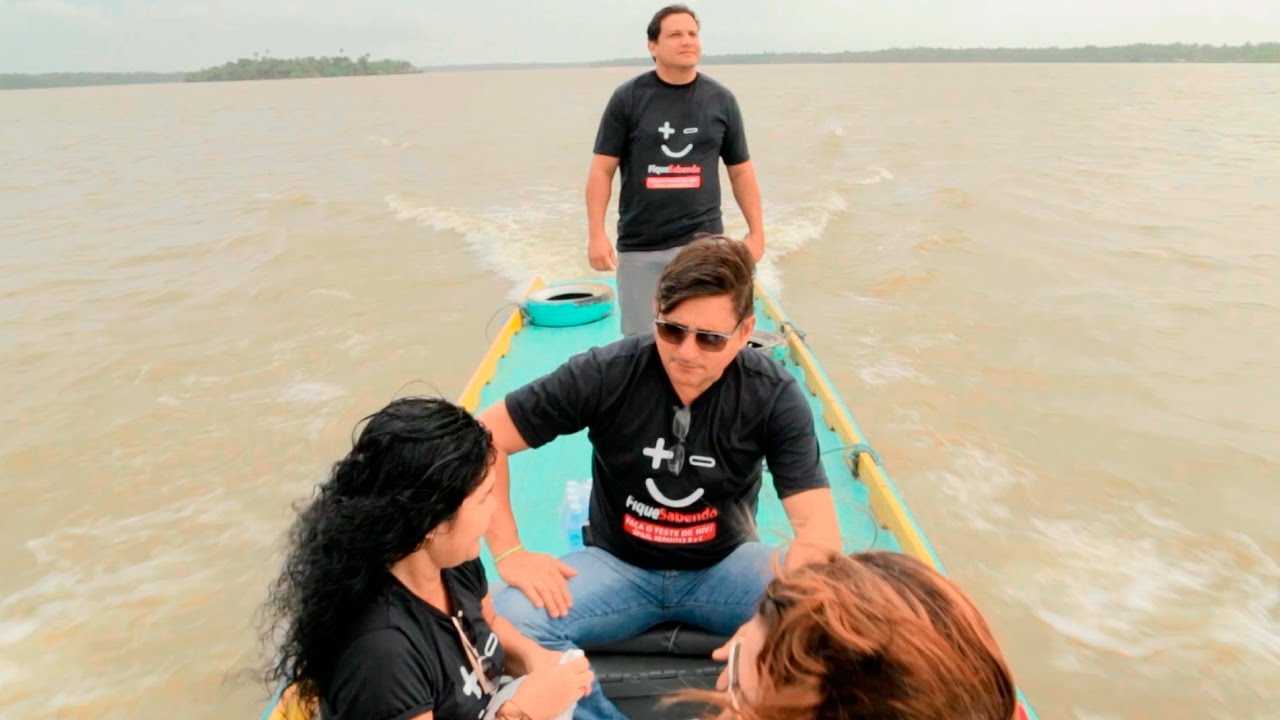
Igaraçu means big canoe in the original indigenous language here. So it is our big canoe, the boat that docks bringing health to the people. Most of the times, when we want to communicate with the Igaraçu, we do it via radio, the local town radio.
We give them a heads up. “Hello, the Igaraçu will be at the Espírito Santo community today, or the Igaraçu will be at the São Joaquim community”. In a 20-day trip, the dentist will see 400 people, and a doctor will see much more than that.
The nurse, I think she sees around 380 to 420, so a lot of people is cared for. Other than the doctor, we have a nurse and two nursing assistants. One of them is responsible for the vaccination room.
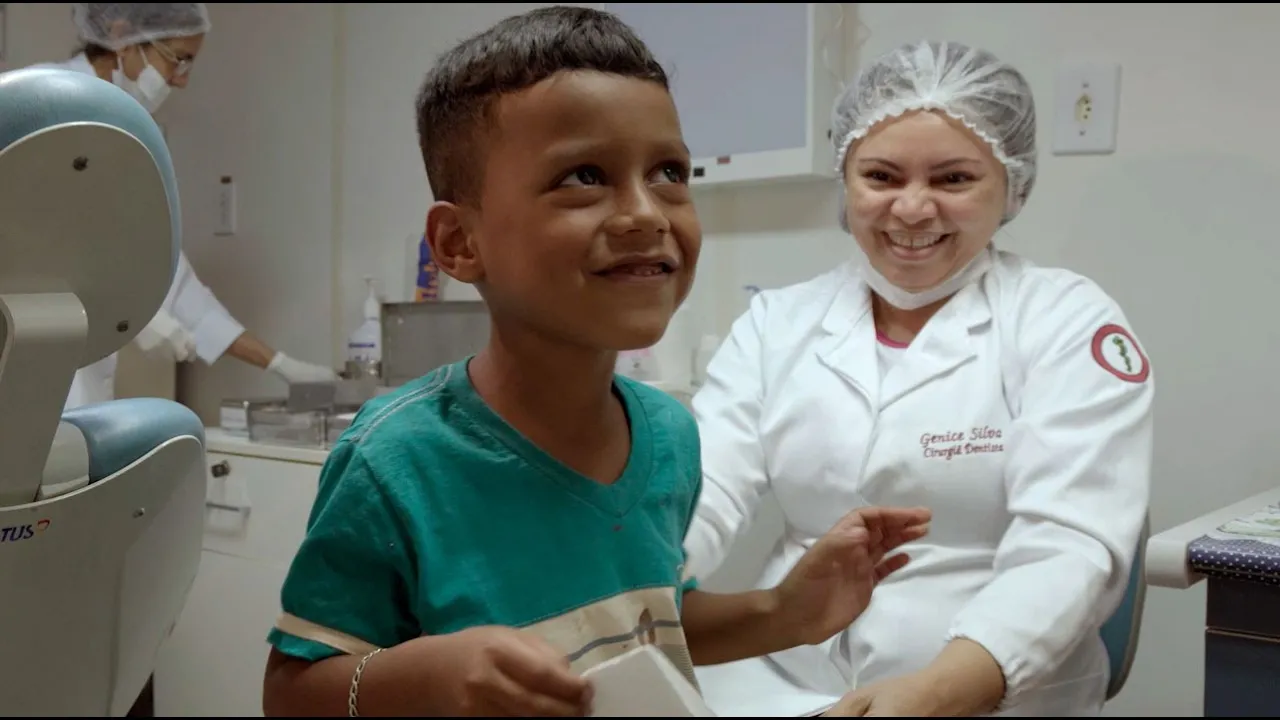
We have the oral surgeon, the oral surgeon assistant, a biomedical scientist, who is responsible for the laboratory, a clinical laboratory technician, the captain, the deck seaman, the motorman, a general helper, a cook and a watchkeeper. We can take a quality health, which the SUS advocates, to people, so even with so many hardships, such as rising and falling waters, they are cared for in a very humane way, they are provided with quality care. Many times the Single Health System offers the service but fails to understand the patient’s reality, and when we are inside the fluvial UBS, you go to that place where people live, where they are insulated and once we’re there we can see all of the hardships they go through.
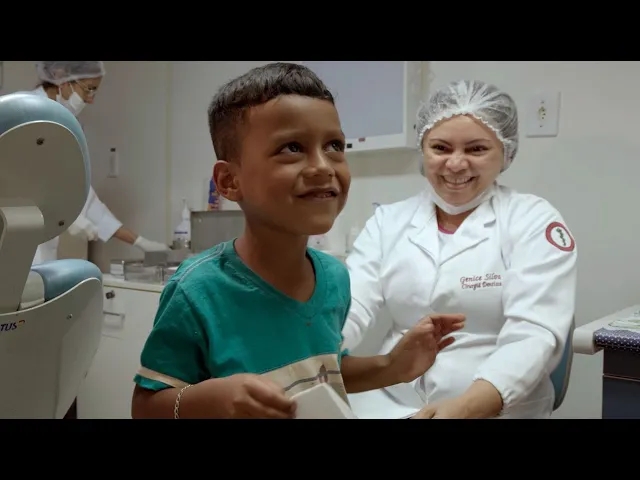
So we adapt the service, the care, the assistance, the treatment, according to that person’s life condition. They used to be cared for in wooden boats where they used to have lots of dental extractions. The mothers would come already asking for a dental extraction for these kids.
Most kids from zero to three years old already came to the UBS with toothache. The mothers would come already asking for a dental extraction for these kids. So it was really touching to see that babies had cavities.
We then started thinking about something we could do so that this situation would change, that from that moment on we would start changing the reality of this riverside population. So we wanted to show pregnant women that if we started working with them ever since the beginning of the prenatal care, we would be able to avoid lots of diseases and to improve the life quality of the community. The nursing team started referring all pregnant women so that we could follow them up, carry out with their treatment and provide them guidance, the necessary health education so that when that baby was born, the things that had been happening before wouldn’t happen anymore.
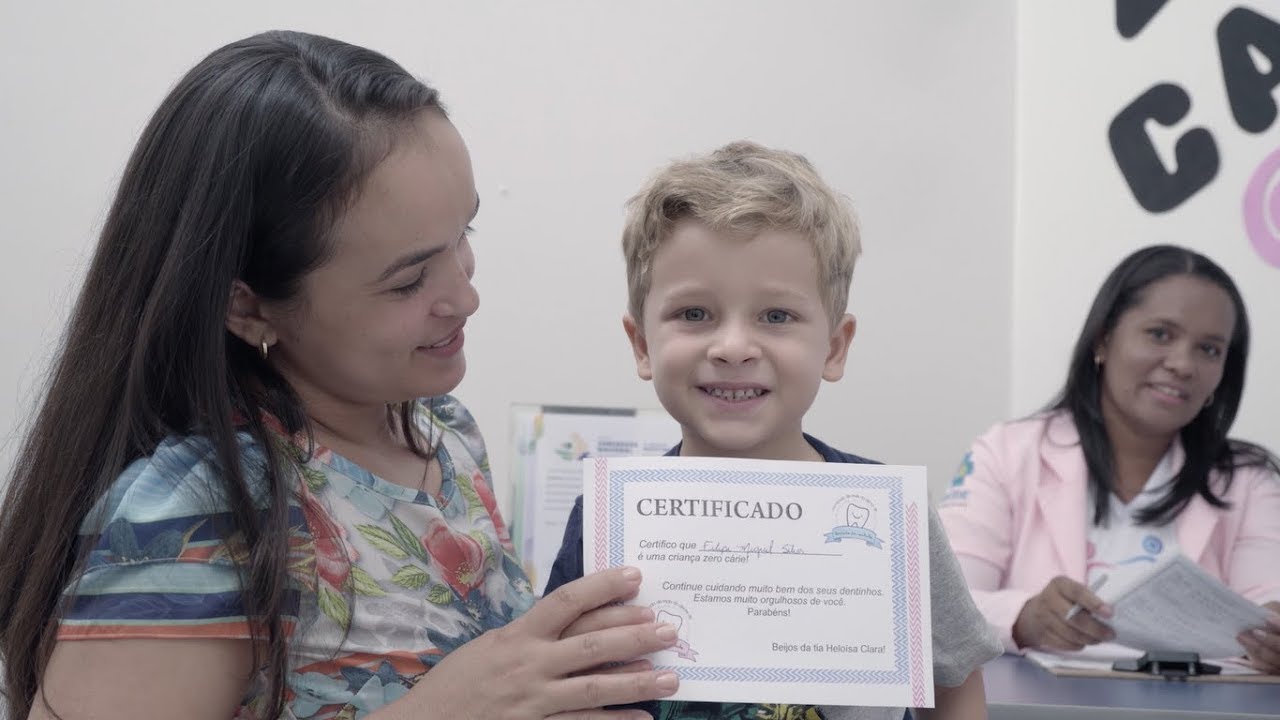
We decided that all pregnant women would be seen by the dentist in all trips, for both getting treatment, so that they wouldn’t become a focus of infection and because they needed, but also to prevent cavities in these future babies. So we started showing these mothers that prenatal checkups with the nurses and the doctor are as important as the regular follow-up with the dentist, for prevention’s sake. They said that I should take care of her mouth, to clean it every morning, once a day, to bathe her.
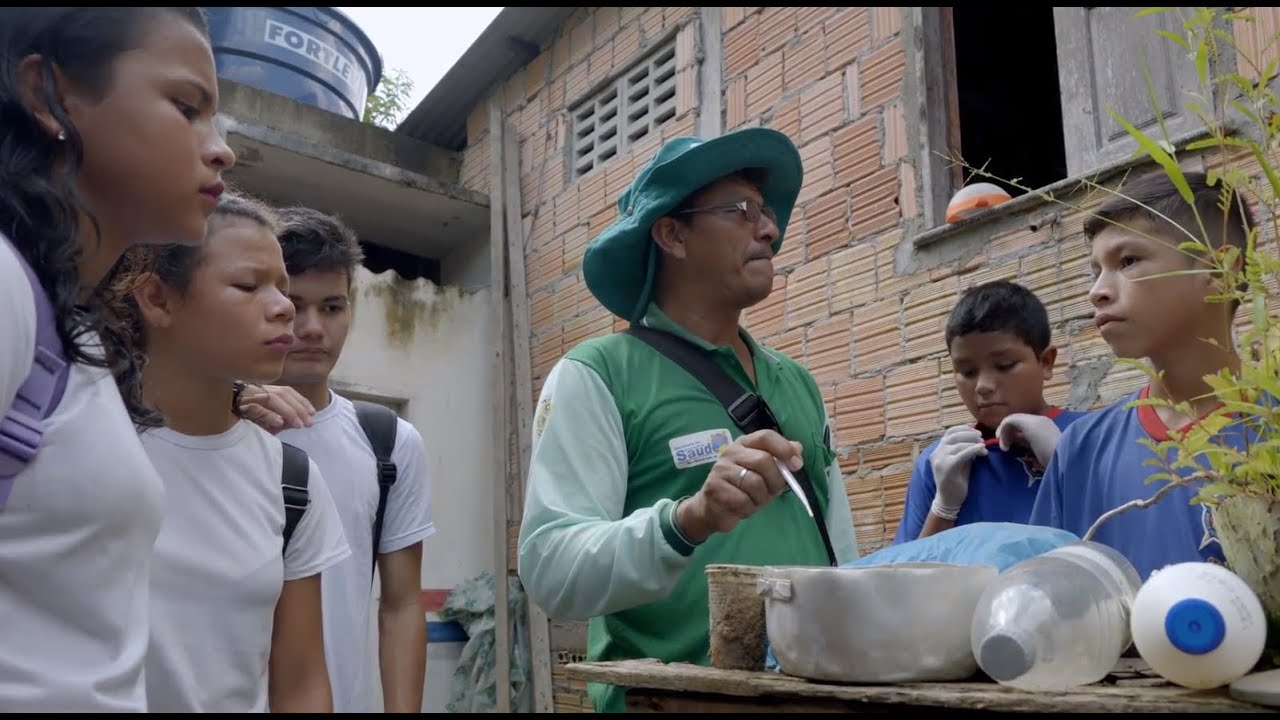
And when she starts teething, I have to brush them three times a day. And the tongue, you should clean it, you do that again until it is wipe clean. We started with health education at the reception, informing that prevention was the best option for them and that the treatment had to be carried out because most of them already had their dental structures almost completely damaged, but we had to treat the ones that still could be treated, so we started working on that, providing health education so they would start raising awareness and, little by little, we managed.
When I got there, they took my baby and cleaned her mouth. Then they took her to be vaccinated and I went to see the nurse as well. We consider ourselves a family because we spend twenty days, depending on the river’s falling tide, or twelve days together, so we must be really united.
We always help each other. We share lots of experiences, everything that we need at the Igaraçu. We end up adding members to this family with the population.
They are very kind to us. We are there to work, but they try to please us as if, I don’t know, as if we were family and were doing something different for them, when we’re simply bringing health to them, bringing assistance, something they are entitled to. I believe that the SUS can work out and it depends on us, who are on this end, wanting to do better, wanting to provide health education in order to prevent future diseases.
I am doing my part for it to work out.