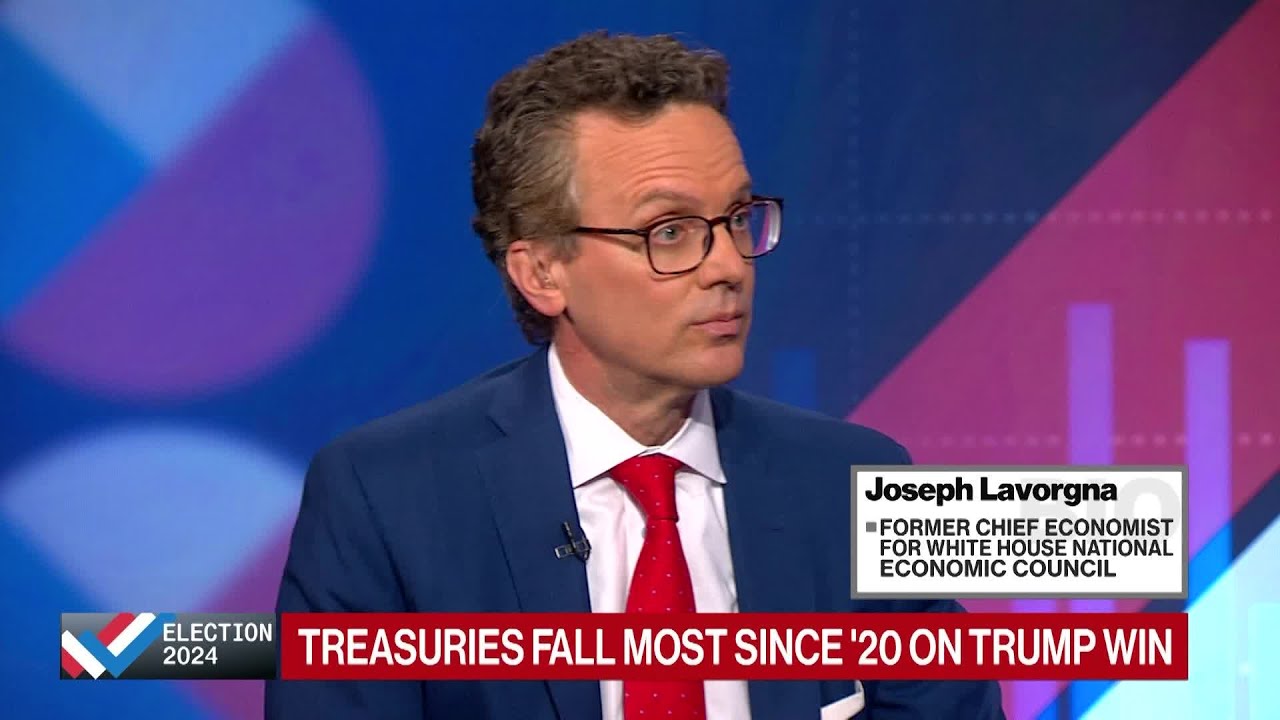
How much are you seeing this more as a trade from interest rate differentials, growth differentials and less relevant when it comes to some of the tariff trades that I'm thinking in particular of the U. N. and more significantly, the Mexican peso.
Yeah. I think you have to unpack that. It's pretty much a lot of the major things that drive affects its equity performance, its growth outperformance, its rate differentials.
It's the risk premium that comes through on the trade uncertainty. So if you look at kind of your w r w CRC screen on Bloomberg, you're what you're going to see. This is a broad dollar move.
So if we think about it, this is U. S. exceptionalism.
So the key tenants of this is basically emerging market currencies are going to underperform largely because with U. S. exceptionalism you have outperformed equities, you steeper curve.
The number one thing the market's going to talk about now is the higher terminal rate in the U. S. where that lands, how the markets have to reprice the Fed, whether the Fed is going to be on pause now starting in December.
All those things would be very bearish for pretty much every emerging market currency. Asia is more focused a little bit maybe on rate differentials. But if you go again, back to Latin America, if you think about the Mexican peso, this is the worst case scenario.
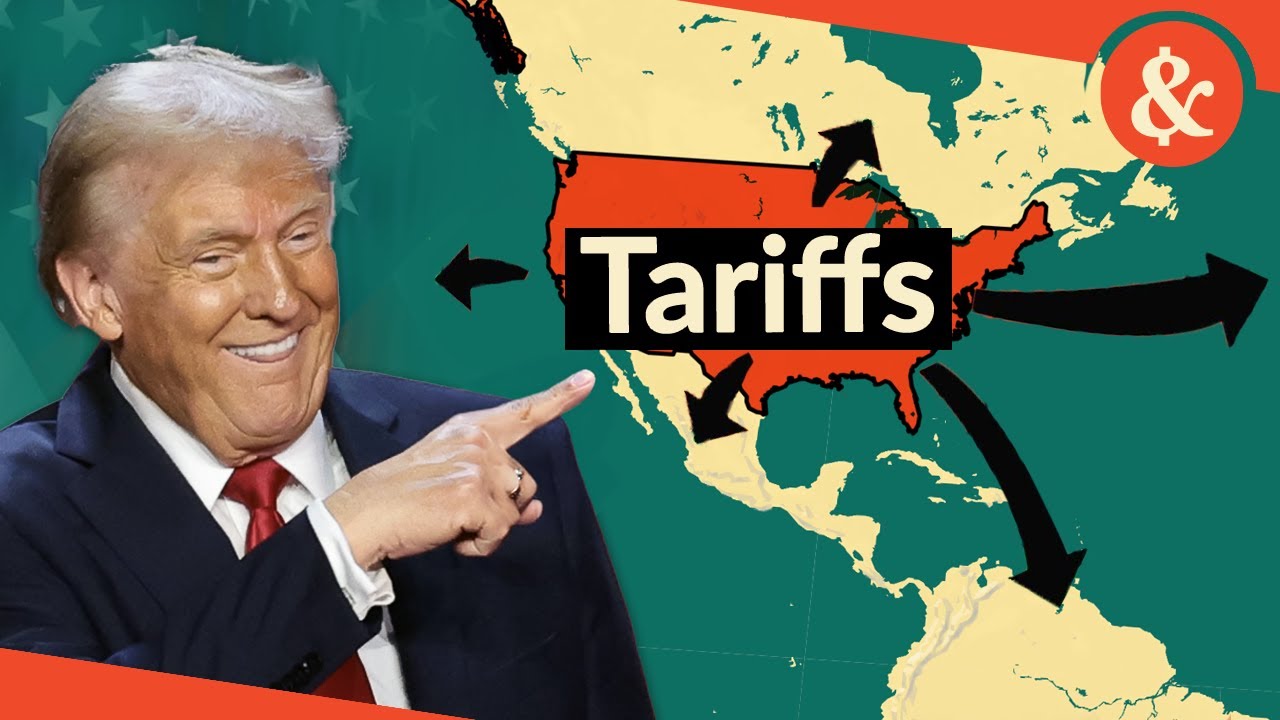
You have trade uncertainty, you have a USMCA sunset clause that comes through in 2026. You have an underperformance of the carry trade, and now you actually have the uncertainty of whether or not Trump wants to strike a deal with China and find a way to cut Mexico out of the supply chain. Or if he wants to find a way to basically say to Mexico, we're going to renegotiate the trade standards here that we have in USMCA, which puts them down a rung anyway.
So those are all key concerns, I'd say with the euro. Again, we have uncertainty around the German government, which is likely to collapse at some point in the near term. And we're looking at potential elections in Germany.
So there's political uncertainty in Europe and there's pretty much broke for violence coming through in the US right now. It's not really volatility, it's just straight and to the right. I'm just wondering how much we end up with if there is a wobble in equity markets that that will be that much more damaging to the dollar because it does undermine what you're talking about.
How much do you take notice if there is a sell off? Well, I do think that you have to work through the first and second order effects. So as a lot of people have mentioned, we've underscored as well all these policies, especially if there's a red wave, if the if Trump if they have the House as well, this is going to be inflationary.
The first order effect is this is kind of very bullish again for the equity market. This is a repricing the Fred, this is a steeper curve. This is a bit of a reflation trade with the theme around U.
S. exceptionalism. The second order effect is again, and we see this in Japan, we saw this in the U.
K. budget. We are seeing this all over the world.
We are continuing to see a combination of easier monetary policy, easier fiscal policy. But yet pretty much every country around the world has inflation above target. So central banks are dealing with something that's very challenging.
You can ease financial conditions and boost fiscal policy at the same time when inflation's already above target. So I think the second order effect here is, yes, that is a huge concern that the bond market is going to have a significant impact on whether or not the equity market can trade as exceptional as many are going to expect and extrapolate it to. That is, again, not the first order effect.
That is, again, maybe a story that comes through the second half of 2025, but that is something that we're going to be focused on a lot. Given that, again, you can you can't get as much growth as you want. You can't deliver unprecedented fiscal stimulus and not have to worry about inflation.
Inflation's going to be the major driver of the market starting in 2025.