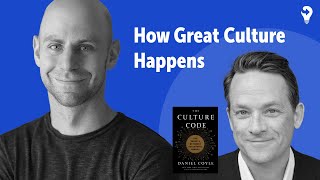
i found this job opening for a marketing manager and i thought oh that would be really fun they were looking someone who could do everything like very strategic so i applied got the interview and they were actually really nice this is maria or at least that's what we're calling her you know to protect the innocent anyway maria was very excited about this new opportunity from the outside the job was everything she wanted and she called me at the end of the day to offer me the job so i quit my job like two days later a few weeks later she started the new job eager to share her ideas and as i sat down in my new desk the designer that was sitting next to me she's like i tried to find you on linkedin to warn you not to take this job why and she told me these people are crazy um definitely not a good start i just laughed because it was like okay well let's see how bad it actually is because i also wanted to give it a chance thinking maybe she's just angry she just doesn't like it but in this case i should have listened to her the next few weeks were a wild ride so we had a sales meeting i was like okay let's try and look for a marketing way of getting customers in and the owner was like no how about we just do an energy circle and i said sorry what they all knew what that meant so they all stood up and held hands and i'm there just looking around like what the hell's happening and you started like shaking like okay shake the bad energy shake for the universe and then the the owner was like okay universe we need you to send us some sales and i'm just standing there like okay with that folder thing full of strategies and ideas and campaign ideas nothing was this a company or a cult it was a big cultish because at the christmas party the owner wrote a song for everyone with everyone's name on it and we had to sit there listening to him sing to us and by early december we get a list on my desk and it's just a list of everyone's names in an envelope and then in on top of the list it says please give whatever you'd like to contribute and to show your appreciation for working here and your appreciation to the owner of the company i was just so angry and i loudly went like what so we have to buy him a present i put 50 cents i suggested to buy everyone in the company a christmas present out of the marketing budget and they said no having a job is present enough so the highly paid owner gets a gift but the hard-working employees don't call poison control we have to rescue some people from a toxic culture organizational culture has big consequences for success and happiness but we often overlook it because it's hard to analyze so what culture clues should you look for before you join an organization and how do you shape the culture once you're there [Music] i'm adam grant and this is work life my podcast with the ted audio collective i'm an organizational psychologist i study how to make work not suck in this show i take you inside the minds of fascinating people to help us rethink how we work lead and live [Music] today culture at work how to recognize it from the outside and strengthen it from the inside [Music] thanks to morgan stanley for sponsoring this episode when i was in junior high school one of the things that i used to do is type up surveys that i would give to my parents well actually not just my parents anyone who came over and i would ask them to fill out a paper and pencil survey i just loved surveys i know super weird i would ask all kinds of questions about how happy they were at work and what their work was like and i i just thought that was fascinating jenny chapman is an organizational behavior professor at berkeley and she was clearly destined to become the queen of organizational culture i like being a queen [Music] i continue to be an optimist about this that there is a place for everyone and there are organizations and jobs that really fit with some people but not others and through her many years of research and countless surveys jenny has a clear view what organizational culture is culture is the values and behavioral norms that one sees expressed within an organization and it has to be sort of a systematic pattern of norms and expectations that people have in a particular setting that they might not have in in another setting and one thing that's interesting about norms is there's no rulebook to teach them to you instead we learn them through social interaction they're different from what's written in the the corporate handbook these are observed patterns of behavior and expectations that we pick up from interacting with colleagues within an organization people often claim their cultures are unique but when you study thousands of organizations you can start to see underlying patterns it all has to do with how we balance key priorities research reveals that there are two fundamental tensions in organizational culture results versus relationships and rules versus risk if you ignore one of those values altogether you end up committing one of my four deadly sins of organizational culture toxicity mediocracy bureaucracy and anarchy the first sin of culture is toxicity the deadliest sin of them all new evidence on the great resignation shows that toxic culture is the biggest driver of turnover more than burnout more than low pay toxicity exists when a culture prioritizes results without relationships getting things done at the cost of treating people right the organization tolerates disrespect abuse exclusion unethical decisions and selfish cutthroat actions if people don't get fired for those behaviors or worse yet still get promoted houston we have a problem at the opposite end of that spectrum is a second sin mediocracy valuing relationships above results there's no accountability people are so worried about getting along that they end up forfeiting good work in a mediocracy even if you do a terrible job you can still get ahead as long as people like you before long you end up with the peter principle where everyone is promoted to their level of incompetence and they get stuck there the third sin is bureaucracy that happens when a culture is all rules no risks new ideas are seen as threats to the status quo people claim to process and resist creativity and change they see questioning the way we've always done things as blasphemy there's red tape everywhere if you want to use the bathroom you have to fill out paperwork and the fourth sin is anarchy you have risks but no rules anyone can do whatever they want strategy and structure be damned no one learns from the past or lands on the same page it's pure chaos [Music] it's bad enough when a culture commits one of these sins but believe it or not maria's jewelry company managed to be guilty of all four sins so definitely insanely toxic people were crying there daily every time i went to the toilet there was someone crying there we used to laugh about like one of the cubicles was a crying cubicle so you would never actually go there in case someone needed it for crying they were a mediocracy too and not just because they did energy circles instead of marketing they had no system for getting results they were a small company that grew into a bigger company and none of the top two bother to learn how to manage a company incompetence the whole way through but just act confident they had all sorts of constraints on risk-taking very bureaucratic like you couldn't speak directly to the owner because it was very about the steps like remember how high i am and remember how low you are and despite the bureaucracy around the chain of command in other places they didn't have enough rules most of maria's job was anarchy and turns out i kind of regressed in my career because i ended up not doing anything that i wanted to do i'm more like a party planner and universe messenger person i did not know that was a job oh i didn't either could you have figured any of this out before you took the job i've been thinking a lot about that because while i was there i was thinking how can i make sure that this doesn't happen again if i had spoken to someone from the team during the interview i am sure that the general manager would have been there with us and other than going through linkedin and finding people who work there and then messaging them and saying hey i have just been offered this position what do you think about the company so i'm not sure if that's even something that i would have done you've probably felt that hesitation too but gathering information about a culture before you agree to join is exactly what culture queen jenny chapman recommends doing i think that's a great way of helping people be kind of detectives about the culture that they're interested in particularly people who are seeking jobs you want to ask you know what what do people care about here what are they talking about what is behavior focusing on how much agreement is there do people seem to be aligned on these issues and finally what are their non-negotiables what do people get really rewarded for or if they violate these norms or behaviors what do they get really punished for you want to interview the company but not during your job interview wait until you get the offer i'm definitely doing that for my next job because if i'm getting into a new company i want to know exactly what i'm getting into so next time i'll do more of a reverse interview it's not about the slogans on the wall or the values on the website culture is revealed in the stories people tell to gather meaningful culture stories i have a few favorite questions for you to ask current and former employees i posed them to some former students and their answers told me a lot about their organization's cultures the first question is tell me about something that happens here that wouldn't elsewhere every year the class of new hires is in charge of organizing a senior team roast where they basically spend 30 minutes live these days they resume during our end of year strategy session roasting our senior team for things like the way they write emails wearing pajamas during zoom calls mixing up people's names basically anything embarrassing and i think this is something truly unique about our culture for a firm in the finance industry where humor isn't often encouraged in the workplace this is a firm that's trying to avoid both toxicity and bureaucracy by making fun of senior people they signal that executives want human relationships and it's okay to take risks also it's pretty rare that people wearing pajamas are into red tape when an investment banking report came out about uh mistreatment of their first years i got an email from the chairman of our organization we'd worked together once before but didn't know each other very well and i was one of the only analysts he knew he was horrified by the report and wanted to see how i felt we were doing and to make sure i didn't feel anything remotely similar he responded to my email by saying i hope and pray that no one at our firm would ever be treated like that and even if one person felt they were treated badly that that person would let us know and we could fix it immediately if we ever fail to be people focused please let me know whether it's about you or you're aware of anyone else at the firm and then in all caps nothing i care more about it sounds like the chairman is dedicated to fighting toxicity but culture isn't about one leader's behavior it's about how widely shared and intensely held the values are so i want to know how committed others in power are to curbing mistreatment and what the consequences are in healthy cultures no level of individual excellence justifies undermining people you're not a high performer if you don't elevate others which brings us to a second question tell me about a time when people didn't walk the talk here our office has returned to in person because in-person interactions are highly valued according to the president of the firm but the third most senior person at the firm is spending the entire winter in a ski town in europe this is a red flag research suggests that the worst stories about a culture are about senior leaders violating their own principles they claim in person relationships are valued but apparently one of the top people is exempt from that value hypocrisy alert you can also see signs of hypocrisy versus integrity by asking a third question tell me a story about who gets hired promoted and fired around here if you're a detective these stories are full of clues about what's really valued an md shared how he made md in six years as opposed to the normal 12. he told us how he works from 4 30 a. m until 10 pm and is always available he doesn't expect it from anyone else but he's always grinding considering our firm prides itself on valuing mental health it's a bit demoralizing to hear that the way to advance quickly is to abandon those values here's another warning signal the company claims to value well-being but do they really mean it if you want to get promoted early good luck not working 17-hour dates collecting stories can help you understand a culture from the outside and identify toxicity mediocracy bureaucracy and anarchy before you join but what if you're already inside how do you build and maintain a strong culture more on that after the break okay this is gonna be a different kind of ad i play a personal role in selecting the sponsors for this podcast because they all have interesting cultures of their own today we're going inside the workplace at morgan stanley [Music] we like to hike we like to climb around in the mountains i like to be out an hour and a half from civilization fishing my wife's super active and she just loves being out at the gym running doing all that kind of stuff meet randy norris i live in a town just outside of boise idaho i'm a financial advisor with morgan stanley i'm married to a wonderful partner for life leanne and i have two now adult kids one day leanne suffered a life-threatening medical emergency she suddenly started coughing up blood that was filling her lungs she was admitted to the hospital and she stayed in the hospital for the next four or five days and did all kinds of tests trying to figure out what was going on the only thing that really came of it that we were told was that it shouldn't happen again but it could happen at any time and so basically the advice was never be more than 10 or 15 minutes away from a hospital randy and leanne were scared and devastated at the thought of spending the rest of their lives tethered to a hospital but then randy got a phone call from his insurance provider she said i noticed you've been going to see a number of different doctors are you getting the care you need immediately i just said no no we we have something wrong and nobody has a good answer and i'm really frustrated and she said well morgan stanley offers their employees this service called second md the purpose of a expert medical opinion service is really to provide a different point of view that can help avoid surgeries potentially help save unnecessary doctors visits maybe identify an alternative diagnosis or treatment that hadn't been considered especially when there's a major decision to be made this is dr dave stark morgan stanley is chief medical officer fundamentally the job of a chief medical officer or frankly the job of an hr benefits professional is to develop and manage a portfolio of products and services to help employees and their families stay healthy happy and productive that's what secondmd did for randy and his family after being connected to specialists across the country leanne traveled to oregon where she was diagnosed with a microvascular dysfunction and underwent a successful surgery after about three months of just not being able to figure out what was going on second md came in and within three weeks we have a plan of action that was just guided and stepped all the way through i've been a raving fan of second md ever since research shows that employees commitment and loyalty depends heavily on feeling cared about and supported by their employer morgan stanley has worked to meet employees where they are with services they need in person or virtually from child and elder to special needs care as for randy he and his wife leanne are counting their blessings on the anniversary of her surgery she ran her first half marathon life is precious life is short we should enjoy it and take a moment but every now and then just reflect on on the blessings we have and the miracles that happen that get us to where we're at morgan stanley believes employees are the greatest asset and they protect that asset by offering top quality healthcare options and comprehensive programs to support physical and emotional well-being learn more at morganstanley.
com our benefits [Music] the first person who shapes the culture of an organization is the founder our founder barkley simpson had his nine principles of doing business and it's something that we refer to all the time and one of them is everybody matters meet annie cow she's the vp of engineering at simpson manufacturing they make anchors and fasteners for building foundations and decks we are a manufacturer and engineering company of building connections that help people build and design safer stronger structures and simpson's been doing that for a long time just celebrated our 65th birthday i thought it was really intriguing that you said we celebrated our 65th birthday um a lot of people when they talk about their company they wouldn't know what their company's birthday was what's behind that you know i didn't even pick up on that but i think for me like that the people are simpson i feel like i am a very active owner of who simpson is and what simpson is and so you know the successes that we have as a company both on the financial side on the products that we're able to release like i have very personal pride associated with that because i just i know the people and the work that it took to deliver it that identification with the company that pride of ownership is a sign that simpson has an unusually strong culture it's very personal because i think that what the company does is a clear reflection on you know who i am as you know as as a person as an engineer as a parent strong culture is one of jenny chapman's specialties as a researcher you can tell how strong a culture is by paying close attention to what she calls crystallization and intensity there's a question about how much people agree about the culture that's the crystallization piece does everyone in the organization agree that innovation is important or is there fragmentation where our engineers want to be on the cutting edge of things but our marketing folks want to pull back and and just provide what customers are asking for and there's the question of intensity which is what are the things that were that are absolute non-negotiables for us in the organization simpson doesn't just have a strong culture jenny has observed it up close as an unusually healthy one so full disclosure i'm on the board of simpson manufacturing even before consultants were billing hours for cultural transformation bark was building a strong culture and he had a number of principles one was that he really supported his people within the organization and expected to do most of their promotions from within the company so there was a real investment in developing people an investment that often took people by surprise including annie barkley simpson our founder used to attend all the orientation classes that we held at our corporate office so everyone who starts at simpson attends this week-long orientation at our home office and bark would attend all of those and he would have 30 minutes he'd go around ask everyone's name ask about their families and talk a little bit about the history and he would just kind of sit down in one of the you know conference chairs along with us and then i think of other leaders that have guided our company and just the common factor is how kind of openly caring they were how much they made time for employees it's it's something that i have really tried to do just within my department with engineering is like i need to be that you know for the employees and so just making sure that you know i'm owning that and also expecting that of my team because that's the kind of culture that we want and we have to keep it alive and just not assume that someone else is doing it it's often said that culture eats strategy for breakfast but the reality is that a strong culture can serve your strategy yeah i do think there is something to the motto in that if your culture is not aligned with your strategy good luck it's probably not going to be executed very well or if at all but i also think that strategy is what gives organization its purpose without a strategic objective the question is sort of why organize or why be an organization you're you're coming together for a purpose you're trying to accomplish something together the culture should be the kind of engine that allows you to execute on that strategy more or less effectively so if you want to build a strong culture you need to identify the core values that you're trying to crystallize but crystallization alone is not enough you've probably come across a workplace where everyone agrees on the values but no one really upholds them think of your u. s postal service where you know who knew that their motto was customers first right like who knew right they got the coffee mugs they have the banners but is anyone willing to sort of stay past 5 p.