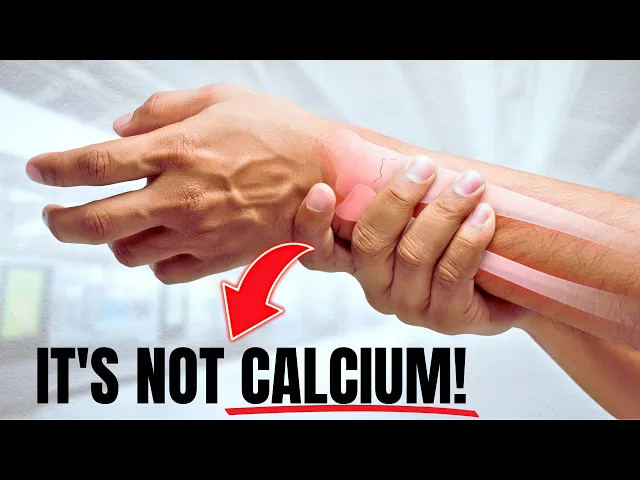
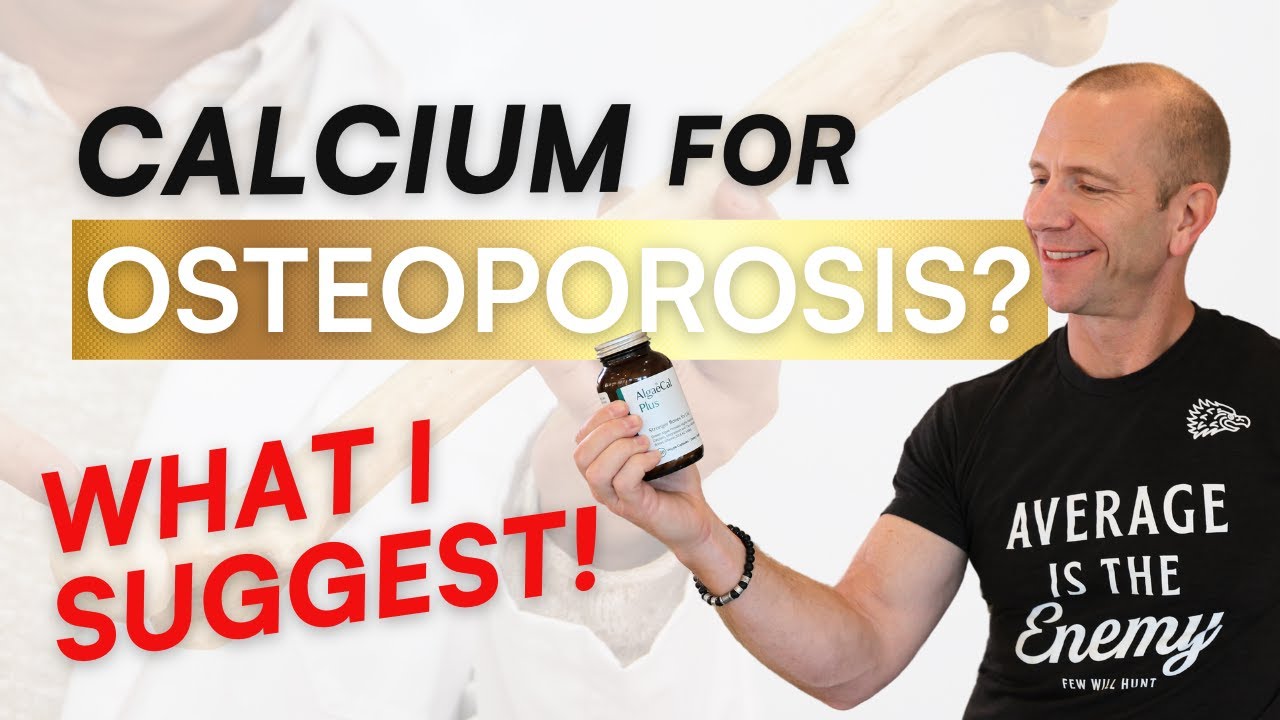
Are you worried about osteoporosis? Maybe you've been chugging milk or popping calcium pills, hoping to keep your bones strong. Well, I've got news for you - you might be doing more harm than good.
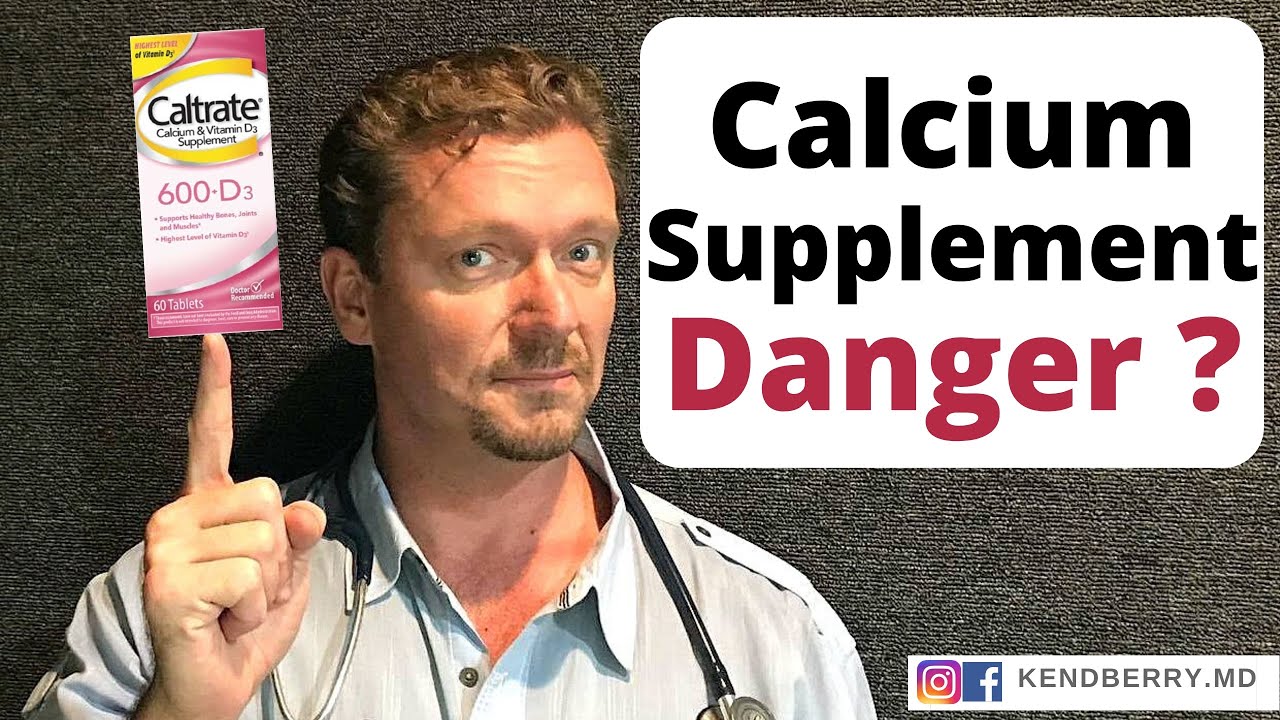
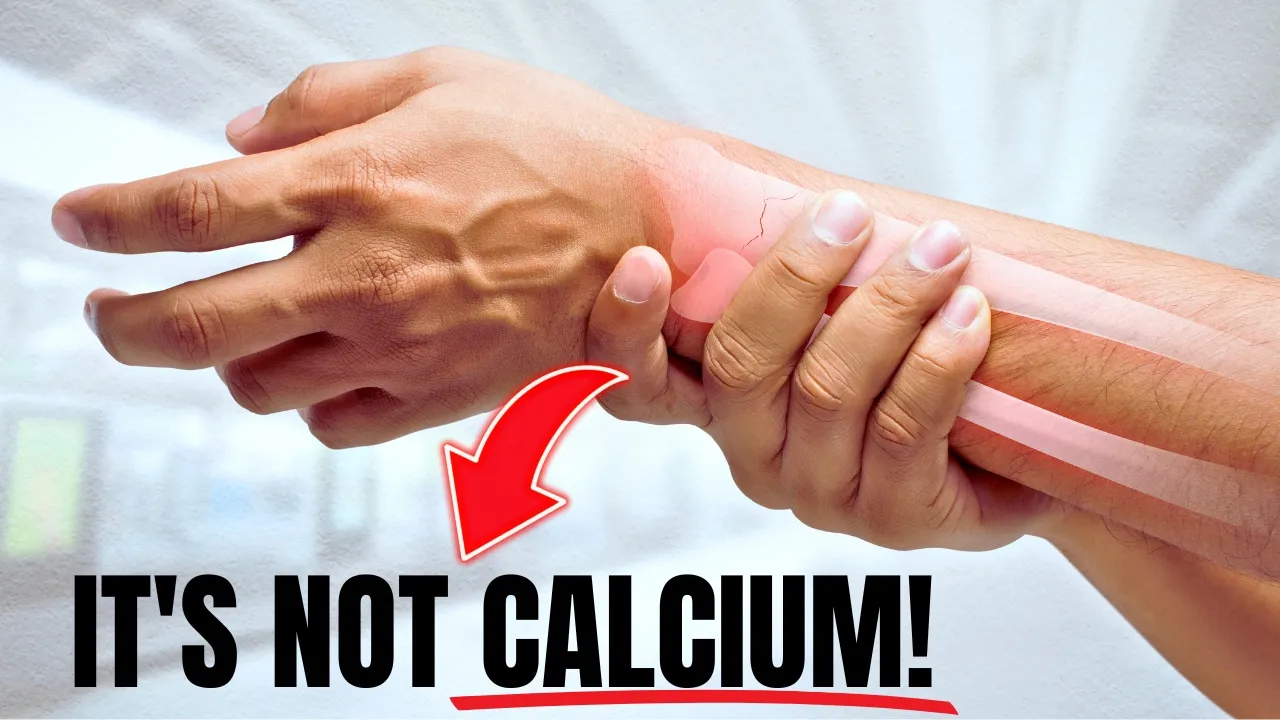
That's right, the common belief that osteoporosis is just a calcium deficiency is dead wrong. And what's worse, those calcium supplements you're taking? They could be setting you up for some serious health problems.
Let's dive right in. For years, we've been told that calcium is the magic bullet for strong bones. Got osteoporosis?
Drnk more milk! Take more calcium supplements! But here's the kicker - recent studies are turning this idea on its head.
A 2018 review found that routine use of calcium and vitamin D supplements didn't reduce the risk of osteoporotic fractures. That's right, all those pills might not be doing a thing for your bones. But wait, it gets worse.
These supplements were found to increase the risk of kidney stones. Talk about a rocky situation! But the real shocker?
Some studies suggest that taking 500 milligrams of calcium every day could increase your risk of heart attacks by 30% and strokes by 20%. That's not a typo - the very thing you're taking for your health could be putting your heart at risk. So why is calcium causing these problems?
Well, it all comes down to how our bodies handle this mineral. You see, calcium levels in our body are very tightly regulated. Unlike other minerals like magnesium or potassium, which our body can easily get rid of if we have too much, excess calcium can be downright toxic to our cells.
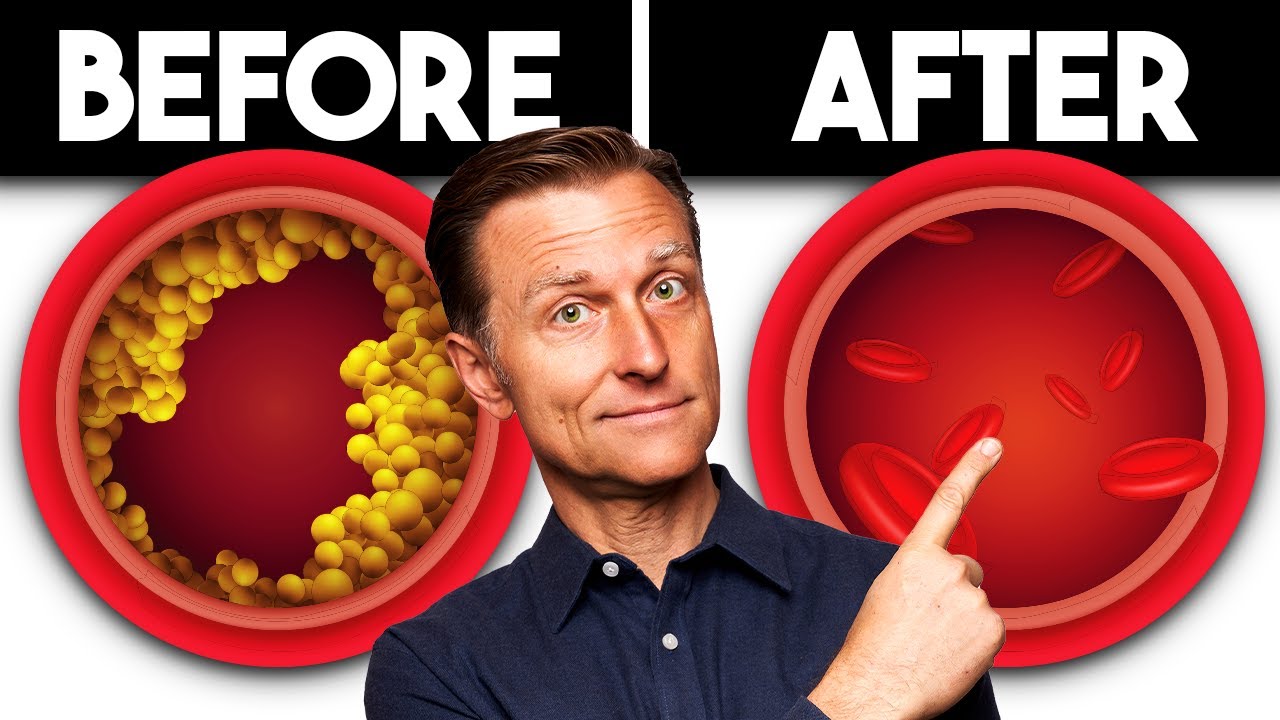
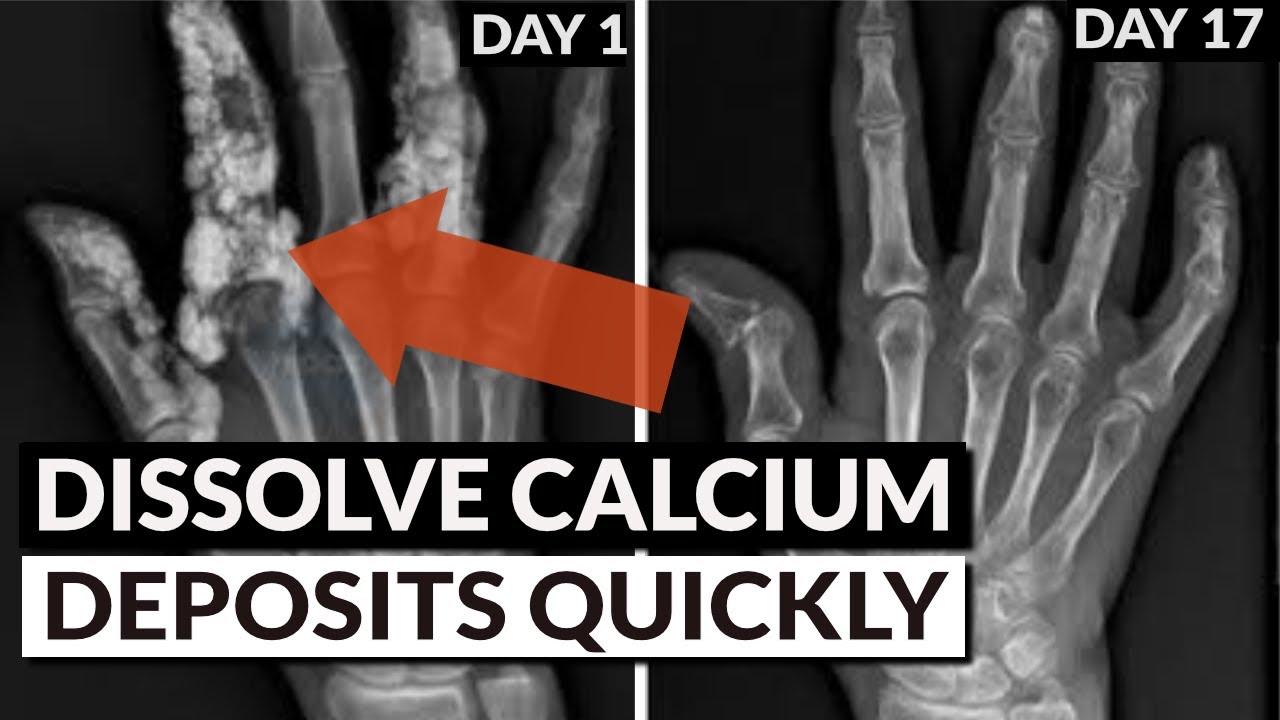
Think of your body like a delicate machine. Too much calcium is like pouring sand into the gears. It can build up in places it shouldn't, like your arteries and joints.
In fact, a staggering 30% of the U. S. population has calcification in their arteries.
That's nearly one in three people walking around with calcium deposits clogging up their cardiovascular system! Now, you might be wondering, "How do I know if I have too much calcium? " Great question!
There's actually a test for that. It's called the coronary artery calcification test, and it's one of the best predictors of overall mortality we have. But calcium overload isn't just about heart health.
Have you ever heard of milk-alkali syndrome? It's a condition caused by consuming too much calcium, whether from drinking excessive amounts of milk or taking too many antacids. The symptoms?
They're not pretty. We're talking kidney failure, death, psychosis, confusion, dizziness, poor appetite - and the list goes on and on. So if osteoporosis isn't just about calcium, what is it?
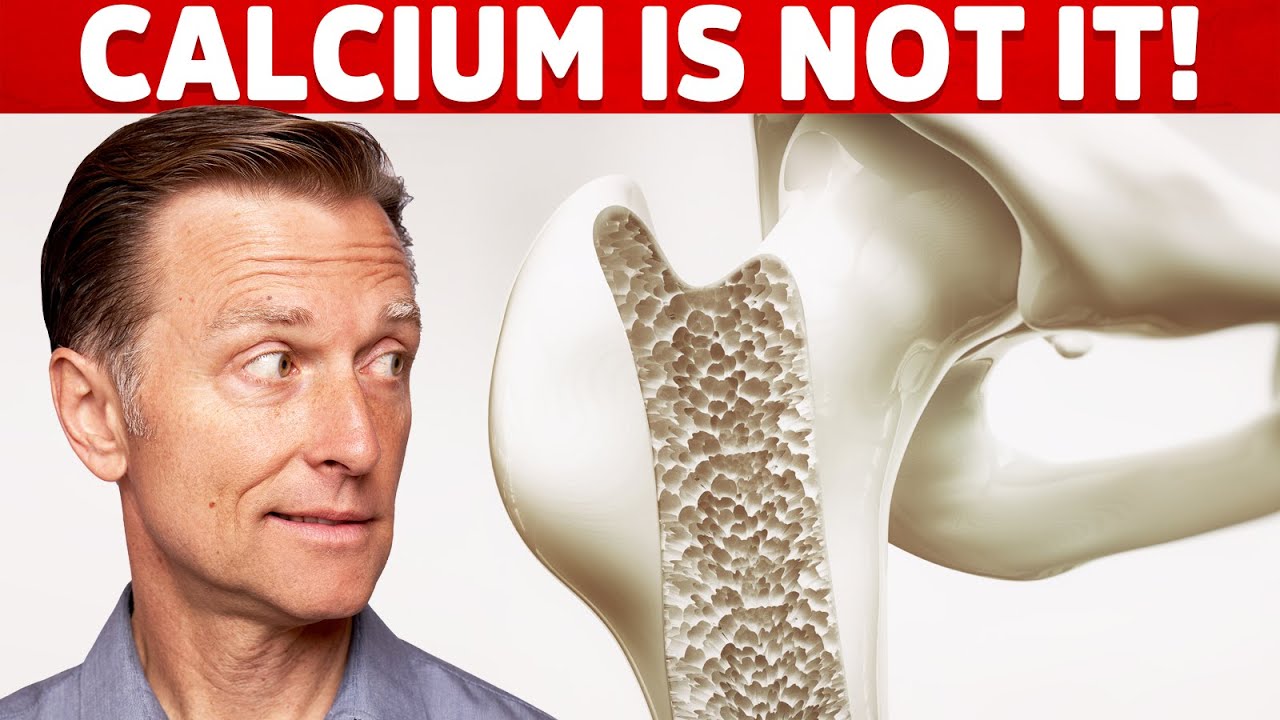
Let's break it down. Osteoporosis is a severe loss of bone mass and density. But here's the key - bone isn't just calcium.
It's a complex structure made of protein, minerals, and yes, calcium too. It's the whole package that matters, not just one component. And there are different degrees of bone loss.
Osteopenia is a milder version of osteoporosis. Then there's osteomalacia, where the bones become soft. In children, this condition is known as rickets, and it's actually caused by a vitamin D deficiency, not a lack of calcium.
So what's really causing your bone loss? Well, there are several factors at play, and you might be surprised by some of them. First up, vitamin D.
This crucial vitamin increases calcium absorption by a whopping 20 times. Without enough vitamin D, you'd need to consume 20 times more calcium to get the same benefit. That's why getting enough sunlight or taking a vitamin D3 supplement is so important.
Next, let's talk about stress. Chronic stress or taking steroids like prednisone can wreak havoc on your bones. Post-menopausal women are particularly at risk.
The combination of high stress (which increases cortisol) and low estrogen can lead to significant bone loss. Digestive issues can also play a role. If you have problems with malabsorption, you might not be able to properly absorb vitamin D, which in turn affects your calcium absorption.
Now, let's talk about a vitamin that doesn't get nearly enough attention - vitamin K2. This little-known nutrient is absolutely vital for bone health. It works like a traffic cop in your body, directing calcium to where it needs to go (your bones) and keeping it out of places it shouldn't be (like your arteries and soft tissues).
If you're dealing with osteoporosis, getting enough vitamin K2 could be a game-changer. It helps make your bones strong and solid, while also protecting your heart and other organs from calcium buildup. So, what's the best way to keep your bones strong and healthy?
It's all about taking a holistic approach. Here are some key strategies: Get your calcium from food, not supplements. Leafy greens and high-quality, grass-fed organic cheese are great sources.
Make sure you're getting enough vitamin D. Spend time in the sun or consider a vitamin D3 supplement. Don't forget about vitamin K2.
It's crucial for proper calcium utilization. Keep your stress levels in check. High stress can lead to bone loss.
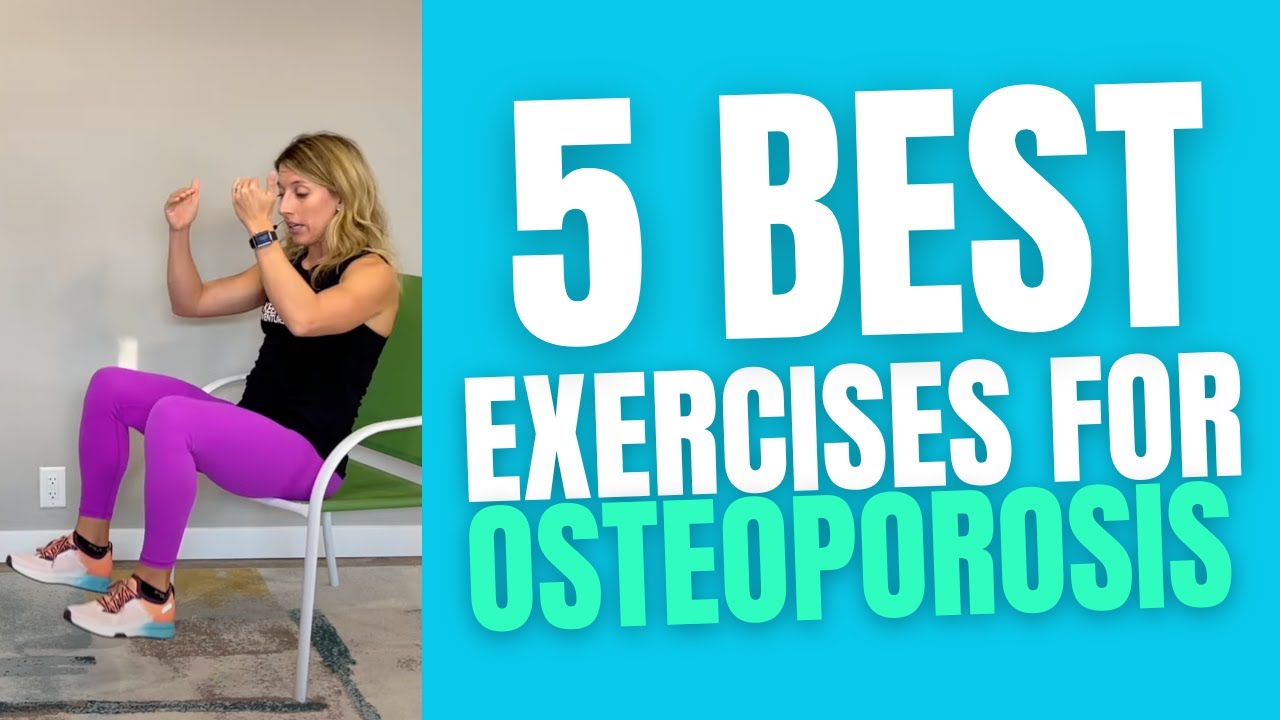
Exercise regularly. Physical activity has been proven to significantly reduce the risk of osteoporosis. Eat a healthy, balanced diet to ensure you're getting all the minerals your bones need.
If you have digestive issues, work on improving your gut health to ensure proper nutrient absorption. So there you have it, folks. The truth about osteoporosis is out.
It's not just about calcium, and those calcium supplements might be doing more harm than good. Remember, your bones are complex structures that need a variety of nutrients and the right lifestyle factors to stay strong. Thank you for watching, and here's to your strong, healthy bones!
Don't forget to like, subscribe, and share this video with anyone you know who's concerned about their bone health. Stay tuned for our next video! Until then, take care of those bones!