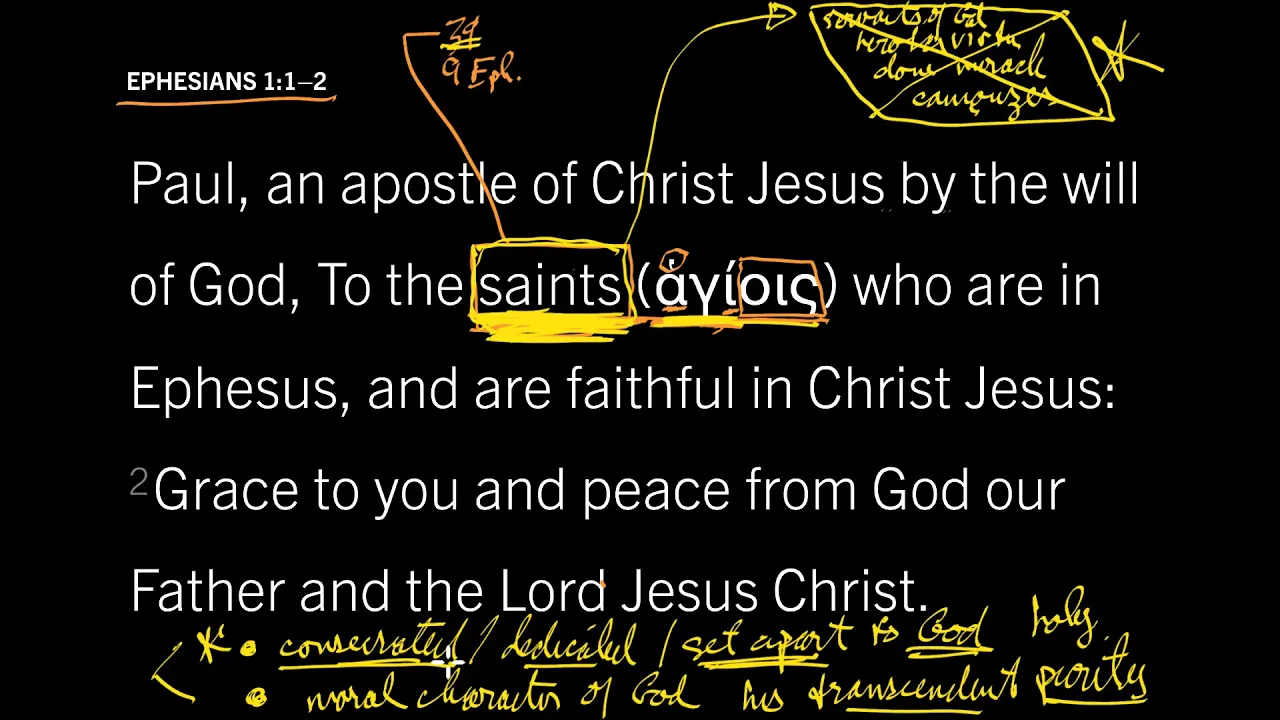
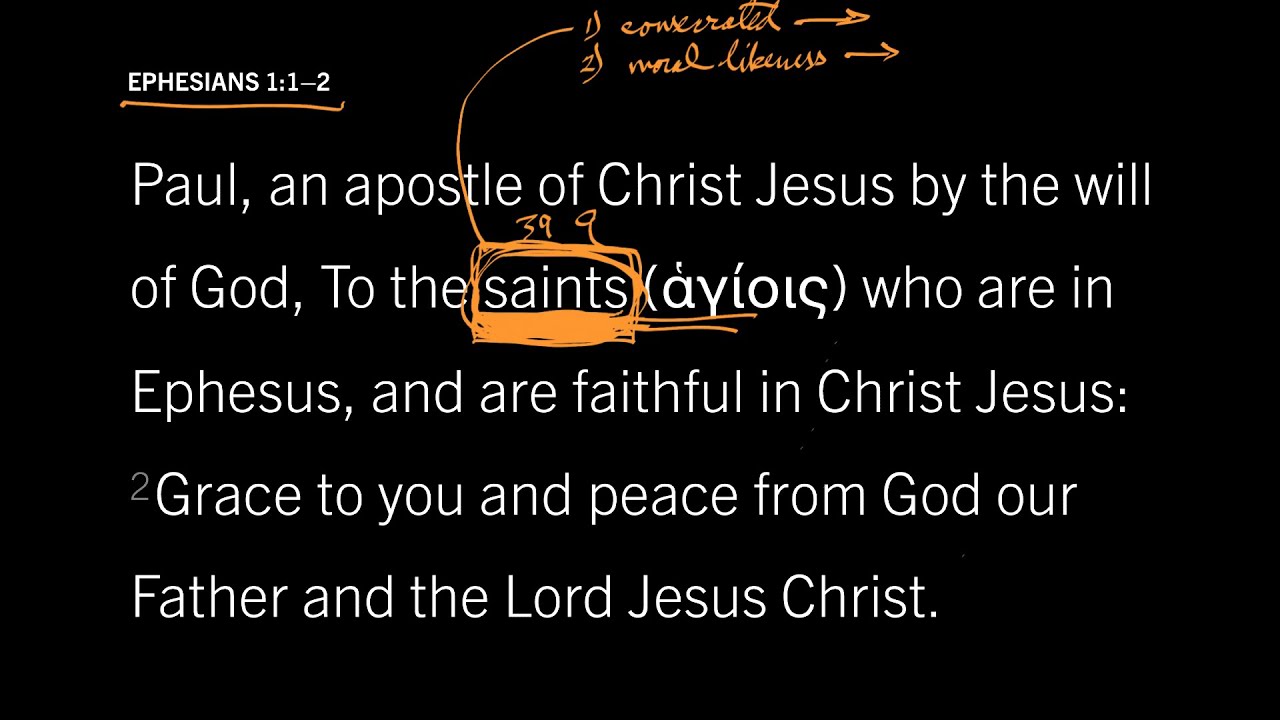
[Music] in this fifth session on ephesians one one to two we focus on the word saints and there's the the greek teach you a little greek along the way alpha looks like an a right and that little mark is a rough breathing which makes it sound like an h so this is ha this sounds like it's a gamma pronounced gu hog this is iota pronounced e hoggy and then this is the ending which tells you whether it's masculine or plural or plural or singular masculine feminine or neuter so there you go now you know some
some greek and by the way i don't know how old you are or where you live but uh william bradford the governor of the plymouth colony that founded uh america and uh in 1650 when he was 60 years old decided to learn hebrew i just tossed that in for a little extra incentive that really some of you no matter how old you are no matter whether you're a pastor or a homemaker or teacher or plumber you might want to learn greek and hebrew just to get closer to the original language okay enough of that paul
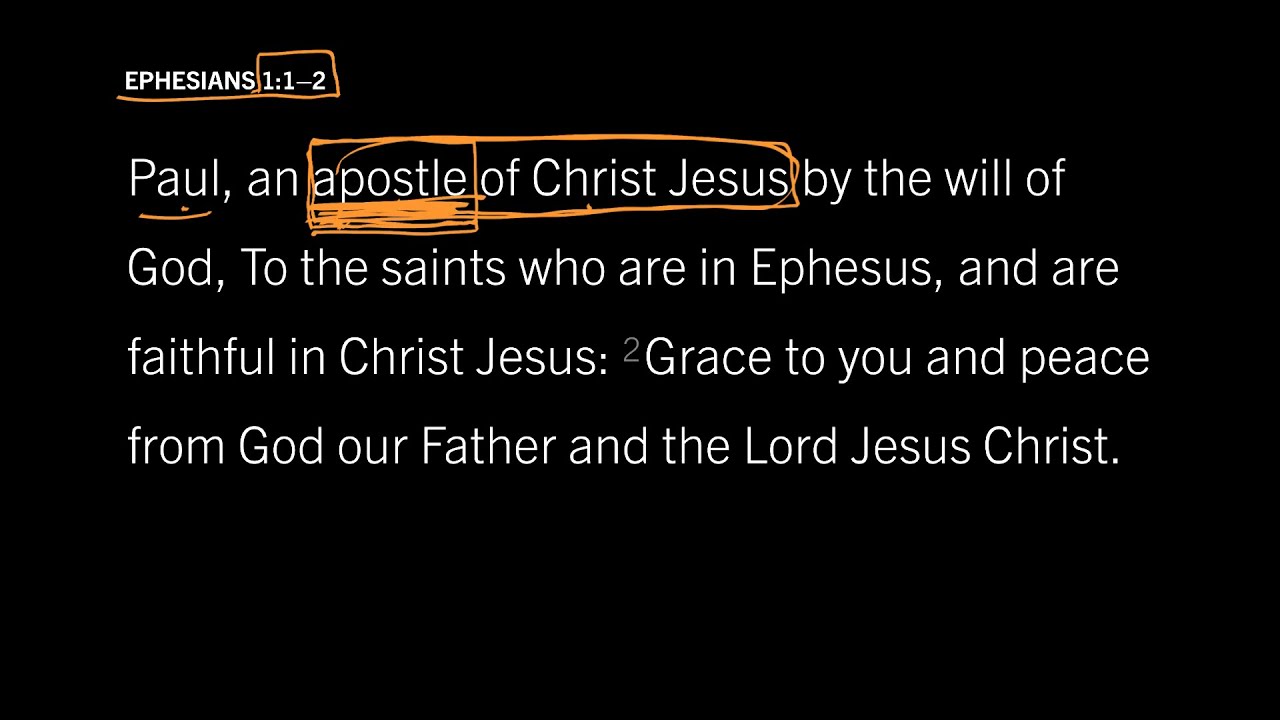
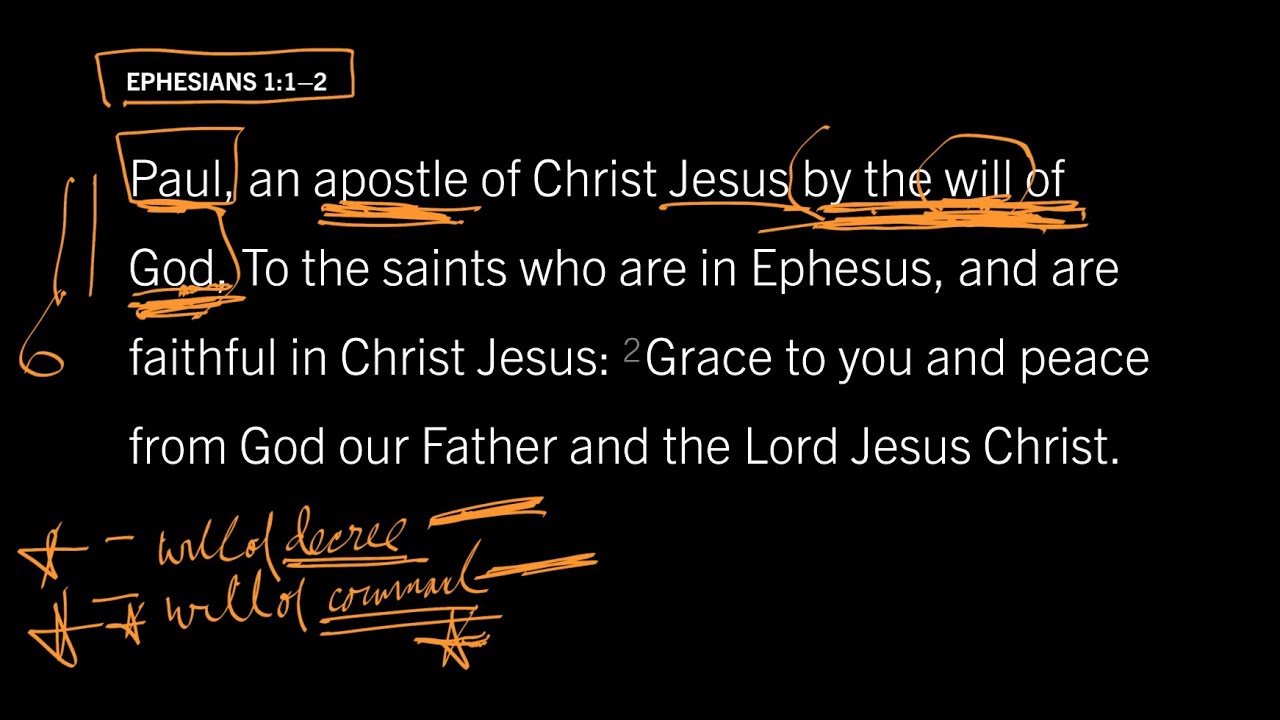
an apostle of christ jesus by the will of god to the saints who are in ephesus and are faithful in christ jesus father as we focus on the meaning of saints and why in the world paul called christians saints more than he called us anything else show us why that is lord what does that mean for us i ask this in jesus name amen so it really is astonishing right 39 times in all of his letters paul calls christians saints this is his favorite word for christians more than any other word paul never uses the
word christian to refer to us he uses saints nine times in ephesians he uses this word saints to refer to to christians why is that and by the way before we tackle um why it is and what the implications are for us perhaps i do need to make the case that this is not this is not any exalted status i think the roman catholic church has confused matters terribly by using the word saints to refer to people who are they say they are servants of god they have heroic heroic virtue they have done at least
one miracle and then after they're dead the church canonizes them now that is a class of saints and they they know that i mean the roman catholic church knows that this word right here refers to all christians i'm not saying they don't see that they do but they have taken the word saint and they have applied it to this special class of people so that millions of people are confused about this and you say well i'm no saint well if you're a christian you are so just know that there's no biblical warrant no biblical basis
for elevating a class of christian saints to a higher class and calling them saints i don't doubt that lots of people are more holy than i am and i hope they get more reward in heaven than i do i do expect that they will but there's no biblical warrant for using the word saint for a special category and just just to show you that here's chapter four christ gave the apostles the prophets the evangelists the shepherds our pastors and teachers to equip the saints for the work of the ministry for the building up of the
body of christ i i put that in here just to show that the saints are not this special extraordinary high and holy group above others the apostles are above them the prophets are above them the evangelists are meant to serve them the shepherds serve them the teachers serve them all to help ordinary folks called saints be equipped to do ordinary ministry every day that's the biblical way of using the word saints so our question is why did paul choose this for his most ordinary designation of all followers of jesus all christians the word hagios or
that stem hoggy holy has two connotations one is consecrated or um you could say dedicated or set apart to god and this consecrate dedicate set apart to god was used by religions other than christianity in the old pagan times prostitutes who worked in the temple were called holy not because of their moral character but because they were set apart to the false god so to be consecrated as a prostitute and dedicated to the false god was to be holy so that's the the first meaning of holy set apart to god then when when the hebrews
took this over and when christians took this over then it meant consecrated dedicated set apart to the true god not to the false god so we are we are saints in that we are called out and set apart for god we belong to god we're consecrated to god here's the other connotation because of this consecration to god we take on the moral character of god his let's say transcendent purity we're going to talk about the holiness of god next time so that you can see how massively important it is that we are called holy as
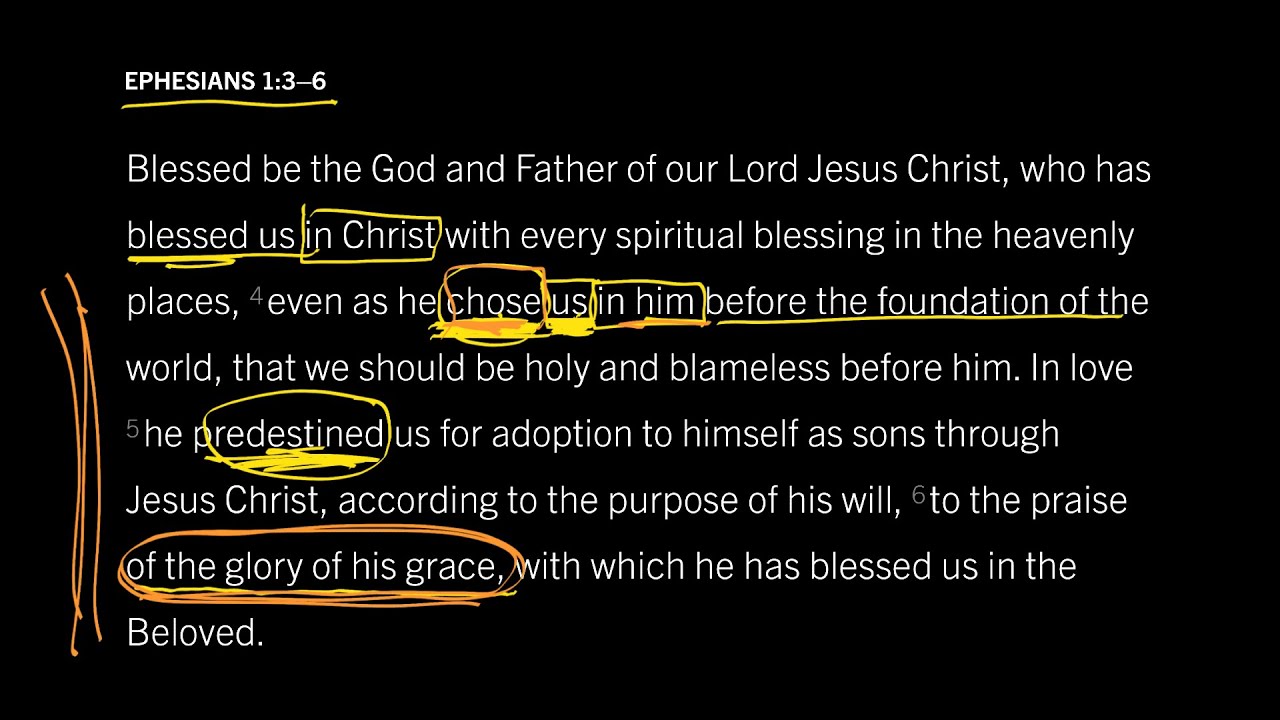
the most fundamental definition of a christian in paul's way of naming us so whenever you see the word saints for christian all 39 times there's a sense of these folks are consecrated to god and these folks in their consecration to god are becoming morally like god in his transcendent purity let me show you that so you know i'm not making it all up christians are chosen and saved for that uh holiness here it is in 1 3 and 4. blessed be the god and father of our lord jesus christ who has blessed us in christ
jesus in every spiritual blessing with every spiritual blessing in the heavenly places even as he chose us in him before the foundation of the world that we should be holy and blameless you can see the moral character here going along with holiness is not merely set apart in a consecrated way to a god but rather set apart yes consecrated yes so that we are holy and we are chosen for that so this is a fundamental reality that paul's going to describe in just a few verses when we get there we have been chosen before the
foundation of the world i mean how how foundational can that be in our identity if we are chosen to be holy that is set apart for god and having his character and here it is in chapter five where we have fallen we're sinners we're not holy how do we become holy husbands love your wives as christ loved the church and gave himself up for her for the church so christ christ gave himself up for the church so this is not election this is not choosing this is salvation god chose us to be holy and now
he's doing something in christ to make us holy he gave himself up for her the church that he might sanctify hagiase the verb of holy make holy sanctify her having cleansed her by the washing of water with the word so that he might present the church to himself in splendor we'll talk about that next time without spot or wrinkle or any such thing that she might be holy and without blessing those exact same words as in chapter one here he chose us to be hagus and ammo moose translated blameless here but here translated without blemish
but same word among us so here's what we can say in chapter 4 verse 24 paul says put on the new self created after the likeness of god our new person created after the likeness of god through the death and resurrection of jesus in true righteousness and holiness that's a different word but the idea of being conformed to god is true nevertheless so we are chosen to be holy and blameless we are christ died to make us holy and blameless and therefore paul calls us holy people saints because in eternity we were chosen for this
in the incarnation redemption we were died for for this holiness is the stamp of our character both in the sense of being absolutely set apart for god and not for the world and taking on the moral character of god now next time we ask so what's the moral character of god and what does that imply for our holiness in other words we'll pick it up here where we are created after the likeness of god in righteousness and holiness [Music]











![The Rachel Maddow Show [9PM] 2/28/2025 | 🅼🆂🅽🅱️🅲 BREAKING NEWS Today February 28, 2025](https://img.youtube.com/vi/0NTVdRAHyyQ/maxresdefault.jpg)