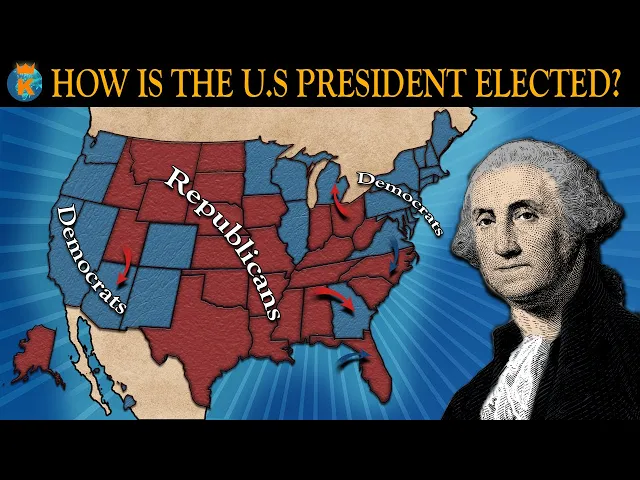
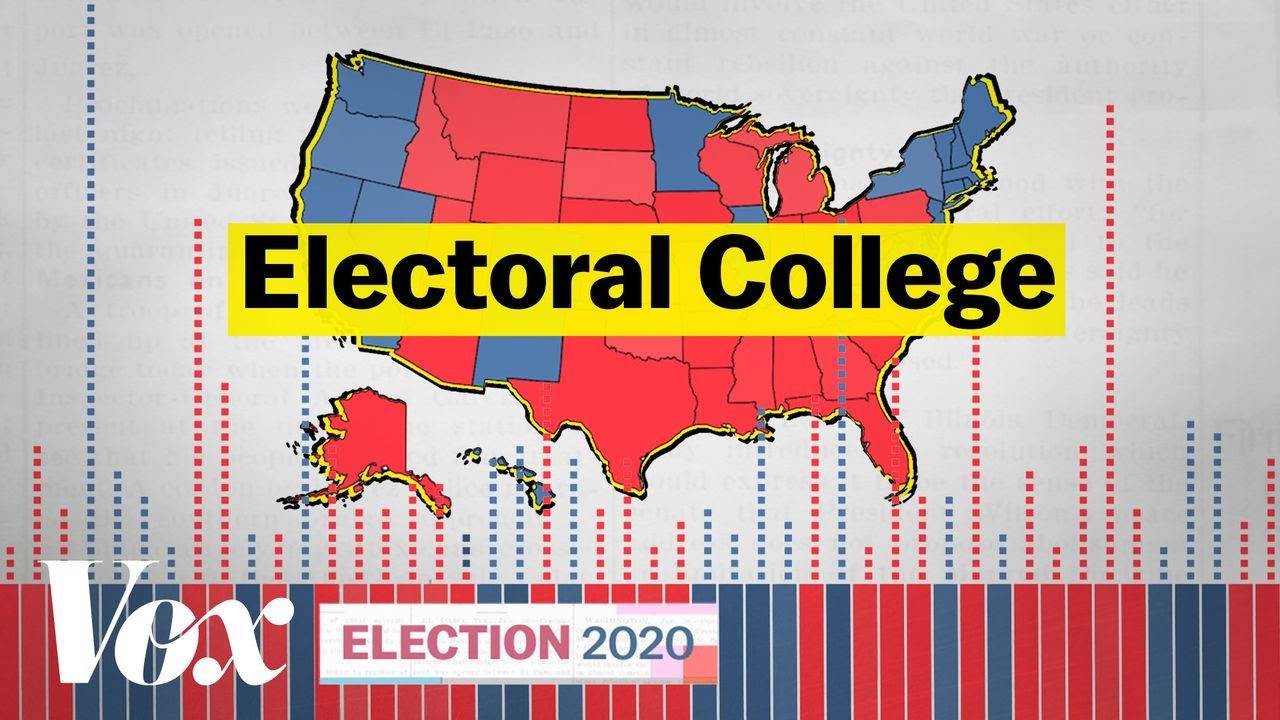
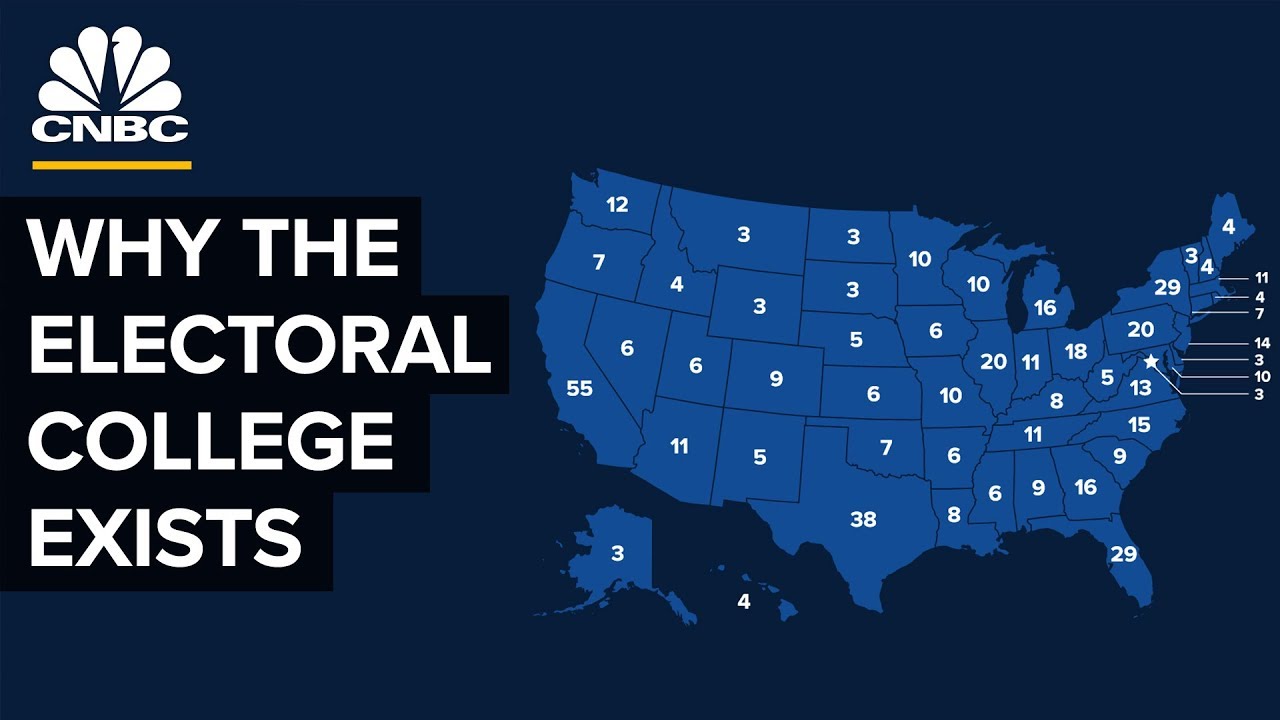
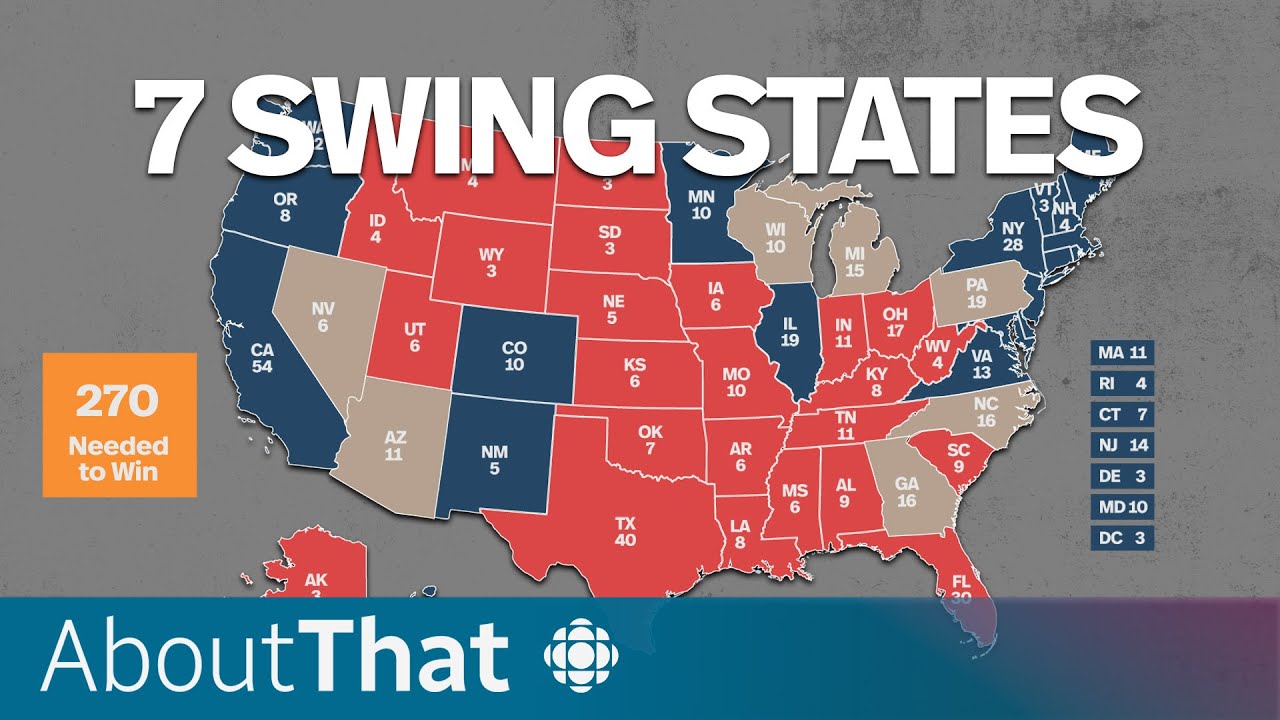
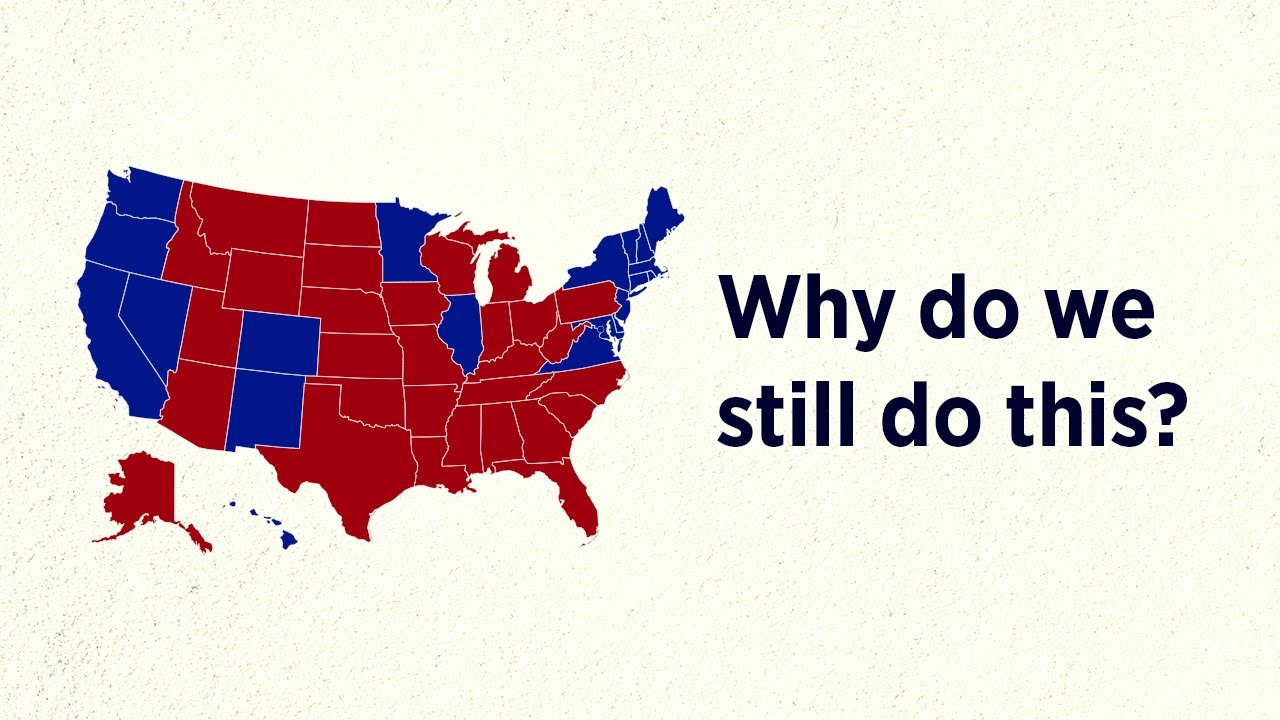
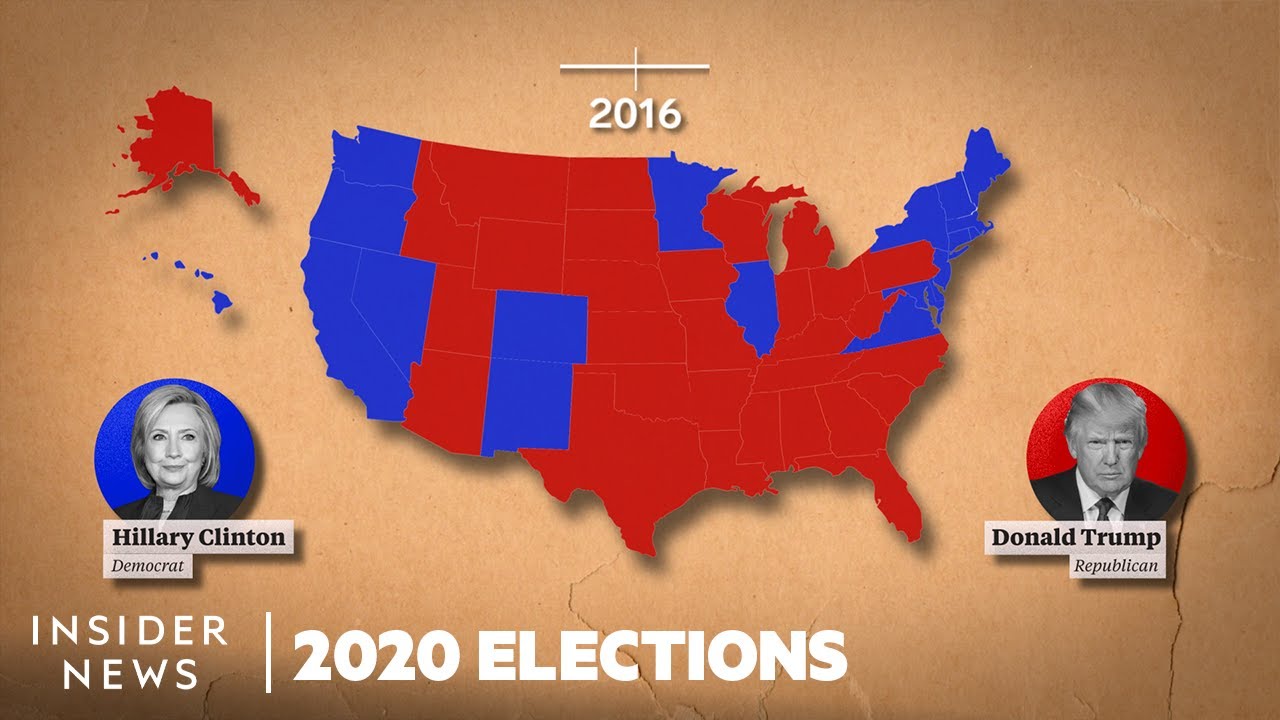
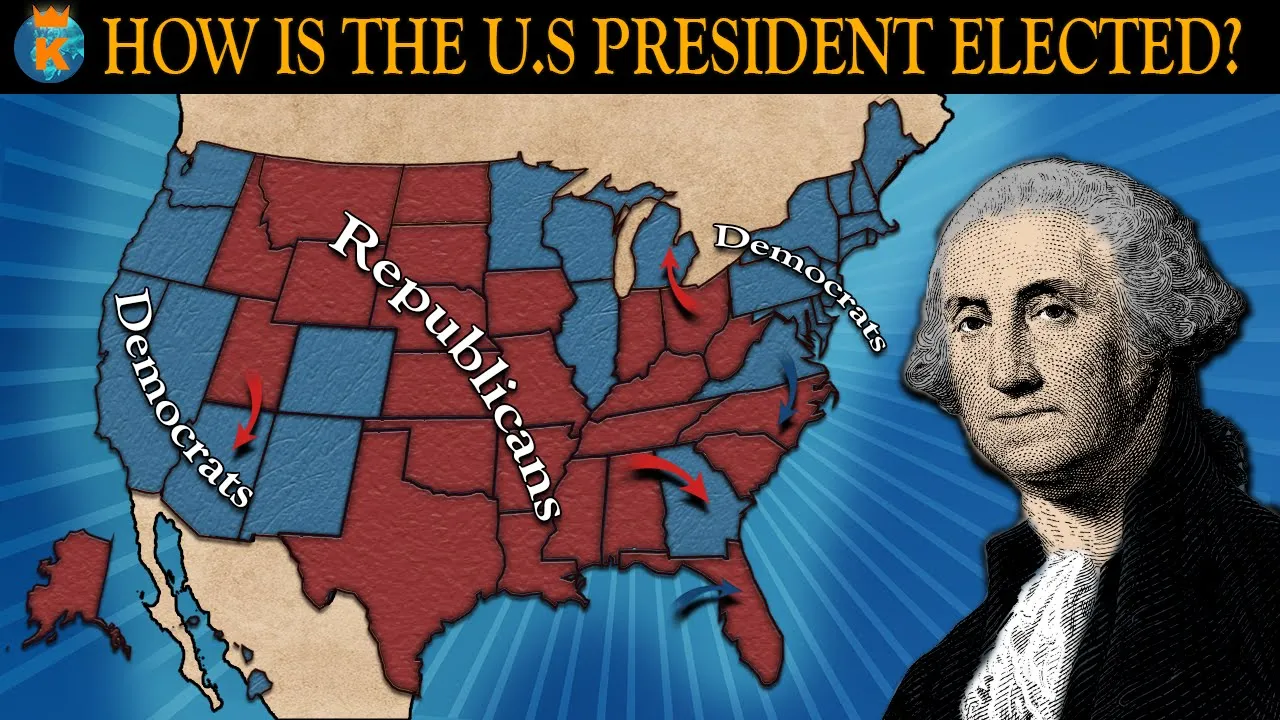
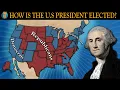
the us presidential elections have become a spectacle for people in america and across the world every four years the american people choose their next president through a seemingly simple process but the truth is actually much more complex than it appears does the popular vote determine the president is it the electoral college that decides how is the president of the united states elected before a u. s president can be elected candidates need to go through a process that is referred to as the primary elections and caucuses the main difference between the primary elections and caucuses is that the latter is run by state parties meanwhile the former is controlled by state government in state primary elections voters cast their ballots much like in the general election in favor of who they wants to be the party's nominee who can vote in these primaries depends on whether it is an open or closed primary state in an open primary state both party voters and unaffiliated voters can cast their ballots in a closed primary state only those who are registered to the specific party are able to vote for a nominee in contrast with the primary process the caucuses occur quite differently state parties essentially hold meetings usually lasting a few hours and at the end take a vote amongst the attendees to see which potential nominee is preferred the primaries tend to attract a wider demographic of voters due to the less time-consuming structure and easier way of voting whereas the caucuses tend to only attract voters who are very strongly politically involved still some states choose a caucus over a state-funded primary because it allows the state party to pick their own voting date and general rules either way both the primaries and caucuses begin at the start of an election year and play a significant role in determining each party's nominee for the actual presidential race the results of the pre-election proceedings play a direct part in the decision that each party makes as to who will be their official candidate for the presidential race generally the number of votes that each candidate receives will decide the delegates that are chosen to attend the party's national convention at the national convention these delegates do a final formal vote to determine the party nominee the vote should ordinarily reflect the candidate who received the highest number of votes from the primaries and caucuses but if there was no clear winner from the earlier method then the delegates will pick the nominee themselves once both parties pick their nominees the real presidential race begins of course the democratic and republican parties are not the only political parties allowed to be involved in the united states elections but they are the two main parties and the minor parties such as the libertarian and green parties rarely have any relevance in american elections subsequently once nominees are chosen most of the country begins to decide whether they will vote in favor of the democrats or the republicans candidates will host rallies and other events make tv commercials and blaze the campaign trails during this time as the election draws near the democratic and republican candidates will also participate in a series of debates as will their vice presidential running mates whom they had chosen back at the national conventions these debates are televised nationally and give the american voters a chance to see both options answer hard questions about their politics and plans should they win the white house finally election day rolls around every four years on the tuesday after the first monday in november although many people wait to cast their ballots in person on this day numerous states have options for early voting whether it be in person or mail-in ballots so technically voting can begin a while before the actual election day and as demonstrated in the 2020 election ballot counting can last well beyond election night in terms of how voting works that is where things can get additionally complicated due to the electoral college many people are under the assumption that the candidate who wins the popular votes meaning the one who has the most ballots cast in support of them actually wins the election and becomes the next president of the united states while that seems like a valid assumption it is actually incorrect the popular vote does matter but really only to a certain extent a presidential candidate wins not through the votes of the people alone but through the accumulation of 270 or more electoral votes this is where the electoral college comes into play the electoral college is made up of a group of electors split amongst all 50 states and washington dc the number of electors that each state holds is determined by the number of members that state has in congress california for example has 55 electors whereas alaska only has three as for who becomes an elector the rules for those selections also vary by state furthermore the laws that determine how electors must vote also comes down to what state governments decide as the constitution fails to cover this in dc and 48 states all but nebraska and maine the electors must vote in favor of whoever wins the state's popular vote for that reason when the ballot tallying begins we will see each individual state counting their own ballots and determining whether their citizens went red or went blue this is why some states such as california again are referred to by many as a blue state it simply means that the popular vote in those states almost always if not always goes in the direction of the democratic party this process is also why many republican voters in predominantly democratic states and vice versa often feel that their votes do not count still the nationwide popular vote is counted even if it is more or less pointless because winning the popular vote will not give a candidate the presidency a perfect example of this came in 2016 when hillary clinton won the popular vote around 66 million to around 63 million but donald trump beat her in the electoral vote which came to 304-227 in the case that no candidate receives a majority of electoral votes the house of representatives would choose the next president while the senate would choose their vice president although this did happen in the 1800 presidential election the 12th amendment had not yet been created which made the situation slightly different at that time the winner of the electoral votes would become president and the runner-up would be their vice president when thomas jefferson and aaron burr tied in 1800 it put all the power in the hands of the house of representatives seeing the flaw in their system the states decided to split the power between both sections of congress through the 12th amendment jumping back to the modern day election process it technically does not end after the events of election day even though due to the state laws we essentially know how the states and dc will cast their electoral votes it technically does not happen until mid-december additionally any recounts or court disputes concerning the results of the election at a state level must be resolved before the electors cast their official votes at the start of january congress comes together to count the electoral votes and assuming that one candidate reaches the minimum winning number of 270 the president of the senate formally announces who will be the new president of the united states inauguration day then falls on january 20th via the constitution which specifies that a president's term begins at exactly noon on january 20th after each election the ceremony is presided over by the chief justice of the supreme court and is usually attended by any living former presidents as the outgoing president welcomes the president-elect into the white house before the latter takes his oath of office by 12 pm that day the united states officially has its new president aside from the lengthy process of becoming the u. s president there are also a few requirements that determine who can even run for office for one the president must be a natural-born u.
s citizen a citizen alone will not qualify if they were not born in the united states a second requirement is the age of the president who must be a minimum of 35 years old they also must be a resident of the united states for a minimum of 14 years these qualifications were laid out by the constitution back before george washington took office and remained the same over 200 years later although some minor details of the election process has changed over time as well as the ratifying of the 12th amendment the method of electing a u. s president has stayed fairly consistent due to its inclusion in the constitution the road to the white house has never been as simple as it appears to be at first glance to some but it serves as a thorough and effective process nonetheless currently there is some debate as to whether the electoral college should be reformed or even eradicated allowing the popular vote to directly elect each new president alone but since the existence of the electoral votes was established by the constitution another amendment would be required and more support for the idea would be needed still only time will tell what the future holds for how the u.