are you beforehand yeah it's recording the reality is like we sold our company because the company was yeah I grew out of money this is why you really sell your company you made something good and then you're not growing you can't raise more money the company's gonna die yeah but sadly what's happening is you always get approached when your company is growing doing super well and you don't really need anybody and that's the time that's probably the best time is so that's the classic process the conundrum it's okay though this video is to help you
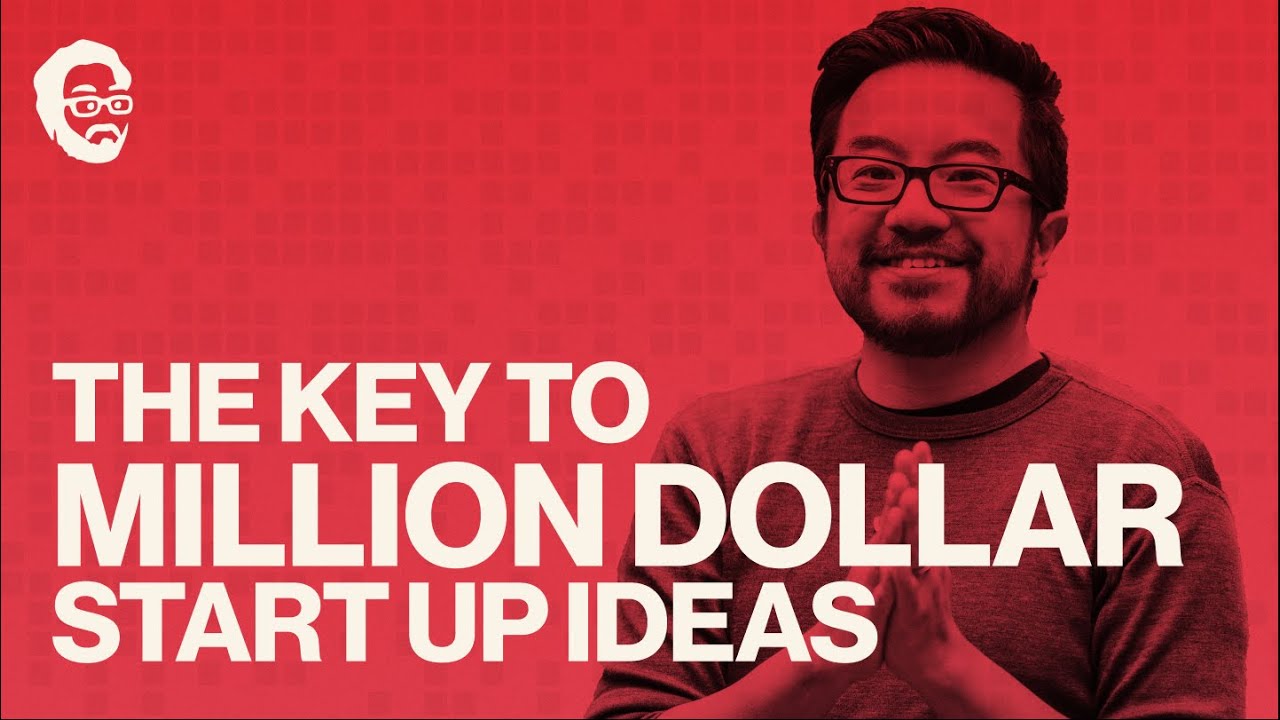
figure out how to absolutely get it done and remember companies are not sold there but [Music] welcome back guys this week on our channel we're talking with my partner and really we're talking about M&A how do you actually get your company sold for millions of dollars and not make millions of mistakes in the process my startup Posterous got sold for 20 million dollars to Twitter and my startup Jam legend was bought by Zynga part of the IPO and turn money to investors and then we made money in the IP auction so Sam here I think
it's safe to say I'm pretty happy about the exit that we got it wasn't quite what I hoped for I really wanted to make something for a billion people and we didn't quite make it but on the flip side our employees make money our investors made money and we learned a lot about this craft of making startups yeah and I think as we've seen more with our portfolio we've seen a number of different types of acquisitions not just the ones that we experienced but all types of different activations and I think that our founders have
asked us a lot of questions and we keep on giving the same advice so we thought we'd share with the rest of the community what are the types of acquisitions right what are the types of acquisitions that we see what what are the ones that pay more what are the ones that pay less so I think there are three types three types are pretty easy and these are an order of I would say highest purchase price and the lowest purchase price so the first type is called a strategic threat so what that is is a
company is their existence and their motive work is a threat to an incumbent within the market a good example of this was when YouTube was bought by Google for like a billion dollars hi YouTube this is Chad and Steve were the cofounders of the site and we just want to say thank you today we have some exciting news for you we been acquired by Google so Viacom was also in the running for that and Viacom saw YouTube actually as a real threat to its business they couldn't sell tables to Christians it would change the way
their advertising business works because now people could easily be able to get personalized video delivered to them via the internet so that's a strategic threat something that fundamentally changes how industries evolve so most of the companies that we work with our companies that we believe can change industries so we want them to be strategic threats because that means that they will be bought or better yet is they IPO and they just crush their competition the second type is what we call revenue generating I'm a good example of this might be when Guitar Hero was bought
by division for about a hundred million dollars the CEO at the time knew that if he threw in a bunch of marketing into guitar here he would make more money than the actual than the actual purchase price so that is for us a very simple one which is basically I'm buying this company in order to generate more than I paid then the last type is what we call team and talent acquisition there is something that is focused on the tech or within the team and the company wants to purchase that because it's going to help
them either strategically it's gonna help them add more engineers for example one example of that would be when Salesforce bought clipped but they really wanted the tech and talent of Brett was formerly the CTO of Facebook but in addition to that there was some some technology built there and quit was pretty useful as Salesforce starts to think about what are the other offerings they want to have as an enterprise company it really is some bigger company that has something to protect sometimes a moat or a new business line that they really want to own that's
the moment when they decide to go out and buy a company so the old adage I think rings true that companies are bucked they're not sold when your startup was about to sell what was the sort of market landscape or was the situation at the time for Posterous the crazy thing was that we had been growing really really fast for two years straight and then we stopped growing Instagram came out Oh interesting so yeah we grew very quickly off of a totally new technology a new platform and a new set of behaviors and when Instagram
came along it actually flatlined our growth apps had not really been rolled out yet there's sort of primitive iOS apps the best photo sharing apps have not really started yet the easiest way to get photos off of your phone was actually to email what were the do you think were the hopes and fears of the company at the time so at the time we had to figure out how to pivot like you know we knew we had committed user base we knew we had made something that millions of people were using at the time the
company chose to become a private group sharing and that's actually when I left go work at Y Combinator if you don't have some other network to grow off of there wasn't going to be that validated how about for you when did you decide to sell Jam legend so effectively what was happening was we had we'd started doing a lot of social games we were really wedded to the world of music games and I sometimes wonder if we had not been wedded to music games whether we could just build a social gaming company and had it
become you the next thing or any of our other friends companies like Cabana you could have kept making new kids rights but you had the initial game first that's right at the time Dinka had surgeon what would they like to call fast follows what they would do is they would find a game it was rising up in the charts and they would just immediately copy the the company and they would copy the game split it out when I could meet month or two and then and they were doing pretty well as a result of that
and we saw basically gobbling up a lot of talent we we thought that was a big change was happening with it within the within the market at the time was the growth thing I mean for phosphorous it was definitely you know crazy outrageous growth growth to the top 200 on the internet anyway and suddenly it stopped and that's how we knew that we weren't reaching we weren't continuing to scale product market fit yeah I think it was similar to us we were we grew virally quite a little huts for like CNN web we're like 100
we're in the Lexx of 100 it was I mean that's a big top 100 that's really impressive yeah there's nothing more powerful than having viral growth maril growth just on its own is it's just a sight to behold yeah we started flatlining we could make better bigger better social games but at the time the cost of production was starting to increase so unless we raise another round of funding at a significant clip we would be competing against a huge number of other gaming companies and this is hard I mean I think this decision is really
hard when you're sitting down we have these couch moments where we can sit down and on our couch and then we talk amongst the co-founders and ask hey who is this is this worth it is what we wanted to you want to have an independent company well I want to you know it's a serious moment yeah do well financially or is it that you know we shouldn't be surrounded by really smart people we want to IPO and I think the thing is the choice was never to take an offer because there wasn't one in front
of us the choice really was do we want to potentially talk to people who've asked us who wanted to potentially acquire us so we did everything we actually met with a couple different companies one number in Seattle we met all the big companies we got offers from a number of them I mentioned we ended up in Zynga because I think it fit correctly that with our contours of things that we cared about we wanted everyone at the team to have a place we wanted to make sure that our investors got something we want to make
sure that our team was was taken care of because we were just you know been working pretty hard for the past couple of years and wanted to see the opportunity to grow ourselves and potentially have a parent I think a lot of people who were baptized and you had the IPO was coming along and it was imminent right was like basically in a year or two a year and a half the the IPO would just happen when should they even be having these types of conversations right they raised money from us they raised money from
the series a their Series B even their Series C right at what point should they even be doing this assessment I mean this is a really you know sort of personal question right I can only tell you what I would do if I were to the founder the magnitude of outcome that can happen when you have product market fit and you have a clear path to building something really great is just so obvious and so tantalizing that that's always my plan a it's so hard for founders to even get to product market fit but if
you don't have product market fit yet you don't have anything to sell basically have the team that you build and that's it and so that's purely equi higher territory and the reality is you can just go get jobs that these big tech companies like you know if that's what you want just go do that instead early on pre-series a it's almost always exactly the right thing to just focus on product and market and you know getting your product out there and then the only time I would really start thinking about it is if I'm managing
risk every time you need to raise when you are not default alive and I'm gonna link in the description to Paul Graham's essay about being default alive or default dead if you are not default alive the life that the future of your company is not in your hands right then that's okay right but you're trading off growth for safety at every sort of journey from this you know from the proceed to C from C to a from Series A to series B you you will have built product you have built a set of customers you've
built recurring revenue sometimes with negative churn which would be all these things are really powerful real aspects and at any given point those things whether it's your team or your product or the customer base that you've built is valuable to someone else and so if you're looking down the road and you think you're gonna ran out of gas before you get to the next gas station or the gas station might be closed for you that's when you need to think about M&A because you need to take care of your employees you should take care of
your investors you should take care of yourselves right like as founders you own so much of this business it's it's ok to sell your business yes in a way actually and it's such a personal decision and it hurts I think everybody need to recover from that there was this whole point of this like you feel like a fraud or you lose confidence because you set out to do this one thing but you're not even there you're like a midway through right and I think that that's that's probably one of the most difficult problems is that
great entrepreneurs are able to stare into the abyss and the abyss will stare back and you just have to not fault it what we do it initializes we use a four-step question process that we took from a tool go on from his book being mortal it actually is usually used in counseling around end-of-life care similarly one asked the same questions when they're dealing with the startup so in this case we asked really four sets of questions the first one is what is your understanding of the situation and its potential impact that means understanding what your
one weighs like what is the market landscape look like all those different factors the second question we asked here what are your hopes and fears and the reason why we asked about hopes and fears is you're a combination of people and founders themselves have hopes and dreams they want for their company it might turn out that the thing that you want to do is put still continue pursuing your vision but because the market has changed it makes for you to team up with someone else the third question we ask is what are the trade-offs that
you're willing to make and not make again what are the trade-offs that you're willing to make and not make and that's a tough one because for a lot of folks they care about certain things whether it's I care about my salary or I care about what I'm doing or I care about the people that I'm surrounded with or it's not just the people I'm surrounded with they just don't ever want to move to North Dakota nothing gets North Dakota great people there those are questions that we need to help answer to understand the contours of
what it means to go and do an M&A and the last and probably most important question is then what is the course of action given this understanding and that helps us then for me to formulate a plan so with those four questions that's how we dive in and more importantly should help you evaluate whether you want to go ahead and sell and what you want to do with your company for a lot of folks the first place that go and start is level setting where your situation is so in that case what that means is
knowing things like your metrics your annual recurring revenue rate your runway burn debt that you might have that this turns out to actually be a really big issue another one is talking amongst your co-founders to figure out what is the situation between amongst the co-founders and the leadership are there certain people who are brilliant who you're just like oh this engineer is really really important for the product and we need to keep them but honestly everybody hates working with them yeah and then back to kill companies yeah and I think we've seen some times that
happened as well where somebody holds up a deal because that person isn't on board we're trying to understand sort of what's the employee temperature especially if you're gonna be aiming for like the talent and tech side you need to get a sense as to whether your company or your employees or in on that so if you've decided - based on your runway your hopes and fears we've already talked about the trade-offs you want to go ahead and sell there are many different ways to do that but here are a couple key things that would be
very helpful one is start strategic partnerships especially if you're an enterprise company it's very hard to sell yourself to a larger company if they have no idea who you are and they can't tell you tell the difference between you and app you need to build trust with some of these other companies and the best way to do that is the correct make them be one of your customers or potentially a very good partner the best way to go and get in is never to go through the corporate Development Department no matter how much we love
those folks it's usually actually goes through whoever runs the line-item budget or whoever run that particular team that person is the number one person that you talk to you because they're probably the key champion that you're gonna have who's gonna help you fight against the decision-makers who may not be want to go and purchase the company and probably the two other things that are really important that we don't talk enough about is if you know that you're going to sell and you need to extend runway it's now time to go and increase your sales pull
forward some of that revenue and on the other side instead of just increasing revenue it's also decreasing burn so that means decreasing your costs this might be a hard time but you might need to go and lay off some folks it's not great but if you're gonna cut cut quickly cut deeply and be able to put yourself in a good situation to imma pivot yourself out of the situation that you're in or potentially be able to find yourself in an area where you can extend runway and get more customers so you're in a good position
to sell when it comes down to talent acquisitions many times they'll want to go and interview your employees you want to go ahead and first do interviews with your leadership then do interviews with your employees afterwards when there's significant and true offers on the table many times it is highly disruptive to your team you might be in the middle of a pivot you might be working on things and it's kind of scary to an employee they're not a founder when they start seeing that they're interviewing in another company they get kind of scared because if
it doesn't happen it really hurts them quite a bit because you know they're not the founder they are not built to deal with this type of risk when you were talking to an acquiring company you should talk to them about two different things one get a sense as to who the previous acquisition the previous acquiring acquisition that they've done part of those companies and those and where the contours of those deals ask to speak to some of those previous founders or CEOs or whoever executed on the deal and number two longer doing this in parallel
have a best alternative to a negotiated agreement your your Batna if you will that includes raising money like doing a fundraiser at the same time that includes increasing revenue and decreasing costs and then also think about potentially having more competing offers from other acquirers so gary we've seen a lot of focus not just in our portfolio but generally our friends within the ecosystem what is the number one thing that really seems to just just kill deals like they're about to sign or not very MMA it's almost always people treating their M&A process like another fundraising
process I would say so you know Corp dev and VCS are very different their motivations are very different in the end it comes back to principle agent problem what will get a junior VC at a VC firm promoted is different than will get a Corp dev person at a big big firm of any sort promoted and so you know Corp dev is about not paying too much it's about you know fighting for the deal like that you know they want to get the deal done but not at any price right whereas V C's often have
a stream groupthink and so the more bidders there are the more rabid they are to win the deal at any cost especially if there's a 100x on the other end right none of that dynamic occurs at the M&A Club dev level and then the only other thing is the best alternative to negotiated agreement like always keeping that in mind because if you don't have that actually we've seen Corp dev be extra extremely unscrupulous around that and ice deals fall through always maintain some sort of Batman their entire job is to bring the price of the
deal down but there was an amount that they're allowed to pay and then if they can get that below that there's actually bonus right that's given to them to a certain extent and it's funny because I remember when my angel investor is my previous company over it but challenged and he would cute was the right hand to Barry Diller over at IAC and he would say it was very funny how the two deals that would go really well were ones that were very small because it was like oh we don't really care this is yeah
it's all upside it's all upside yeah and then the ones that were really really really big because those ones were existential strategic threats so I think that's one of the best things about tech startups is that as long as you build something valuable even if it doesn't work out exactly the plan there's still a way forward and you know a way forward that allows you to take care of all the people around you I hope it helps and more importantly is we wish you the best of luck as you go through your M&A process and
sell your company for millions [Music]




![NEVER Say This To An Investor [9 Things]](https://img.youtube.com/vi/9yZsTCoEzZk/maxresdefault.jpg)