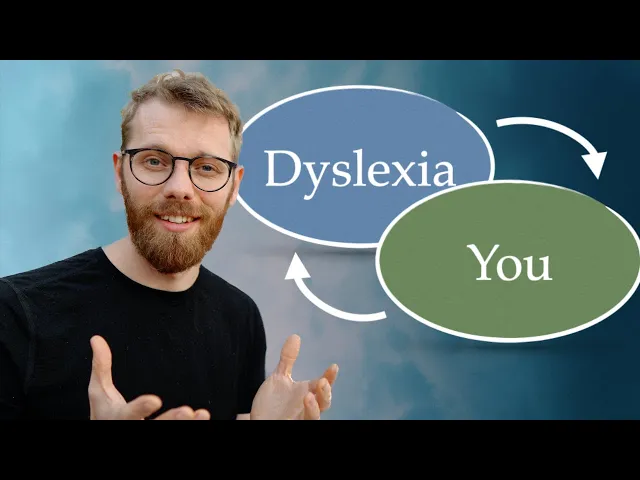
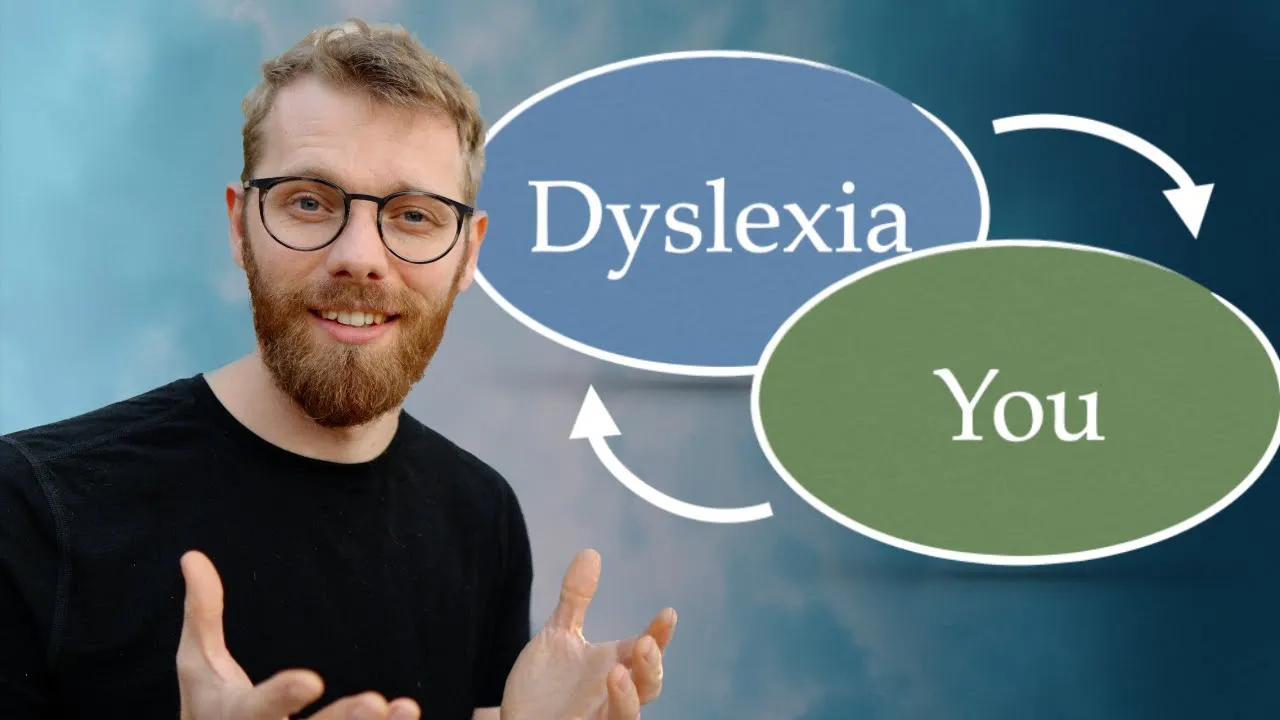
let's discuss the ongoing impact of Dyslexia in adulthood because just because we're out of the education system does not mean that our dyslexia doesn't affect us anymore what I want to share with you are things that I've learned from the last two years that I've been doing one-on-one coachings with dislexic adults and I combined it with a concept from learn therapy which has been truly eye openening for me we can use this Theory as a map to understand the Vicious Cycle that dyslexics tend to struggle with we're going to start by taking a look at
the typical childhood experience with dyslexia then we move on to adulthood and we see how these patterns change and how some of them actually also remain the same so let's start with the childhood experience the interaction between the social environment and the performance area is the beginning of her cycle and the important players in the social environment are the parents and teachers so the teacher gives it a task to the student like for example read this book until the end of the month and because of the dyslexia fundamental skills necessary to complete the task are
missing so that means that the results are worrying in the scenario the teacher is in a dilemma because they have a responsibility towards the entire class as a whole and they have a responsibility towards the individual student this problem is hard to solve but it does mean that dyslexics often end up with tasks that are inappropriate for the level that they're at all of this influences the relationships that we dyslexics have with our social environment because teachers and parents are worried they often exert pressure on us dyslexics and punishments are common this study found in
fact that if you are dyslexic you have around a seven times higher risk of experiencing physical abuse the different ways dyslexics tend to react to the punishment and the pressure one way is to start to push back and officially in the model that we're dealing with this is classified as deconstructive Behavior that can show up in the form of aggression General mistrust or other behaviors that are difficult to deal with if you put yourself in the shoes of a dyslexic you will realize that there is very little reason for you to trust a teacher that
has consistently given you tasks that seem unsolvable to you you might also realize that these dyslexics are desperately trying to protect their self-esteem overall it's fair to say that there's typically a lot of tension between the social environment and the dyslexic if the negative reinforcements keep piling up then at some point the performance area itself so tasks that have to do with reading and writing will start to create anxiety and feelings of Shame and other negative emotions a result of that might be that the student says to him or herself well let's not do this
let's not do the homework let's not go to school uh because all those emotions are just too much to deal with and that will then likely lead to to a decrease in performance if we take a look at the big picture we see a vicious cycle we dyslexics got caught in as children and this is important to understand because these mechanisms the remains of this cycle are still impacting us today and that's what we're going to take a look at now so we're moving on to adulthood for this next section I would like to introduce
you to another research article and here the researchers looked at the employment experiences of Australian adults with dyslexia from this article we learned that these dyslexics have a lack of support at the workplace and they say that they're struggling to meet the work demands now interestingly when I ask my dyslexic coaching clients does your employer worry about your work performance then the answer tends to be no they actually seem content with my work so in contrast to the childhood experience we now do see that there is positive reinforcement coming in however it seems like we
dyslexic adults have trouble holding on to this positive feedback because of our past experiences this has definitely been my personal experience and the study that I mentioned before seems to confirm that this is a more General experience while reflecting on this I came up with a theory for why this might be happening to us one way to protect yourself from negative feedback and this might sound a little counterintuitive at first but bear with me is to actually agree with those negative stigment so you say yeah I am kind of incompetent this certainly doesn't feel good
but I have a feel feeling that some of us dyslexics tend to prefer this over being disappointed over and over again if you now want to let the positive feedback affect you you will have to let go of your negative self image because the two contradict each other but this is not possible without making yourself vulnerable for potential disappointment if we now move on and take a look at the reaction of the dislexic towards the social environment we might see that dyslexic adults aren't entirely open about their their dyslexia or about the difficulties that they're
facing in general another common reaction that you might be able to observe in yourself as a dyslexic is a strong drive to prove those wrong that have doubted you in the past so even though we might be receiving positive reinforcement from our boss from our colleagues there might be still a part of us that is reacting uh in response to or childhood trauma and for those of you who feel like talking about trauma is a OV exaggeration I would like to read you this quote this study identified that emotional trauma took place in all participants
and the participants were talking about were of course all dyslexic now let's take a look at the inner dialogue especially when dyslexics are confronted with tasks that involve reading and writing now first what we see is that there are a lot of negative emotions that tend to pop up things like anxiety shame frustration or worry and these feelings are often accompanied by thoughts like you know I should be able to do this or this is just not acceptable that I am not able to do this or maybe I'm just a little lazy or you know
a bit crap at life now as a results you might be seeing patterns of procrastination or also perfectionism or there might be a general feeling presence that you need to give 100 120% in order for what you do to be okay now the study that I mentioned in the beginning concludes its investigation by stating the following we found participants experienced the merid of challenges that included risk of mental exhaustion discrimination limited access to support and fatigue leaving them vulnerable to job burnout I think by now it is clear that our childhood has a significant impact
on our adult lives early experiences shaped the way we see ourselves others and the world as children we develop behavioral and thinking patterns to protect ourselves however these coping strategies that worked well in childhood might be a hindrance to you today so what we really ought to be doing is re-evaluate the old habits that we have and maybe you find that your circumstances are just entirely different today you might find that 80% of your effort can be good enough as well maybe you realize that you could be way more positive about yourself these days and
maybe you've already proven them wrong so now I would be super interested to know if what I talked about resonated with you so let me know in the comments below and before I talked about perfectionism and procrastination I already made two videos about those two topics so you can watch those over there and um yeah I see you in the next video bye