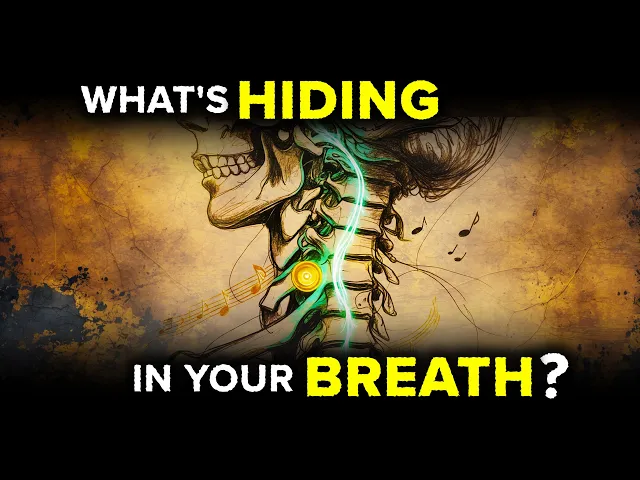
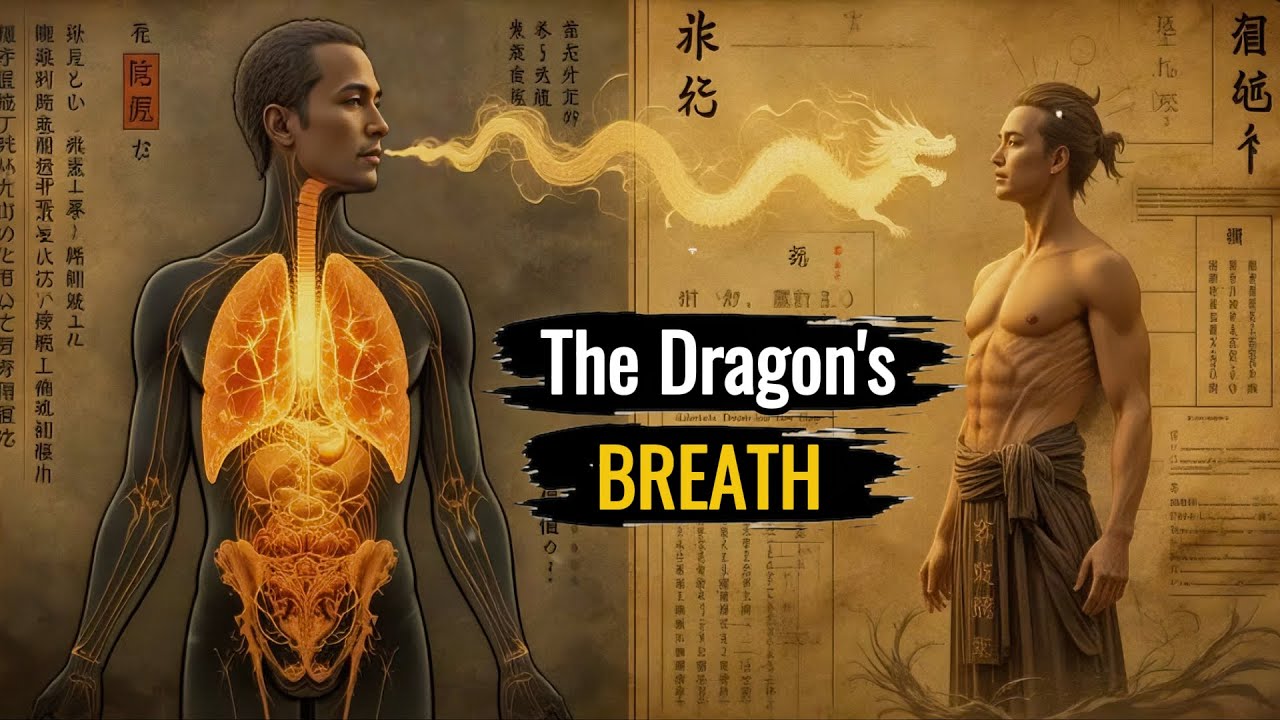
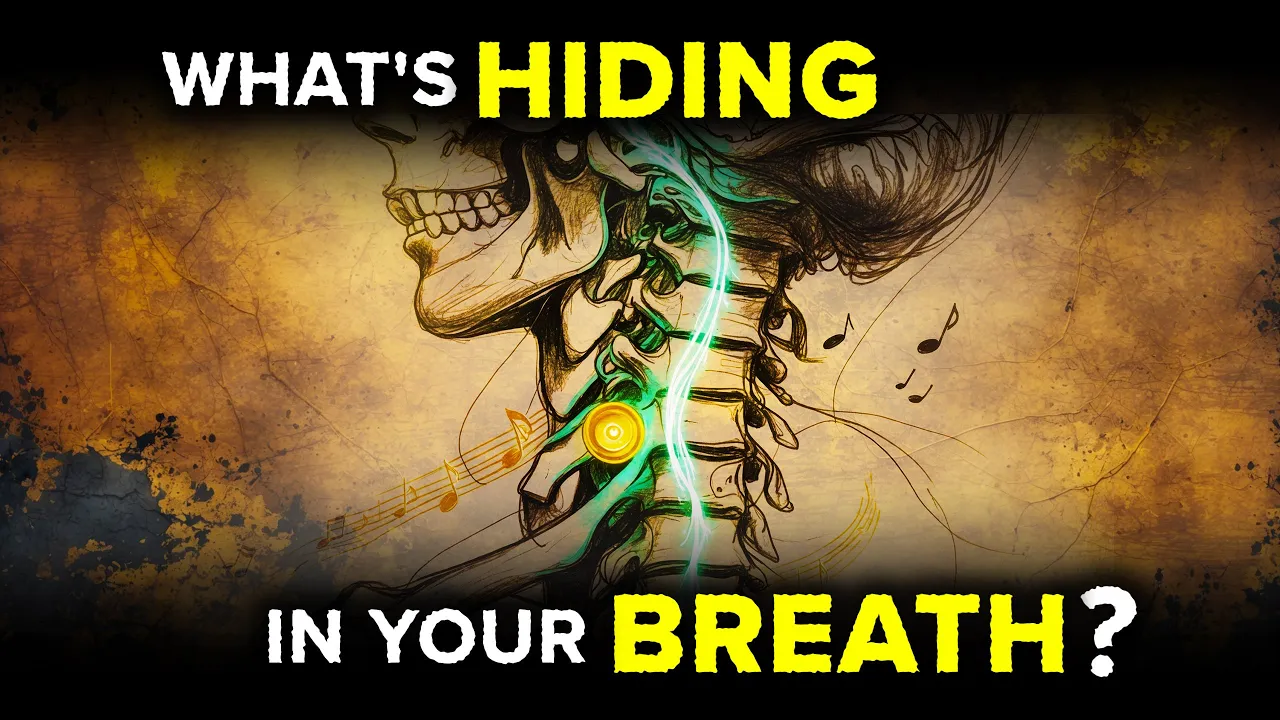
Your breath directly shapes your body's cellular vibrations, and those vibrations influence your health at a quantum level. Don't believe it? Try humming for 5 minutes.
Yes, pause the video and do it now. What you will notice is how your face tingles and your mind clears. That's vibration in action.
Breath creates vibration. Every inhale and exhale generates subtle vibrations in your tissues, organs, and even cells. Slow, deep breathing, like in meditation, produces coherent vibrations, while erratic breathing creates chaotic ones.
Resonance with organs: Different breathing rhythms can entrain (sync up) with specific organs. For example, heart coherence breathing—five to six breaths per minute—harmonizes with your heart's natural rhythm, improving cardiovascular and nervous system function. Mitochondrial energy: Deep breathing increases oxygen flow to mitochondria, your cell's powerhouses, which then produce energy more efficiently, vibrating at frequencies linked to vitality or disease.
Sound and mantras—chanting or humming—create vibrations that travel through your skull, sinuses, and vagus nerve, reducing stress and inflammation by literally massaging your cells with sound waves. Your cells don't just communicate chemically; they also use bioelectric, electrical, and vibrational signals. Some scientists believe DNA itself emits low-frequency sound waves, meaning your breath might subtly tune your genetic expression.
By consciously controlling your breath through techniques like pranayama, box breathing, or even singing, you're not just calming your mind—you're reprogramming your body's vibrational blueprint for better health. But what good is knowledge if you can't apply it to our lives to make it better? This knowledge isn't just cool; it's actionable.
Here's how you can harness breath and vibration for real-world benefits, backed by science and ancient practices. Power up your energy and focus: The mitochondrial boost. It's one of those days—your energy is running on empty, your focus is foggy, and the couch is calling your name way louder than the gym or your to-do list.
But what if you could flip a switch and flood your body with clean, steady energy in just a few breaths? Enter box breathing, your secret weapon for instant energy and razor-sharp focus. Here's how it works: Inhale deeply for 4 seconds, feeling oxygen rush into your cells like high-octane fuel.
Hold for 4 seconds, letting your mitochondria—those tiny power plants inside you—convert it into pure energy. Exhale smoothly for 4 seconds, releasing fatigue and tension like a pressure valve. Then pause for four more seconds, basking in the quiet hum of your brain, shifting into its peak performance zone.
This simple rhythm balances your CO2 and O2 levels, supercharges ATP production, and sinks your brainwaves into a state of calm alertness, like a mental warm-up for greatness. Do this before a workout or a deep work session, and you'll feel the difference instantly—lighter, sharper, and ready to conquer whatever's in front of you. No caffeine, no hype; just you, your breath, and unstoppable energy.
Try it now; your future self will thank you. Melt away stress and inflammation: The vagus nerve reset. Close your eyes for a moment and imagine this: your stress is a storm—tense muscles, racing thoughts, that tightness in your chest.
Now picture a deep, resonant hum rolling through you like a wave, dissolving tension with every vibration. That's the power of humming or chanting—your body's built-in stress relief switch. Here's how it works: Settle in and take a slow breath in.
Then exhale with a low, steady hum for 5 to 10 minutes. Feel the vibrations ripple through your chest, throat, and skull, massaging your vagus nerve, the command center for relaxation. As you hum, your body releases nitric oxide, a healing molecule that boosts immunity and dials down inflammation.
Meanwhile, your nervous system shifts gears, lowering cortisol and flooding you with calm. It's like hitting the reset button for your mind and body. Try it during a chaotic workday, before bed, or anytime stress creeps in.
Within minutes, you'll feel lighter, quieter, and back in control. Breathe, hum, let go. Repeat.
Sink your heart and brain: The five-five breathing miracle. Imagine your heart and mind as two old friends who've lost touch. Your thoughts race anxiously while your heart pounds with stress, leaving you feeling scattered and drained.
Now picture them reuniting in perfect harmony through something as simple as your breath. This is resonance breathing, where you inhale for 5 seconds and exhale for 5 seconds, or 6 if that feels better. Moving at nature's perfect rhythm—5 to six breaths per minute—matching your heart's 0.
1 hertz frequency. As you breathe this way, magic happens. Your heart rate variability smooths into a wavelike pattern.
Your brainwaves sync up, and suddenly you're in a state of heart-brain coherence, where calm focus replaces chaos, decisions come with crystal clarity, and even your immune system gets a quiet boost. It's like finding the missing puzzle piece between logic and intuition. For an extra edge, try apps like HeartMath to watch your coherent score rise in real time as you breathe, turning abstract calm into something you can actually see.
Whether prepping for a big presentation, navigating emotional turbulence, or just seeking a moment of centered peace, this 5-5 rhythm is your portable anchor: a 60-second reset that leaves you feeling grounded, balanced, and ready to meet whatever comes next with grace. Breathe in sync and watch your whole being align. The healing hum supercharges your digestion: Be breath magic.
Close your eyes and imagine your body as a finely tuned instrument, every organ, every cell humming along in harmony. Now picture adding a deep, resonant vibration that massages you from the inside out. This is Brahmari pranayama, the ancient B breath that yogis have used for centuries to tune the body like a master violinist tunes their strings.
Here's how it works: Gently close your ears with your thumbs. Rest your fingertips on your forehead. Take a deep breath in, and as you exhale, create.
. . A low, steady hum like a contented honeybee.
Feel the vibrations ripple through your skull, down your throat, buzzing through your sinuses and thyroid, all the way to your digestive organs. These sound waves act like an internal massage, stimulating blood flow, calming inflammation, and, as many practitioners swear, even soothing irritable bowels. The science behind it: those same vibrations that tickle your palate also trigger your vagus nerve, the body's superhighway for relaxation and digestion.
Try it for just 2 to 3 minutes after meals and feel the difference. Less bloating, smoother digestion, and a quiet humming calm that lingers like afternoon sunlight. Your body knows how to heal itself; sometimes it just needs the right note to sing.
Pro tip: combine with belly rubs clockwise for next-level digestive relief. The bees got it right all along. The 478 Sleep Secret.
Hack your way to deep, restful slumber. Picture this: it's late. The world is quiet, but your mind just won't power down.
Thoughts swirl like leaves in a storm, and sleep feels miles away. Enter 478 breathing, your natural lullaby for the nervous system. Here's how this magic works: inhale deeply for 4 seconds, filling your lungs like balloons.
Hold for 7 seconds, letting oxygen saturate your bloodstream. Then exhale slowly for 8 seconds, releasing the day's tensions like sand slipping through an hourglass. This precise rhythm does something extraordinary.
It whispers to your body in the same vibrational language as deep sleep, flipping the switch on your parasympathetic nervous system. Scientists have found this pattern can be as effective as sleeping pills for insomnia, without the groggy side effects. For an extra dimension of calm, pair it with a 432 hertz sound bath, the frequency that resonates with nature itself, and feel your brain waves slow to match the rhythm of the universe settling into night.
After just a few cycles, you'll notice your eyelids growing heavier, your muscles unwinding, and your mind finally surrendering to the pull of sleep. It's like discovering your body's hidden off switch—one that doesn't come with a snooze button, but with the promise of truly restorative rest. Breathe in stillness, exhale wakefulness, and let the 478 carry you gently into dreams.
Moonlit tip: practice this while visualizing a slow-moving pendulum to amplify the hypnotic effect. Sweet dreams are made of these breaths. The sigh that unlocks relief: your body's built-in painkiller.
Ever noticed how a deep, shuddering sigh escapes you when pain strikes? That's not just frustration; it's your body's ancient pain relief protocol waiting to be weaponized. Meet sighing exhales—nature's anesthesia.
Inhale sharply through your nose, like you're sucking in the last air on Earth. Then unleash a thunderous vocal exhale. Mouth open, jaw loose, as if you're fogging up a mirror with your agony.
This isn't drama; it's biohacking. The violent exhale does two miraculous things: first, the CO2 dump temporarily numbs nerve endings—your body's version of hitting mute on pain signals. Second, the throat vibrations scramble pain's Morse code along your neural pathways, like static disrupting a radio transmission.
Battle-tested by Navy Seals in stress drills and laboring mothers in delivery rooms, this technique turns your respiratory system into a shock absorber for suffering. Next time pain flares—be it a throbbing back or a tension headache—attack it with three to five of these gale-force sighs. Feel the vice grip loosen as your nervous system gets rebooted.
No pills, no needles—just raw evolutionary ingenuity. Sometimes relief isn't found in medicine cabinets, but in the breath you already own. Pro tip: pair with clenched fists during the exhale for added tension release.
Your ancestors' stress response knew what it was doing. Your body is a vibrational instrument. Just like tuning a guitar, you can tune your cells with breath and sound.
The more you practice, the more your nervous system, organs, and even DNA respond favorably. Start small. For example, hum for stress or practice 478 for sleep, and do it daily for a week.
Notice the shifts. Your body will tell you what works.