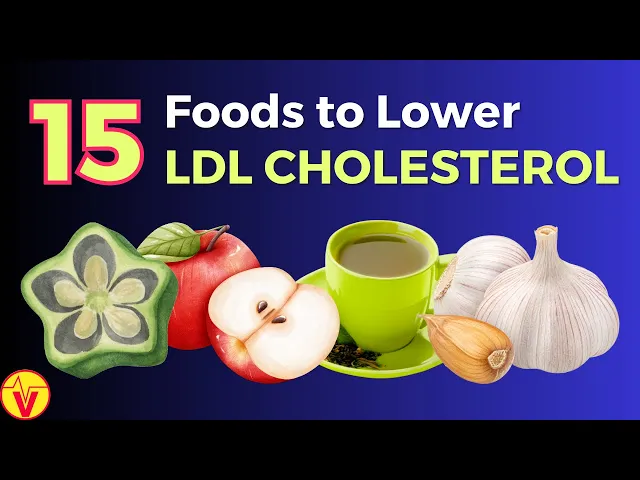
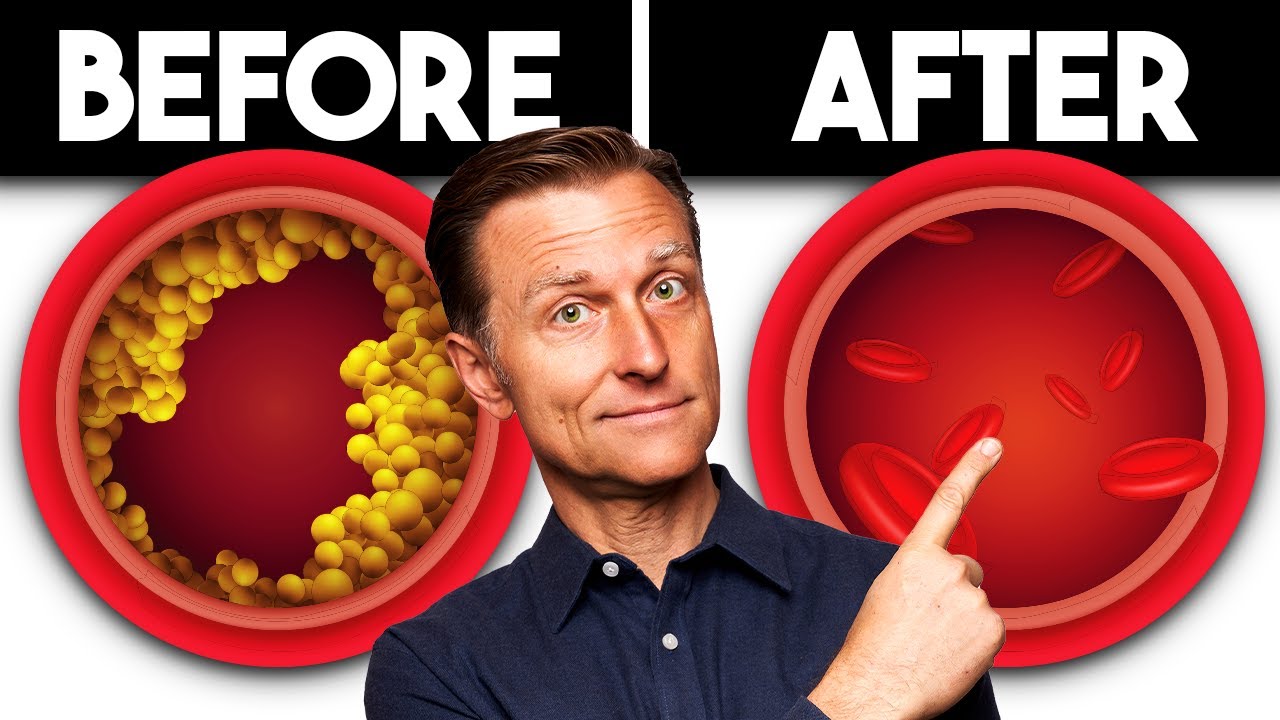
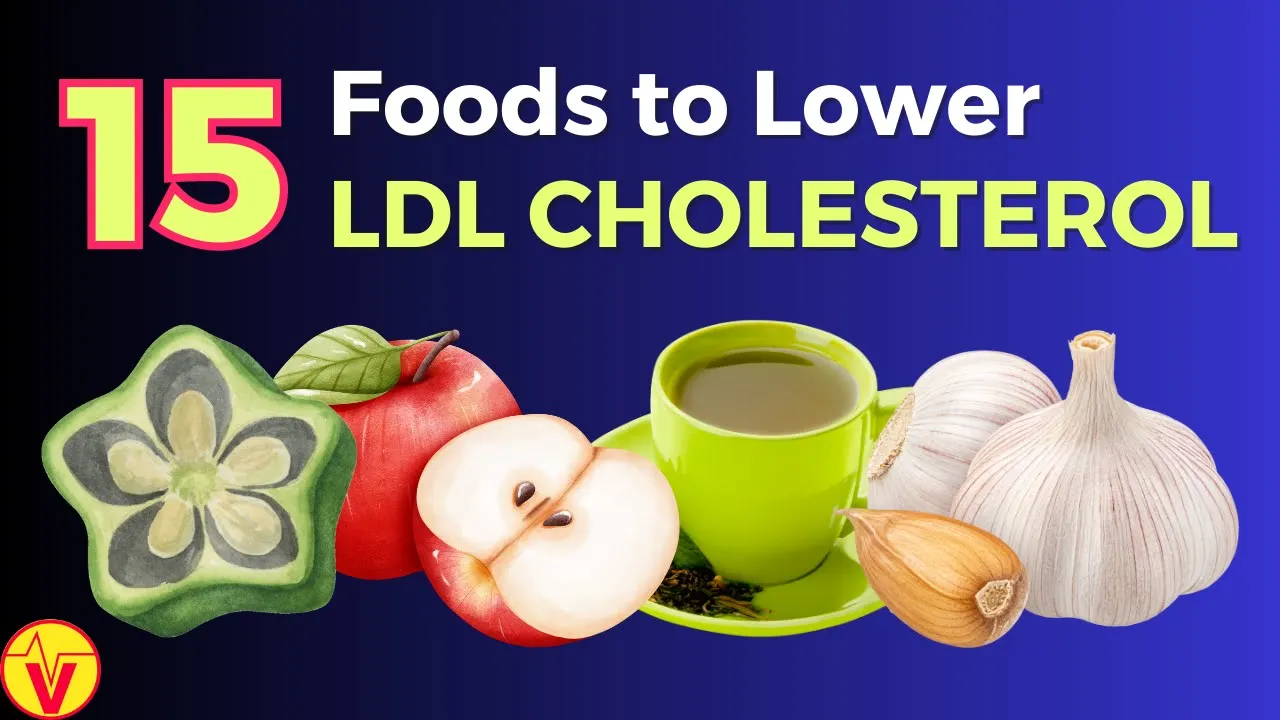
15 foods to lower LDL cholesterol levels. Cholesterol, a wax-like substance, circulates in the bloodstream in the form of two lipoproteins: low-density lipoprotein (LDL) and high-density lipoprotein (HDL). LDL cholesterol is commonly referred to as "bad" cholesterol since it contributes to the accumulation of fatty deposits in blood vessels.
These deposits can obstruct blood flow, leading to heart attacks or strokes. On the other hand, HDL cholesterol, known as "good" cholesterol, aids in eliminating cholesterol from the body by facilitating its transport to the liver. Increased HDL cholesterol levels can lower the risk of heart issues and strokes.
Here is a list of 15 foods shown to help lower LDL cholesterol and improve other risk factors for heart disease. 1. Eggplant.
Eggplant is a fiber-rich vegetable, with approximately 3 grams of fiber per 100-gram portion. Its high dietary fiber improves blood cholesterol levels and reduces the risk of heart disease, stroke, obesity, and type 2 diabetes. The soluble fiber in eggplant forms a gel-like substance that binds to cholesterol, lowering LDL cholesterol levels.
Further, fiber aids in weight management and stabilizes blood sugar levels, benefiting overall heart health. 2. Apples.
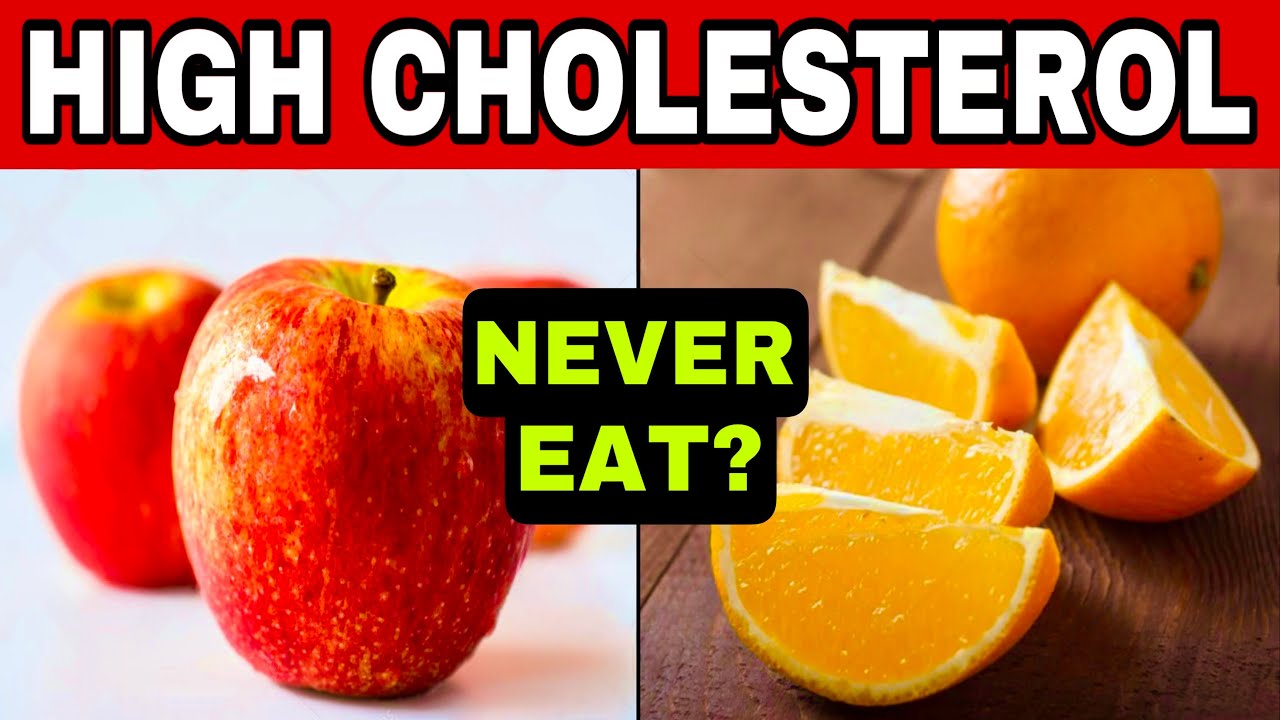
Apples have been found to have positive effects on cholesterol levels. In a small study, consuming two apples daily reduced total and LDL cholesterol and triglyceride levels. Apples are high in dietary fiber, with one apple containing 3-7 grams, which helps lower cholesterol.
They also contain polyphenols, compounds that may further improve cholesterol levels. 3. Garlic.
Garlic, a widely-used ingredient in cooking and traditional medicine, contains powerful plant compounds like allicin. Research suggests garlic may lower blood pressure and significantly reduce total and LDL cholesterol. Larger amounts of garlic are often required to achieve its heart-protective benefits.
Aged garlic supplements are considered more effective for this purpose. While the specific mechanisms are not fully understood, garlic is believed to inhibit cholesterol synthesis enzymes and improve LDL cholesterol clearance by the liver. Consulting with a healthcare professional is recommended before incorporating garlic supplements.
4. Extra virgin olive oil. Mediterranean diets are full of heart-healthy extra virgin olive oil.
Studies have shown that consuming four tablespoons daily can reduce the risk of major heart events by 30%. This oil is rich in monounsaturated fatty acids, which can raise HDL cholesterol and lower LDL cholesterol. It also contains polyphenols that reduce inflammation associated with heart disease.
Choosing high-quality extra virgin olive oil and using it in moderation as part of a balanced diet can promote optimal heart health. 5. Okra.
Okra, also known as lady's fingers, is a warm-season vegetable with potential benefits for cholesterol management. The mucilage in okra forms a gel-like substance that can bind to cholesterol during digestion, aiding in its elimination through stool. Including okra in your diet may help reduce LDL cholesterol levels.
Cooking okra and adding it to various dishes is a simple way to incorporate it into your meals. 6. Barley.
Barley is a nutrient-rich grain high in fiber and beneficial for heart health. It contains beta-glucan, a soluble fiber that can lower LDL cholesterol levels. Beta-glucan traps bile acids, reducing cholesterol absorption and leading to an overall decrease in cholesterol.
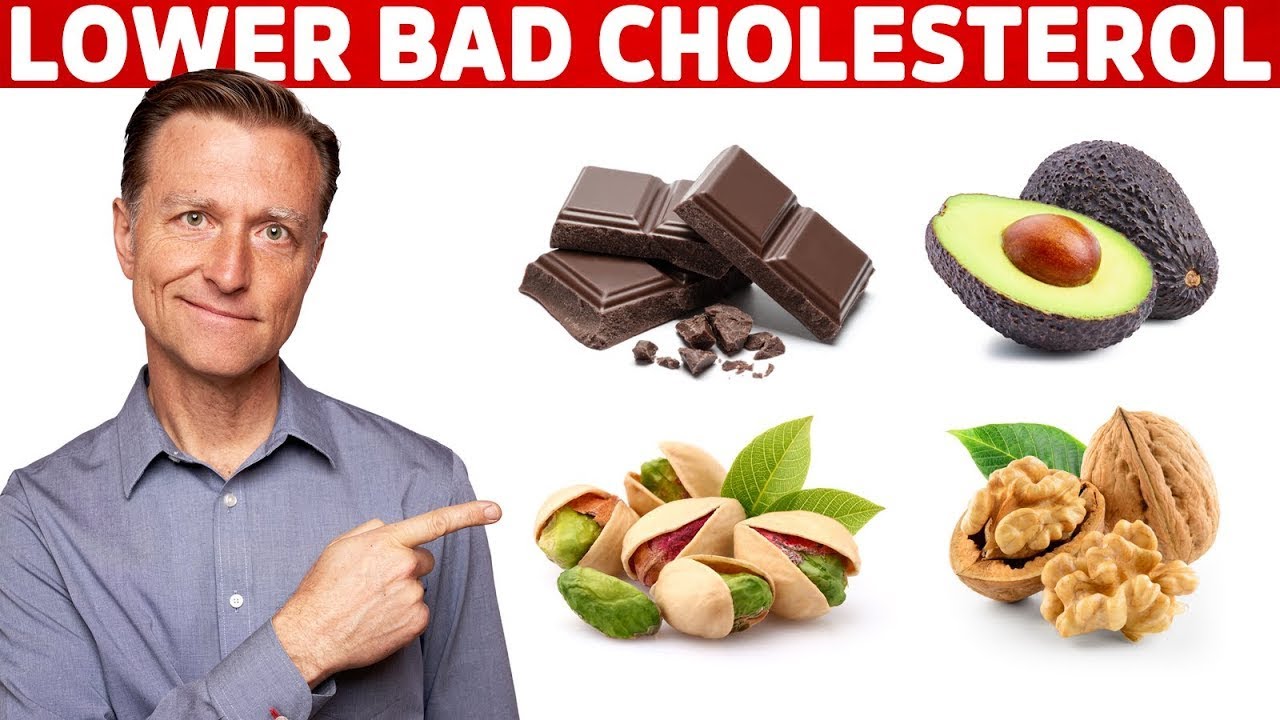
Also, barley's beta-glucan positively affects the gut microbiome and blood glucose control. 7. Dark Chocolate, Dark chocolate containing cocoa is rich in flavonoids known for their antioxidant and anti-inflammatory properties.
Studies have shown that consuming cocoa flavanols can reduce LDL cholesterol and blood pressure while increasing HDL cholesterol. However, dark chocolate should be consumed in moderation due to its saturated fat and sugar content. 8.
Fatty Fish. Fatty fish like salmon and mackerel are rich in omega-3 fatty acids, which promote heart health. They increase "good" HDL cholesterol, reduce inflammation, and lower stroke risk.
Studies show that regular fish consumption lowers the likelihood of developing metabolic syndrome and decreases the risk of stroke. Steaming or stewing fish is the healthiest cooking method, as fried fish may increase the risk of heart disease. 9.
Legumes. Legumes like beans, peas, and lentils are nutrient-rich and reduce heart disease risk. A comprehensive review of 26 randomized controlled studies found that consuming just 100 grams of legumes daily can significantly lower "bad" LDL cholesterol levels.
Legumes aid weight loss and have a low glycemic index, making them suitable for diabetes management. 10. Oatmeal.
The soluble fiber found in oatmeal reduces unhealthy cholesterol levels in the body. Other foods rich in soluble fiber include kidney beans, Brussels sprouts, apples, and pears. LDL cholesterol levels can be lowered by consuming 5-10 grams of soluble fiber daily.
One serving of oatmeal or oat bran provides 3-4 grams of fiber, and adding fruits like bananas or berries increases fiber intake. Soluble fiber helps reduce cholesterol absorption. 11.
Green Tea. Green tea contains catechins, which are antioxidants known for their health benefits. A 2020 study found that green tea consumption improved cholesterol levels by reducing total and LDL cholesterol without affecting HDL cholesterol.
Further research is required to confirm these findings. Adding green tea to your daily diet is a simple way to improve your cholesterol levels. 12.
Non-Starchy Vegetables. Non-starchy vegetables like asparagus, Brussels sprouts, cabbage, broccoli, cauliflower, tomatoes, peppers, celery, carrots, leafy greens, and onions are low in calories, high in fiber, and contain protein. They contribute to a healthy diet, aid in weight management, promote digestive health and offer valuable plant-based protein.
For good health, include a variety of non-starchy vegetables in your meals. 13. Soy Foods.
Diets containing soy products such as tofu, soy milk, and soy yogurt can lower cholesterol. Studies have shown that consuming around 25 grams of soy protein daily for six weeks can significantly reduce LDL cholesterol levels. Including soy protein in the diet can lower LDL cholesterol by about 3-4% in adults, making it a valuable addition to a heart-healthy and cholesterol-lowering diet.
14. Berries. Berries like strawberries, raspberries, and blueberries offer cardiovascular benefits.
Strawberries are rich in polyphenols, which lower heart disease risk. Raspberries provide 8 grams of fiber per cup, helping decrease LDL cholesterol and support digestion. Blueberries have been linked to reduced blood pressure due to their circulation-boosting effect.
15. Nuts. Tree nuts, such as walnuts, pistachios, and pecans, can effectively reduce total cholesterol levels and LDL cholesterol.
These nuts are rich in heart-healthy monounsaturated fats, fiber, and essential vitamins and minerals that promote cardiovascular well-being. Additionally, nuts contain plant sterols, natural compounds that hinder the absorption of dietary cholesterol into the bloodstream. However, It is important to exercise moderation when consuming nuts, despite their numerous benefits.
Thanks for watching the video. Give this video a thumbs up, subscribe, and hit the notification bell to never miss an update. Share with friends and comment below.
We appreciate your support and look forward to seeing you in the next video!