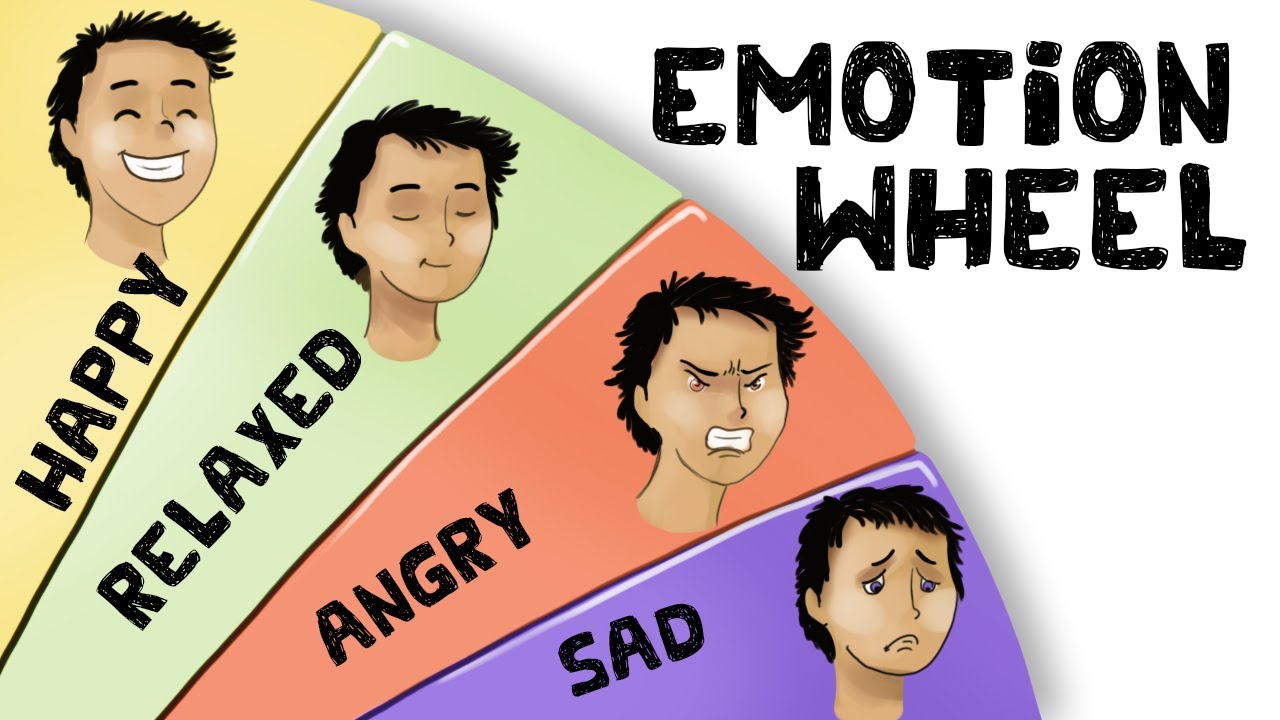
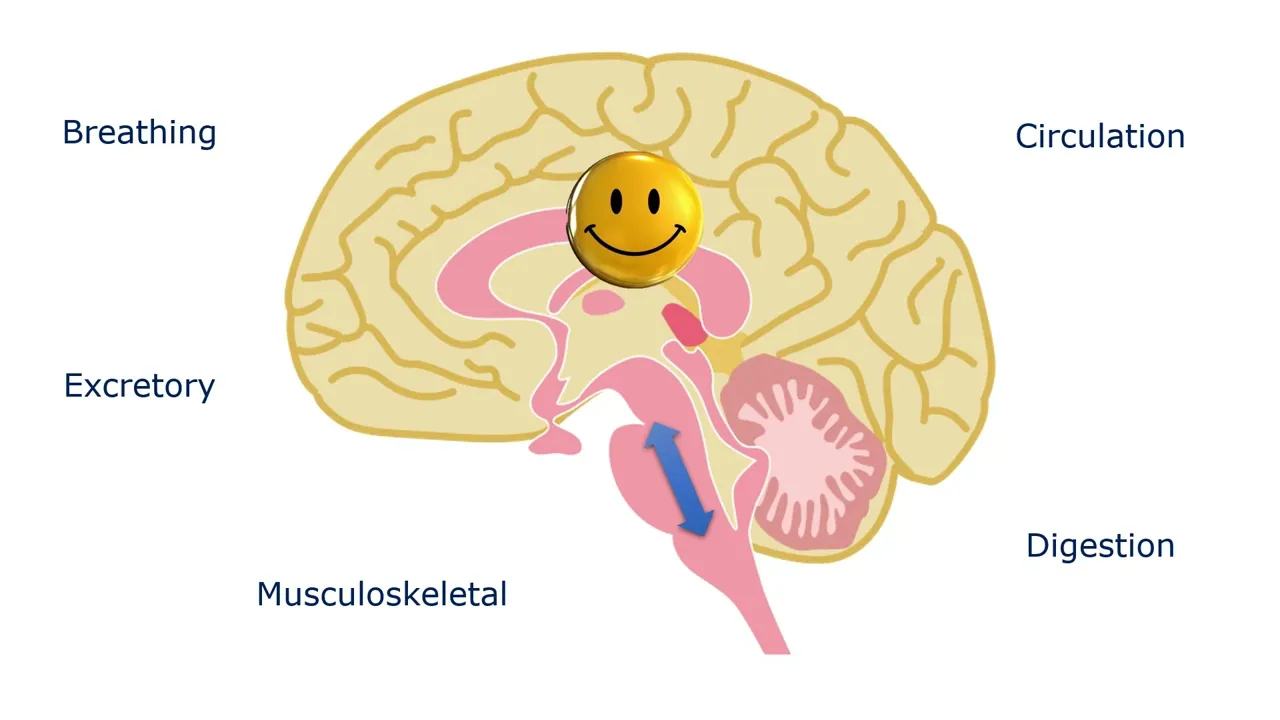
the role of emotions in learning is crucial emotion drives attention the relationship between emotion and thinking can be conscious or unconscious and can often be both at the same time current Research into neurosciences connecting the central role of emotions in learning to emotional relevance there are far more neural fibers emanating from the brain's emotional Center Into The Logical rational senses of the brain than the other way around so emotion is a more powerful determinant of behavior than logical or rational processes reason may override emotion but it rarely changes your real feelings about an issue your
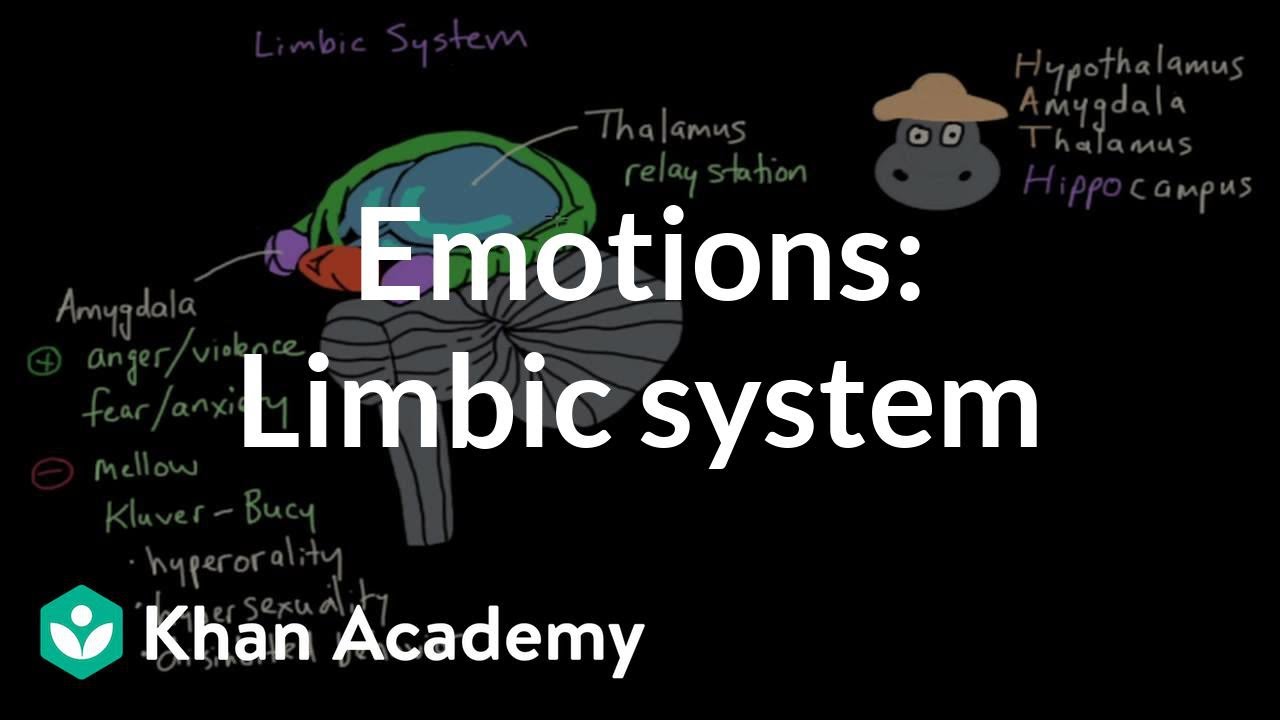
emotions allow you to bypass conscious thought processes around an issue this enables quick responses based on almost innate general categorizations of incoming information at times this may lead to irrational fears and foolish Behavior often you don't consciously know why you feel as you do about something or someone the limbic system is fundamental to the role of emotions in learning the limbic system is composed of several small interconnected structures it's your brain's principal regulator of emotion and place important roles in processing memory this may explain why emotion is an important ingredient in many memories the limbic
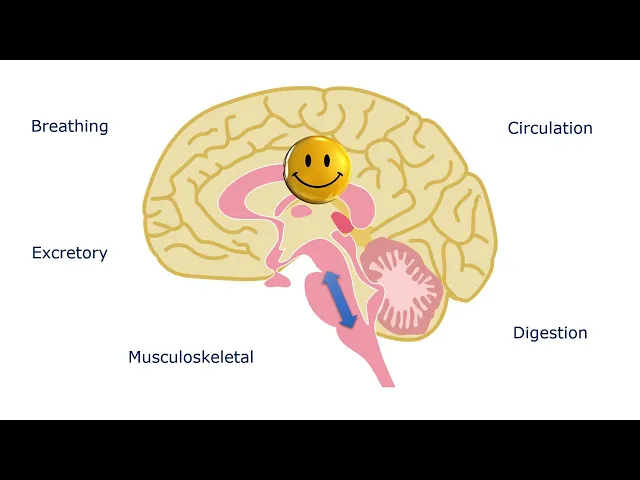
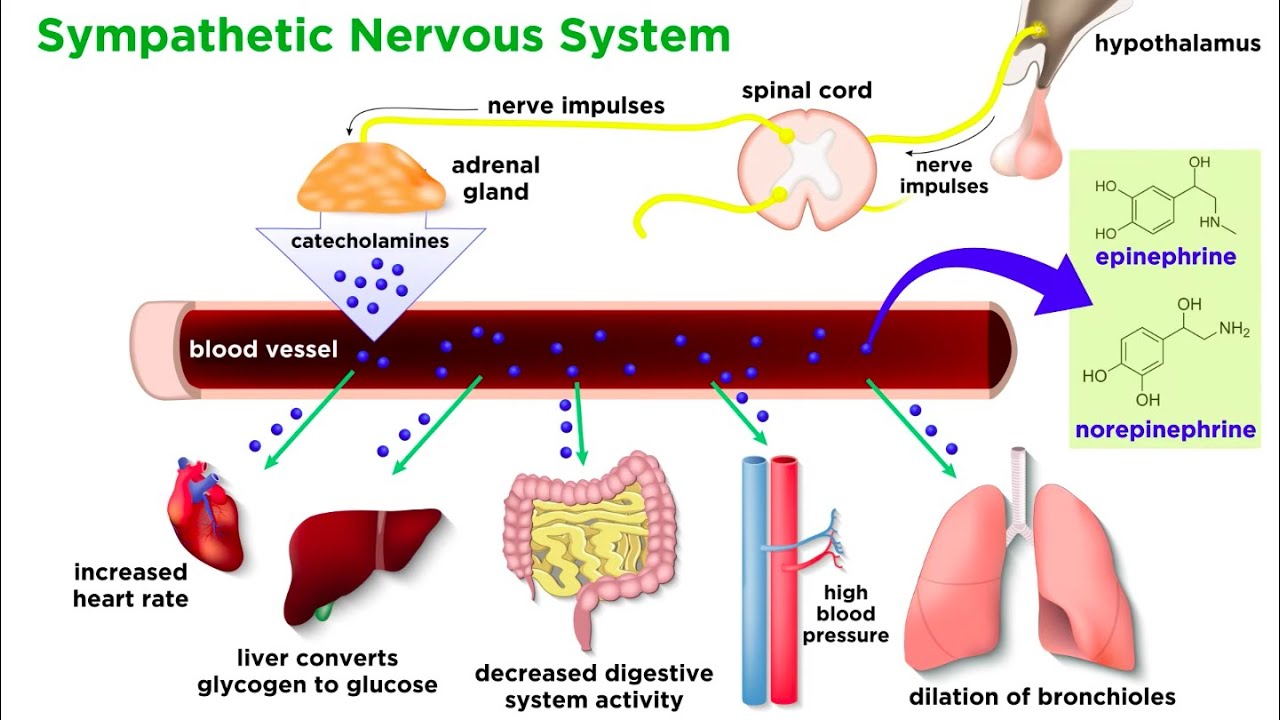
system is powerful enough to override both rational thoughts and innate brain stem response patterns in short you tend to follow your feelings your brain regulates your body functions whilst your body provides support services for your brain meaning that the two are integrated into a single system your emotional system is located principally in your brain endocrine and immune systems and integrated biochemical system but it affects all other organs such as your heart lungs and skin emotions are involved in the neurological changes that are shaped by learning this is because the emotional mind is integrated into unconscious
systems such as breathing circulation and digestion so experiencing an emotion leads to changes in physiology by inference these changes in physiology are involved in the learning process essentially you feel your way to solutions to problems that matter to you especially problems that are emotionally relevant to you because you experience them through subtle physiological change when you struggle with a problem in which you feel engaged you draw upon memories of past experiences with similar problems you search for strategies that might apply to this new problem as a solution is approached a series of small emotional jolts
of recognition are experienced and this leads you to feel that you're on the right path that you're getting closer to the right answer if the problem doesn't matter to you you quickly lose interest affecting your motivation your attention wanders you disengage and you learn only that the subjects of the problem is boring if gaining an outcome is important particularly in attaining an academic grade you develop methods and learning strategies to attain the desired outcome rather than learning the subject matter memories formed during a specific emotional state tend to be easily recalled during a similar emotional
state later on for example during an argument you can easily recall similar previous arguments thus simulations and role-playing activities enhance learning because they tie memories to the kinds of emotional contexts in which they will later be used the limbic system influences the selection and classification of experience that your brain stores in two forms of long-term memory procedural unconsciously process skills such as walking and talking and declarative the conscious recall of facts such as names and locations the thalamus is the brain's initial relay Center for incoming sensory information it informs the rest of your brain about
what's happening outside of your body the thalamus has direct connections to the amygdala which permits it to send a very rapid but factually limited report on a Potential Threat this can trigger a quick emotionally loaded but perhaps also life-saving behavior before you fully understand what's happening it's also the mechanism that underlies many explosive emotional outbursts the hypothalamus monitors your internal regulatory systems informing your brain what's happening inside your body when your brain has no solution to a threatening situation the hypothalamus can activate a fight flight stress response through its contacts with pituitary gland and the
endocrine gland system affecting the release of hormones the central cortex which makes up 85 percent of the brain's mass is a large sheet of neural tissue that's deeply folded around the limbic system it's organized into a myriad of Highly interconnected and outwardly focused neural networks that respond very rapidly in milliseconds to seconds to various demands in space and time the system receives categorizes and interprets sensory information makes rational decisions and activates behavioral responses the frontal lobes play an important role in regulating emotional states and judgments the frontal lobes regulation of critical thinking and problem solving
permits it to override the execution of automatic behaviors and of potentially destructive illegal or immoral Behavior sparked by emotional biases so let's use our emotions positively and learn more about some of these biases