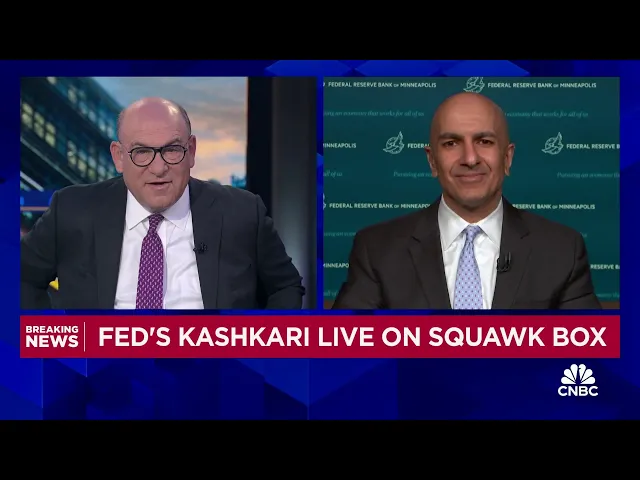
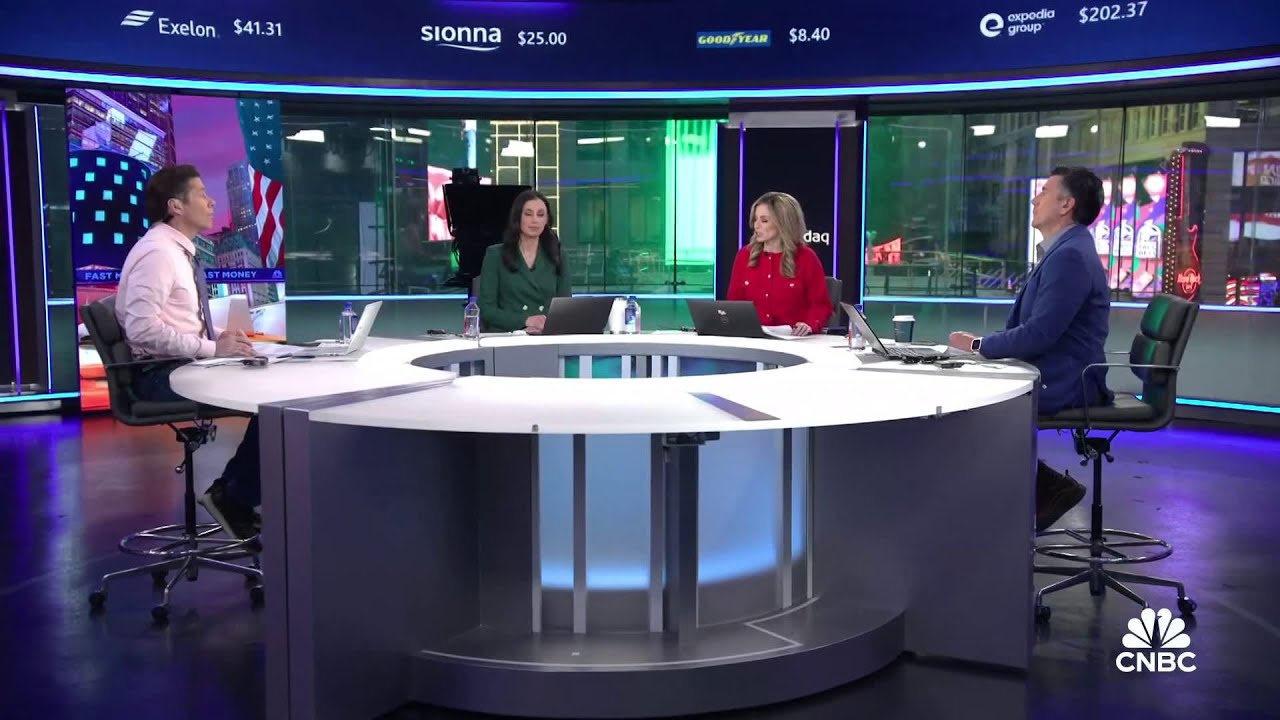
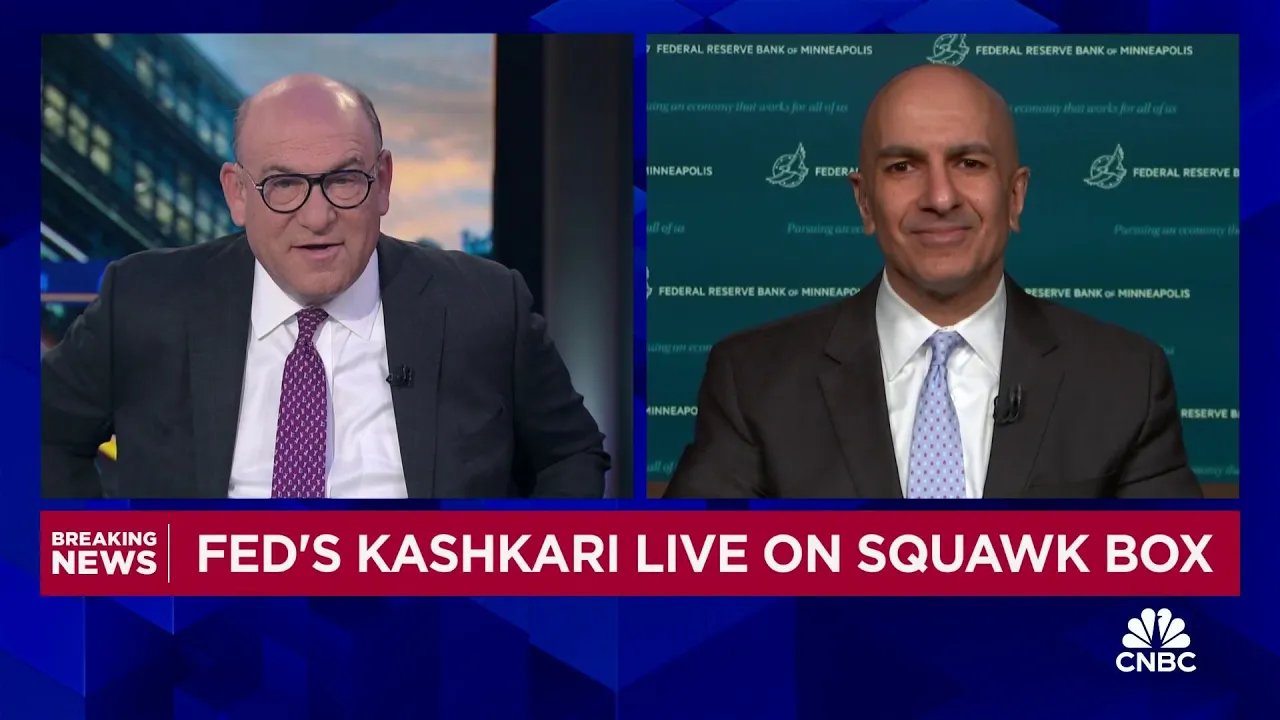
we are pleased to be welcomed this morning by Neil kashari Minneapolis Federal Reserve president a longtime friend of squawkbox Neil thanks for being here thanks Steve for having me great um listen I normally I'd ask you right away about the jobs report but we were just having a conversation about the gap between what the FED has been doing in terms of lowering interest rates and the behavior of the 10year and I'm wondering as a Federal Reserve policy maker a guy who used to work at Goldin used to save the country working at treasury or help
save the country during the great financial crisis what you make of the behavior of the tenure how worrisome is it to you as a policy maker of course now it's eased back a bit from where it's been you know it's not worrisome but it's important to try to understand what's driving it so I spend and my colleagues spend a lot of time trying to dig into the details to understand the moves as you know since we started cutting rates in September the 10e didn't go down it went up right now it's up about 80 or
83 basis points Rel relative to where it was when we started our cutting cycle which is counterintuitive when I dig into the data around 40% of that move is an inflation compensation which ultimately we control you might interpret that to say Market saw a more doish than expected fed and then boosted inflation compensation a little bit I'm not worried about that we will get inflation down to 2% we're committed to that the balance the other 60% of it is really about real rates and what's driving long real rates uh there are a couple explanations that
that I'm focused on one is I think there's great uncertainty about where the neutral rate is and the longer the economy continues to exceed expectations on growth and resilience I think people and markets are taking signal that the neutral rate may be higher and then you've got the residual or what we call the term premium that a lot of things go into that uh one possibility is fiscal deficits larger deficits all else equal would end to tick up the term premium and so where does this all shake out we're going to get inflation back down
but then ultimately what the executive branch and Congress do on the fiscal side and ultimately what our growth trajectory is are we in a period of higher productivity and higher investment that would tend to push up long rates and so how that Nets out we're just going to have to wait and see but we're going to get inflation down Neil I want to come back to the 35 questions I have over what you just said in a second but people right now at this moment are trying to make sense of some enormous numbers that were
just laid on them 300,000 Plus in December revision up 149 I touch below but right around consensus for the January numbers huge revisions on the household side big down revisions on the on the establishment side how do you make sense of all this tell us where you think the job market is right now since you have a mandate for low unemployment yeah I think the mo of all the data that we just looked at that you just mentioned and I I have to go through the details I think the most important one is 4.0% %
unemployment rate this is still a good labor market it's not as hot as it was a year or two ago and I validate this data by talking to businesses all around the region and around the country and overall the feedback that I'm getting is the economy is strong businesses are optimistic it's a cooler labor market than a year ago but they're still having to work to find the workers that they need and so I think the economy is in a good place we want to keep it there while getting inflation all the way back down
to our Target NE it's interesting you say you said because a wise person told me once that you can look at all the data you want on employment and maybe the one thing you really need is the unemployment rate and that tells you exactly what's going on so that really dovetails nicely with that um and Neil uh before um Betsy Betsy Becky I'm do it again I'm sorry we had a Betsy wow I heard about this I heard I heard about that mind never mind before Oh I want to hear but he also has a
producer named Betsy and and I was emailing her at the time now now I gave myself up Jinx okay Becky Joe and Andrew real quick we had a weekend full of drama Neil when it came to um tariffs how did you spend what were you thinking over the weekend about the impact of of potential tariffs they're delayed now for 30 days how does that affect you thinking about where policy can and should be it reinforces my view that we're in a good place that my colleagues and I basically have said we need to wait and
see we don't know enough information about what's going to be announced we have a little more information now on that we really don't have information about what will actually be implemented and how other countries are going to respond and in that environment we shouldn't guess we should just wait and see and then the good news is as we just talked about the econom is in a good place so we're in a very good place to just sit here until we get a lot more information on the taror front on the immigration front um on the
tax front Etc all of those are going to be important so what's the next data point you're watching for um or is it watching the headlines and kind of seeing how it all plays out well setting aside the policy uncertainty that I just mentioned the other big question is you know we've seen potentially residual seasonality in the inflation data in the first quarter of the last couple years is that going to be repeated or are you know if you look at the last nine months of inflation data it's very encouraging but first quarter of 2024
was very hot is that hot period going to be repeated or is that going to roll off if that rolls off and the recent inflation data continues then we should see rapid disinflation in the numbers in the first half of this year and so that for me is setting aside the policy questions that for me is what's of Paramount importance right now the first few inflation prints that we get so can you cut Neil if you get that inflation down where it needs to be even with the uncertainty over policy you know it's a good
question I think we'll have to see where you know how what that un certainty looks like what are the where what's the range of the negotiation that's taking place and obviously tariffs are hard because it's not simply what we do in America it's how other countries respond and the back and forth and so I think the Tariff one is particularly difficult I think the other pieces tax policy maybe we'll have more clarity on what the Outlook looks like on taxes and revenues and spending and that may give us more Comfort uh ultimately our job is
maximum employment and stable prices and if we are if we see very good data on the inflation front while the labor market stays strong then I think that would on for me move me towards supporting uh easing further I don't know why we' have to keep rates where they were if we really saw inflation coming down quickly Neil Neil there are people who would complain and say hey will you this sensitive to fiscal policy under the Biden Administration is is there perhaps a double standard here why are you holding uh uh your your your your
powder now with Trump about to do a bunch of fiscal policies but didn't really seem to react to when Biden passed these massive uh spending bills well it's a question of what's the underlying inflationary Dynamics you know going into the obviously the huge inflation surge we had about 1 and a half% inflation for five six almost a decade years almost a decade and the concern was could we get inflation up to 2% then we were surprised we had this big inflation surge inflation is still above our Target it's running at around a 2 and a
half% rate right now and we need to get it all the way back down so I think the given the recent history and given everybody's and my belief in the Paramount importance of keeping inflation expectations anchored uh we have to finish the job and so I do think our look at the fiscal policy is informed by our recent experience and where inflation has been running in the economy yeah that's like yeah we had no idea inflation was coming and God that was crazy all that spending since we had no idea inflation was coming we didn't
know all that spending was going to cause it and now you're saying well now you know fool me once uh my fault now you know it can happen I mean things do have an effect right now I mean we can get I mean what are we still up we're still up 30% in prices are we not 22 yeah I mean overall the price level's up a lot and that's why Americans are frustrated and I share their frustration with that but our job is to get inflation down as you understand you supply CH do it just
there there are real effects to to what we do and we forgot it for 40 years it's like we thought we could do anything well I think we were surprised by we had not seen the supply driven inflation in a long time and given all of the geopolitical uncertainties in the world you know could there be Supply uh shocks that hit us again it's certainly possible we're certainly much more aware of that risk than I was uh five or six years ago and so we we shouldn't forget that yeah you give us your best guess
of how policy shakes out this year do you think you end up the the year lower than where you started uh and and will inflation be coming down and hitting Target this year or is it next year you know I I think inflation the underlying Dynamics are coming down we have a lot of confidence housing is still a big piece of the inflation we have a lot of confidence looking at the new leases and how many it takes a couple years for that to roll through the actual inflation data so that should be helping us
bring inflation back down barring something really surprising on the tarff front immigration front or fiscal policy front so taking off some extreme outcomes there I think inflation will continue to come down over this year so all things equal I would expect the federal funds rate to be modestly lower uh this year at the end of this year relative to where we are right now but of course the data is going to drive that and we may not get officially mathematically back to 2% this year but hopefully we'll have a lot more confidence that we're almost
there uh going into next year