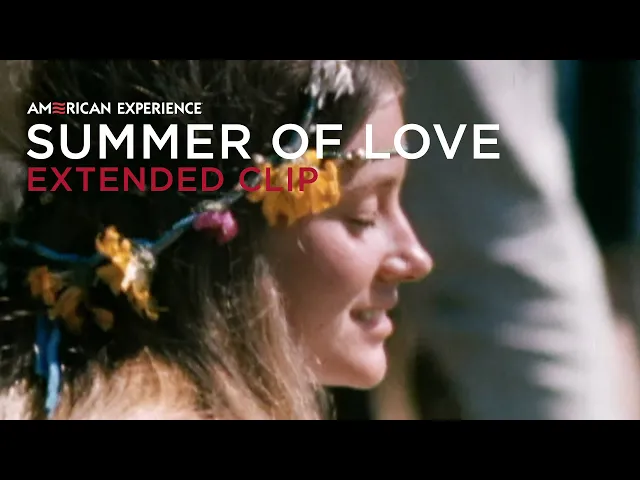
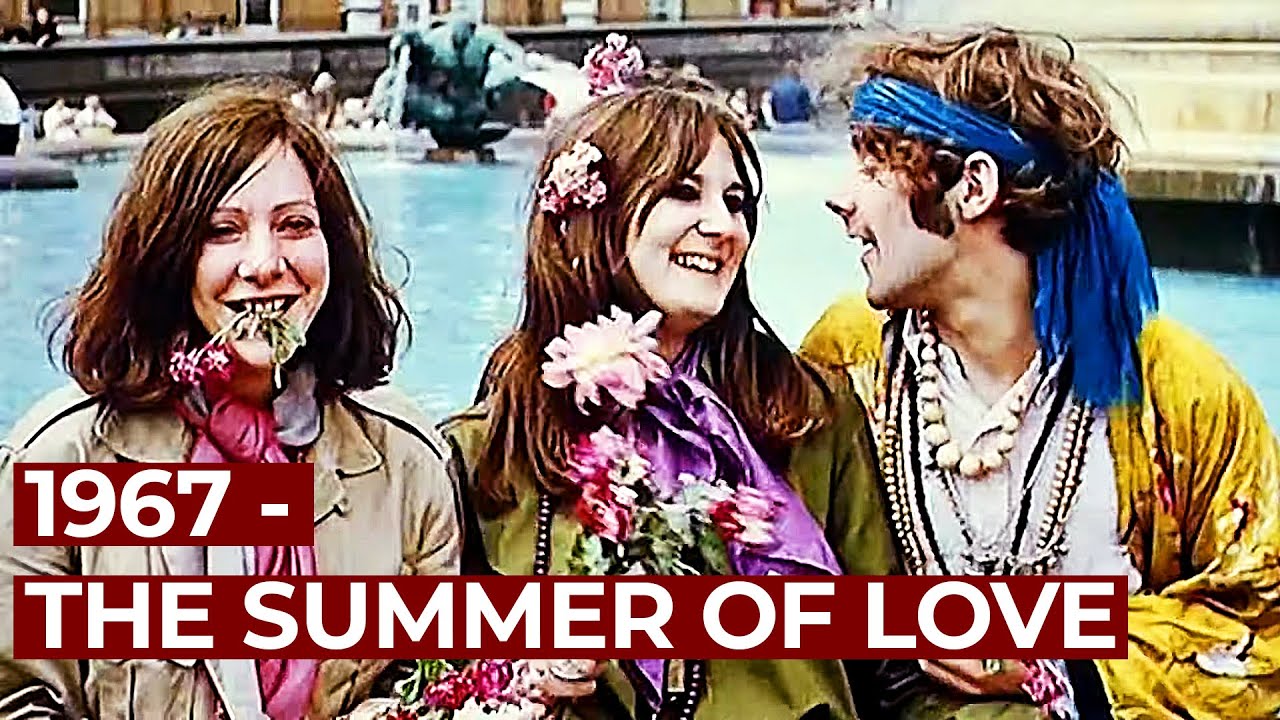
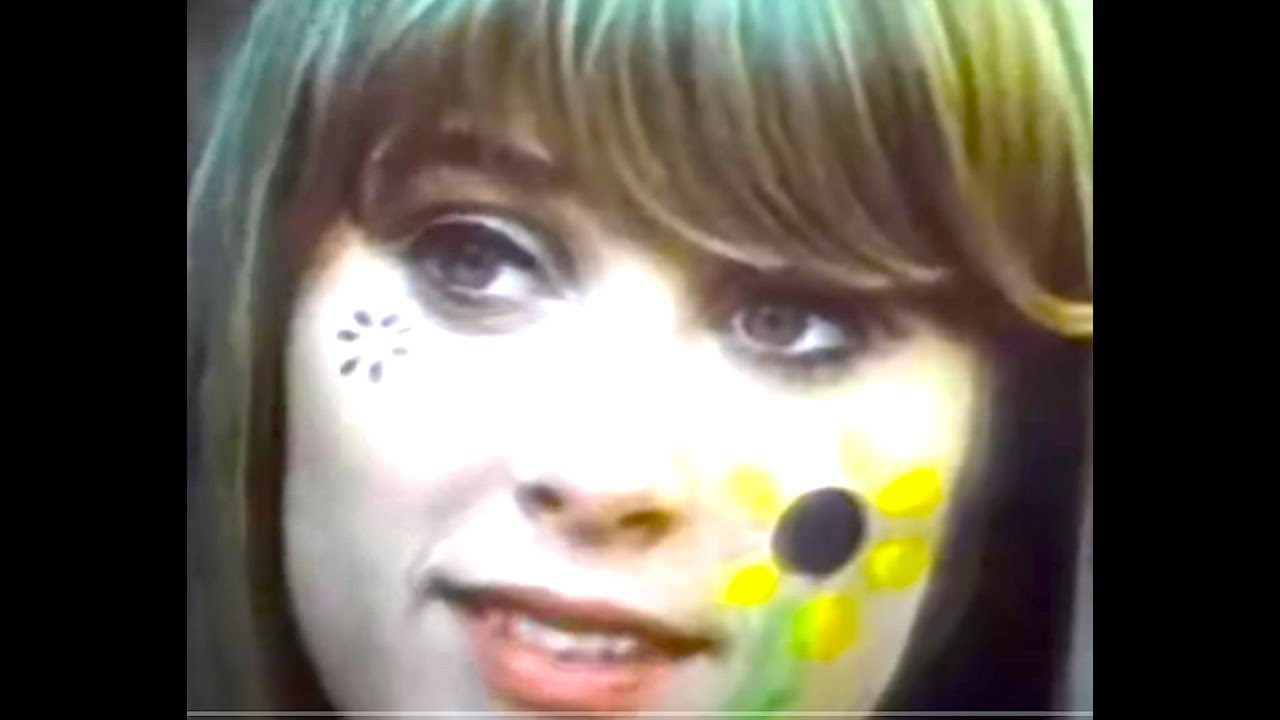
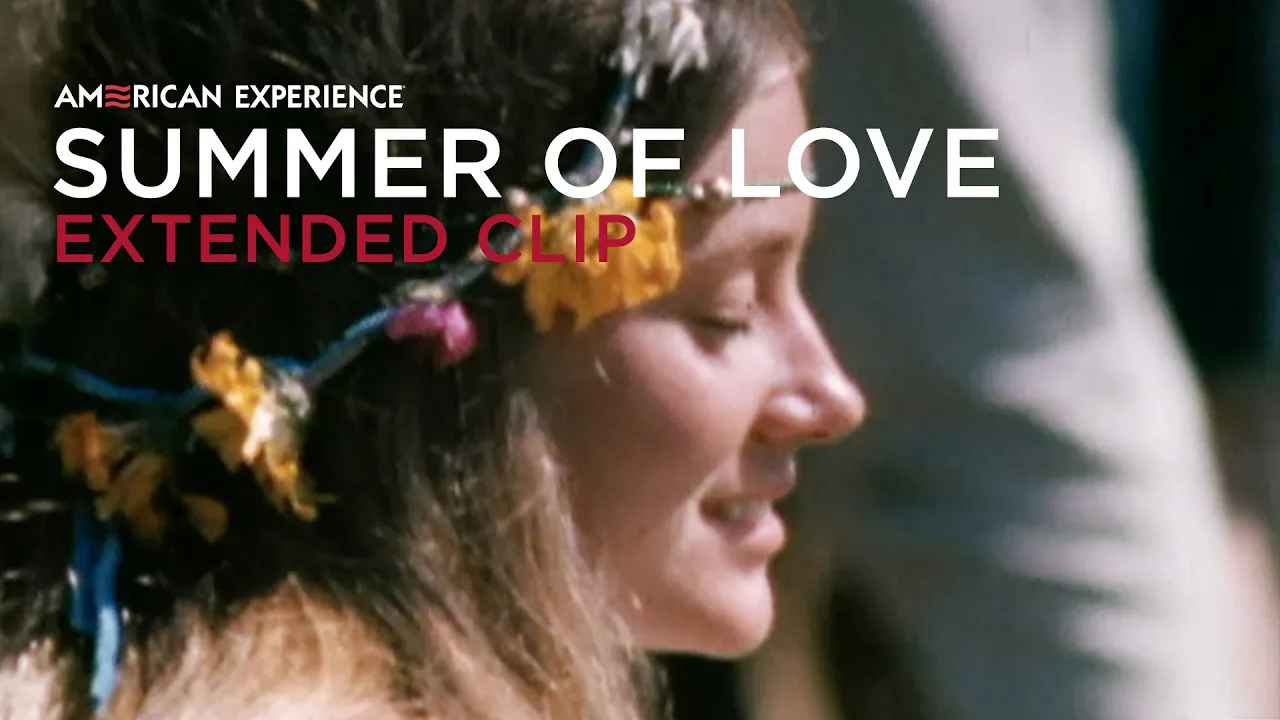
NARRATOR: It was the largest migration of young people in the history of America. From every direction, they came, from the biggest cities and from the smallest towns, all bound for San Francisco in the summer of 1967. 100,000 is a minimum estimate of what's happening.
I think it's going to be a major historical event for this country. STAN McDANIEL: We are trying to do what no one else has ever done before in this culture, and that is to find a new way for humanity. PETER BERG: Minds are up for grabs.
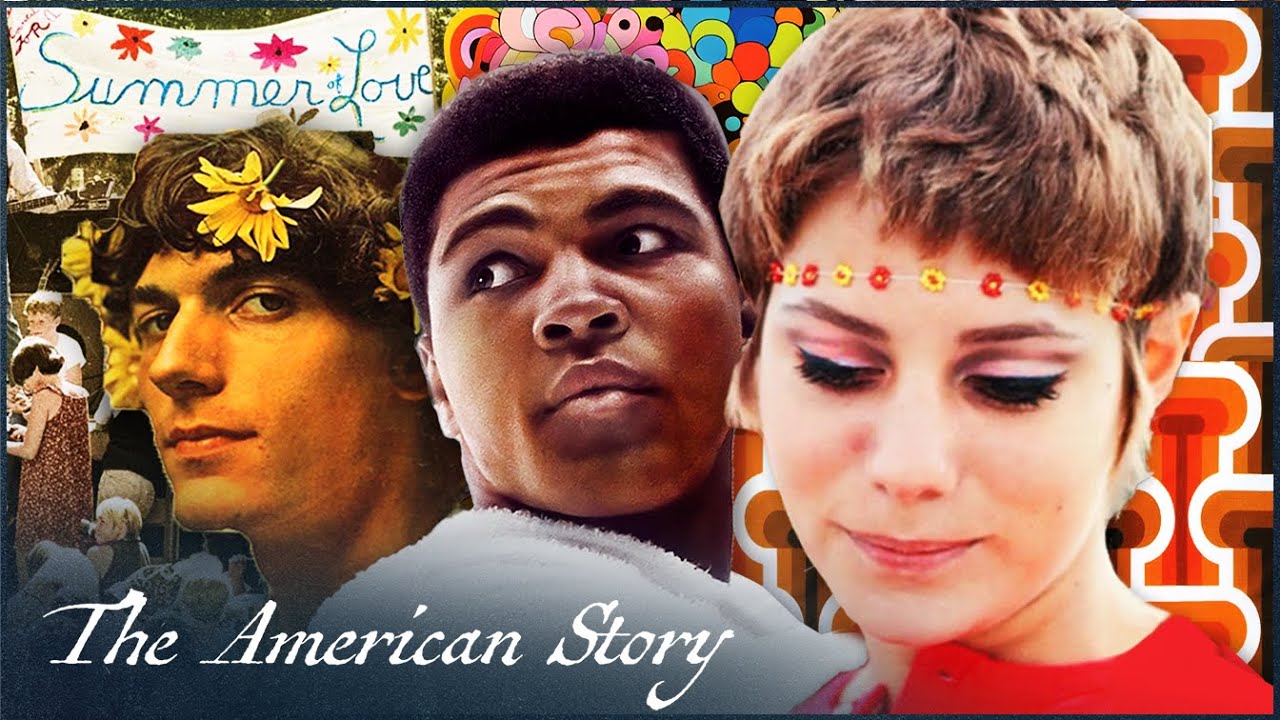
It's up for grabs; civilization is up for grabs. I think everybody knows it. NARRATOR: Drwn by the city's new hippie counterculture, with its vision of changing the world through peace and love, they arrived in numbers great enough to create a crisis in San Francisco and threaten the utopian dream itself.
There were people who were coming who were just coming for the drugs, who weren't coming for, say, a spiritual awakening. PETER COYOTE: Kids were coming from all over the country. They were straining the infrastructure of the city.
They were straining the resources. What could there be but trouble? ART GERRANS: It got ugly.
And the original people that went out there for peace and love left. NARRATOR: Yet thousands would be swept up by a revolutionary movement that would shape American life far beyond that turbulent summer. NARRATOR: January 14, 1967.
Golden Gate Park in San Francisco. Never before had America witnessed such an unusual gathering. There was no lineup of big stars swelling the crowd.
No tickets were sold. No political candidates spoke. It was simply a coming together.
They called it a Gathering of the Tribes. . .
a Human Be-In. There were, like, 20,000 people, and it was this gloriously beautiful day as you can only have in certain times in San Francisco. The sun was shining.
People were wonderful. You know, it was, like, my God, look at how many there are of us. NARRATOR: To most of the country, the Be-In must have seemed like a world turned upside down.
A Harvard professor exhorted the crowd to reject the traditional path to success. Turn on, tune in, drop out. I mean drop out of high school, drop out of college, drop out of graduate school.
NARRATOR: Hindu chanting melded with motorcycles and rock music. It was such an exciting, heady time to find out that under the official reality, there was this seething turmoil of young people learning new music, new thoughts, new ideas, new literature, new poetry, new ways of being. NARRATOR: This "turmoil of young people" was in part due to sheer numbers.
Never before had so many Americans been under 25. There were over 90 million of them-- nearly half the population-- and many were disillusioned with the world around them. The president many had found inspiring had been assassinated barely three years earlier; war in Vietnam was killing a hundred American soldiers every week; month after month, dozens of young men were being drafted into the army.
. . .
. . and the struggle for civil rights at home had grown increasingly militant.
Those gathered in the park that sunny January day sought a different world. THEODORE ROSZAK: It would be a world where people live gently on the planet without the sense that they have to exploit nature or make war upon nature to find basic security. A simpler way of life, less urban, less consumption-oriented, much more concerned about spiritual values, about companionship, friendship, community, sharing ideas, values, insights -- a world in which that was considered more important than the gross domestic product.
NARRATOR: The first hippies were children of the 1950s: the "Baby Boom" generation. Their parents had endured years of economic depression and a brutal World War. Now the future looked bright.
Millions of Americans started families, encouraged by the unprecedented prosperity of the postwar economic boom. COYOTE: We came out of World War II as the richest, most powerful country on the planet, and our families built the suburbs, and the fathers went off to work and the mothers stayed home, and the kids were basically left to run around. NARRATOR: The new standard of living in 1950s America offered an abundance of affordable homes, sleek new automobiles, miracle drugs.
Science and technology seemed to have an answer for everything. But beneath the surface lurked a deep anxiety. Peacetime had devolved into a bitter cold war between superpowers.
Americans linked to Communist groups were hounded and persecuted. NARRATOR: An atomic arms race fueled fears of annihilation. ROSZAK: That combination of affluence and anxiety is a crazy-making combination to live with, to grow up with, so you had a generation of kids who arrived at high school and then in college, trying to make sense of a world which they've been told is just grand and wonderful and there's nothing to complain about anymore, and on the other hand, you look a little deeper into it and it's just awful and scary.
There was a deep issue here: whether material affluence is what life is all about. Because that is what an industrial society, a market economy can give you. But what if that's not good enough?