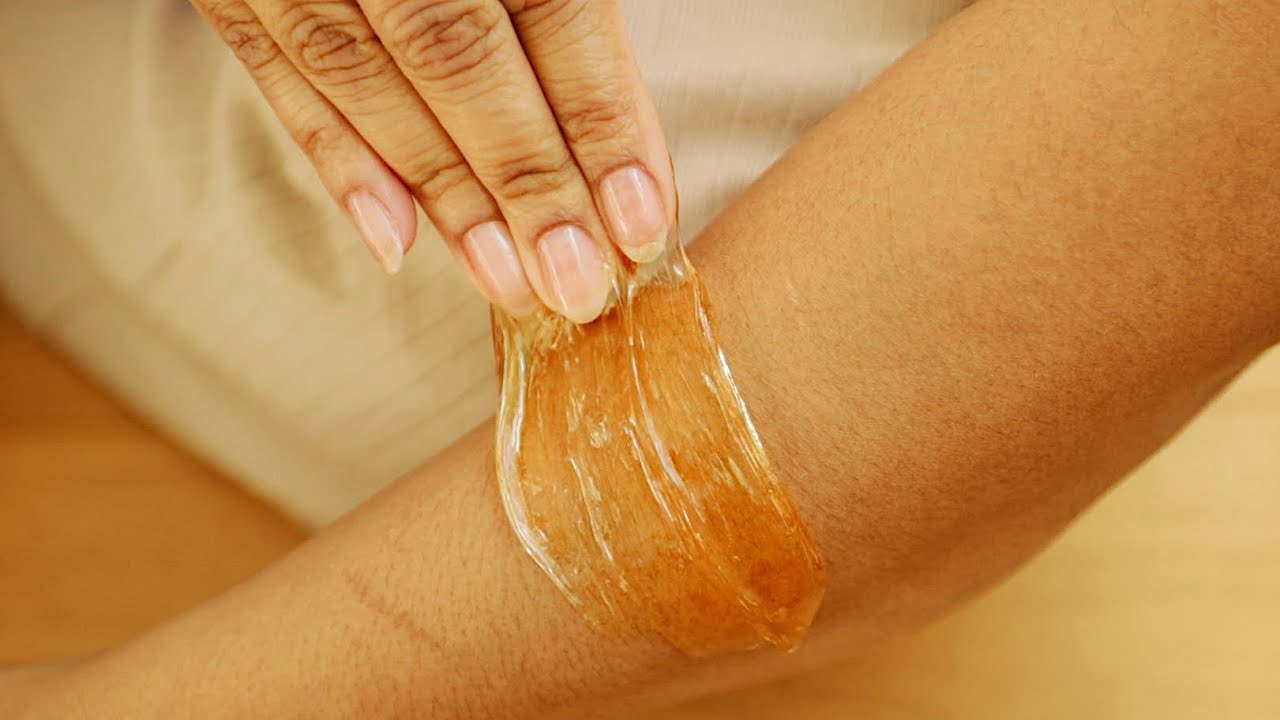
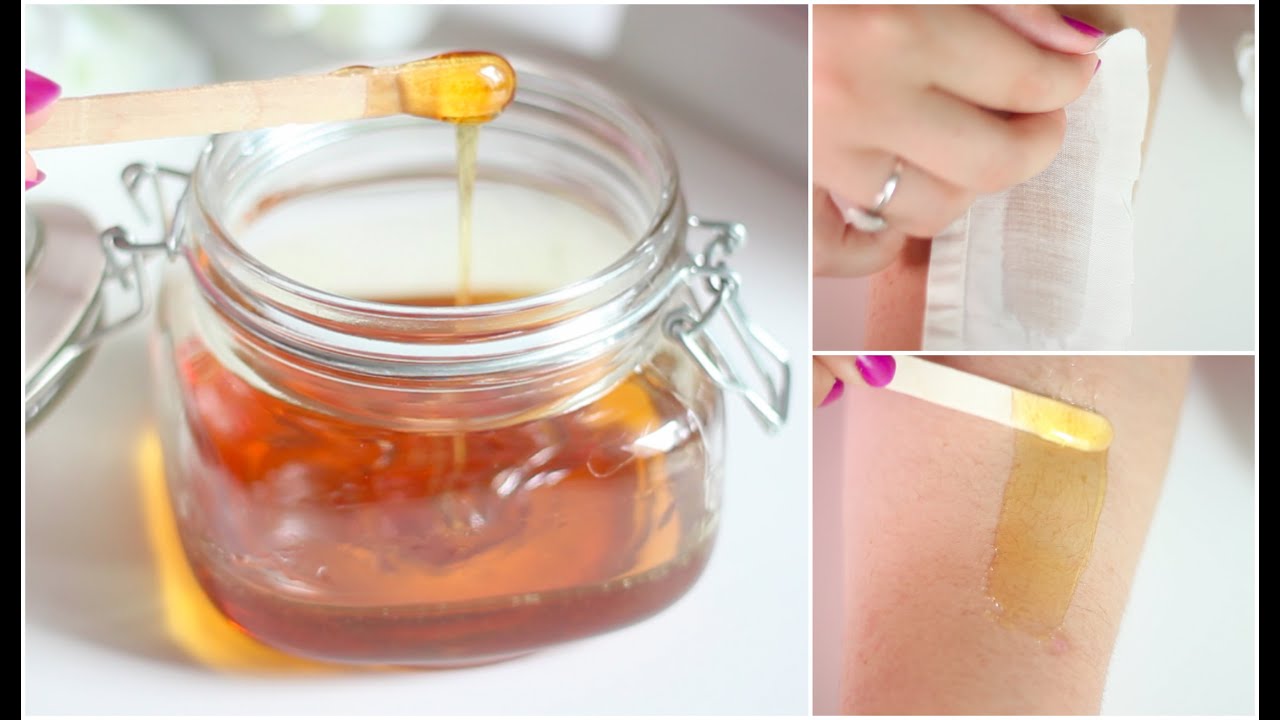
let's just call it in focus cuz I have no idea if you're watching this and chances are that you've already tried making sure coax however you're probably running into a little issue so allow me to explain what's happening how to prevent it and possibly how to fix it me though as explained in my previous video titled watch this before you make sugar wax I told you guys there are actually different types of sugar and there are four to be specific which are strip sugar soft sugar from sugar hard sugar up that's it which all range
between about a hundred and thirty degrees to two hundred and sixty degrees therapy but what do you think happens if you cook your Sugar's outside of that range exactly you basically staying within that range of temperatures means that your sugar is going to stay in a syrup or a paste-like consistency so going beyond the highest level which is hardball stage means that you are reaching new territory and that is the crack stage sorry I can't say that with a straight face so when you reach temperatures of around 270 to 290 degrees Fahrenheit you have reached
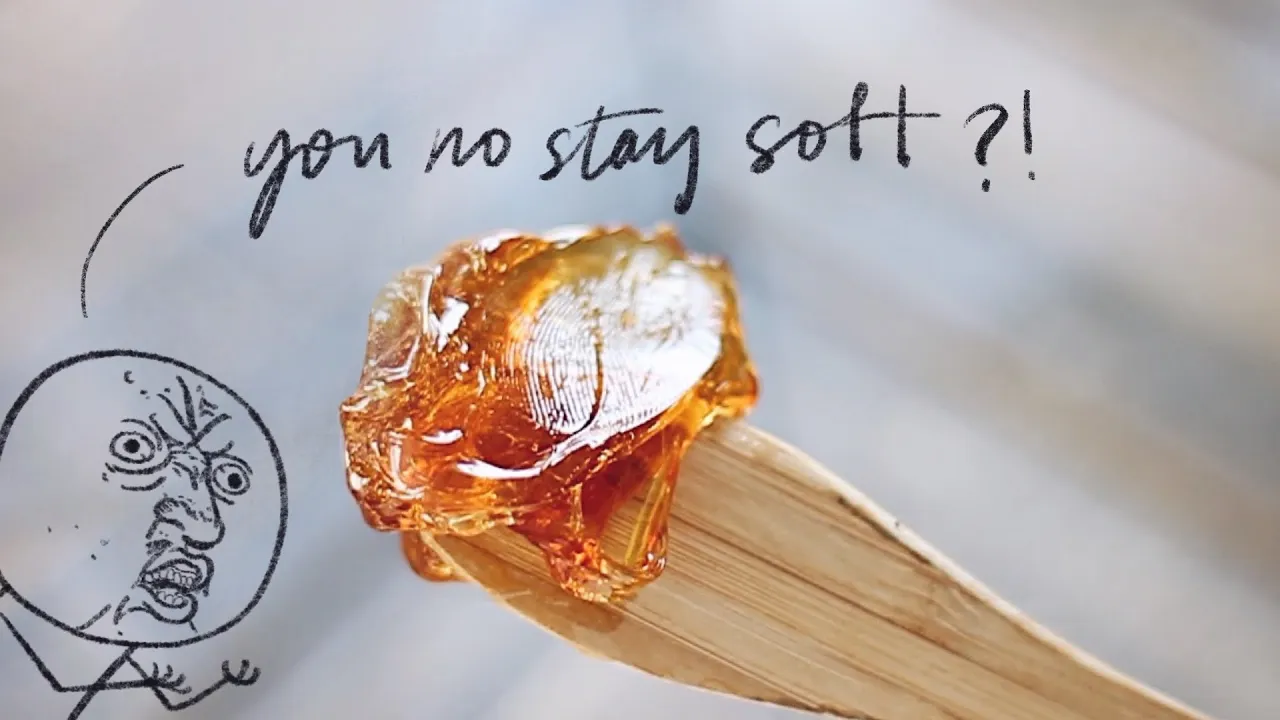
the soft crack stage and the hard crack stage is around three hundred to three hundred and ten or even 15 degrees Fahrenheit remember when I talked about sugar concentration well these sugars have even less water content after cooking which is why they get brittle and hard because in case you didn't know sugar is literally just evaporated sugarcane juice meaning after all of the water has evaporated you're left with a solid of course that solid being what we know and love as sweet crack so yeah when your sugar is overcooked you are legitimately just making candy
so that's why I refer to these stages as the lollipop stage because once you reach the hard or soft crack stage and chances are that's what you just made so I'm sorry short if you wouldn't rip your sugar soft and you're a beginner I would recommend that you make a sugar that is within train which is the soft to firm that is if you're looking to use it as a pace or if you wanna use it with strips and of course you can also make description can also recommend following by DIY soft sugar video which
of course I will link down in the description box and it will also be in the playlist if you click on the I in the right-hand corner of the screen and that video will also be helpful if you don't have a thermometer like I said earlier if you want to prevent overcooking your sugar then basically what you want to do is follow the cold water trick that I showed you guys in the DIY soft wax video and you want to repeatedly check your sugar until you have reached your desired consistency which should be a piece
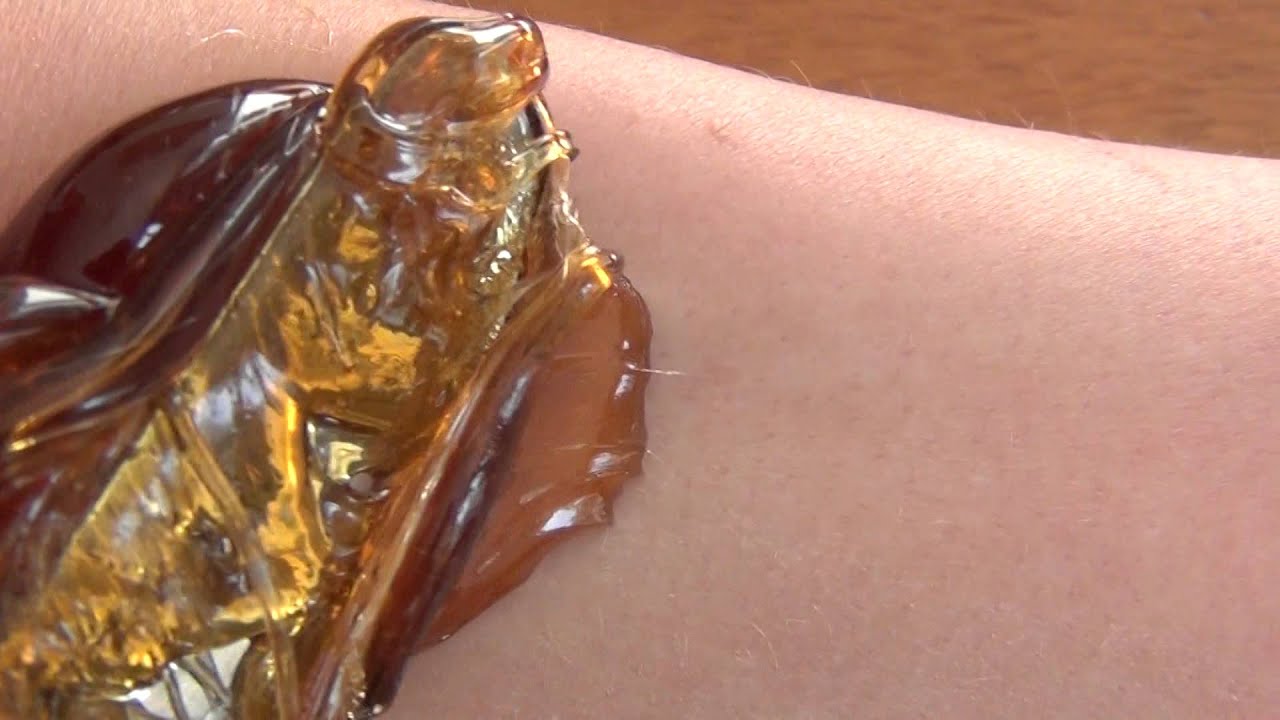
that is soft enough for you to easily spread on your skin if you have ended up with a sugar that is a little firmer than you would like meaning you have reached the hardball stage you'll know this because the sugar will clump together but it's still pretty firm to the point that it's slightly hard yet it will still flatten into a pancake when you press it between your fingers and although it takes more effort and muscle you can continue to manipulate it so if some invention of going for a soft sugar then yeah you can
pretty much consider this overcooked because it's too firm for you to use easily however technically this sugar can still be used it's gonna probably be easier for someone to use who lives in a really hot climate but I digress because I'm gonna be talking about in another video what sugars are good for who and why however you'll know when you've reached hard crack stage when your sugar instantly turns into threads as it hits the water the sugar will be completely hard to the touch as the name implies and if you try to manipulate it it
will literally just crack you've reached the soft or the hard crack stage your sugar is definitely overcooked and is no longer gonna be in a state that can be used as a paste but some of you usually ask me can your sugar be States which you'll probably be happy to know that it can may be whether or not your sugar can be saved is actually going to depend on how far gone your sugar has been cooked so as you can imagine that this ain't gonna cut it however if your sugar is maybe at the hardball
stage or maybe the stock crack stage depending on how firm it is then you may even be able to salvage it and by the way I do mean maybe because this technique will not always work so what you want to do is take go more than one to two tablespoons of water and add that to your sugar then you want to reheat it for literally only a few seconds to about a minute or two so if you're using a microwave and you can do 30 seconds or one to two minutes on the stove and then
you want to leave that to cool like you normally would once your sugar has completely cooled and it is still a liquidy consistency that kind of melts back into itself that means that you can now use this sugar with strips so that would be my recommendation so thank you guys that if you like this video please do give it a thumbs up and also don't forget to comment down below if you try any of the tips in this video because I want you guys to share your experience down below and help others so we're going
to subscribe if you aren't already because they're going to be so many more sugar videos coming see in the next one [Music] [Music]

![[00] WATCH THIS BEFORE YOU MAKE DIY SUGAR WAX!](https://img.youtube.com/vi/leYYDmDdoD8/maxresdefault.jpg)