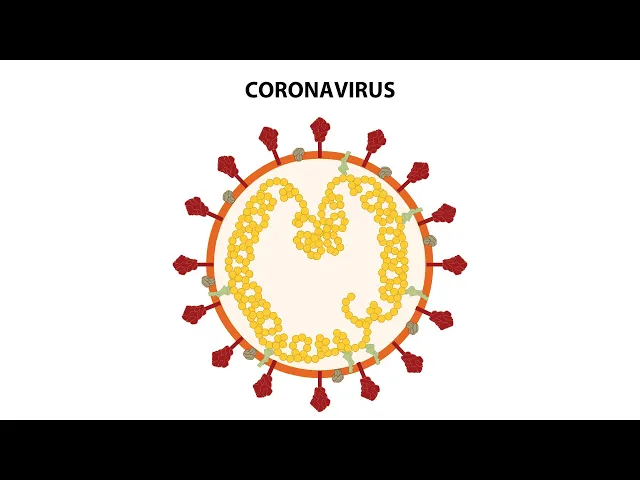
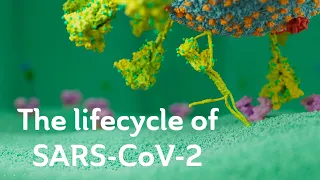
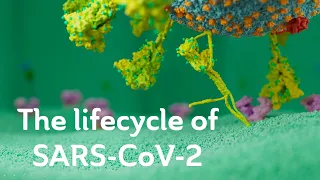
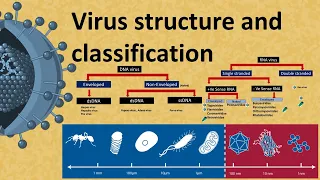
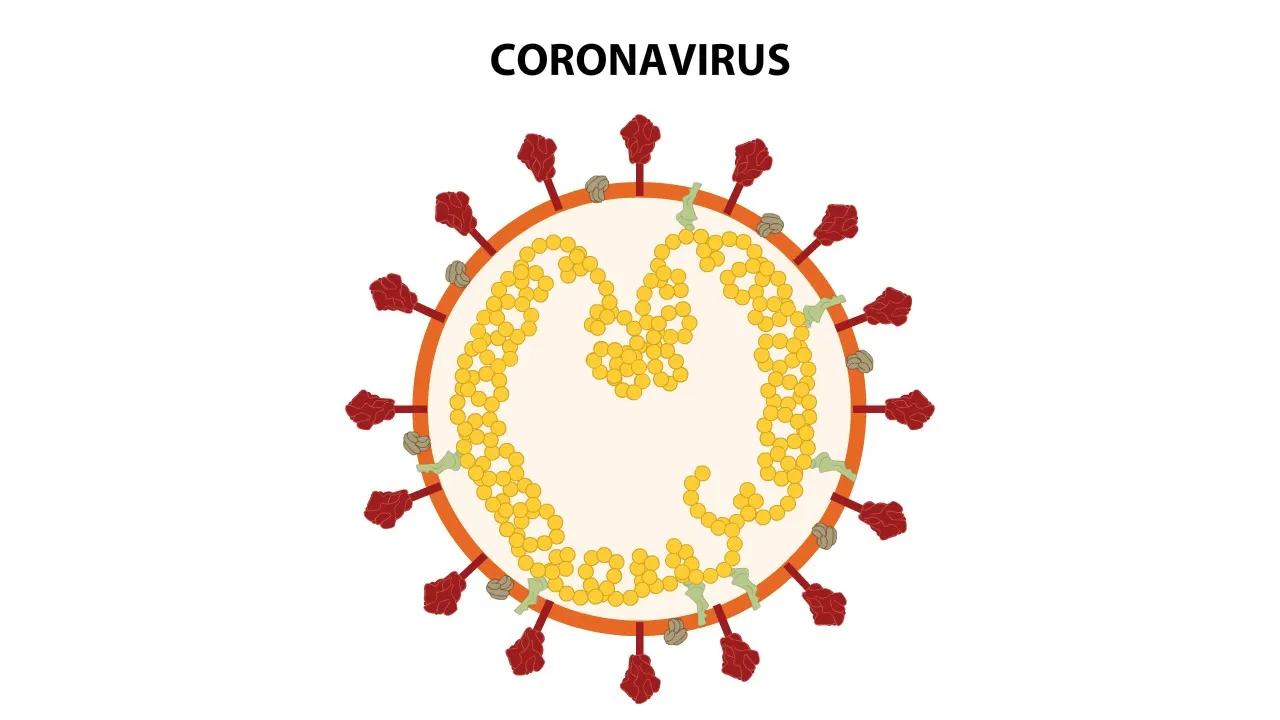
coronaviruses are a family of related viruses that infect humans and a variety of other mammalian and bird species they're named for their spike proteins which protrude from the viral surface making these viruses appear to have a halo similar to a solar corona the viral envelope contains the spike proteins and a few others embedded in a lipid membrane inside the genetic material is coded in proteins called nucleocapsid or n-protein the genetic material is rna rather than dna to replicate a virus must enter a host cell coronaviruses bind to receptors on the cell surface the host protein
ace2 is used by some coronaviruses including sars cov2 which causes covid19 ace2 is on a number of cell types including lung cells which explains why the virus causes respiratory infections after spike proteins bind to receptors the cell engulfs the virus in a process called endocytosis cleavage of the spike protein triggers the viral and host membranes to fuse together the viral rna now enters the host cell sars cov2 may also get in by fusing directly with the cell membrane depositing its rna genome directly into the cytoplasm the rna codes for most of what the virus needs
to make more of itself the code for the spike protein is here also for the nucleocapsid as well as for other structural proteins of the virus but the majority of the rna codes for the replication machinery itself and this machinery is produced first the virus must use host ribosomes which are protein production machines to translate its rna code into viral proteins the first new viral proteins are gigantic they're called polyproteins because they're soon chopped up into many separate proteins two of which are the actual protein cleavers or proteases that do the cutting several of the
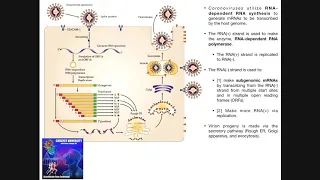
new viral proteins become embedded in cellular membranes here the viral rna is being translated on an organelle in the cell called the endoplasmic reticulum or er where membrane embedded proteins are generally produced the virus has essentially hijacked the cell's machinery and made a new viral machine called the replicase transcriptase complex which can now multiply the viral genome this complex attaches to the viral genomic rna also called plus rna and creates a copy of it the complementary copy is called minus rna the minus strand is then copied back to make additional plus rna for packaging into
new viruses with genome replication underway the viral structural proteins are next on the production line the process of making the structural proteins is a little indirect instead of ribosomes directly translating the genomic rna small minus rna strands are first produced by the replicase transcriptase complex many different small strands are produced this way including the four types shown here the replicase transcriptase complex then copies the small minus strands to produce small plus strands called subgenomic messenger rna or sg mrnas the sgmrnas can now be translated by host ribosomes into viral proteins including the nucleocapsid protein the
spike protein and two other viral proteins found in the viral envelope other sgmrnas are also made that code for accessory proteins of the virus three of the structural proteins are produced by ribosomes on the endoplasmic reticulum where the proteins are incorporated into membranes the nucleocapsid protein is produced in the cytoplasm the cell has become a factory for making viral components the production line for genomic rna is found in networks of double membrane vesicles that form in virus-infected cells nucleocapsid proteins coat and protect the viral genome meanwhile the structural proteins made on the endoplasmic reticulum transit
through the internal membrane system of the cell on their way toward the cell membrane the first stop is the er golgi intermediate compartment or ergic in this compartment viral genomic rna and membrane embedded viral proteins come together to form viral particles the virus hijacks the cell's secretory machinery pushing newly made viruses through the golgi apparatus and eventually to the cell membrane where vesicles full of viruses fuse with the cell membrane releasing new coronaviruses outside the cell and now the replication cycle repeats as these new viruses encounter other cells with matching receptors on their surfaces