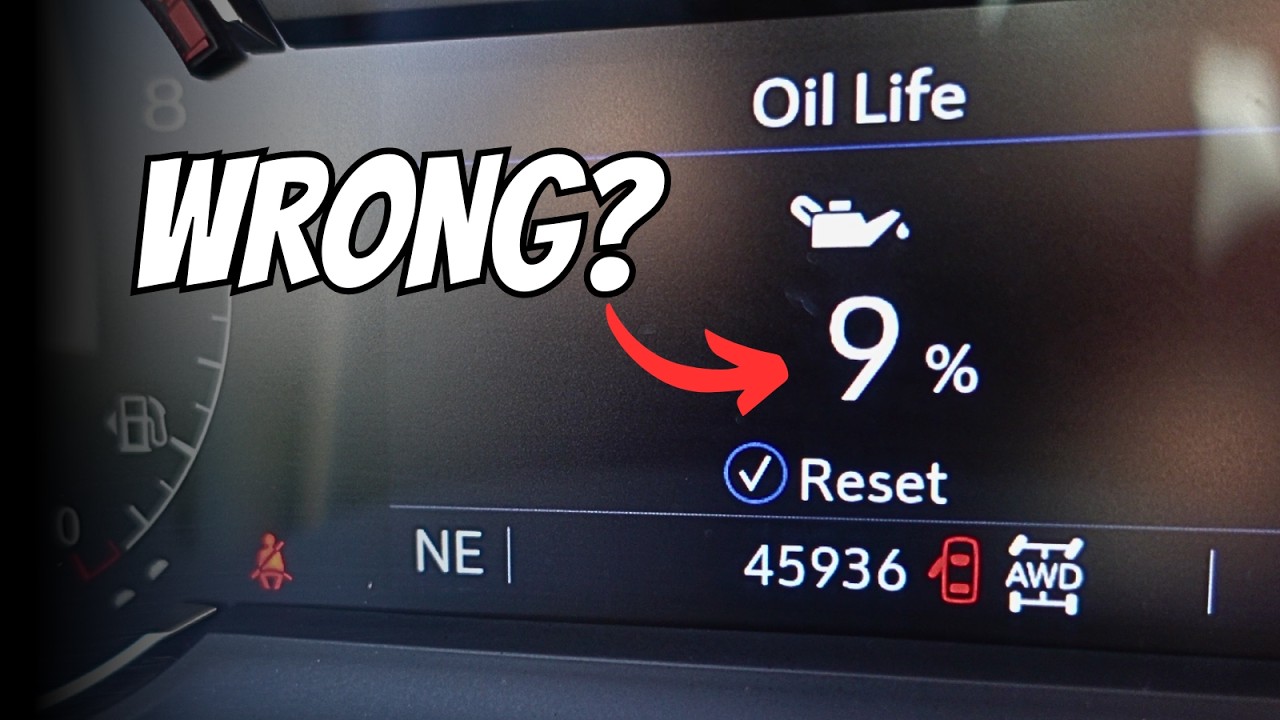
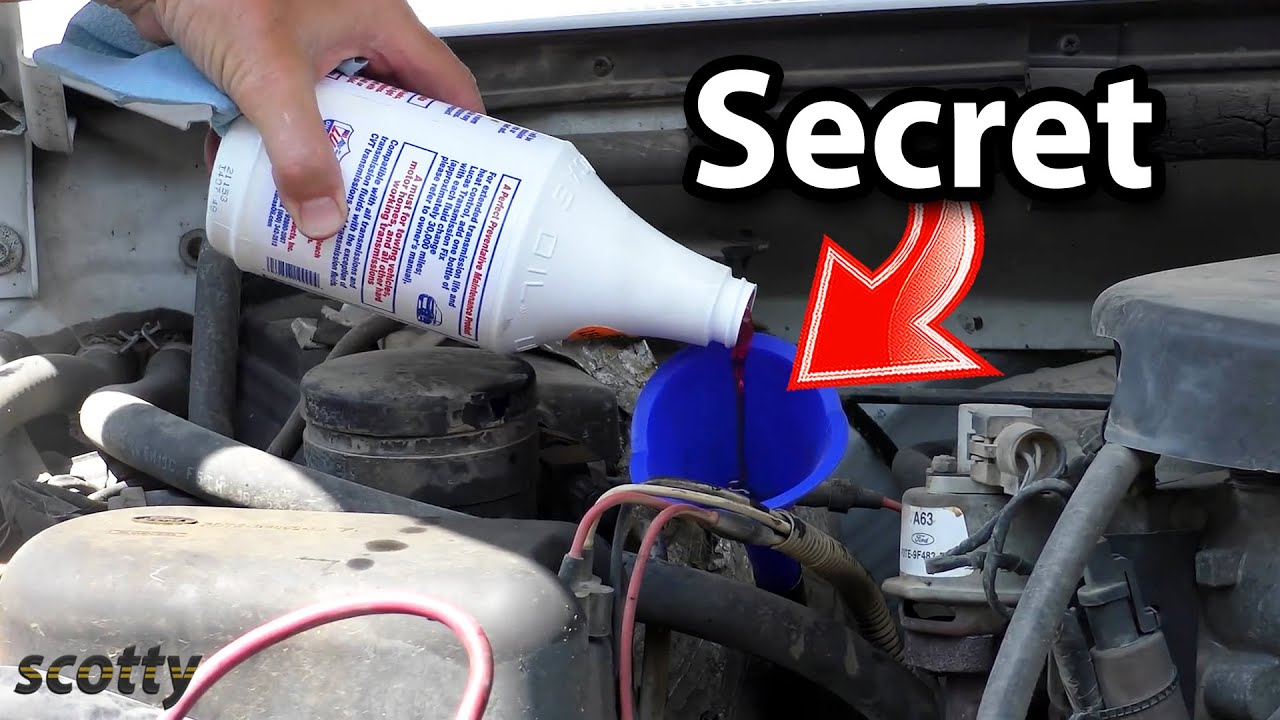
93% of all engine failures can be traced back to these 15 common driving habits these mistakes can lead to catastrophic damage I'm here to help you avoid becoming part of that statistic picture this you're driving down the highway wind in your hair without a care suddenly a little red light flashes on your dashboard your heart sinks you've been putting off that oil change for months thinking it's just a way for mechanics to make money but that little light might be warning you about serious engine trouble oil changes are crucial for your engine's Health when you
run oil for too long it turns into thick nasty sludge this Gunk coats important engine parts slowly damaging them today's engines are more sensitive to oil quality than older ones they run hotter and faster with tighter spaces between Parts they need clean fresh oil to work properly here's a real example a guy brought in a 3-year-old car last week the engine was ruined inside it looked like someone had poured molasses everywhere he'd only change the oil once since buying it the bill $88,000 for a new engine this isn't rare I've seen many engines wear out
too soon with broken bearings and scratched cylinder walls all because someone thought skipping oil changes would save money so what does skipping a $50 oil change really cost engine repairs from oil neglect can run 3,000 to10 $10,000 if you need a whole new engine it could be $155,000 or more a big insurance company found that regular oil changes can make your engine last up to 50% longer that means your car could last twice as long if you stick to the maintenance schedule oil does more than just make things slippery it cools your engine cleans it
and protects it while your engine runs oil picks up tiny metal bits absorbs heat and stops rust but it can only do this for so long before it wears out next time you think about pushing your oil change back a few thousand miles remember you're not just risking a $50 service you could end up paying thousands in repairs and cutting years off your car's life but oil isn't the only fluid that can wreck your engine there's another common mistake that's just as bad and you've probably done it without even realizing think you're saving money by
squeezing every last mile out of your tank think again Running on Empty isn't just leaving you stranded it's quietly Dam damaging your engine in ways you wouldn't expect we've all been there you're late the fuel light's on but you think you can make it to work and fill up later it's a common habit especially when money's tight but that little gamble is costing you more than you realize your fuel pump sits in the tank working to keep your engine fed when you're running on fumes it's pushing up all the junk that's settled at the bottom
all that dirt and rust is now getting forced through your fuel system modern fuel pumps need gas for cooling and lubrication when you're low that pump is working dry it's like running a marathon without water eventually something's going to break I've seen it happen a lot last month a guy got towed in because his fuel pump died on the highway he'd been running on empty for weeks to save money the bill $800 for a new pump plus labor and he was lucky I've seen failed pumps clog the whole fuel system new injectors new filters hours
of cleaning that can cost thousands water can also build up in your tank over time when you're low that water gets sucked up with the last bits of gas water and engines don't mix it can cause misfires rough running or even serious engine damage every time you run your tank close to empty you're taking a big risk you might get away with it a few times but eventually it'll catch up with you a new fuel pump can cost $100 to $300 for the part alone add labor and you're looking at over $1,000 and that's if
you catch it early wait too long and you could be facing engine repairs in the thousands the crazy part this is all easy to avoid just keep your tank at least a quarter full it protects your fuel pump and gives you some wiggle room if you miscalculate or hit traffic remember your car is a complex system where everything's connected ignoring one small problem can lead to bigger issues later that fuel gauge isn't just telling you when to fill up it's trying to protect your engine and your wallet now let's talk about another warning sign many
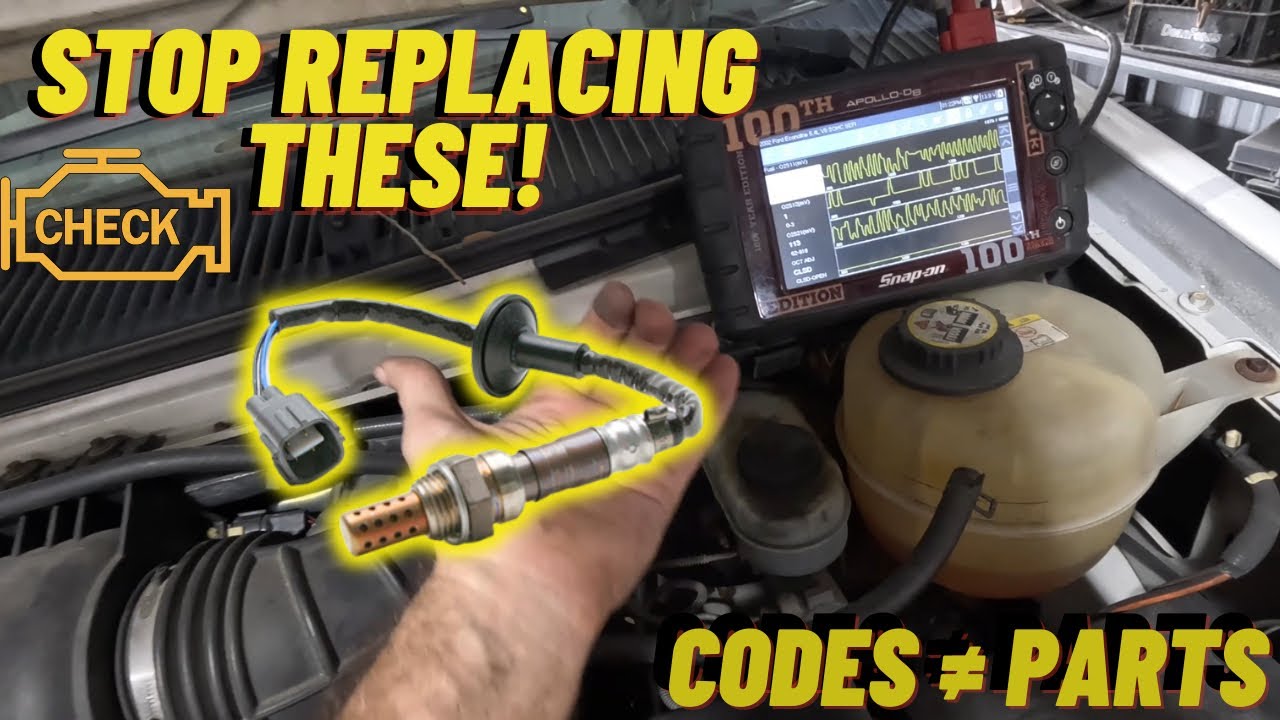
of us ignore you know that little orange light on your dashboard yeah that one you see it flicker on and your stomach drops but then you keep driving day after day what if I told you that seemingly harmless check engine light could be the difference between a $100 fix and a $5,000 repair Bill many drivers see that orange glow as more of a suggestion than a warning they think the car is still running so it can't be that bad right wrong that little light is your car's way of telling you something seriously wrong let me
break it down for you that check engine light can pop on for a bunch of reasons maybe it's just a loose gas cap an easy fix but it could also be your oxygen sensor going bad or problems with your catalytic converter these aren't just fancy car words they're real issues that can cost you big time if you ignore them here's a real world example for you a customer brought in his pickup truck recently the check engine light had been on for months but the truck seemed fine so he kept driving turns out it was a
small crack in the exhaust manifold if he' brought it in right away it would have been a simple $300 fix but because he waited that crack got bigger letting exhaust gases into the engine bay it damaged wiring sensors and even started to warp the hood total bill over $3,000 I've seen even worse cases one time a customer ignored her check engine light for almost a year she thought it was no big deal since the car was still running when she finally brought it in we found out her transmission had been slowly destroying itself due to
low fluid the repair bill was so high she ended up having to sell the car for parts so what's the real price of ignoring that check engine light on average fixing an issue when the light first comes on costs between $150 to $400 but if you wait you're looking at repairs that can easily top $1,500 sometimes even more that's a huge difference all because of a little procrastination here's the thing that check engine light isn't there to annoy you it's trying to save you money in the long run modern cars are smart they can detect
small problems before they become big ones but they can only warn you it's up to you to take action I know nobody wants to deal with car repairs but trust me a quick trip to the mechanic when that light first comes on can save you thousands down the road it's like fixing a small leak in your roof before it turns into water damage throughout your whole house remember your car is talking to you that check engine light is its way of saying hey I need some help here don't ignore it your wallet will thank you
later but it's not just what you ignore that can hurt your engine sometimes it's what you do and there's one common habit that's putting a lot of stress on your engine without you even realizing it it's a frosty morning and you're running late you jump in your car fire it up and zoom off seems harmless right but what if I told you this everyday habit could be slowly destroying your engine here's the thing many people think modern cars don't need warm-up time they figure technology has fixed that problem but your engine doesn't care about your
schedule when you start at cold and immediately take off you're putting a lot of stress on those internal parts think about it your engine has all these different materials metal rubber plastic when it's freezing out all those parts are cold and contracted then you start the engine and everything starts heating up but they don't all warm up at the same speed this uneven warming causes wear and tear you can't even see now let's talk about oil when it's cold oil gets thick it doesn't flow easily so when you start your engine and immediately rev it
up that thick oil isn't getting everywhere it needs to go your engine parts are basically rubbing against each other without enough lubrication cold temperatures affect other engine parts too your battery has to work harder and your car uses more gas so what's really happening inside your engine during a cold start your Pistons are moving up and down but the cylinder walls are still cold the oil isn't flowing well yet and all of this is happening while you're asking the engine to work hard speeding up onto that cold Highway giving your car even just 30 seconds
to a minute to warm up can make a big difference it lets the oil start moving and the engine parts begin warming up more evenly those quick cold starts you do every winter morning they could be cutting years off your engine's life over time all that extra wear adds up I get it when it's freezing out and you're late for work you don't want to wait for your car to warm up but trust me those extra few seconds can save you a lot of money in the long run cold starts aren't the only way we
stress our engines though let's talk about how we drive there's another common habit that's putting even more strain on your engine and you might be doing it every time you hit the road ever wonder why some cars seem to last forever While others fall apart the secret might be in how you drive let's talk about how your driving style could be slowly killing your engine and emptying your wallet we've all been there the light turns green and you can't help but floor it your engine roars and the tachometer needle shoots up it feels awesome right
but that rush comes at a price when you push your engine hard like that you're putting a lot of stress on its parts they're not made to handle that kind of abuse regularly over time this can cause serious damage now let's talk about lugging the engine this happens when you're in too high a gear for your speed it's bad news because it doesn't circulate oil properly which can overheat your engine and wear it out faster this is especially true for newer engines with direct injection but revving too high all the time isn't good either most
modern engines work best between 2,000 and 3,000 RPM that's where you get good performance without wearing things out too fast how you speed up matters too if you merge onto the highway in a high gear and then floor it you're putting a lot of strain on your engine these aggressive driving habits can lead to expensive repairs down the road all this wear and tear adds up you could end up paying thousands to fix your transmission and it's not just your engine that suffers your whole drivetrain takes a beating when you drive too hard here's the
good news you can avoid all this damage by driving more smoothly and keeping your engine in its happy Zone you could make your car last twice as long that means saving a ton of money on repairs and keeping your car running for years but how you drive isn't just about going fast sometimes it's about how you slow down there's another common habit that's quietly wrecking engines everywhere it happens in traffic all the time and you might be doing it without even realizing you're stuck in bumper-to-bumper traffic inching forward your left foot's on the clutch right
foot hovering over the brake seems harmless right wrong this constant Clutch and Brake use is quietly damaging your car and costing you money many of us ride the clutch or brake in heavy traffic without thinking it's a habit but it's wearing out your transmission and brakes faster than normal when you press the clutch even a little your you're putting stress on the throwout bearing this important part wears out quicker when you rest your foot on the pedal it also wears down your clutch disc and pressure plate replacing these isn't cheap a full clutch job can
cost $500 to $2,000 resting your foot on the brake pedal is just as bad it makes your brake pads rub against the rotors constantly this wears out your pads faster and can warp your rotors fixing brakes can cost $300 to $800 per axle these these problems often sneak up on you your car might seem fine one day then suddenly need expensive repairs the next the good news you can avoid these costs in traffic try to keep your car in gear without using the clutch use the handbrake when stopped for a while for brakes try to
look ahead and Coast more instead of braking these small changes can make your car last longer and save you thousands but some of the worst habits start before you even turn the key there's one common mistake that can lead to Big engine problems later and you've probably done it without knowing ever wondered why some cars seem to run forever While others barely make it past 100,000 miles the answer might be simpler and more in your control than you think look I get it money's tight and scheduled maintenance can feel like just another bill to put
off but skipping that $100 service today could cost you thousands down the road your car's parts are wearing out even even if you can't see it happening let's break it down your transmission fluid brake fluid and coolant all need regular care ignore them and you're asking for trouble take coolant for example I had a customer who skipped his coolant flushes his head gasket blew and the repair Bill hit $2,000 a simple $50 service could have saved him big time it gets worse another customer never changed her transmission fluid her transmission gave out completely the repair
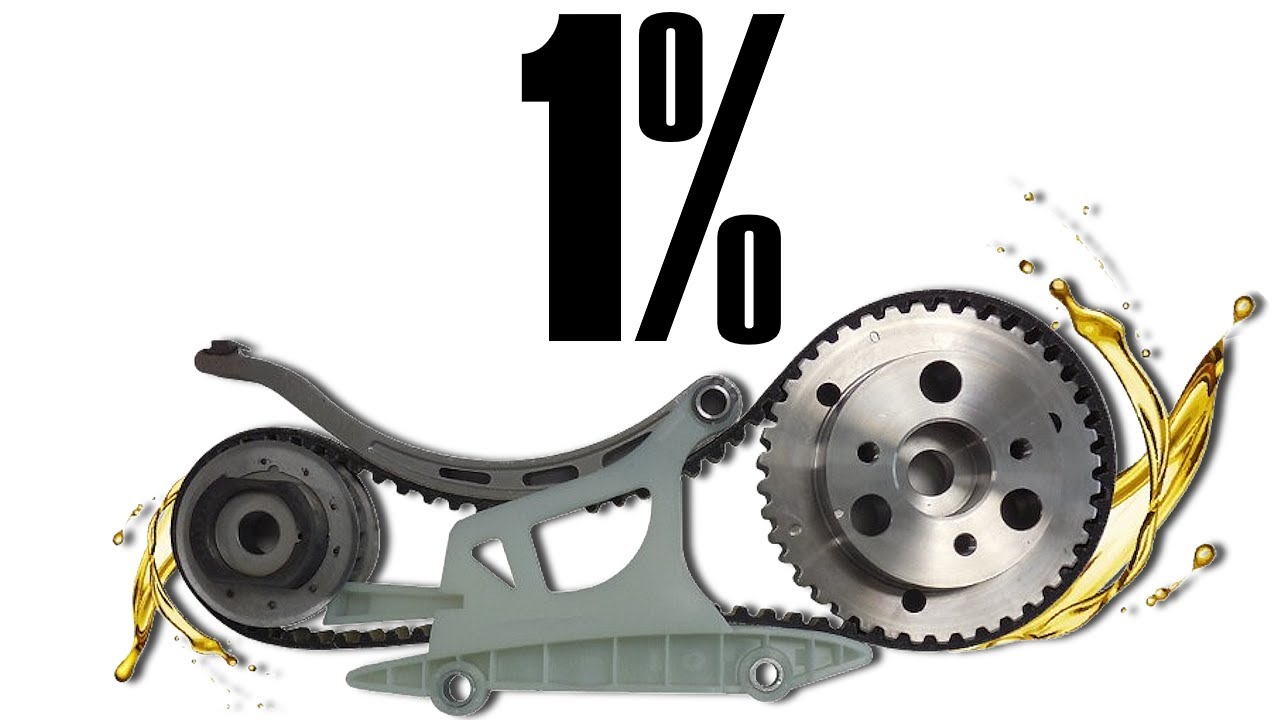
cost more than the car was worth she had to buy whole new car here's something wild cars that get regular maintenance can last 50% longer than neglected ones we're talking years of extra life for your car so what's the real cost of skipping that $100 service your risking repair bills of $4,000 or more and that's if you catch the problem early wait too long and you might need a whole new engine that's $5,000 to $10,000 or more think about timing belts replacing one costs about $5 $100 but if that belt breaks because you ignored it
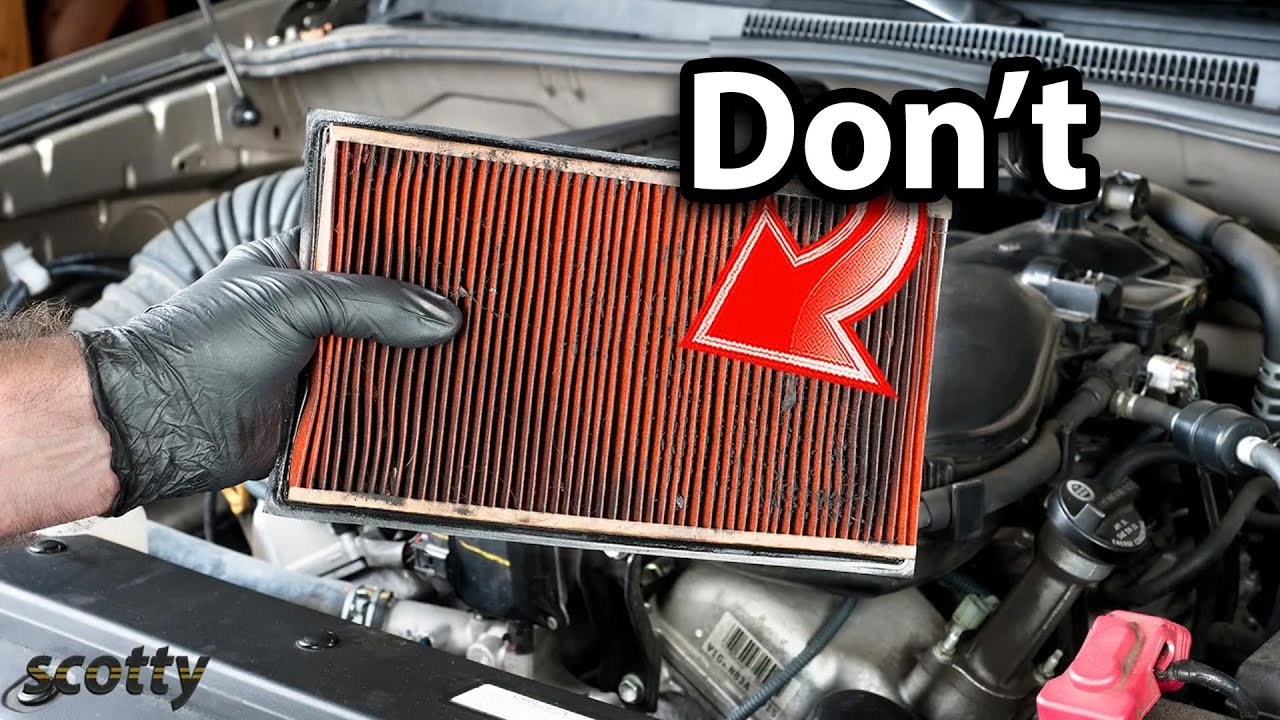
you could be looking at engine damage that costs $5,000 or more to fix it's not just big Parts either changing your air filter regularly can make your car use 10% less gas that's money back in your pocket every time you fill up here's the thing skipping maintenance is a big risk you might get away with it for a while but eventually it'll catch up with you and when it does your wallet's going to feel it your car is trying to tell you what it needs those stickers on your windshield and warnings in your manual aren't
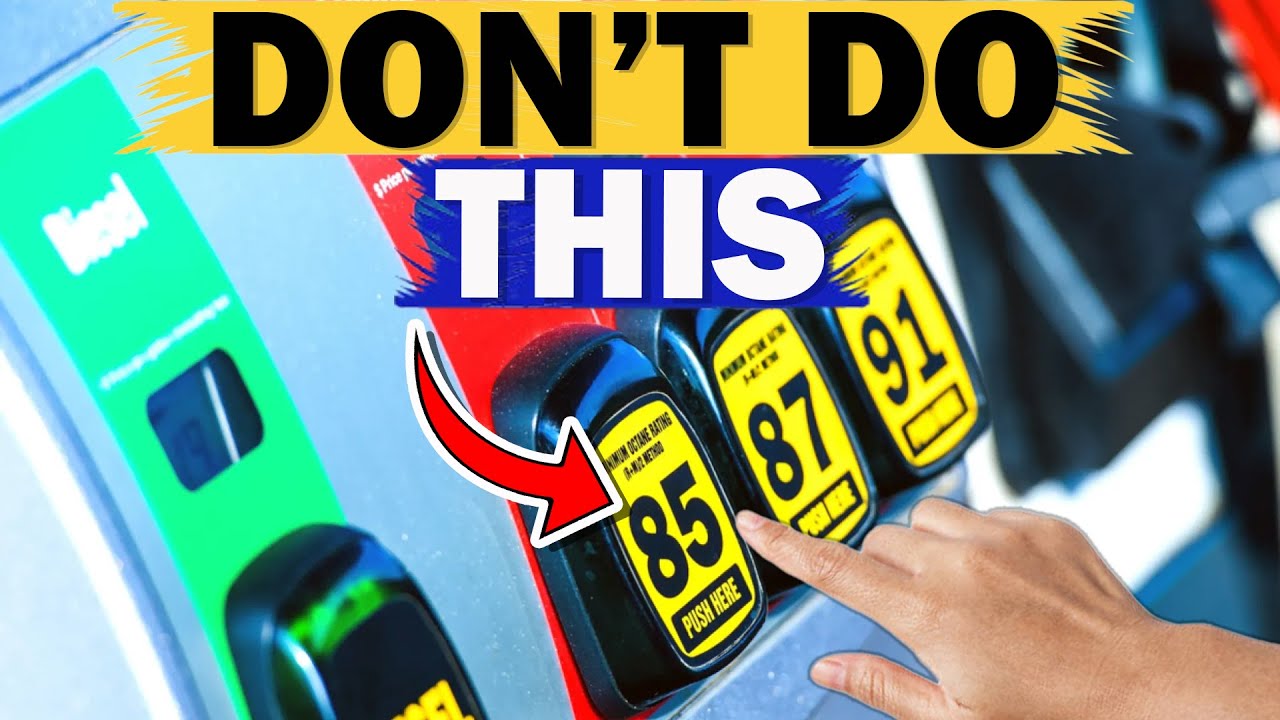
there to bug you they're trying to save you money in the long run so next time you think about pushing off a service remember the real cost it's about keeping your car running well for years and avoiding those huge repair bills that can mess up your budget but even if you're great about maintenance there's one more thing that can undo all your hard work and you're probably doing it every time you fill up you might think premium gas is better for your car but using the wrong fuel Fu grade could actually be damaging your engine
let's bust this myth that's costing you money and potentially harming your vehicle many drivers use the wrong fuel grade thinking it doesn't matter much they assume higher octane means better performance that's not true your engine could be suffering Without You realizing it different fuel grades affect your engine in ways you can't see using lower octane fuel than recommended can cause knocking where the fuel ignites too early in the engine cycle this hurts efficiency and can shorten your engine's life here's the kicker most modern engines are designed for regular gas using premium fuel in these cars
wastes money and can even reduce power in some cases using the wrong fuel grade long-term can cause serious problems it can mess up your fuel injectors clog filters and damage your catalytic converter these aren't cheap to fix if your engine needs high octane fuel and you use regular it can't handle the pressure properly using premium in a regular engine doesn't help either it's just throwing money away the scary part these issues can creep up on you you your car might seem fine for a long time but you're causing wear and potential damage all along let's
talk money premium gas costs about 50 cents more per gallon if you fill a 15-gallon tank weekly that's an extra $390 a year add in possible repair costs and you're looking at thousands the takeaway use what your car's manual recommends it's based on how your engine was built using the right fuel saves you money and keeps your engine healthy now you know better so you can do better your car and your wallet will be happier for it we've covered some costly habits that can damage your engine and drain your wallet but here's the good news
you can avoid these problems with a few simple changes take a look at your own driving habits are you putting off maintenance or ignoring warning signs these small choices can lead to Big Repair bills later on your engine's life depends on how you treat it every time you drive you're making choices that affect your car's future so what will you do differently tomorrow will you start taking better care of your car by making a few changes now you could save thousands of dollars and keep your car running smoothly for years to come remember your future
self will thank you for taking better care of your car starting today make the choice to be a responsible car owner your wallet and your car will appreciate it