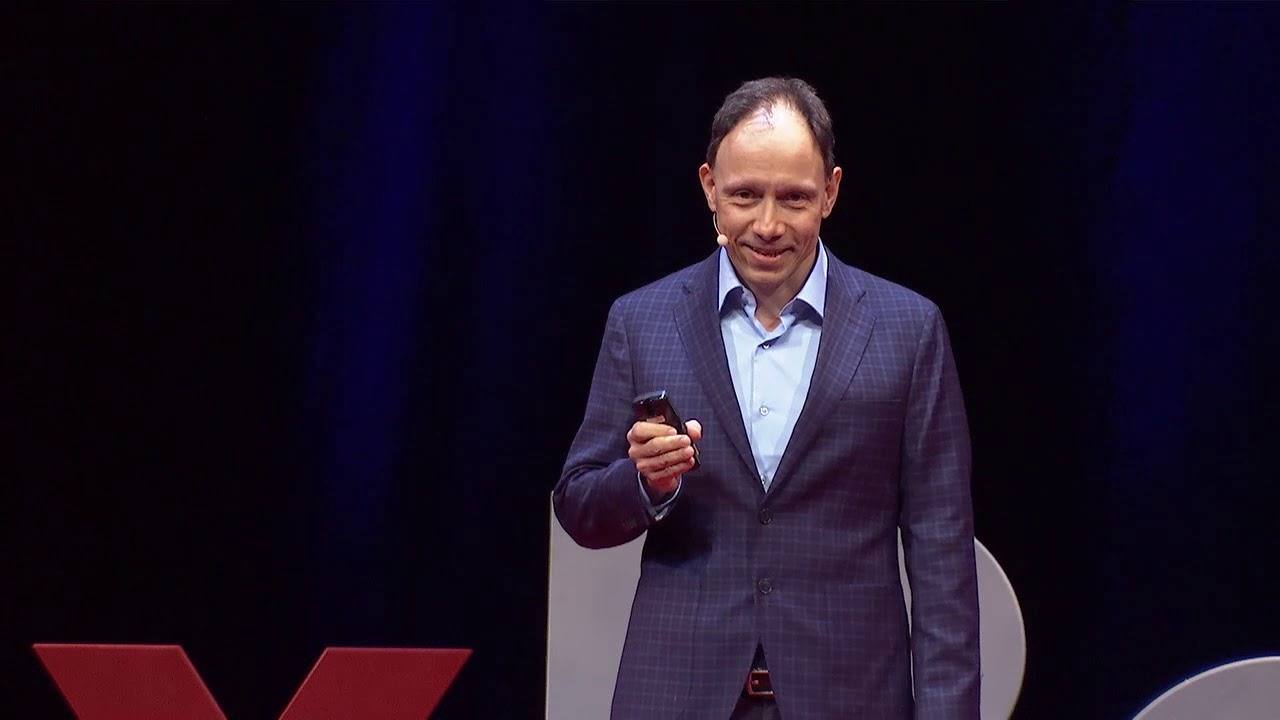
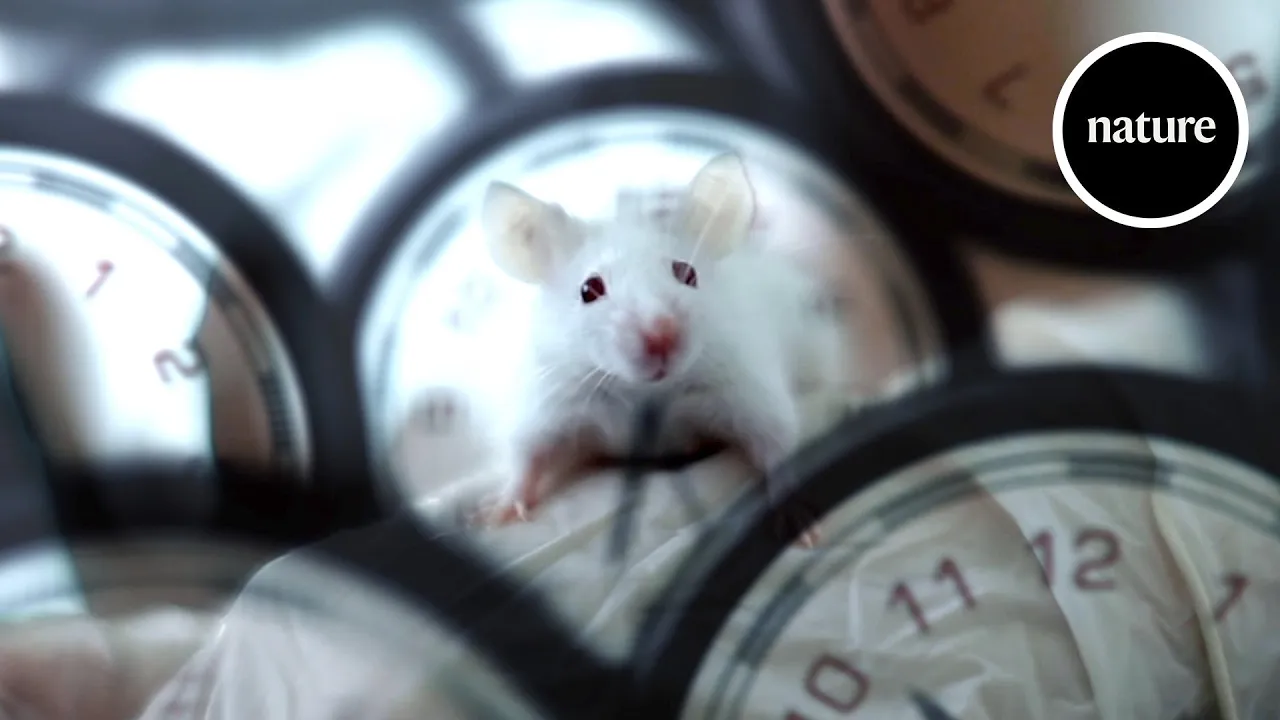
time waits for no one with every tick of the clock we get older and inside our cells a kind of molecular clock is ticking too marking the inevitable process of cellular aging i regard aging as a medical condition it's a decline in function leading to suffering and in many cases death david sinclair wants to turn back the clocks in our cells and he believes his latest results from a series of experiments on the eyes of mice suggest it might be possible to reverse [Music] aging in 2012 shinya yamanako won the nobel prize for showing that
you can take an adult cell say a skin cell grow it in a dish and put in four yamanaka genes yamanaka factors we call them and convert that adult cell into a what we call induced pluripotent stem cells stem cells are like black cell templates from which all other types of cell can develop they're essentially the youngest a cell can be so we know we can take an adult cell back to h0 this is a stem cell but if you do that in a person you this would turn into a tumor so what you want
to try to do we try to do is to take the age of the cell to a certain point where it's young again but not so young that it loses its identity and we had a lot of trial and error mostly error eventually david's team found a combination of three yamanaka factors that seemed to turn back the clock just part of the way in cells in a dish the next step was to try it out in a living creature but for that they needed a way to tell if their de-aging process was working when you
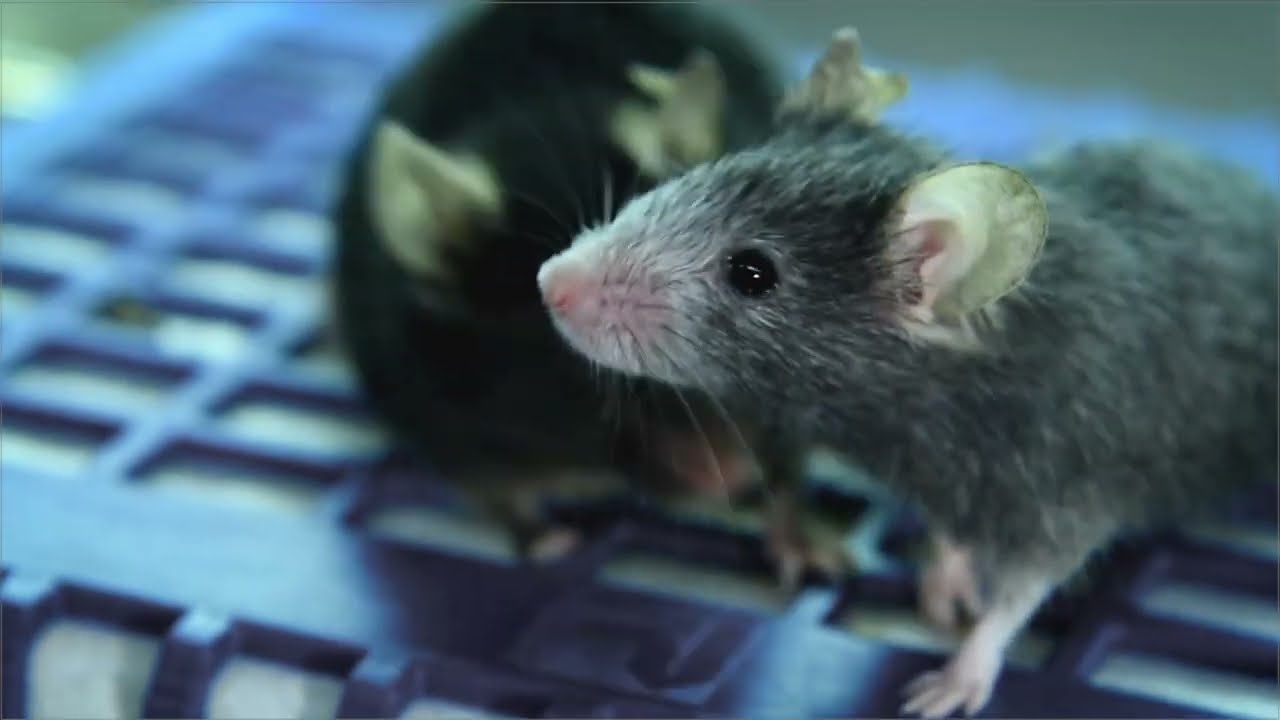
damage the central nervous system in a very young animal or an embryo it can grow back but in an adult it's impossible so we took older mice and damaged their optic nerve just by pinching at the back so normally those axons would die off and the mice would be blind instead we saw with our three gene reprogramming combination the optic nerves started to grow back and eventually did grow back all the way back to the brain the nerves were regenerating but that wasn't all david thinks something even more fundamental is going on one of the
hallmarks of aging is epigenetic change these are changes to how genes are switched on and off so when we're young our epi genome is pristine it's set with genes on and genes that are off that maintain a cell's identity and this pattern must be maintained throughout life for that organ and that tissue to work optimally one part of this epigenetic pattern involves chemicals called methyl groups that attach to the dna as an organism gets older the pattern of methylation changes we can use these dna methylation patterns to make a clock a dna methylation clock also
known as a horvath clock that estimates your biological age and when david looked at the methylation clock of the mice in his experiment the patterns had changed according to david the clocks had turned back and the cells looked younger which told us that we weren't just protecting these nerve cells we were literally reversing their age bolstered by these results david and his team turned to more conditions associated with age they tried the same experiment in mice that had become blind due to old age and in mice with artificially induced glaucoma an age-related disease that damages
the cells of the retina they gave the blind mice the three reprogramming factors and then tested their vision we could put mice in front of a screen where lines are moving and if a mouse is blind it will just sit there staring but after we treated the mice what happened was we saw that they were starting to move their head like this in response to those lines showing that they had got their vision back and that as far as we know is the first time that's ever been possible as before the mice didn't just regain
their vision their cells also appeared younger according to the dna methylation clock not only that but when david's team experimentally fixed the methylation patterns preventing them from changing the blind mice didn't regain their vision which suggests to us that the clock isn't just a measure of age it's involved in the aging process and even in its reversal david and his team are keen to try out the three reprogramming factors on other kinds of tissues and eventually in humans to see if they can reverse age-related conditions like glaucoma but there's still more work to do to
understand exactly how these three factors are able to make a cell functionally younger again the fact that we can reset the age of a cell and make it functional again and have the right genes turn on and off as though they were young again implies that there's a template a store of information that's useful much like a backup copy of software that we can reset the big question really is where is that information stored where is that template how does the cell find it during this reprogramming method and this is one of the most important
questions i think that now needs to be solved we don't know if the template to use really is hidden inside each of our cells but if david's right perhaps a cure for aging isn't as impossible as it might have once seemed you