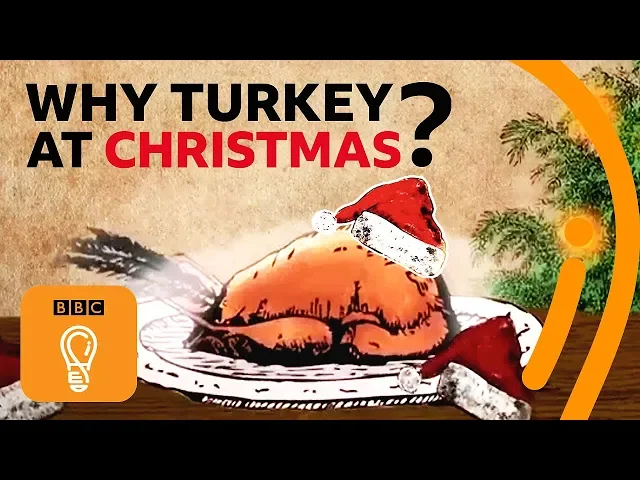
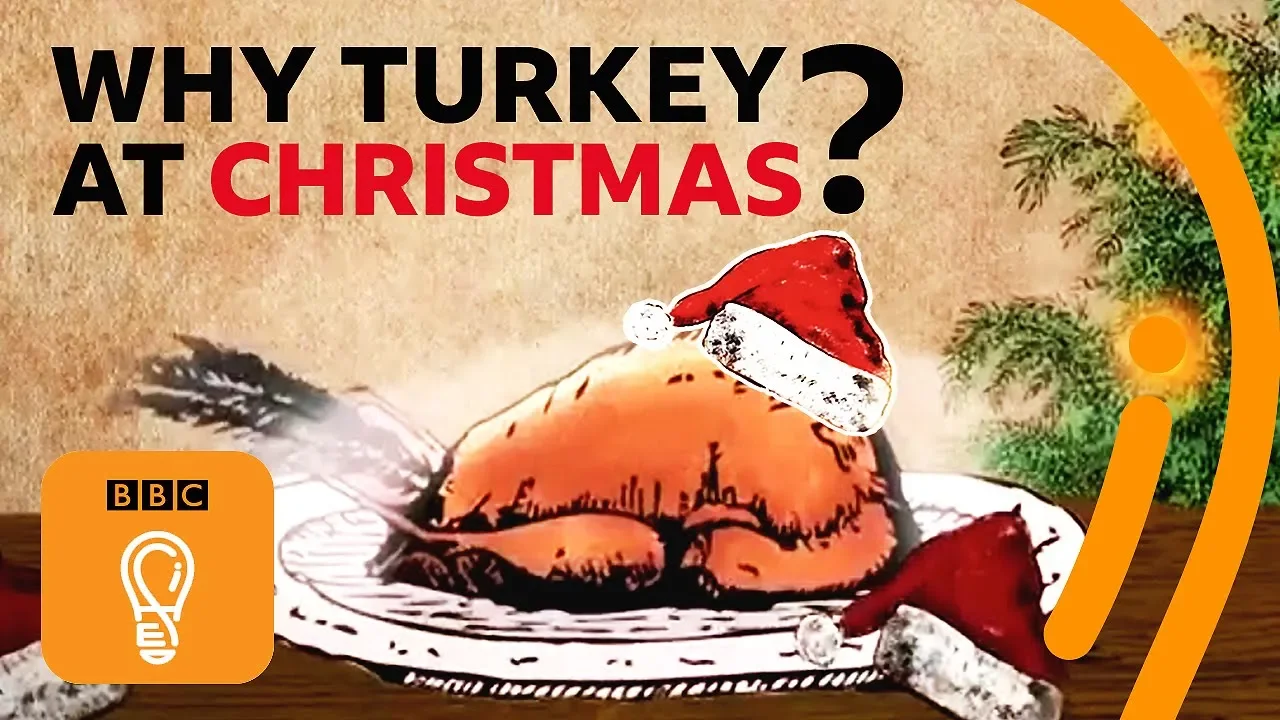
What would a British Christmas dinner be without roast turkey? Well it would still be Christmas dinner. Turkey's dominance of our festive table is comparatively recent, and for much of the last 500 years, beef was the meat of choice.
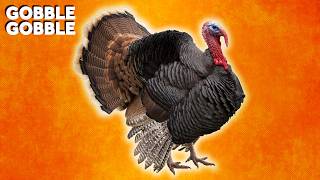
Turkeys are native to central America where they were domesticated around 200BC By the time Columbus and his fellow explorers started to discover the delights of indigenous foods they were eaten far beyond their original pecking grounds, and had spread to North America and the Caribbean. From there, the spread of turkey was spectacular. By 1511, every ship leaving the Americas for Spain was ordered to bring back five breeding pairs.
By the 1530s, they were being farmed in France. And in England in 1541 they were restricted by law, along with cranes and swans, to only one such bird being served per feast. It's not clear exactly where the British got turkeys from.
They were imported from America, but they also came in via Turkey, hence the name. They were large, versatile and most importantly visually impressive. After all, another competitor was the peacock.
Turkeys apparently taste better. A popular way to serve them was in a raised pie with the tail, wings and head and neck cooked onto skewers and put back in the pie. Resplendently gazing back at the would-be diner.
Turkeys were not just for Christmas, they were eaten throughout the winter. Fowl was at its best from September to March. Inevitably a big, juicy, expensive bird in season in December became associated with the feasting which went on for 12 days from the 25th.
By the 17th Century turkey was well established as one of the key Christmas meats. In America, the early settlers were saved from starvation by Native Americans who shared their food. In 1621, the first recorded Thanksgiving feast took place.
Turkey was eaten, and it became an established part of the various Thanksgiving celebrations which were held over the next 200 years. Later, Thanksgiving was declared a national holiday with turkey at centre stage. By the 19th Century in Britain, turkey was very much still a Christmas dish, but not the main one.
If you were rich, you had lots of other meats, and beef was still the mainstay. If you were poor, turkey was unaffordable. You might have a cheaper goose instead.
That said, in 1861, the quintessential middle-class writer and sometime plagiarist, Isabella Beeton, declared that. . .
Things didn’t really change until the second half of the 20th Century when, after two world wars and a depression, meals were rather smaller, even for the rich, and feasts centred on one meaty roast. In the 1950s, America cast a glamourous pall over British food, and as we greedily embraced images of golden Thanksgiving turkeys, we turned to them more and more for our own festive fare. Even if your oven was too small, help was at hand.
Well into the 60s, the local bakers would open on Christmas morning, their ovens ready for the locals' Christmas roast. Now our image of the ideal Christmas dinner is focussed on the turkey, but there are voices of dissent. .
. They whisper. And they may have a point.
After all, turkey can apparently be a lovely thing, but if we really liked it wouldn’t we cook it more than once a year?